
Best Lens Cleaning Brush for Binoculars to Remove Dust Before Wiping
A lens cleaning brush for binoculars looks like a simple accessory, but it can save your lenses from the kind of damage you only notice when it is too late.
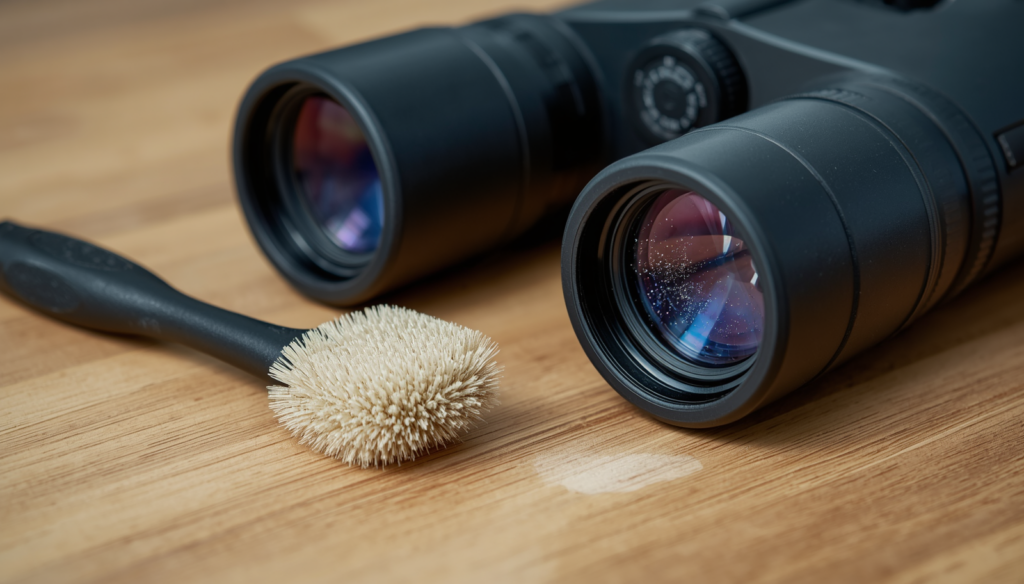
Dust, grit, dried pollen, sand, pocket lint, and tiny field debris do not seem dangerous at first. The problem starts when people wipe that debris straight across the glass with a shirt, tissue, rough cloth, or even a microfiber cloth used too early. That is where fine scratches happen.
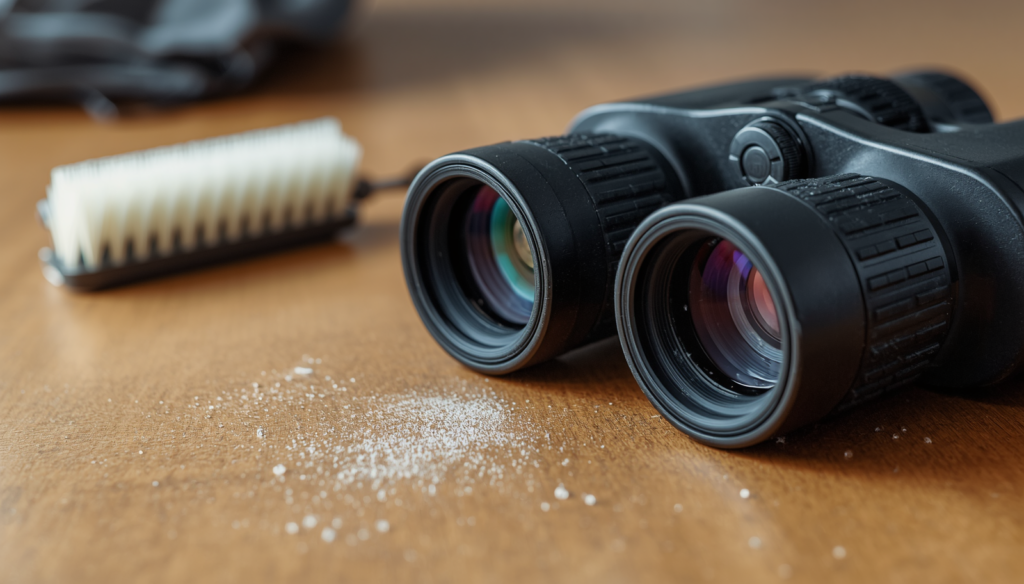
A good binocular lens brush is not for deep cleaning every mark. Its real job is safer: remove loose particles before anything touches the lens surface.
That small step matters whether you use binoculars for bird watching, hunting, hiking, stadium viewing, marine use, astronomy, or general outdoor travel. If you carry binoculars outside, your lenses will collect debris. This is a normal part of outdoor binocular use.
.
The difference is how you remove it.
Why a Lens Cleaning Brush for Binoculars Matters
A lens cleaning brush for binoculars is made to lift loose dirt without grinding it into the lens coating. Binocular lenses are not just glass. Most decent binoculars have anti-reflective coatings, phase coatings, protective coatings, or hydrophobic coatings on the lens surface.
That coating helps with clarity, brightness, contrast, and glare control. It also makes binoculars more enjoyable in real conditions. But coatings can still be damaged by bad cleaning habits.
Here is the common mistake:
- You see dust on the binocular lens.
- You grab a cloth.
- You wipe in circles.
- The dust acts like tiny grit.
- Now the surface may have micro-scratches.
A soft lens brush helps avoid that. It removes the dry particles first, so your microfiber cloth or lens cleaning solution only deals with smudges, fingerprints, and oily marks.
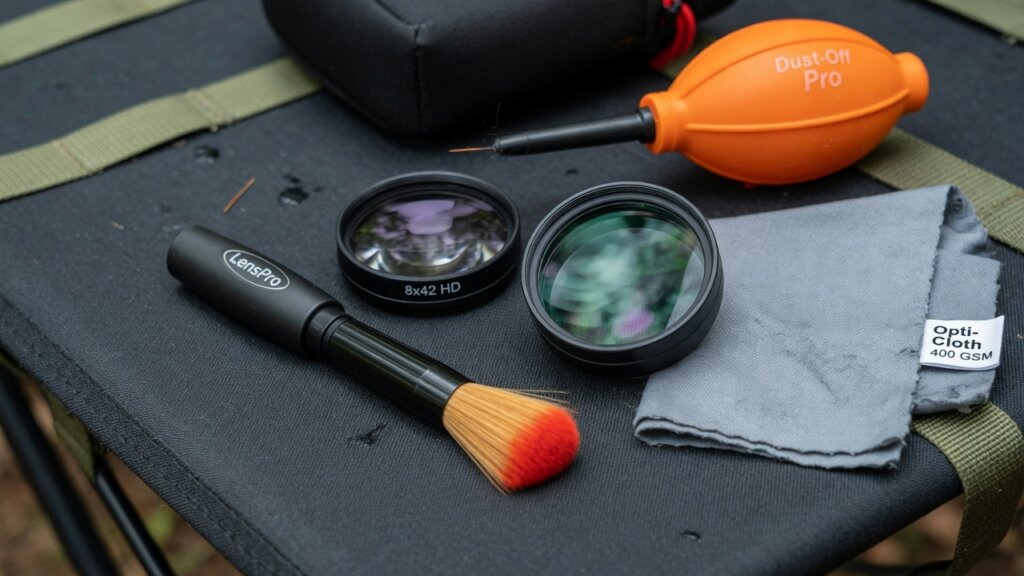
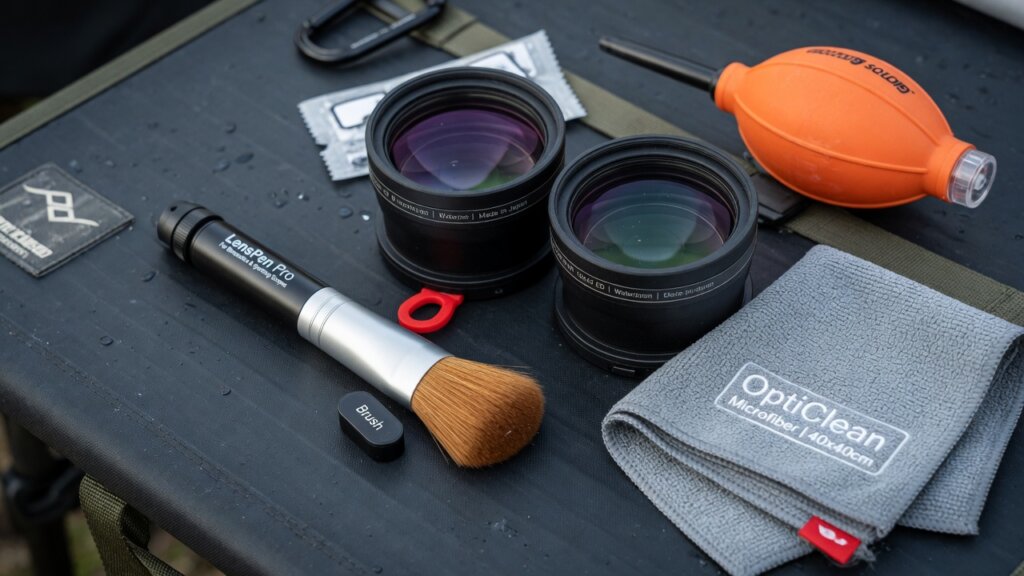
For a complete cleaning setup, it makes sense to pair a brush with other safe tools from your main binocular cleaning tools kit. The brush handles dust. The cloth handles light smudges. The blower clears loose particles without contact.
That combo is simple, practical, and much safer than random household cleaning.
What a Binocular Lens Brush Actually Does
A binocular lens cleaning brush is not meant to polish the lens. It is not supposed to remove heavy grease. It should not replace a microfiber cloth.
Its job is more specific:
| Cleaning Problem | Best Tool | Why |
|---|---|---|
| Loose dust | Lens cleaning brush for binoculars | Gently sweeps particles away |
| Sand or dry grit | Air blower first, then brush | Reduces contact with abrasive debris |
| Fingerprints | Microfiber cloth or lens pen tip | Handles oils better |
| Water spots | Lens cloth with safe lens cleaner | Needs controlled wiping |
| Mud or sticky dirt | Careful damp cleaning | Brushing alone may spread it |
A brush is most useful before the actual wipe-down. Think of it as the first safety filter.
In real use, this matters a lot. A hiker pulling binoculars from a backpack may find lint on the eyepieces. A hunter may get dust around the objective lenses. A traveler may deal with small particles after carrying binoculars in a daypack. A stadium viewer may get fingerprints and debris from constant handling.
The brush is the quiet tool that prevents a rushed cleanup from becoming lens damage.
Best Real-World Situations for Using a Lens Cleaning Brush
A lens cleaning brush for binoculars is especially useful when you are outdoors and do not have a clean desk, bright indoor light, or a full cleaning station.
Bird Watching and Nature Viewing
Bird watchers often use binoculars early in the morning when moisture, pollen, and fine dust are common. A brush is helpful around the eyepieces and focus wheel area, especially if your binoculars hang around your neck for hours.
If you wipe first, pollen can smear. A brush clears the dry layer before you touch the glass with anything else.
Hunting and Field Use
For hunting binoculars, dust is almost guaranteed. Brush cleaning is useful after walking through dry ground, sitting near brush, or taking binoculars in and out of a harness.
If the lenses have heavier dirt, use an air blower for cleaning binoculars first. A blower removes loose particles without touching the lens, then the brush can handle what remains around the edges.
Hiking and Travel
Backpacks are full of lint, crumbs, fibers, and tiny debris. Even if your binoculars stay inside a case, the eyecups and lens edges can collect dirt.
A compact brush is useful because it weighs almost nothing and does not need liquid. That makes it easy to carry in a side pocket, binocular case, or cleaning pouch.
Astronomy and Night Viewing
For astronomy binoculars, even small smudges and particles can be annoying because you are looking at bright points of light against dark backgrounds. A soft brush helps remove dust before it becomes visible under angled light.
Just avoid aggressive cleaning. Night-viewing optics benefit from careful, minimal contact.
Brush vs Microfiber Cloth vs Air Blower
A lot of people buy one cleaning item and expect it to handle everything. That is where problems start.
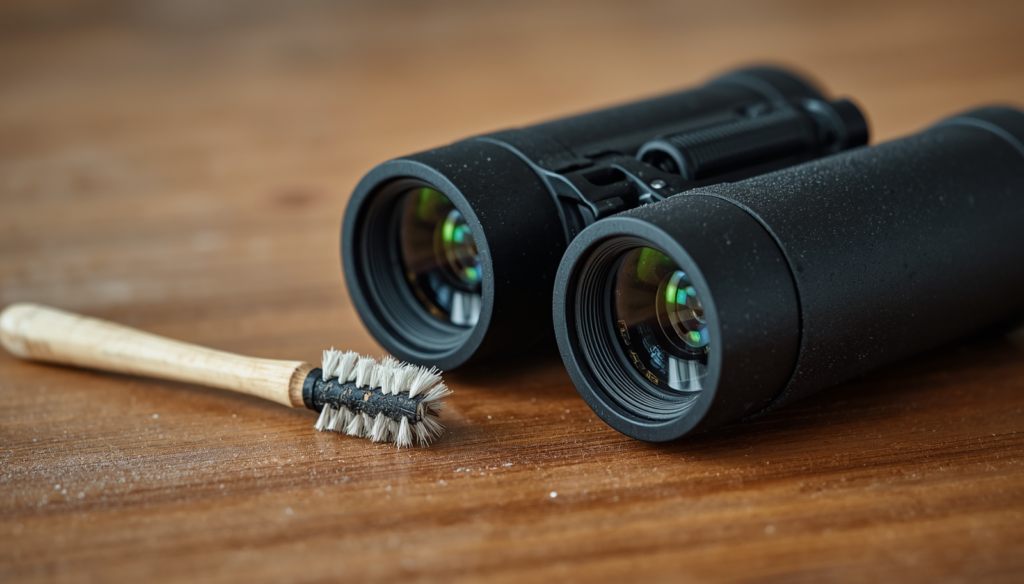
A lens cleaning brush for binoculars is excellent for dry dust, but it is not the only tool you need. A microfiber cloth and air blower do different jobs.
| Tool | Best For | Weak Point |
|---|---|---|
| Lens cleaning brush | Dust, lint, dry particles | Not ideal for oily fingerprints |
| Microfiber cloth | Smudges, light marks, final wipe | Can scratch if debris is still on lens |
| Air blower | Sand, grit, loose particles | May not remove stuck dust |
| Lens pen | Field cleaning and spot cleaning | Must be kept clean to avoid spreading dirt |
| Lens cleaning solution | Stubborn marks | Easy to overuse |
The safest cleaning order is usually: blower, brush, then microfiber cloth.
That does not mean you need to clean your binoculars every time you see one dust speck. Overcleaning is also a real thing. Every time you touch the lens surface, there is some risk. Clean only when dust, smudges, or marks affect the view.
For lens wiping, keep a dedicated microfiber cloth for binocular lenses instead of using sunglasses cloths, shirt sleeves, paper towels, or random cleaning rags. A dedicated microfiber cloth is a safer choice than tissues, paper towels, or clothing.
.
What Makes a Good Lens Cleaning Brush for Binoculars?
Not every brush is safe for optics. Some look soft but are made for makeup, keyboards, art, or general electronics. Those can shed fibers, hold oil, or feel too stiff on coated lenses.
A good lens cleaning brush for binoculars should have these features:
Soft Bristles
The bristles should feel soft enough for coated optical glass. If the brush feels scratchy on your fingertip, do not use it on binocular lenses.
Natural hair and high-quality synthetic bristles can both work, but softness matters more than fancy wording.
Retractable Design
A retractable brush is better for outdoor use because it stays cleaner inside your bag. An exposed brush can collect dust, grit, and oils, which defeats the whole purpose.
This is one reason lens pen-style tools are popular for binocular users.
Compact Size
A big brush is not always better. Binocular lenses are smaller than camera lenses, especially eyepieces. A compact brush gives better control around lens edges, eyecups, and small grooves.
No Loose Fibers
Cheap brushes can shed. That is annoying because you clean one speck and leave three new fibers behind. Look for a brush that feels firm in construction but soft at the tip.
Clean Storage
The brush should have a cap, sleeve, or retractable body. Tossing an exposed brush into a dusty backpack is a rookie mistake.
Product Worth Considering: Lens Pen Original
If you want one simple product that makes sense for most binocular owners, the LensPen Original is a practical pick.
It combines a retractable dust brush with a non-liquid cleaning tip, which makes it useful for field cleaning when you do not want to carry fluid. LensPen describes the Original as suitable for camera lenses, binocular lenses, spotting scopes, telescopes, eyepieces, and other optical items, with a retractable dust-removal brush and a non-liquid cleaning element. Nikon’s LensPen version is also described as designed for fine optics, with a retractable dust brush and non-liquid cleaning tip.
I like this style because it solves two common problems: dust first, smudge second. That is exactly how binocular cleaning should work.
It is not magic, though. You still need to keep the brush clean, avoid using it on wet mud, and replace it when the tip or bristles look dirty. A dirty cleaning tool is worse than no cleaning tool.
Pros
| Pros | Why It Matters |
|---|---|
| Compact and easy to carry | Fits in a binocular case or gear pouch |
| Retractable brush | Helps keep bristles cleaner |
| No liquid needed | Better for quick outdoor cleaning |
| Useful for binoculars and other optics | Works across camera lenses, scopes, and eyepieces |
| Good for field use | Simple enough to use without a full cleaning kit |
Cons
| Cons | Why It Matters |
|---|---|
| Not enough for heavy mud | Needs proper damp cleaning instead |
| Brush can get dirty over time | Must be stored carefully |
| Easy to overuse | Some users clean lenses more than needed |
| Not a replacement for blower | Air blower is safer for loose sand or grit |
Buyer Tips Before Choosing a Binocular Lens Brush
Buying a lens cleaning brush for binoculars is not complicated, but there are a few things worth checking.
Match the Brush to Your Use Case
If you only use binoculars at home or for casual backyard viewing, a basic retractable brush may be enough.
If you hike, hunt, travel, or use binoculars in dusty areas, choose a brush that stays covered inside a pen-style body or small case.
For sandy environments, do not rely on a brush alone. Use a blower first because brushing sand across glass is risky.
Avoid Oversized Cleaning Brushes
Large camera cleaning brushes can work, but they are often awkward around binocular eyepieces. A smaller brush gives better control.
This matters around twist-up eyecups, rubber armor edges, and small lens recesses where dust likes to hide.
Do Not Buy the Cheapest Random Brush
A random “soft brush” from a general cleaning kit may not be safe for optics. Look for wording related to optical lenses, camera lenses, binoculars, scopes, or coated glass.
Cheap tools are not always bad, but mystery bristles are not worth risking your binocular coatings.
Think About Storage
The best brush is the one that stays clean. If it has no cap or retractable cover, you need a clean pouch.
Never keep your lens brush loose with keys, coins, snacks, tools, or dirty gear. That is how grit gets into the bristles.
Common Mistakes People Make With Lens Cleaning Brushes
A lens brush is safe only when used properly. These mistakes are common, especially with new binocular owners.
Mistake 1: Brushing Wet Dirt
A brush is for dry particles. If there is mud, sticky residue, salt spray, or dried liquid on the lens, brushing may spread it.
For wet or sticky messes, you need a more careful cleaning method using proper lens-safe materials.
Mistake 2: Pressing Too Hard
A lens cleaning brush for binoculars should glide across the lens. You are not scrubbing a kitchen tile.
Light pressure is enough. If dust does not move, stop and switch tools.
Mistake 3: Using the Same Brush Forever
Brushes collect oils, dust, and debris over time. If the bristles look greasy, bent, dusty, or clumped, replace the brush.
This is one of those small upgrades that feels boring until it saves expensive glass.
Mistake 4: Skipping the Air Blower
If you can see gritty particles, use air first. A brush is gentle, but contact is still contact.
An air blower is the better first move for sand, trail dust, and loose outdoor debris.
Mistake 5: Cleaning Too Often
You do not need spotless lenses every hour. If the view is clear, leave the glass alone. Overcleaning creates more chances for mistakes.
Clean when the dust or smudge affects performance, not every time you see a tiny speck under bright light.
Real-World Use Cases: Which Brush Setup Makes Sense?
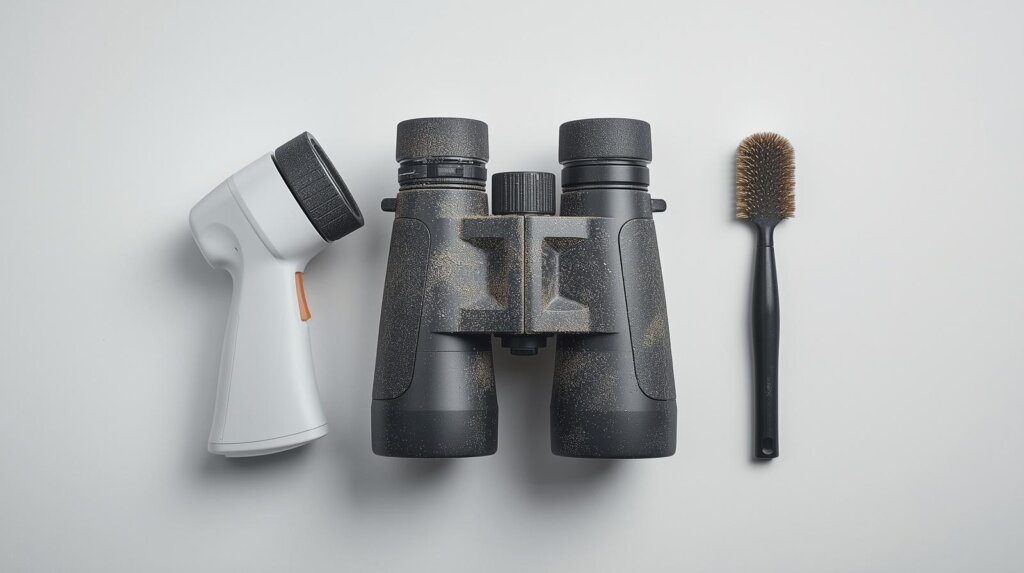
Different users need slightly different cleaning setups. Here is the practical breakdown.
| User Type | Best Brush Setup | Extra Tool Needed |
|---|---|---|
| Casual backyard viewer | Small retractable brush | Microfiber cloth |
| Bird watcher | Lens pen with brush | Microfiber cloth and blower |
| Hunter | Covered lens brush | Air blower and case |
| Hiker | Compact brush in pouch | Lens cloth |
| Marine user | Brush plus safe lens cloth | Lens cleaner for salt marks |
| Astronomy user | Ultra-soft brush | Blower for dust control |
For most people, a lens pen-style tool plus a clean microfiber cloth is enough. For dusty field use, add an air blower and keep everything in a small pouch.
That is the sweet spot: not overbuilt, not careless.
Lens Brush Care: Keep the Tool Clean Too
This part gets ignored.
A dirty brush can move dirt from your bag onto your lens. So yes, the cleaning tool needs basic care.
Keep the brush covered. Do not touch the bristles with oily fingers. Do not place it on dusty tables. Do not store it near sunscreen, food, bug spray, or cleaning liquid.
If the brush falls on dirt, do not use it right away. Tap it out gently or replace it if you are not sure. A cheap brush is easier to replace than scratched binocular lenses.
I also prefer keeping binocular cleaning tools in a small separate pouch. It stops your brush, cloth, and blower from becoming dirty inside a backpack.
Should Every Binocular Owner Have a Lens Cleaning Brush?
Yes, but with one condition: use it as part of a proper cleaning routine, not as a miracle tool.
A lens cleaning brush for binoculars is one of the most useful accessories because it handles the problem that causes many scratches: loose debris being wiped across coated glass.
If you already own a microfiber cloth, add a brush. If you already own a brush, add an air blower. If you own all three, you have a solid basic cleaning setup for most real-world binocular use.
For more practical care advice, check the main binocular cleaning tools page, then build out your kit with a safe microfiber cloth for binocular lenses and an air blower for cleaning binoculars.
You can also visit the blog tips page for more binocular care ideas, or go back to the BestBinocular.net home page.
Final Verdict
A lens cleaning brush for binoculars is not exciting gear. It will not make your binoculars brighter, lighter, or more powerful.
But it can help keep your lenses cleaner and safer for years.
That is the real value.
The best lens brush removes dust before you wipe, protects coated glass from unnecessary abrasion, fits easily in your gear pouch, and stays clean between uses. For most binocular owners, a retractable brush or lens pen-style cleaner is the smartest choice.
My simple rule: never wipe dusty binocular lenses first. Blow off loose debris, brush gently, then use a clean microfiber cloth only if the lens still needs it.
That one habit can save you from a lot of regret.
FAQs About Lens Cleaning Brush for Binoculars
What is the best lens cleaning brush for binoculars?
The best lens cleaning brush for binoculars is a soft, retractable brush made for optical lenses. A lens pen-style brush is a strong choice because it stays protected in your bag and often includes a cleaning tip for fingerprints and smudges.
Can a lens cleaning brush scratch binocular lenses?
A clean, soft lens brush should not scratch binocular lenses when used gently. The risk comes from dirty bristles, hard pressure, or brushing gritty particles like sand across the glass. Use an air blower first if the lens has visible grit.
Is a lens brush better than a microfiber cloth?
A lens brush is better for loose dust and dry particles. A microfiber cloth is better for fingerprints and smudges. For safe cleaning, use the brush before the cloth so you do not drag dust across the lens coating.
Can I use a makeup brush on binocular lenses?
It is better not to use a makeup brush on binocular lenses. Makeup brushes can hold oils, powders, and residue. Use a brush made for optical lenses, camera lenses, binoculars, or scopes.
How often should I clean binocular lenses with a brush?
Use a lens cleaning brush only when you see dust or loose debris that affects viewing or needs removal before wiping. Do not overclean binocular lenses. Less contact is usually safer for coated glass.
Should I use a lens cleaning brush before or after an air blower?
Use an air blower first when there is loose grit, sand, or visible dust. Then use the lens cleaning brush for particles that remain around the lens surface or edges.
Do I still need a microfiber cloth if I have a lens brush?
Yes. A brush removes dry particles, but it does not handle fingerprints, skin oil, or smudges well. A clean microfiber cloth is still needed for final lens cleaning.
Are lens cleaning pens safe for binoculars?
Good lens cleaning pens are generally safe for binoculars when they are made for optics and used correctly. Keep the brush and cleaning tip clean, avoid heavy pressure, and do not use them on wet mud or gritty lenses.




