
Best Lens Pen for Binoculars for Quick, Safe Field Cleaning
A lens pen for binoculars is one of those small accessories that feels boring until you actually need it.
You pull your binoculars out during a hike, hunting trip, football game, or early morning birding session, and suddenly the view looks soft. Not broken. Not low quality. Just hazy. Then you notice the fingerprints around the eyepiece, a little dust near the objective lens, maybe a greasy mark from adjusting focus with sweaty hands.
That is where a lens pen earns its place.
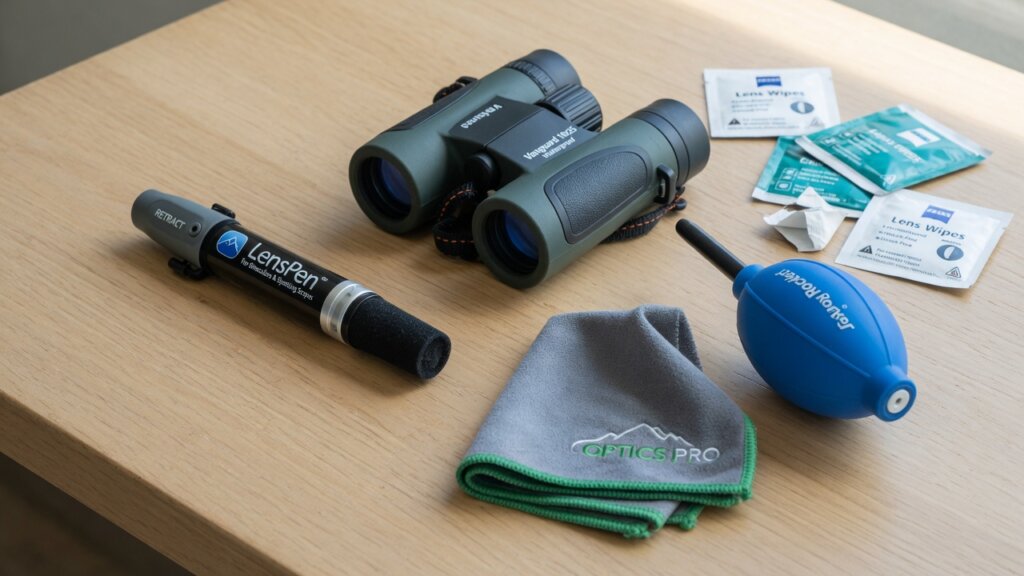
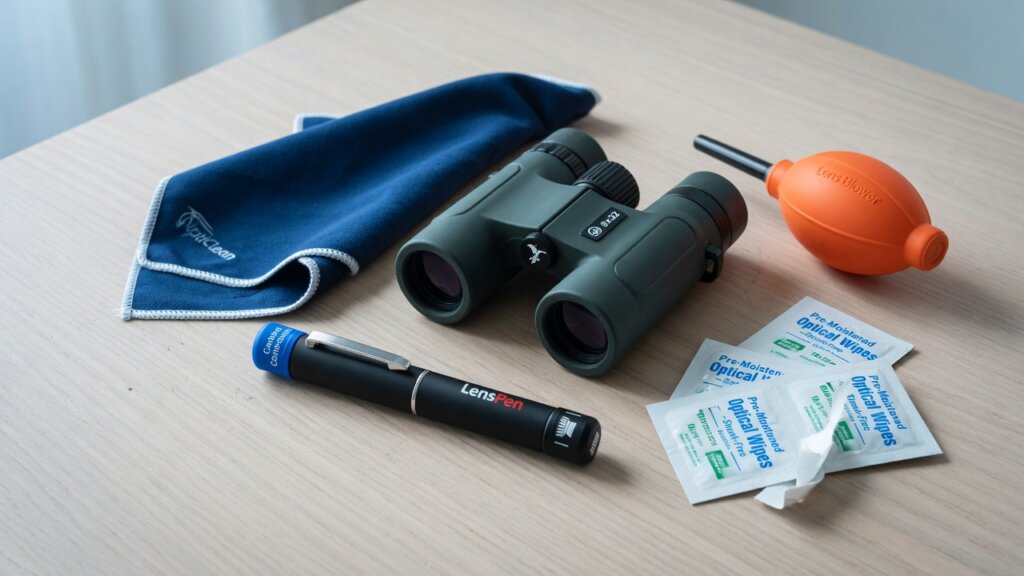
A good lens pen for binoculars gives you two useful tools in one pocket-size body: a soft brush for loose dust and a dry cleaning tip for light smudges. It is not a full cleaning kit. It is not a complete cleaning solution on its own. And no, it should not be rubbed aggressively over gritty lenses. But for quick, careful field cleaning, it is one of the easiest binocular cleaning tools to keep in your bag.
If you are building a proper optics care setup, start with our main binocular cleaning tools page, then use this article to decide whether a lens pen belongs in your everyday carry kit.
What Is a Lens Pen for Binoculars?
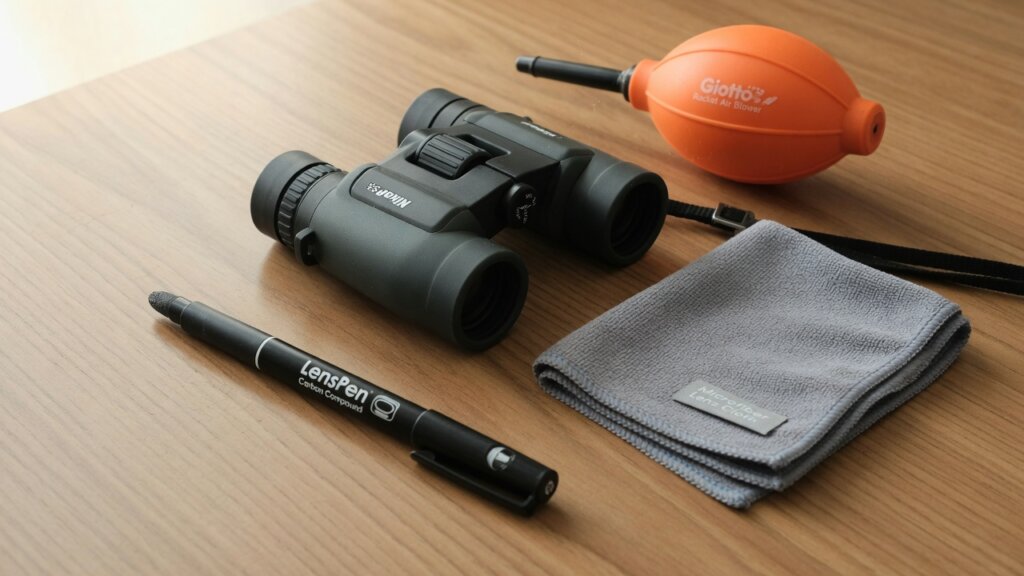
A lens pen for binoculars is a small pen-shaped cleaning tool made for optical glass. Most lens pens have a retractable brush on one end and a covered cleaning tip on the other.
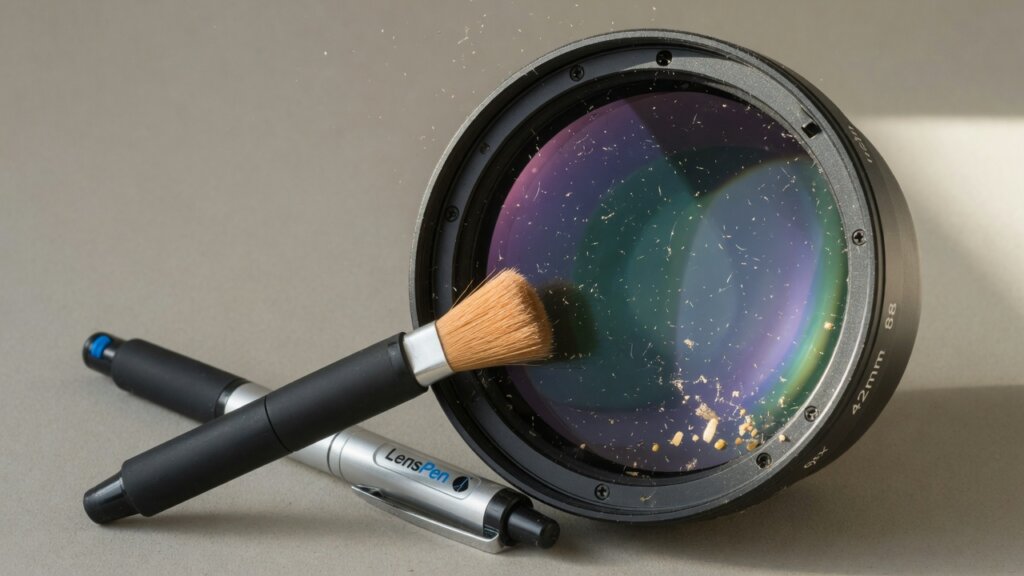
The brush is used first. It removes dry dust, pollen, lint, and tiny outdoor particles from the glass surface.
The cleaning tip is used second, only when needed. It is usually a soft, dry pad designed to lift light oil, fingerprints, and smudges from lenses without using liquid.
That two-step design is why lens pens are popular with people who use optics outside. Binoculars are handled more roughly than camera lenses. They hang around your neck, sit in chest harnesses, get passed between family members, and collect dust in backpacks.
A microfiber cloth helps, but it is not always the best first step. If dust or sand is sitting on the lens, wiping straight away can drag particles across the coating. A lens pen gives you a safer order: brush first, then clean.
Why Binocular Users Like Lens Pens
The main reason people buy a lens pen for binoculars is convenience.
You do not need liquid. You do not need a table. You do not need to unpack a full kit. You can clean a small smudge from an eyepiece while standing near your car, sitting in a blind, or taking a quick break on a trail.
That matters because binocular lenses get dirty in very specific ways.
Eyepieces collect eyelash oil, sunscreen residue, face moisture, and fingerprints. Objective lenses collect dust, mist, pollen, and fine debris when binoculars are carried uncovered. A lens pen handles the common “I need to fix this now” type of dirt better than a dry cloth alone.
It is especially useful for:
| Situation | Why a Lens Pen Helps |
|---|---|
| Bird watching | Removes light smudges without carrying liquids |
| Hunting | Works quietly and fits in a bino harness pocket |
| Hiking | Lightweight enough for small packs |
| Stadium use | Quick fix for fingerprints and dust |
| Travel | Easier than packing sprays and multiple cloths |
| Kids using binoculars | Helpful for cleaning accidental fingerprints |
A lens pen for binoculars is not about deep cleaning. It is about keeping your view usable when small marks start annoying you.
When a Lens Pen Works Best
A lens pen works best on light, everyday lens mess.
Think fingerprint haze. Think soft eyelash marks on the eyepiece. Think tiny dust particles after walking in dry weather. Think a little smudge from touching the glass while putting the lens cap back on.
It is not the tool I would grab first for dried mud, salt spray, sticky tree sap, or gritty sand. In those cases, you need more care, more patience, and usually other tools from a proper binocular cleaning tools setup.
Here is the simple rule I use:
If the dirt is loose, brush it.
If the dirt is oily, use the cleaning tip after brushing.
If the dirt is sticky or crusty, do not attack it with a lens pen.
That last part matters. A lens pen is soft, but it is still making contact with your lens coating. Your goal is always to touch optical glass as little as possible.
Lens Pen vs Microfiber Cloth vs Cleaning Wipes
A lot of people ask whether a lens pen is better than wipes or microfiber cloths. The honest answer: it depends on the mess.
Each tool has a different job.
| Cleaning Tool | Best For | Weak Point |
|---|---|---|
| Lens pen for binoculars | Dust, fingerprints, light smudges | Not ideal for wet or sticky dirt |
| Microfiber cloth | Final polish, light haze | Can drag grit if used too early |
| Cleaning wipes | Grease, heavy smudges, travel cleaning | Single-use and can leave streaks |
| Air blower | Loose dust before contact cleaning | Does not remove oil |
| Anti-fog spray | Fog control in humid/cold weather | Not a dust or fingerprint cleaner |
A lens pen is most useful between an air blower and a cloth. It is more controlled than rubbing with cloth alone, but less aggressive than using a wet wipe.
For greasy fingerprints, you may still want dedicated cleaning wipes for optical lenses because wipes can handle heavier oil better. For moisture and fogging issues, especially in cold mornings or humid areas, anti fog spray for binoculars is the better tool.
The lens pen fits into the middle: quick, dry, portable, and practical.
How to Use a Lens Pen Without Scratching Binocular Lenses
This is where many users make a common cleaning mistake.
They treat a lens pen like an eraser and start rubbing hard. This can increase the risk of scratches.
A lens pen for binoculars should be used gently. The brush end should always come first. Loose dust is the enemy. If you skip the brush and go straight to the cleaning tip, you risk moving tiny particles across the lens surface.
The safer process is simple:
- Hold the binoculars with the lens facing slightly downward.
- Use the retractable brush to sweep dust away.
- Check the lens under light.
- Use the cleaning tip only on visible smudges.
- Move in light circles from the center outward.
- Stop once the smudge is gone.
Do not press hard. Do not clean the same spot endlessly. Do not use the tip if it looks dirty, oily, cracked, or gritty.
A lens pen is useful because it is controlled. The moment you use too much pressure, you lose that advantage.
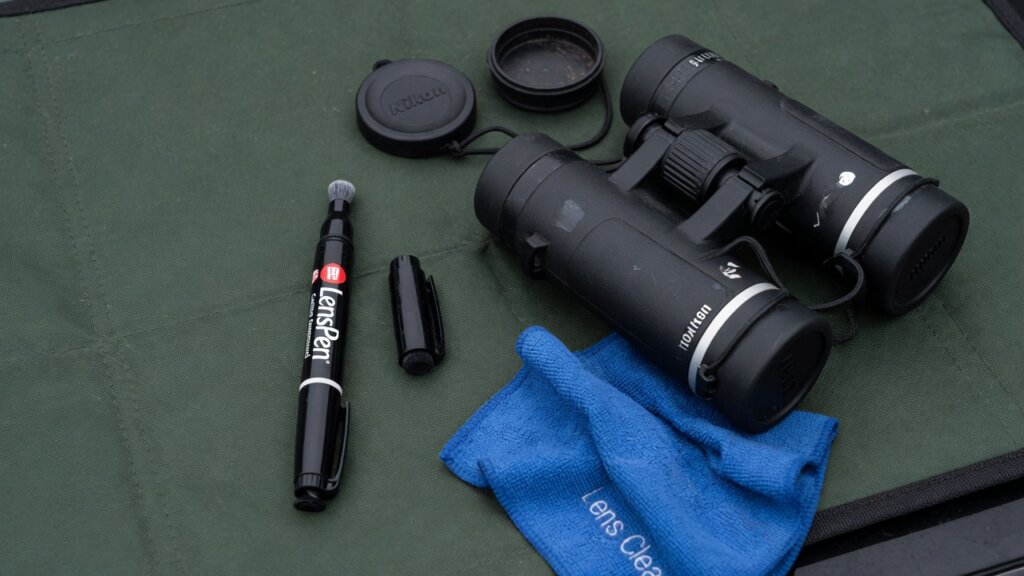
Best Product Pick: LensPen Original
If you want one reliable product to start with, the LensPen Original is the easiest recommendation.
It is widely known in camera and optics cleaning circles, and it makes sense for binocular users because it has both a retractable dust-removal brush and a dry non-liquid cleaning element. The official LensPen product page also describes it as suitable for binocular lenses, spotting scopes, telescopes, eyepieces, and other optical items, with a 12mm round cleaning tip and a slightly concave shape for lens surfaces.
This shape can be useful because binocular lenses are slightly curved.. Binocular lenses are not perfectly flat, so a slightly concave cleaning tip can feel more natural on curved glass than a flat pad.
B&H also lists the LensPen Lens Cleaner as a small pen-shaped optics tool with a retractable brush, non-liquid cleaning element, and 12mm concave tip designed for lenses, eyepieces, scopes, and binoculars.
Why I Like It
The LensPen Original is simple. No spray bottle. No complicated kit. No bulky case. It slips into a binocular harness, camera pouch, glove box, or backpack pocket.
It is best for people who use binoculars often enough that fingerprints and dust are a normal problem, but not so heavily that they need a full professional cleaning station every time.
Where It Is Not Perfect
It is not the best tool for cleaning large amounts of grime. It also needs to be replaced when the tip becomes worn or dirty. A lens pen is not something you should keep using forever just because the outside still looks fine.
Pros and Cons of Using a Lens Pen for Binoculars
Pros
- Easy to carry in a bag or pocket.
- Works without liquid or spray.
- Good for quick field cleaning.
- Brush end removes loose dust safely.
- Useful in cold, dry, or outdoor conditions.
Cons
- Not suitable for mud, salt spray, or sticky residue.
- Dirty brush or cleaning tip can damage lenses.
- Must be used gently and patiently.
- Not a complete cleaning kit replacement.
Common Mistakes People Make With Lens Pens
The biggest mistake is using the cleaning tip before removing dust.
That is exactly how small scratches can happen. Dust may look harmless, but some outdoor particles are harder than you think. Always brush first.
Another mistake is breathing on the lens and then using the pen. A little fog may seem harmless, but moisture can turn dust into a messy film. If you need moisture-based cleaning, use proper optical wipes instead of improvising.
People also forget to clean the eyepieces. Eyepieces usually get dirtier than objective lenses because they sit close to your face. If your view looks cloudy, check the eyepiece first.
One more thing: do not share one dirty lens pen across everything. If you used it on dusty range optics, sandy beach binoculars, or old gear from storage, do not immediately use the same tip on expensive coated lenses without checking it carefully.
Real-World Use Cases
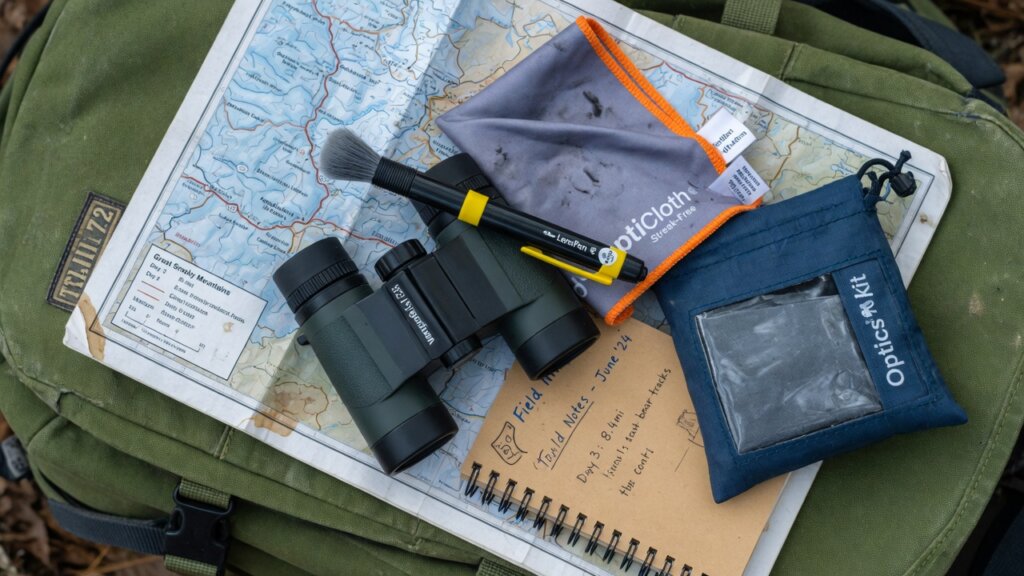
For Bird Watching
A lens pen for binoculars is great for early morning birding when lenses pick up moisture, dust, and fingerprints during repeated handling.
Keep it in the side pocket of your bag. Use the brush if pollen or dust lands on the objective lens. Use the tip only if you notice a smudge affecting the view.
For more complete field kits, connect this with the main binocular cleaning tools article so you can build a cleaning setup that covers dust, oil, fog, and storage.
For Hunting
A lens pen works well because it is quiet, compact, and dry. No crinkly wipe packet. No spray bottle. No strong liquid smell.
The brush end is the most useful part in dusty areas. If your binoculars sit in a chest harness all day, tiny debris can still reach the lenses when the flap opens and closes.
For Travel
Travel binoculars get handled a lot. They go through bags, hotel rooms, rental cars, and sightseeing stops. A lens pen helps with quick cleaning without carrying extra liquids through your gear.
Pair it with a microfiber cloth and a small air blower if you want a cleaner setup without overpacking.
For Sports and Events
At stadiums or outdoor events, fingerprints are the main problem. Someone borrows your binoculars, touches the eyepiece, and now the view looks cloudy.
A lens pen fixes that faster than digging through a full cleaning kit.
Buyer Tips Before You Choose a Lens Pen
Look for a lens pen that is made for optics, not just general dusting. The cleaning tip should be soft, capped, and designed for coated lenses.
Size also matters. A full-size lens pen is better for standard binocular objective lenses. Smaller mini pens may work better for eyepieces or compact optics, but they can feel slow on larger lenses.
The cap should fit securely. If the cleaning tip is exposed in your bag, it can collect dust and become useless.
Also check the brush. It should retract fully and feel soft. A stiff or rough brush has no business touching binocular glass.
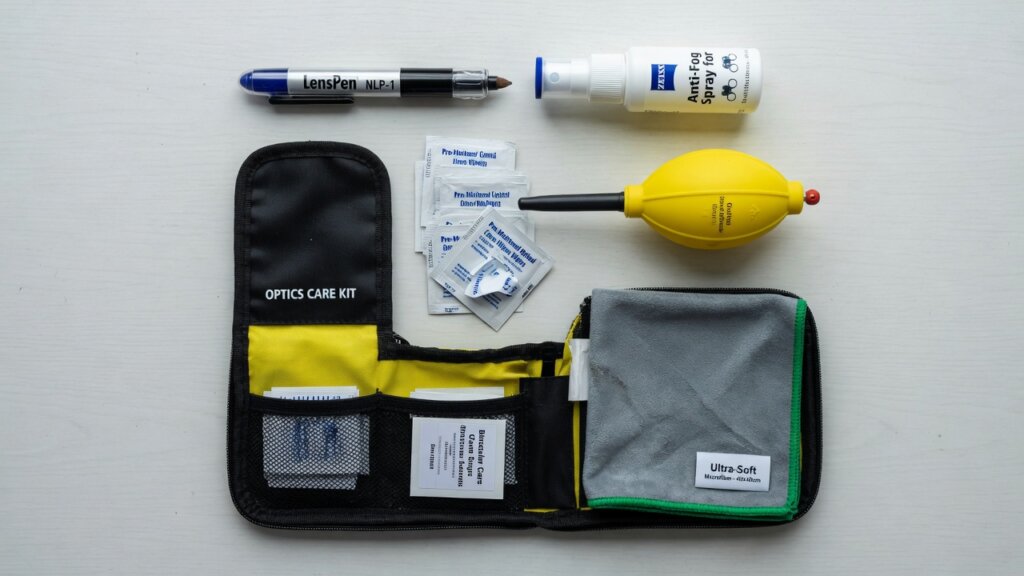
If you already use cleaning wipes or anti-fog products, a lens pen does not replace them. It completes the kit. Use wipes for stronger cleaning, anti-fog spray for condensation issues, and the lens pen for dry field maintenance.
Lens Pen Maintenance: Keep the Tool Clean Too
A lens pen for binoculars only works well if the pen itself stays clean.
Keep the cap on. Store it in a pouch, not loose at the bottom of a dusty backpack. Do not touch the cleaning tip with your fingers. Do not use it on wet lenses. Do not use it on mud, food marks, or anything sticky.
If the brush collects dust, flick it gently away from your optics before using it again. If the tip starts smearing instead of cleaning, replace the pen.
This is one of those small habits that separates careful binocular owners from people who accidentally damage coatings while “cleaning.”
Should Every Binocular Owner Buy a Lens Pen?
Not every binocular owner needs one, but most regular users will benefit from having one.
If you only use binoculars twice a year from your porch, a microfiber cloth and safe storage may be enough. But if you take binoculars outdoors, travel with them, use them for wildlife viewing, or keep them in a vehicle, a lens pen is worth carrying.
It is small, affordable, and genuinely useful when used correctly.
The key is knowing its role. A lens pen for binoculars is not a deep-cleaning tool. It is a quick maintenance tool. Use it for dust and light smudges, not heavy grime.
FAQs About Lens Pen for Binoculars
Is a lens pen safe for binocular lenses?
Yes, a quality lens pen for binoculars can be safe when used correctly. Always brush away loose dust first, use light pressure, and avoid using the cleaning tip on gritty, wet, or sticky dirt.
Can a lens pen scratch binocular lenses?
The pen itself is designed to be gentle, but scratches can happen if dust, sand, or grit gets dragged across the lens. That is why the brush step matters so much.
Is a lens pen better than a microfiber cloth?
A lens pen is better for controlled dust removal and small smudges. A microfiber cloth is better for final polishing. For the safest setup, use both instead of choosing only one.
Can I use a camera lens pen on binoculars?
Yes, many camera lens pens work well on binoculars as long as they are designed for coated optical glass. Avoid cheap, rough, or unbranded cleaning pens that do not clearly mention optics use.
How often should I use a lens pen on binoculars?
Use it only when needed. Over-cleaning is not good for lenses. If the view is clear, leave the glass alone. Clean only visible dust, fingerprints, or smudges that affect viewing.
Should I use a lens pen before or after cleaning wipes?
Use the lens pen brush before wipes if there is loose dust. For oily or heavier marks, use cleaning wipes for optical lenses instead of forcing the lens pen to do too much.
Does a lens pen stop binoculars from fogging?
No. A lens pen cleans dust and smudges. For fogging problems, use anti fog spray for binoculars and follow proper storage habits.
Final Verdict: Is a Lens Pen for Binoculars Worth It?
A lens pen for binoculars is worth it if you want a fast, dry, field-friendly way to remove light dust and fingerprints from your lenses.
It is not the only cleaning tool you need, but it is one of the most practical. The brush helps remove loose particles before they become a scratch risk. The cleaning tip helps clear small smudges without reaching for liquid. And because it fits almost anywhere, you are more likely to have it when your binoculars actually need attention.
For the best setup, pair a lens pen with an air blower, microfiber cloth, optical wipes, and fog-control products. You can explore more practical care advice on our blog page or visit bestbinocular.net for more binocular buying and maintenance content.




