
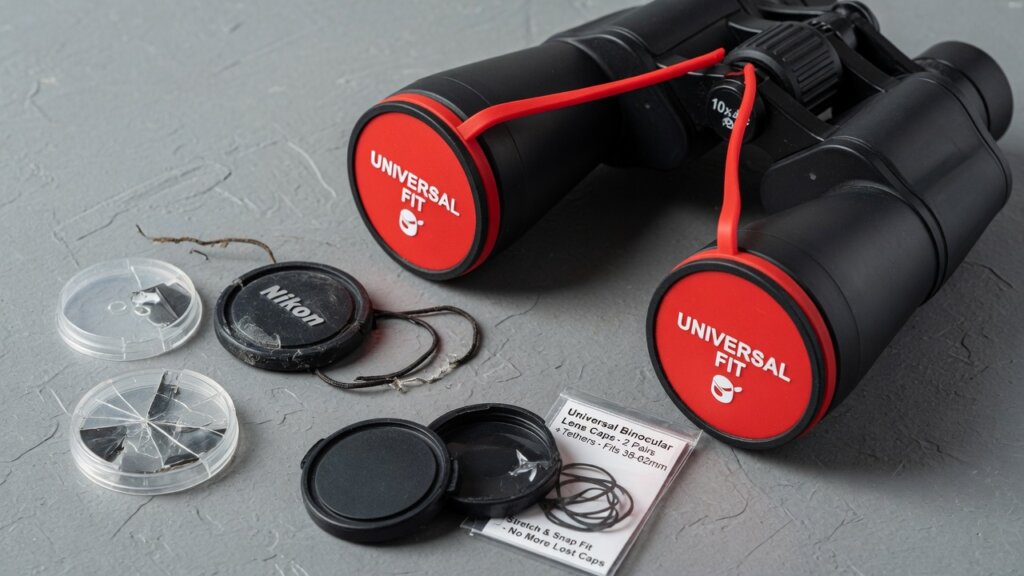
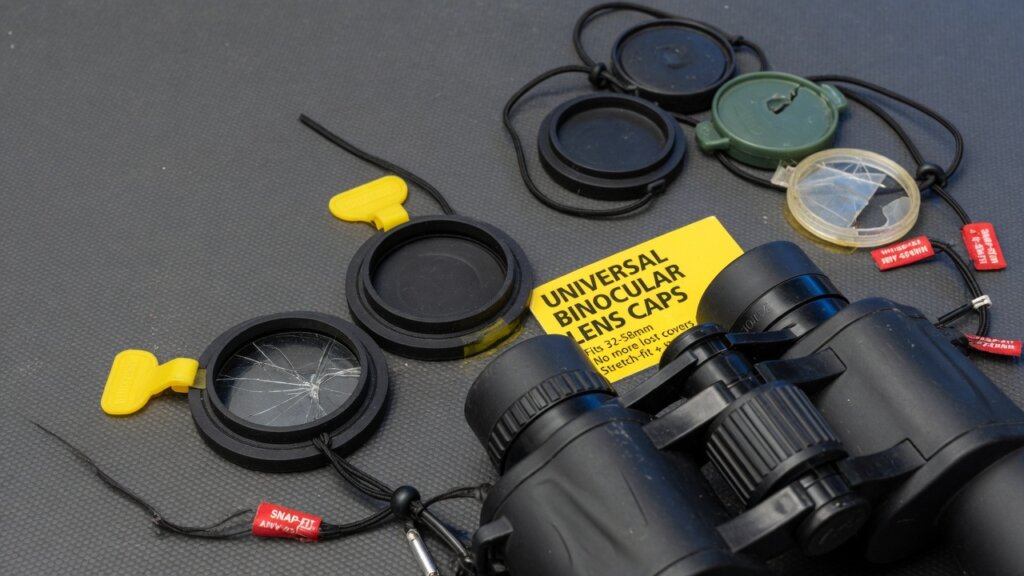
Why Universal Binocular Lens Caps Are a Smart Replacement Choice
Universal binocular lens caps are made for one simple problem: your original binocular caps are gone, cracked, too loose, or annoying to replace. Instead of hunting for an exact brand-specific cap, a universal cap gives you a flexible replacement that can fit many binocular models when the size is matched correctly.
And honestly, this is one of those small accessories people ignore until dust, rain, fingerprints, or bag scratches start messing with their lenses.
A good pair of binoculars can last years. Cheap, badly fitting caps can make them feel frustrating in one weekend.
That’s why universal binocular lens caps make sense for bird watchers, hikers, hunters, travelers, marine users, stadium viewers, and anyone who keeps binoculars in a backpack, glove box, range bag, or camera case.
What Are Universal Binocular Lens Caps?
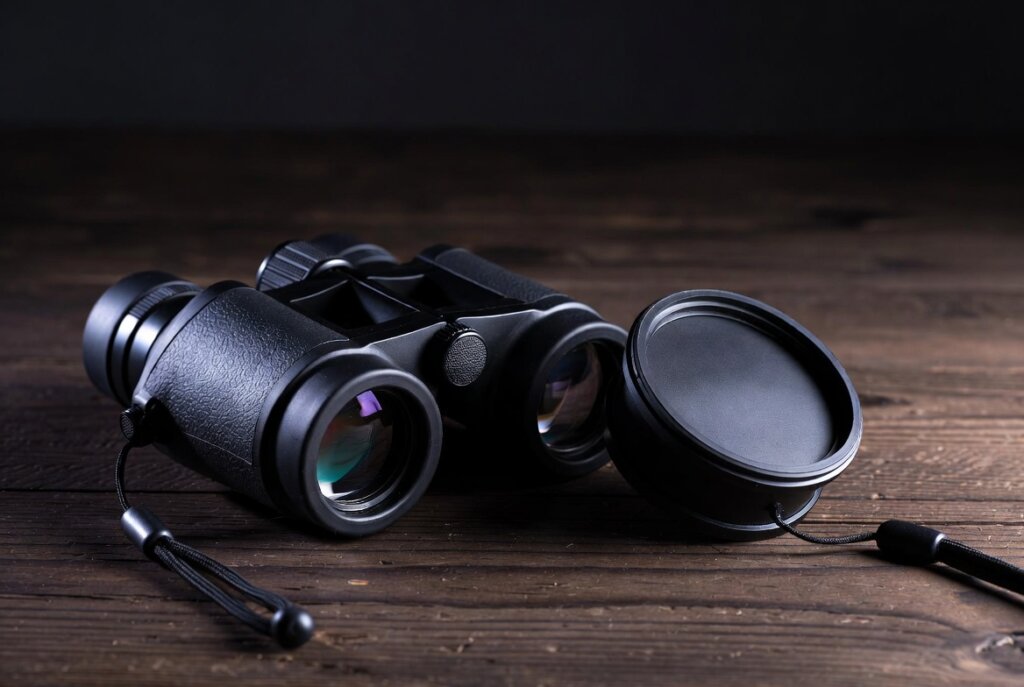
Universal binocular lens caps are replacement caps designed to fit a range of binocular sizes instead of one exact model. Most are made from rubber, silicone, plastic, or flexible polymer. Some slip over the objective lenses. Others cover the eyepieces. Some include tethers so they stay attached to the binocular body.
The main idea is flexibility.
Instead of searching for “replacement lens cap for XYZ 10×42 binoculars,” you look for a universal cap that matches your binocular’s lens diameter.
That sounds easy, but here’s the catch: universal does not mean one-size-fits-everything.
It means the cap is designed to fit a range.
A universal 42mm objective cap may work beautifully on one 10×42 binocular but feel slightly loose on another because brands use different housing thicknesses around the glass. That tiny difference matters.
For a deeper comparison of cap types, read our complete guide on best binocular lens caps before choosing a final option.
Why People Buy Universal Binocular Lens Caps
Most people are not buying universal binocular lens caps because they want something fancy. They buy them because something went wrong.
Maybe the original caps fell off during a hike. Maybe the eyepiece cover snapped after years of use. Maybe the binoculars came with cheap covers that never stayed in place. Or maybe you bought second-hand binoculars and the previous owner lost the caps.
That’s common.
Binocular lens caps are small, easy to misplace, and usually not the most durable part of the setup.
The real job of universal binocular lens caps is protection without drama. They should stay on when packed, come off quickly when needed, and not make you baby your binoculars every time you move.
Objective Caps vs Eyepiece Caps: Know What You Need
Before buying universal binocular lens caps, figure out which side needs protection.
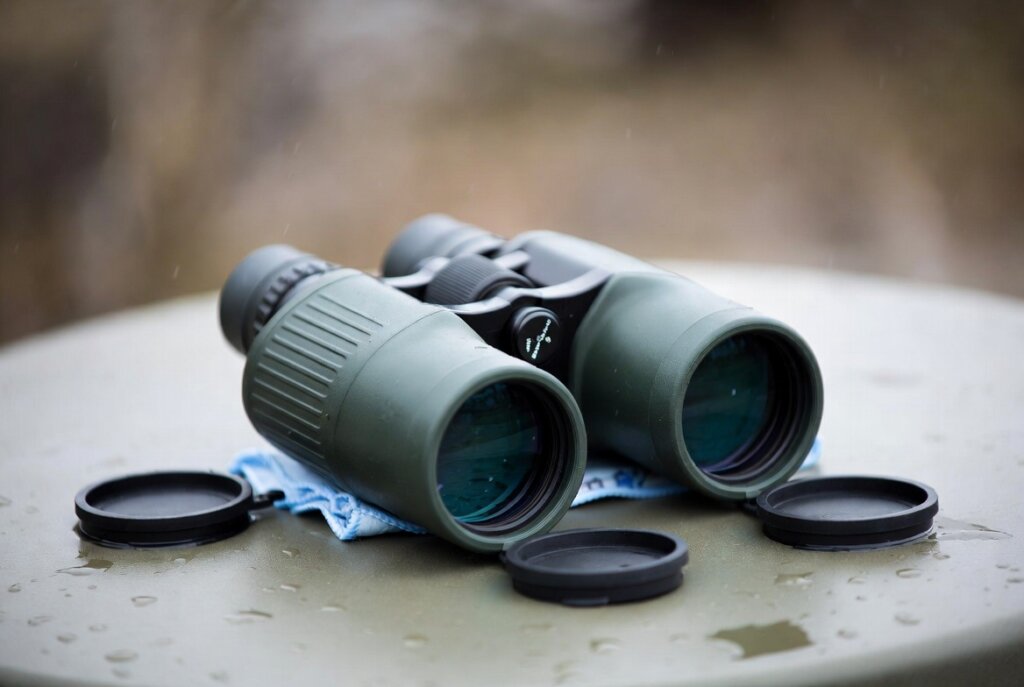
Objective caps cover the large front lenses. These are the lenses facing the subject. They are more exposed to rain, mud, dust, brush, and accidental bumps.
Eyepiece caps cover the smaller lenses near your eyes. These protect against fingerprints, sweat, dust, and scratches from storage.
Some people only replace the objective caps because those are the ones that fall off most often. But if you carry binoculars loose in a bag, eyepiece caps matter just as much.
| Cap Type | Covers | Best For | Common Issue |
|---|---|---|---|
| Objective lens caps | Front lenses | Outdoor use, hiking, hunting, birding | Can slip off if size is wrong |
| Eyepiece lens caps | Rear lenses | Storage, travel, dusty places | May feel bulky or loose |
| Tethered caps | Usually objective side | Field use where caps get lost | Tether can get in the way |
| Rainguard caps | Eyepiece side | Wet weather and quick viewing | Fit varies by eyecup design |
If you lose caps often, tethered options are usually smarter. Read this supporting article on tethered binocular lens caps for a better breakdown of when attached caps are worth it.
The Fit Problem Nobody Talks About
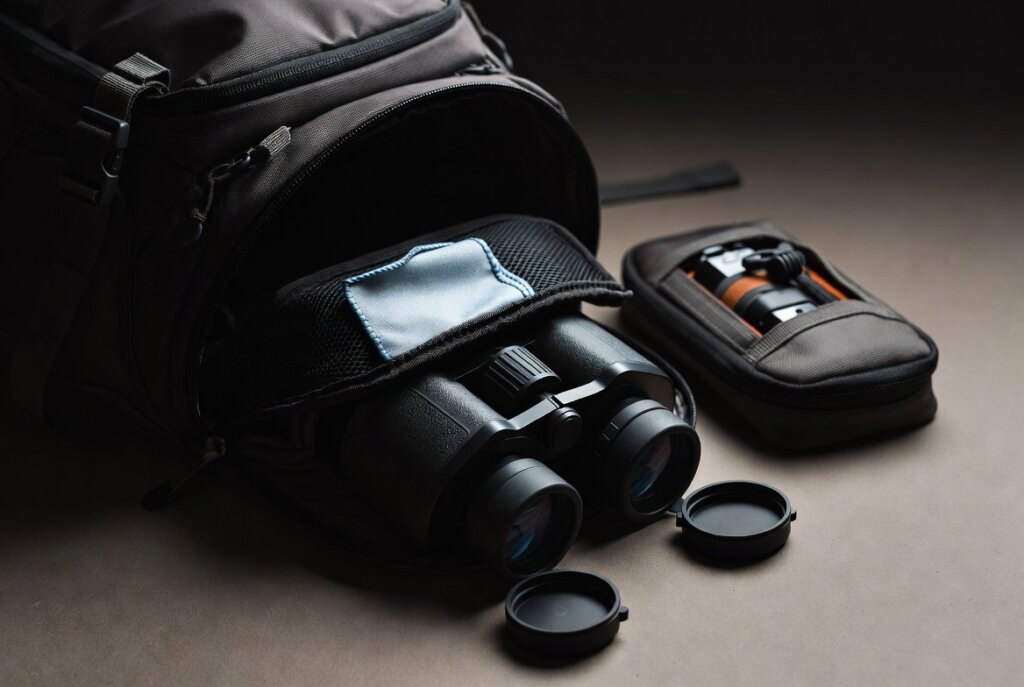
The biggest mistake with universal binocular lens caps is buying by binocular magnification instead of cap diameter.
A 10×42 binocular does not automatically need a 42mm cap.
The “42” refers to the objective lens size, not the outside diameter of the binocular barrel. The cap usually fits over the outer rim, so you need to measure the outside edge, not only the glass.
This is where many people mess up.
They see 8×42 or 10×42 and order a 42mm cap. Then the cap arrives and either stretches too hard or falls off in the case. Annoying, but avoidable.
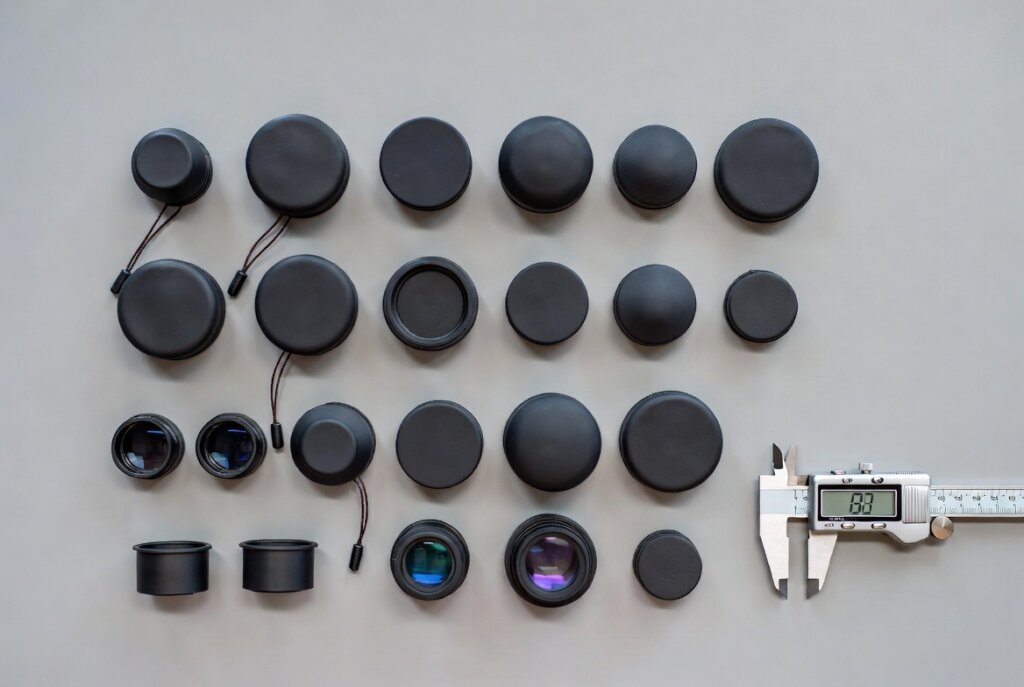
The better move is to measure the outside diameter of the lens barrel in millimeters. A simple ruler can work, but a digital caliper gives a cleaner measurement.
For universal binocular lens caps, a slightly flexible rubber cap is more forgiving than hard plastic. That’s why many outdoor users prefer rubber binocular lens caps, especially when the binocular housing is not perfectly standard. You can learn more in this article on rubber binocular lens caps.
Best Real-World Uses for Universal Binocular Lens Caps
Universal binocular lens caps are not just for replacing missing parts. They solve different problems depending on how you use your binoculars.
For Bird Watching
Bird watchers often remove and replace caps repeatedly. A loose cap becomes irritating fast. A tight cap slows you down when a bird lands for only a few seconds.
For birding, soft rubber or tethered universal binocular lens caps usually make the most sense. You want fast access and quiet handling. Hard plastic caps can click, scrape, or feel clumsy when you are trying to stay still.
For Hunting
Hunters need caps that stay put in brush, cold weather, and muddy conditions. Tethered caps are helpful because dropping a cap in leaves or snow is basically game over.
A low-profile rubber cap is better than a bulky cap that catches on straps or clothing.
For Hiking and Travel
If your binoculars live in a backpack, universal binocular lens caps are cheap insurance. Even if your lenses are coated and durable, constant rubbing against keys, zippers, chargers, or snacks is not ideal.
Travel users should look for caps that fit securely but are easy to remove at viewpoints, stadiums, safaris, or scenic overlooks.
For Marine and Wet Weather Use
Moisture changes everything. Wet fingers, salt air, spray, and fog can make lens care harder.
Rubber caps are usually better than rigid plastic near water because they grip well and handle damp use better. A cap that falls off on a boat is not coming back.
Pros and Cons of Universal Binocular Lens Caps
Universal binocular lens caps are useful, but they are not perfect.
| Pros | Cons |
|---|---|
| Easier to find than brand-specific replacement caps | Fit may not be exact on every binocular |
| Usually affordable | Some cheap caps loosen over time |
| Available in rubber, silicone, plastic, and tethered styles | Wrong measurement leads to poor fit |
| Good for older or second-hand binoculars | May not match the original look |
| Helpful for field use and travel | Tethers can annoy some users |
My honest take: universal caps are worth buying when the original replacement is overpriced, discontinued, or hard to find. But if you own premium binoculars and the brand sells exact replacement caps, those may still fit cleaner.
Universal binocular lens caps win on convenience and cost. Brand-specific caps win on precision.
Recommended Product: Opticron Universal Rubber Objective Lens Caps
A solid option to consider is Opticron Universal Rubber Objective Lens Caps.
They make sense for users who want a simple, flexible replacement cap instead of a stiff plastic cover. The rubber design is useful because it can grip the binocular barrel better than thin hard plastic, especially if your binoculars have slightly thicker housing around the front lenses.
Best fit: outdoor users, bird watchers, hikers, and anyone replacing missing objective caps on standard-size binoculars.
Before buying, measure your binocular’s outside objective barrel diameter and match it with the product’s listed size range. That one step saves you from the classic “almost fits but not really” problem.
Universal vs Brand-Specific Lens Caps
Here’s the clean comparison.
| Feature | Universal Binocular Lens Caps | Brand-Specific Lens Caps |
|---|---|---|
| Fit | Good if measured correctly | Usually exact |
| Price | Often cheaper | Often more expensive |
| Availability | Easier to find | Can be hard for older models |
| Appearance | May look generic | Matches original design |
| Best For | Lost caps, older binoculars, backup sets | Premium binoculars, exact replacements |
If you use binoculars casually, universal binocular lens caps are usually enough.
If you own expensive optics and want everything to feel factory-original, brand-specific caps may be worth the extra cost.
But for most people? A well-sized universal rubber cap does the job without making it complicated.
Buyer Psychology: What Actually Matters
Most buyers focus on price first. That’s understandable because lens caps seem like a small accessory.
But the cheapest cap is not always the best value.
A cap that falls off twice during one trip is already a bad purchase. A cap that is too tight and makes you fight your binoculars every time is also a bad purchase.
The best universal binocular lens caps should feel boring in the best way. You put them on. They stay there. You remove them quickly. They do not crack after a few outings.
That’s the standard.
Don’t chase fancy packaging. Don’t overthink the brand name. Fit, material, and usability matter more.
Common Mistakes When Buying Universal Binocular Lens Caps
Buying the Lens Number Instead of Measuring
This is the big one.
A 10×42 binocular does not always need a 42mm outside cap. Measure the outside barrel.
Ignoring the Eyepiece Side
People protect the front lenses but leave the eyepieces exposed. Sweat, dust, and fingerprints collect there fast.
Choosing Hard Plastic for Rough Outdoor Use
Hard plastic can work for storage, but it is not always best for field use. Rubber handles bumps and slight size differences better.
Buying Caps Without Thinking About Storage
If your binoculars go inside a tight case, bulky caps may make the fit annoying.
Assuming “Universal” Means Perfect
Universal means adaptable, not magical. The measurement still matters.
When Tethered Universal Lens Caps Are Better
Tethered caps are best when losing caps is your biggest problem.
If you hike, hunt, kayak, camp, or use binoculars from a moving vehicle, tethered caps can save you a lot of frustration. They hang from the binoculars when removed, so you are not stuffing caps into pockets or dropping them in dirt.
The downside is that some people hate dangling accessories. In windy conditions, loose caps can tap against the body of the binoculars. During quiet wildlife viewing, that can be irritating.
So here’s the practical rule:
Use tethered caps for active outdoor movement. Use simple slip-on caps for clean storage, travel bags, and casual use.
Are Universal Binocular Lens Caps Worth It?
Yes, universal binocular lens caps are worth it when you choose the correct size and material.
They are especially useful for:
- Replacing lost original caps
- Protecting second-hand binoculars
- Keeping backup caps in a gear bag
- Covering older binoculars with discontinued parts
- Avoiding expensive brand-specific replacements
- Improving field convenience with tethered designs
They are less ideal when you want a perfect factory look or exact fit on premium binoculars.
For most regular users, though, universal binocular lens caps are a smart, low-cost fix. They protect your glass, keep dust away, and make your binoculars easier to carry without stress.
Final Buying Tips
Measure before buying. That is the whole game.
Choose rubber or silicone if you want forgiveness in fit. Pick tethered caps if you often lose small accessories outdoors. Consider a rainguard-style eyepiece cover if you use binoculars in wet or dusty conditions.
And do not wait until your lenses are already scratched to care about caps. Lens caps are boring until they save your optics.
For more accessory ideas and practical binocular care content, visit the Best Binocular homepage or browse more helpful posts on the blog page.
FAQs About Universal Binocular Lens Caps
What are universal binocular lens caps?
Universal binocular lens caps are replacement caps designed to fit multiple binocular models within a certain size range. They are commonly used when original caps are lost, damaged, discontinued, or too expensive to replace.
Do universal binocular lens caps fit all binoculars?
No. Universal binocular lens caps do not fit every binocular. They fit a range of sizes, so you must measure the outside diameter of your binocular lens barrel before buying.
How do I measure binoculars for universal lens caps?
Measure the outside diameter of the objective lens barrel, not just the glass lens size. A digital caliper gives the most accurate result, but a millimeter ruler can work for basic sizing.
Are rubber binocular lens caps better than plastic caps?
Rubber binocular lens caps are usually better for outdoor use because they grip well, flex slightly, and handle bumps better. Plastic caps can work for storage but may crack or fit less securely.
Should I buy tethered universal binocular lens caps?
Tethered universal binocular lens caps are a good choice if you often lose caps during hiking, hunting, bird watching, or travel. They stay attached to the binoculars, but some users find the dangling caps annoying.
Can universal binocular lens caps protect coated lenses?
Yes. Universal binocular lens caps help protect coated lenses from dust, fingerprints, scratches, moisture, and storage damage. They do not replace proper cleaning, but they reduce how often your lenses get dirty.
Are universal binocular lens caps good for expensive binoculars?
They can be, but brand-specific caps may fit better on premium binoculars. Universal caps are best when original replacements are unavailable, overpriced, or easy to lose.
What is the best material for universal binocular lens caps?
For most users, soft rubber or silicone is the best material because it grips well and allows a little flexibility. Hard plastic is better for simple storage but less forgiving in rough outdoor use.




