
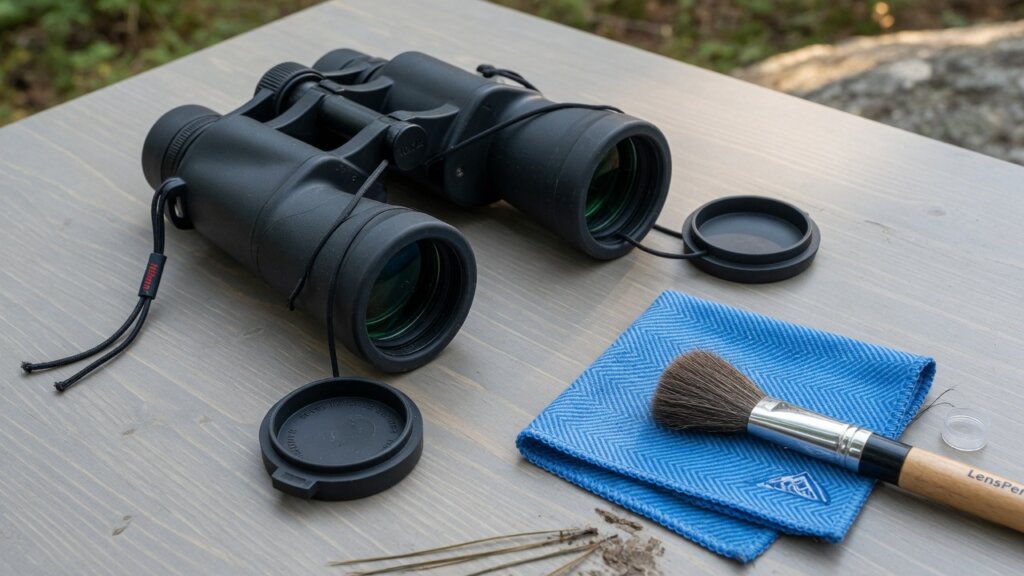
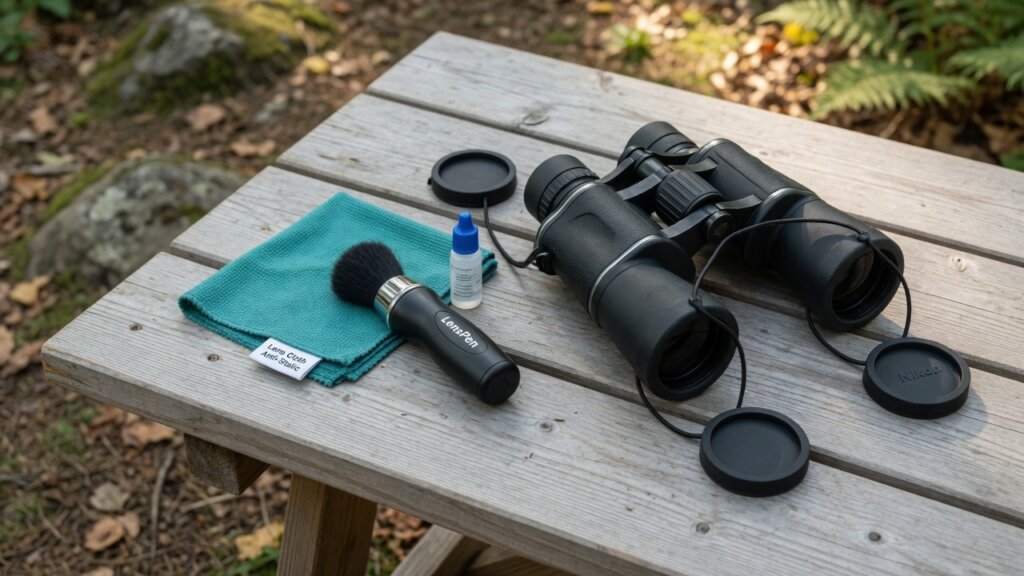
Why Rubber Binocular Lens Caps Are Better for Outdoor Use
Rubber binocular lens caps look simple, but anyone who actually carries binoculars in the field knows they can decide whether your lenses stay clean or become a dusty, scratched headache. A pair of binoculars may have sharp glass, premium coatings, and a comfortable grip, but without dependable caps, the exposed lenses take the punishment first.
I like rubber binocular lens caps because they are flexible, quiet, easy to handle with cold fingers, and less annoying than hard plastic covers that crack, pop off, or disappear inside a backpack. For hiking, hunting, travel, wildlife watching, marine use, and general outdoor carry, rubber caps usually make more sense than loose plastic covers.
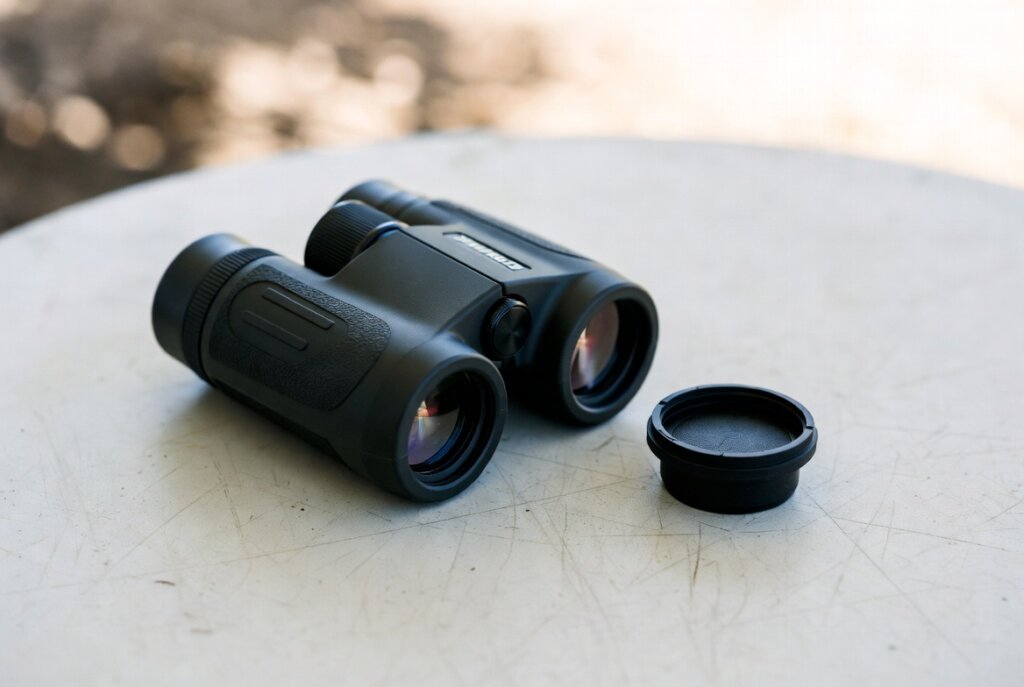
Why Rubber Binocular Lens Caps Matter More Than People Think
Most buyers focus on magnification, lens diameter, prism type, and waterproofing. Lens caps are treated like a boring accessory until the first trip where sand, dust, rain, or fingerprints get involved.
Rubber binocular lens caps protect the objective lenses and eyepieces when binoculars are not in use. That sounds obvious, but the real benefit is not just “covering glass.” The real benefit is reducing cleaning frequency. Every time you wipe a lens in the field, you risk dragging fine grit across the coating. Good caps reduce that risk before it starts.
A good cap should feel slightly snug, not painfully tight. It should stay on while walking, driving, packing, and pulling binoculars out of a case. But it should also come off quickly when you need to glass a ridge, watch a distant boat, or scan a stadium from your seat.
That balance is where rubber binocular lens caps beat many cheaper alternatives.
Rubber vs Plastic Binocular Lens Caps
Plastic lens caps are common on budget binoculars. They work indoors or for casual storage, but they often feel loose, noisy, or brittle in real outdoor conditions.
| Feature | Rubber Binocular Lens Caps | Plastic Lens Caps |
|---|---|---|
| Grip on lens barrel | Usually better | Often looser |
| Noise level | Quiet in field use | Can click or rattle |
| Durability | Flexible and impact-resistant | Can crack over time |
| Weather handling | Better in cold and wet conditions | Can become stiff |
| Best for | Outdoor use, travel, hunting, hiking | Basic storage |
Rubber binocular lens caps are not always perfect. Some soft rubber caps can stretch over time, especially if they are constantly pulled sideways. But for real use, I would rather replace a stretched rubber cap after heavy service than deal with a hard plastic cover that falls off every third walk.
Where Rubber Binocular Lens Caps Work Best
Hiking and Backpacking
On a trail, binoculars bounce against your chest, rub against jackets, and get exposed to dust. Rubber binocular lens caps are useful here because they grip better and absorb movement quietly.
Loose caps are frustrating when you are climbing or walking fast. You do not want to stop every few minutes to check whether the front objective covers are still attached. A snug rubber fit gives peace of mind.
Hunting and Low-Noise Use
For hunters, noise matters. A plastic cap snapping against a barrel or clicking inside a case can be irritating at the wrong moment. Rubber binocular lens caps are quieter, especially tethered versions that hang down softly when removed.
This is one reason many serious outdoor users prefer rubber accessories even when the binocular body itself is premium.
Travel and Safari-Style Trips
Travel is hard on optics. Binoculars go in hand luggage, day packs, vehicles, hotel drawers, and sometimes dusty roadside stops. Rubber binocular lens caps help keep lenses protected between short viewing sessions.
For travel binoculars, I prefer caps that are tethered or semi-attached. Loose caps are easy to lose in airports, vehicles, and crowded viewing spots.
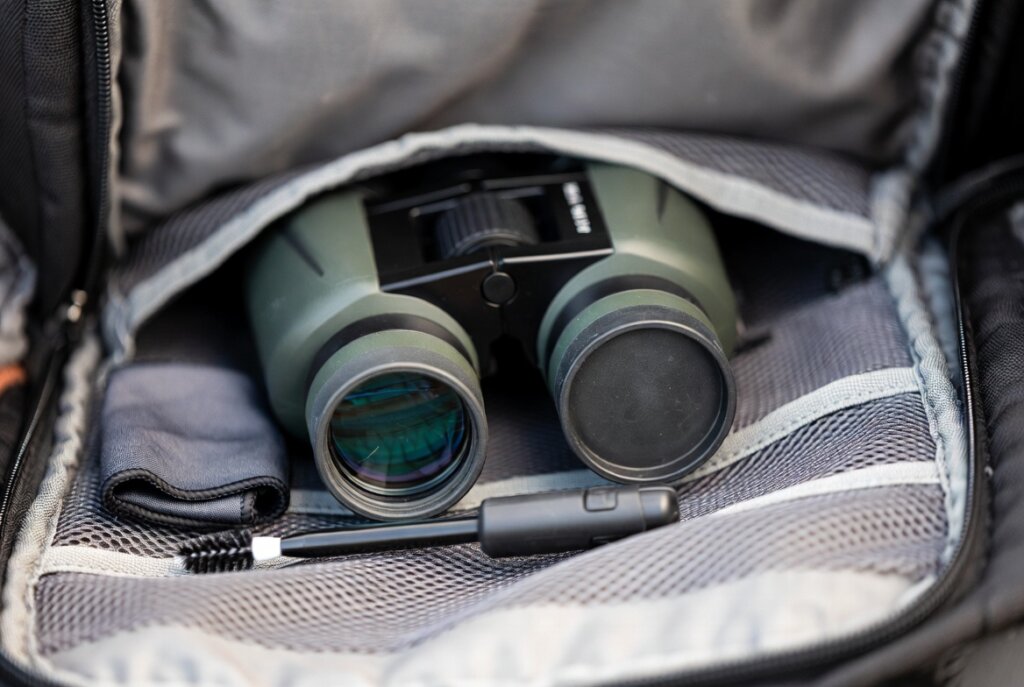
What Size Rubber Binocular Lens Caps Do You Need?
This is where many buyers make mistakes. The size is not based only on the binocular’s advertised number, such as 8×42 or 10×50. That second number tells you the objective lens diameter, but the cap fits around the outside barrel, not just the glass.
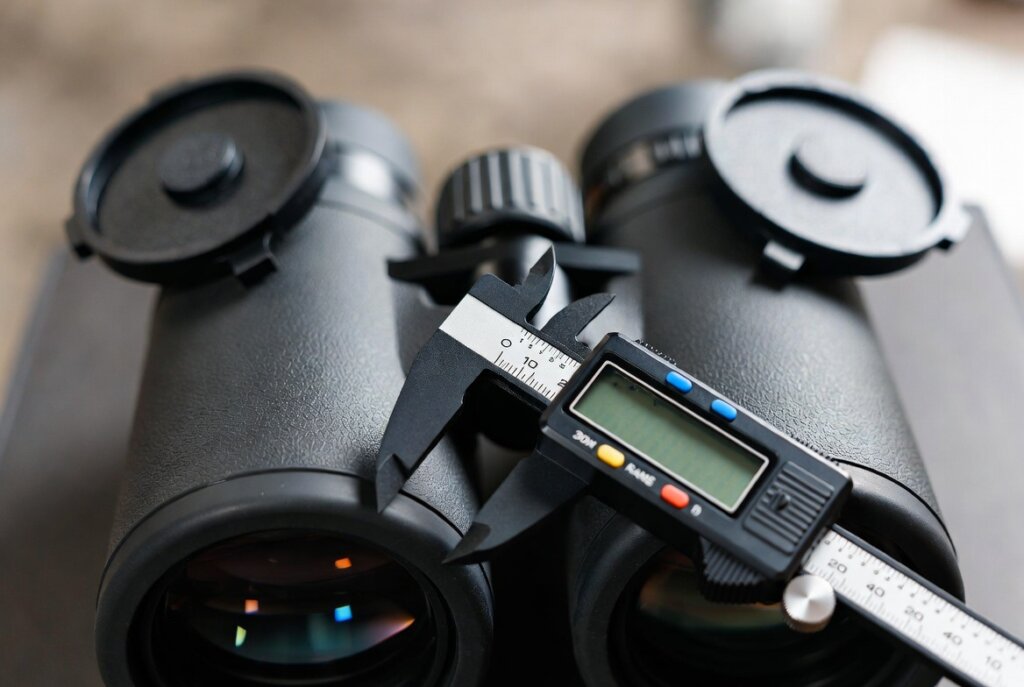
For example, 42mm binoculars may need caps slightly larger than 42mm because the outer rim or housing adds extra width. That is why measuring the outside diameter of the objective barrel is important.
Use a caliper if possible. If not, measure carefully across the outer edge with a ruler. Then choose rubber binocular lens caps that match the outside diameter range.
For a deeper size-specific article, check our supporting page on 42mm binocular lens caps if your binoculars are in the popular 8×42 or 10×42 category.
Quick Fit Rule
If the cap slides on with no resistance, it is too loose.
If it bends badly or takes too much force, it is too tight.
If it presses on firmly and stays there when turned upside down, you are close.
Tethered or Loose Rubber Lens Caps?
Tethered caps are attached to the binocular barrel, strap, or hinge area. Loose caps come off completely.
For most users, tethered rubber binocular lens caps are better. They are harder to lose and faster to manage when you are moving. The only downside is that some people dislike caps hanging below the barrels while viewing.
| Type | Best For | Main Drawback |
|---|---|---|
| Tethered rubber caps | Hiking, hunting, travel, frequent use | Can hang in the way |
| Loose rubber caps | Storage, occasional use, clean environments | Easy to misplace |
| Flip-up rubber caps | Fast viewing, range use, marine use | Must match size carefully |
For more detailed buying help, read our supporting article on tethered binocular lens caps before choosing a replacement set.
Pros and Cons of Rubber Binocular Lens Caps
Pros
- Quiet and flexible in outdoor use
- More secure than many hard plastic caps
- Easy to remove, even with gloves
- Good for hiking, hunting, travel, and waterproof binoculars
- Protect lenses from dust, scratches, branches, and bag damage
- Help you feel more confident carrying binoculars outdoors
Cons
- Cheap rubber caps may stretch over time
- Some may have a rubber smell when new
- Wrong size can fit too loose or too tight
- Universal caps may not look as neat as brand-specific caps
Still, for practical use, the pros usually outweigh the cons.
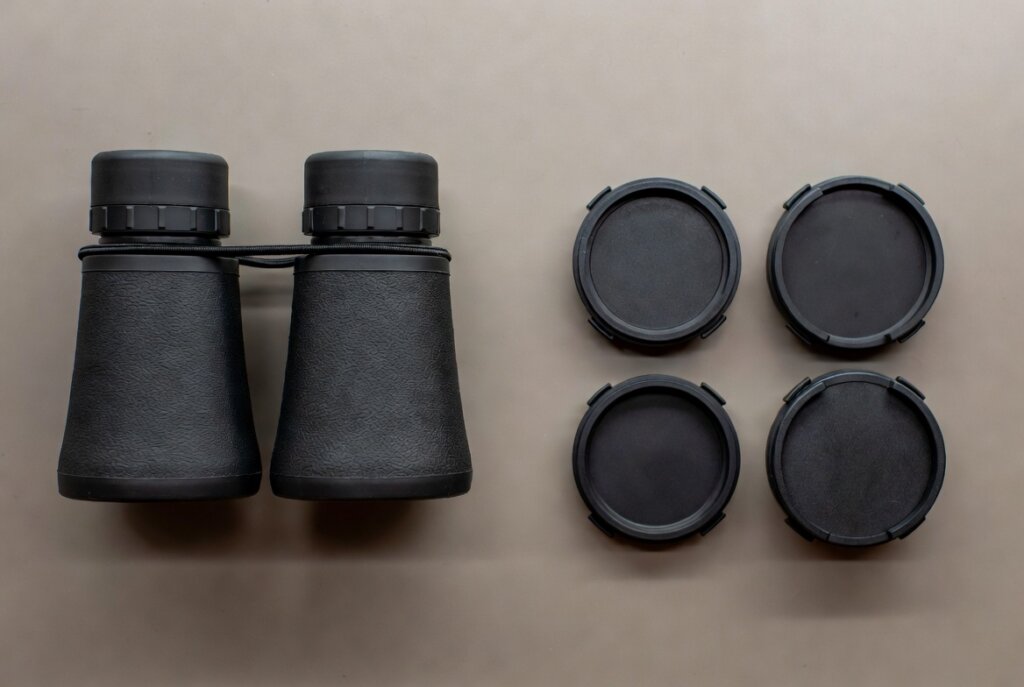
Recommended Product: Vortex Optics Tethered Objective Lens Covers
One highly relevant option to consider is Vortex Optics Tethered Objective Lens Covers.
These are a strong choice for outdoor users who want rubber-style protection without constantly removing and pocketing loose caps. They are especially useful if you carry binoculars on a harness, in a truck, on hikes, or during hunting trips.
Why I like this type of product: the tethered design solves the most common problem with lens caps — losing them. The rubber construction is quiet, flexible, and field-friendly. Just make sure you choose the correct size for your binocular’s objective barrel, not only the lens number printed on the binocular.
This style may cost more than basic loose caps, but it makes sense for people who use their binoculars often.
Why People Choose the Wrong Caps
Most people buy replacement caps only after losing the originals. That leads to rushed decisions. They search quickly, buy the first “universal” option, and then complain that it does not fit.
A better approach is to think like this:
You are not buying rubber. You are buying lens protection, convenience, and fewer interruptions in the field.
If you use binoculars once a month from a balcony, basic caps may be fine. But if your binoculars live in a backpack, glove box, hunting pack, boat compartment, or travel case, rubber binocular lens caps should be treated as part of your real gear setup.
This is also why premium binocular owners should not ignore caps. Expensive lenses still collect grit. Expensive coatings can still be damaged by careless cleaning.
Common Mistakes to Avoid
Buying Based Only on “42mm” or “50mm”
Again, the cap fits the outside barrel. Always measure the outside diameter. This matters most with thick rubber-armored binoculars.
Choosing Loose Caps for Active Outdoor Use
Loose caps are fine for storage, but they disappear easily in real use. For active users, tethered rubber binocular lens caps are usually smarter.
Ignoring Eyepiece Caps
Objective lens caps protect the front glass, but eyepiece covers matter too. Sweat, dust, sunscreen, and pocket lint often reach the eyepiece side first.
Buying Caps That Are Too Tight
A very tight cap may seem secure, but it becomes annoying fast. If you struggle to remove it quickly, you may stop using it — and that defeats the whole purpose.
Best Use-Case Scenarios
For Birding and Nature Watching
Rubber binocular lens caps are useful when moving between viewing spots. You can keep lenses covered while walking, then remove the caps when you settle into a viewing area. Tethered caps are helpful because you are not constantly putting covers into your pocket.
For Marine and Boating Use
Water spray and salt residue are tough on optics. Rubber caps help reduce direct exposure when binoculars are sitting near a console, dry bag, or boat seat. Waterproof binoculars still need lens protection.
For Kids or Shared Family Binoculars
If several people use the same binoculars, caps get lost quickly. Rubber binocular lens caps with tethers are much better for shared gear because they stay attached.
For Car and Truck Storage
Binoculars stored in vehicles collect dust faster than people expect. Lens caps keep the glass covered between quick roadside viewing sessions.
Rubber Binocular Lens Caps Buying Checklist
Before buying, check these points:
| Buying Factor | What to Look For |
|---|---|
| Correct diameter | Measure outside barrel size |
| Material quality | Flexible rubber, not thin flimsy material |
| Attachment style | Tethered for field use, loose for storage |
| Weather resistance | Good grip in wet or cold conditions |
| Ease of removal | Snug but not difficult |
| Compatibility | Match objective and eyepiece shape |
A simple checklist can prevent most wrong purchases. I would rather spend five minutes measuring than waste money on caps that sit in a drawer.
For a broader comparison of materials, styles, and replacement options, read our complete guide on best binocular lens caps.
How Rubber Caps Improve Long-Term Lens Care
Lens caps do not replace proper cleaning. You still need a blower, soft brush, microfiber cloth, and lens-safe cleaning solution. But rubber binocular lens caps reduce how often you need to clean aggressively.
That matters because lens coatings are not something you want to rub every day. Even careful cleaning creates contact. Prevention is better than constant wiping.
For more optics care advice and practical buying help, explore the blog tips page and visit the home page at BestBinocular.net.

FAQs About Rubber Binocular Lens Caps
Are rubber binocular lens caps better than plastic caps?
For outdoor use, yes. Rubber binocular lens caps are usually quieter, more flexible, and less likely to crack. Plastic caps can work for storage, but rubber is better for active field use.
How do I know what size rubber binocular lens caps to buy?
Measure the outside diameter of the binocular barrel where the cap will fit. Do not rely only on the objective lens number, such as 42mm or 50mm.
Do rubber binocular lens caps fit all binoculars?
No. Some are universal, but fit still depends on barrel diameter and shape. Brand-specific caps usually fit better, while universal caps require careful measuring.
Are tethered rubber binocular lens caps worth it?
Yes, especially for hiking, hunting, travel, and frequent outdoor use. Tethered caps are harder to lose and faster to manage in real situations.
Can rubber lens caps damage binoculars?
Good-quality caps should not damage binoculars if sized correctly. Problems usually happen when caps are too tight, poorly molded, or forced onto the wrong barrel size.
Should I replace my original binocular lens caps?
Replace them if they fall off easily, crack, stretch, or become annoying to use. A good replacement set can make your binoculars feel more practical again.
Final Thoughts
Rubber binocular lens caps are a small accessory, but they solve a real problem: keeping expensive glass protected without slowing you down. The best ones fit securely, remove easily, stay quiet, and survive regular outdoor use.
For casual storage, almost any decent cap can help. But for hiking, hunting, travel, boating, and everyday carry, I would choose rubber binocular lens caps over basic plastic covers almost every time.
The key is fit. Measure carefully, choose tethered caps if you move around often, and do not treat lens protection like an afterthought. Your binoculars will stay cleaner, your viewing sessions will feel smoother, and you will spend less time worrying about the glass that actually makes the view worth having.




