
Why 42mm Binocular Lens Caps Matter for Everyday Outdoor Use
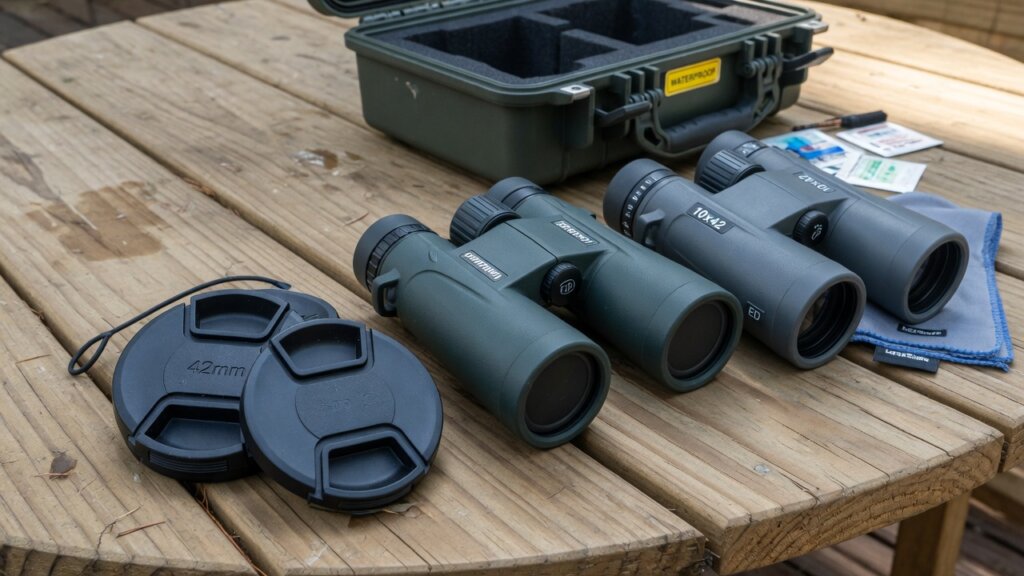
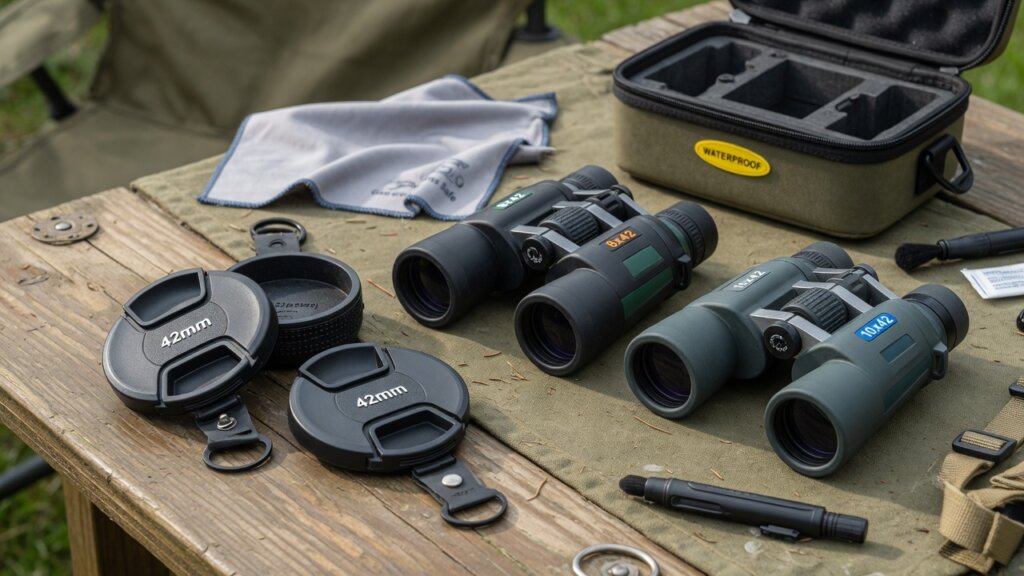
A pair of 8×42 or 10×42 binoculars usually becomes the “default grab” for birding, hunting, travel, hiking, stadium events, wildlife watching, and everyday outdoor use. That is exactly why 42mm binocular lens caps matter more than most people think. They are not just small rubber covers you lose in a backpack. They protect the glass that does the hardest work: the objective lenses.
The problem is simple. Many binocular owners only start caring about replacement lens caps after one cap disappears on a trail, cracks in cold weather, or becomes too loose to stay on. By that point, the objective lenses are exposed to dust, fingerprints, rain spots, pollen, sand, and accidental scratches.
For 42mm binoculars, the right caps should fit snugly, stay attached during movement, and come off quickly when the view matters. Bad caps feel annoying every single time you use them. Good ones disappear into your routine.
Why 42mm Binocular Lens Caps Are So Common
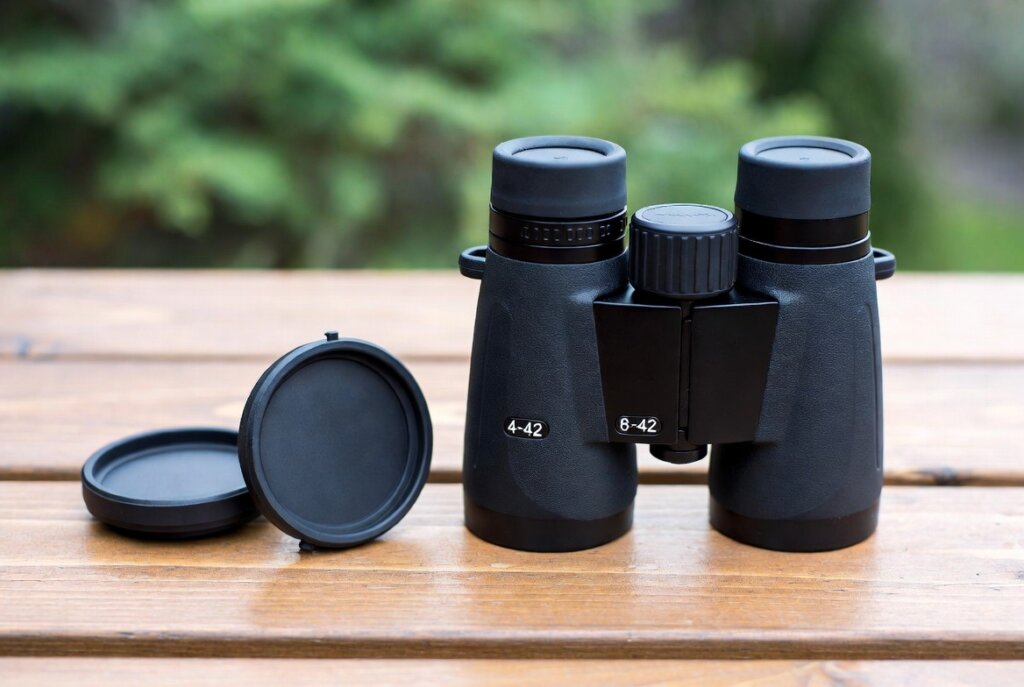
The 42mm binocular size is one of the most popular objective lens sizes because it balances brightness, portability, and handling. You see it everywhere: 8×42 birding binoculars, 10×42 hunting binoculars, 8×42 travel binoculars, and 10×42 waterproof roof prism binoculars.
That popularity also means 42mm binocular lens caps are one of the most searched replacement accessory sizes.
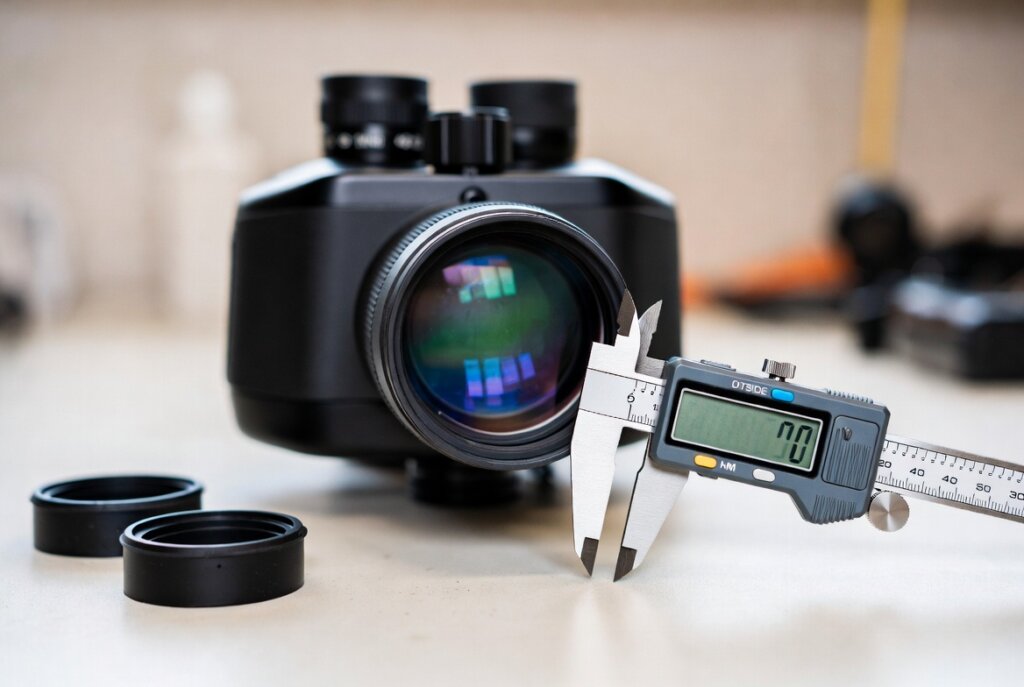
But here is where buyers often get confused: “42mm” usually refers to the objective lens diameter, not always the exact outside barrel diameter. Some binoculars marked 42mm may need caps slightly larger than 42mm because the cap must fit around the outside rim, not inside the glass.
That tiny sizing detail is where many people waste money.
For a broader look at lens cap types, materials, and replacement options, read our complete guide on best binocular lens caps. It helps compare different styles before choosing a specific size.
What 42mm Binocular Lens Caps Actually Protect
Objective lenses sit at the front of the binoculars. They are larger than the eyepiece lenses and take the most exposure when you carry binoculars around your neck, leave them on a truck seat, or pull them from a case.
A good pair of 42mm binocular lens caps helps protect against:
| Risk | Why It Matters |
|---|---|
| Dust and grit | Small particles can scratch coatings during cleaning |
| Rain spots | Water marks can leave residue if not wiped properly |
| Fingerprints | Oils reduce clarity and attract more dirt |
| Backpack damage | Loose gear can rub against exposed glass |
| Sun exposure | Caps reduce unnecessary exposure when binoculars are stored |
| Accidental bumps | A cap can absorb light contact before the lens does |
People often obsess over lens coatings, ED glass, phase correction, and field of view. That is fair. But none of those features feel impressive if the front glass is constantly dirty or scratched.
The Fit Problem: Why “42mm” Is Not Always Enough
This is the part most buyers miss. 42mm binocular lens caps are usually marketed for binoculars with 42mm objective lenses, but the cap must match the outer diameter of the objective housing.
For example, two different 10×42 binoculars can both have 42mm lenses, yet one may have a slimmer barrel and the other may have thicker rubber armor. The replacement cap that fits one may feel too loose or too tight on the other.
How the Right Fit Should Feel
A proper cap should push on without forcing it. It should grip the objective barrel firmly enough that it does not fall off when the binoculars hang downward. At the same time, it should not be so tight that you have to twist hard or pull aggressively.
The best fit feels boring. That is a compliment.
You open the caps, start glassing, close them again, and move on. No fiddling. No frustration at the trailhead. No cap rolling under the car seat.
Best Use Cases for 42mm Binocular Lens Caps
Bird Watching
Birders are constantly raising and lowering binoculars. A loose lens cap becomes annoying quickly. For birding, tethered 42mm binocular lens caps are usually better than loose push-on caps because they stay connected while you move between viewing spots.
In wet grass, marsh areas, and early morning conditions, caps also stop moisture from sitting directly on the glass before you start viewing.
Hunting
Hunters need quiet, secure, low-profile caps. A cap that slaps against the binocular body or falls off in brush is not ideal. Rubber objective lens covers work well here because they are flexible, silent, and easy to flip down.
For hunting binoculars, I prefer caps that fit tightly around the outer barrel and stay attached even when crawling into a blind or moving through thick cover.
Hiking and Travel
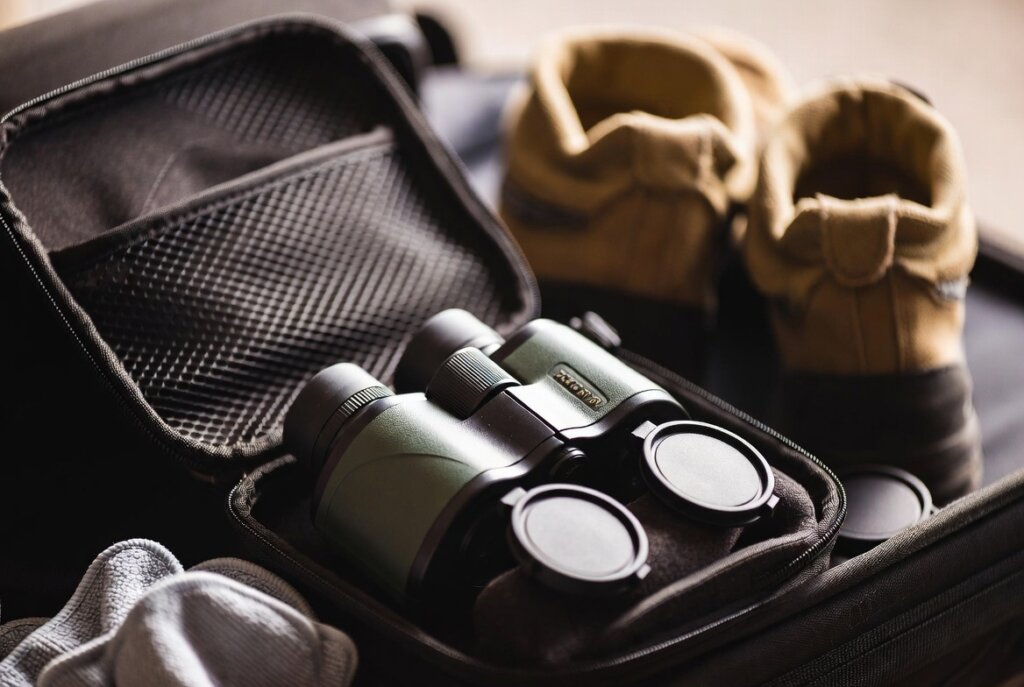
For hikers and travelers, the main risk is not always weather. It is friction. Binoculars move inside bags with chargers, snacks, maps, keys, and camera accessories. Good 42mm binocular lens caps create a simple barrier between expensive glass and messy real-world storage.
Stadiums and Outdoor Events
If you use 8×42 or 10×42 binoculars at sports events, concerts, or airshows, lens caps help during transport. You may not need them every few minutes, but you definitely want them when walking through crowds or packing your binoculars after the event.
Types of 42mm Binocular Lens Caps
Rubber Tethered Objective Caps
These are the most practical option for most users. They attach around the objective barrel and flip open when needed.
Pros:
- Harder to lose
- Good for field use
- Quiet and flexible
- Easy to open quickly
- Usually affordable
Cons:
- Can stretch over time
- May not fit bulky rubber-armored barrels
- Cheap versions can loosen in heat
For most 8×42 and 10×42 binoculars, this is the style I would choose first.
Push-On Lens Caps
Push-on caps are simple covers that press directly over the objective ends. They can work well for storage or casual use.
Pros:
- Clean appearance
- Easy to replace
- Good for storage cases
- Usually lightweight
Cons:
- Easier to lose
- Can fall off in a backpack
- Not ideal for fast field use
Push-on 42mm binocular lens caps are better for people who mostly use binoculars from a fixed spot, not those who walk all day with binoculars hanging from a harness.
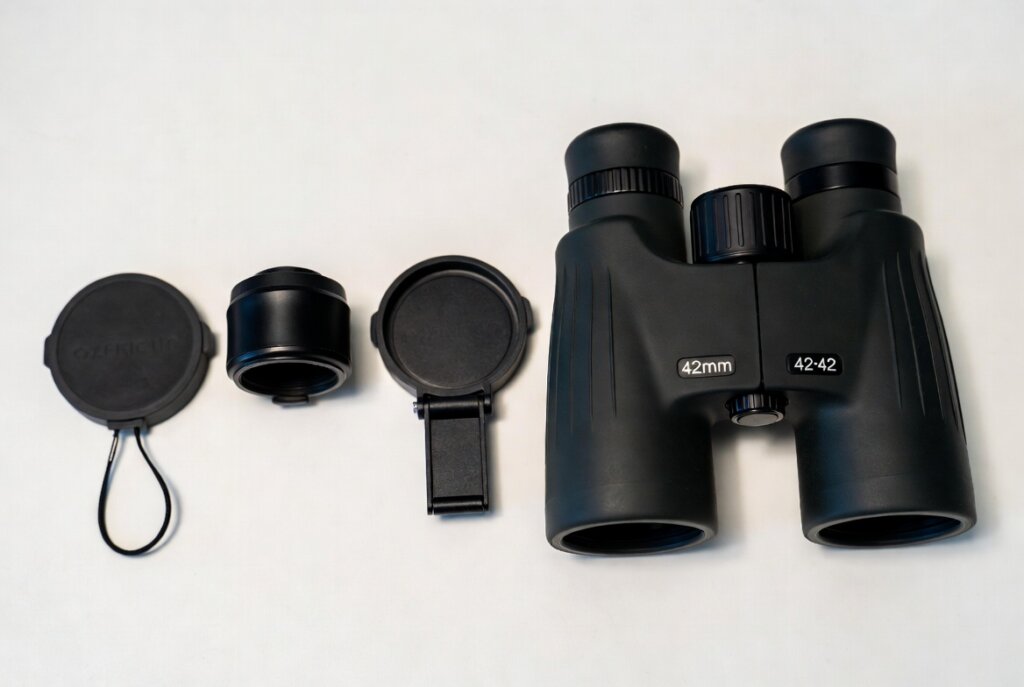
Flip-Up Caps
Flip-up caps are more common on scopes, but some binocular users like them. They open on a hinge and stay attached.
Pros:
- Fast opening
- Good protection
- More secure than loose caps
Cons:
- Bulkier
- Can look awkward on compact 42mm binoculars
- Hinges may wear out
I would only choose flip-up caps if the fit is confirmed for your exact binocular barrel size.
42mm vs 50mm Binocular Lens Caps
A lot of buyers confuse 42mm and 50mm caps because both are common outdoor binocular sizes. The difference is not small. A 50mm cap will usually be too loose for a 42mm binocular, while a 42mm cap will not stretch properly over a 50mm objective barrel.
| Feature | 42mm Lens Caps | 50mm Lens Caps |
|---|---|---|
| Common binocular sizes | 8×42, 10×42 | 10×50, 12×50 |
| Portability | More compact | Larger and bulkier |
| Cap fit tolerance | Less forgiving | Usually wider and heavier |
| Best use | Birding, hiking, hunting, travel | Astronomy, marine, long-distance viewing |
| Replacement risk | Easy to buy wrong size | Easy to confuse with 42mm caps |
To avoid buying the wrong size, compare your model carefully. You can also read the supporting article on 50mm binocular lens caps if you own larger objective binoculars or are comparing both sizes.
42mm Binocular Lens Caps vs Binocular Objective Lens Caps
The phrase 42mm binocular lens caps is size-specific. The phrase “binocular objective lens caps” is broader. It includes caps for 25mm, 32mm, 42mm, 50mm, 56mm, and other objective lens sizes.
If your binocular is marked 8×42 or 10×42, you are looking for objective caps that fit a 42mm-class binocular. But again, check the outer diameter before ordering.
For a more general breakdown of front lens protection, materials, and cap styles, see the related article on binocular objective lens caps. It gives more context if you are not sure which style suits your binoculars.
My Practical Recommendation: Choose Tethered Rubber Caps First
For most people, the best replacement choice is a pair of flexible tethered rubber 42mm binocular lens caps with a secure objective-ring attachment.
One highly relevant option to consider is the Vortex Optics Tethered Objective Lens Covers for 42mm binoculars, especially if your binocular barrel size matches. They are popular because they are simple, durable, and made for real field handling rather than just storage. The biggest advantage is that the caps stay attached, which matters when you are walking, glassing, or packing gear quickly.
Do not buy them blindly, though. Check compatibility with your binocular model first. If your binoculars have thicker armor or a non-standard objective housing, measure the outside barrel before ordering.
That is the difference between a cap that feels custom and a cap that keeps falling off.
Buyer Psychology: Why People Delay Buying Lens Caps
Most binocular owners delay buying replacement caps because the binoculars still “work fine” without them. And technically, they do. You can still see through exposed lenses.
But the real issue is slow damage.
A missing cap does not ruin the binoculars in one day. It creates small risks every time you use them. One dusty wipe. One sandy backpack. One careless toss into the car. Over time, those small moments affect clarity, coatings, and resale value.
That is why 42mm binocular lens caps are a low-cost accessory with high practical value. They are not exciting, but they prevent annoying problems.
Common Mistakes When Buying 42mm Binocular Lens Caps
Mistake 1: Buying Only by the “42mm” Label
The product listing may say 42mm, but your binocular’s outside objective barrel may be slightly larger. Always check dimensions when possible.
Mistake 2: Ignoring Rubber Armor Thickness
Some binoculars have thick protective armor around the objective barrels. That extra material changes the fit. A cap designed for a slim barrel may not sit correctly.
Mistake 3: Choosing Loose Caps for Field Use
Loose push-on caps are fine for storage, but they are easy to lose outdoors. If you hike, hunt, birdwatch, or travel, tethered caps are usually smarter.
Mistake 4: Buying Cheap Hard Plastic Caps
Hard plastic caps can crack, slip, or make noise. Soft rubber usually feels better for binoculars used outside.
Mistake 5: Replacing Only One Cap
If one cap is missing and the other is old, replace the pair. Mixed caps often fit differently and look awkward.
How to Know Your 42mm Lens Caps Need Replacing
You should replace your caps when they no longer stay on securely. That sounds obvious, but many people keep using stretched caps because they are “almost fine.”
Watch for these signs:
- The caps fall off when binoculars point downward
- Rubber looks cracked or dry
- The tether loop is stretched
- Caps no longer sit flush
- One cap feels looser than the other
- You keep finding dust on the objective lenses after storage
Once caps stop doing their job, they become decoration.
What Makes Good 42mm Binocular Lens Caps Feel Better
The best caps have small details that matter in the field. The rubber should feel flexible but not floppy. The rim should hold shape after repeated use. The attachment loop should grip the binocular barrel without sliding. The cap should open easily with one hand.
I also like caps that hang downward naturally when opened. Some cheap caps twist sideways and get in the way of your grip. That sounds minor until you are trying to glass a moving deer, follow a bird through trees, or focus quickly during a race.
With 42mm binocular lens caps, usability is more important than fancy design.
Storage Tips That Keep Lens Caps Working Longer
Even good rubber caps wear out faster when abused. Keep binoculars out of extreme heat when possible. Do not store them for months with wet caps closed over damp lenses. Let the glass and caps dry before packing them away.
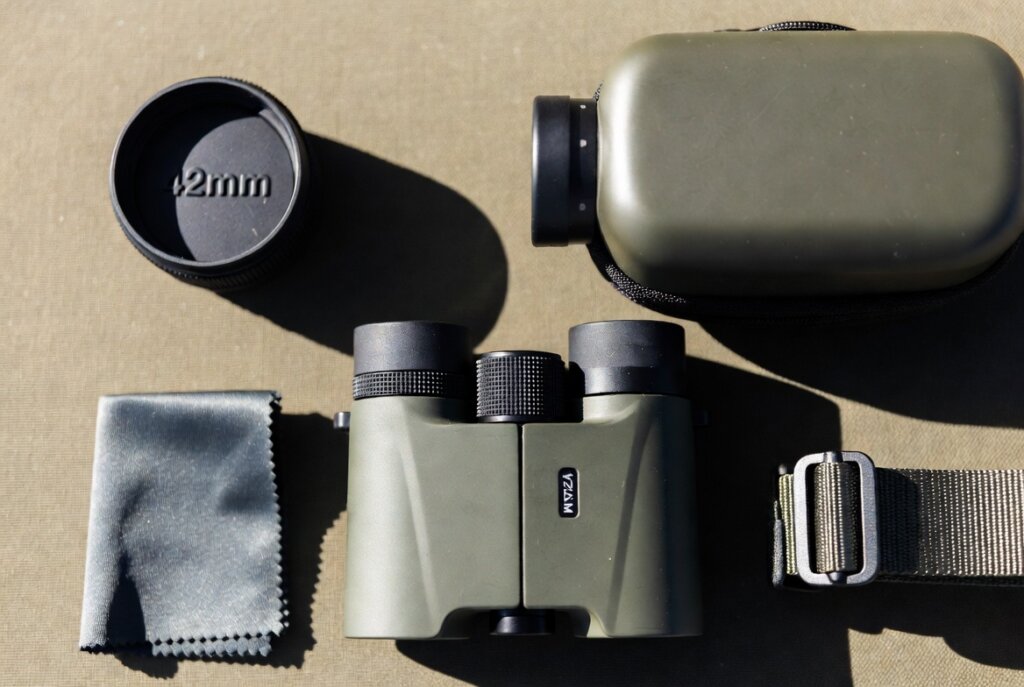
A microfiber cloth also helps. Clean the cap interior occasionally because grit can collect inside the rubber cover. The whole point of a cap is protection, so you do not want the inside of the cap becoming dirty enough to rub debris against the lens rim.
For more binocular care ideas, you can visit the blog section on bestbinocular.net and explore practical binocular tips, accessories, and field-use advice.
Final Verdict: Are 42mm Binocular Lens Caps Worth Replacing?
Yes, absolutely. If you use 8×42 or 10×42 binoculars regularly, replacement 42mm binocular lens caps are one of the simplest upgrades you can make. They protect the objective glass, reduce cleaning stress, and keep your binoculars ready for real use.
My honest preference is tethered rubber caps for most outdoor users. They are practical, quiet, affordable, and much harder to lose. Push-on caps are fine for storage. Flip-up caps can work, but only if they fit your binocular body properly.
The key is not just buying “42mm” caps. The key is buying caps that match your binocular’s actual objective barrel size, usage style, and field habits.
A good lens cap does not make your binoculars sharper. It helps keep them sharp for longer. That is exactly why this small accessory deserves more attention.
FAQs About 42mm Binocular Lens Caps
What are 42mm binocular lens caps?
42mm binocular lens caps are protective covers made for binoculars with 42mm objective lenses, commonly found on 8×42 and 10×42 models. They cover the front lenses to protect against dust, scratches, moisture, and storage damage.
Do all 42mm binocular lens caps fit all 42mm binoculars?
No. Many 42mm binoculars have different outside barrel diameters because of rubber armor, brand design, and housing shape. Always check the outer objective diameter before buying replacement caps.
Are rubber 42mm binocular lens caps better than plastic ones?
For outdoor use, rubber caps are usually better because they are quieter, more flexible, and less likely to crack. Plastic caps may work for storage but often feel less secure in field conditions.
Should I buy tethered or loose 42mm binocular lens caps?
Tethered caps are better for birding, hunting, hiking, and travel because they stay attached to the binoculars. Loose caps are easier to misplace and are better suited for casual storage.
Can I use 50mm caps on 42mm binoculars?
Usually no. 50mm caps are generally too large for 42mm binoculars and may fall off easily. If you own both sizes, keep the caps separate and label them if needed.
Why do my 42mm binocular lens caps keep falling off?
They may be stretched, poorly sized, or designed for a different barrel diameter. Thick rubber armor can also affect fit. In most cases, replacing them with correctly measured tethered caps solves the problem.




