
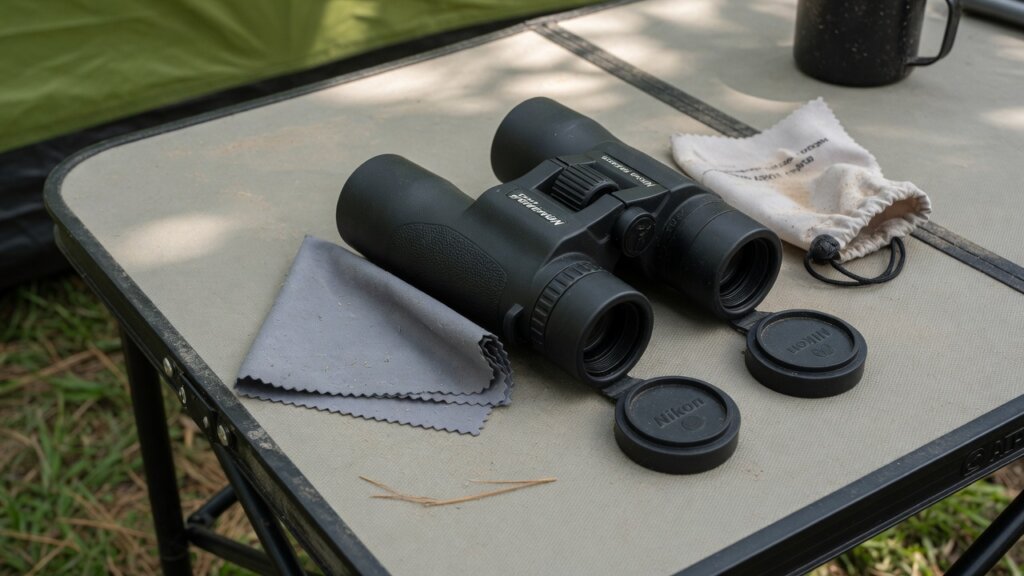
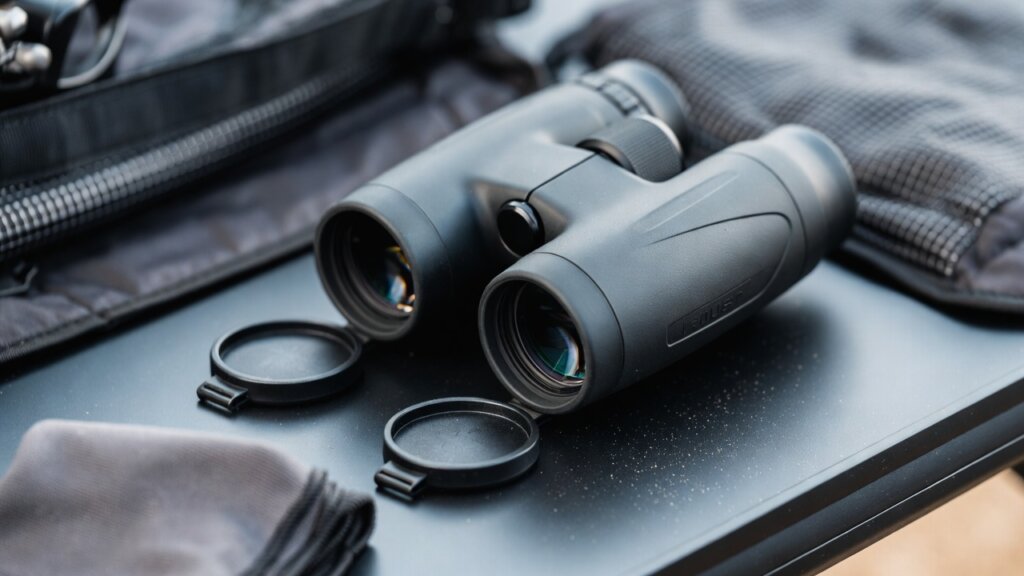
Why Binocular Objective Lens Caps Matter
Binocular objective lens caps look like minor accessories until you lose one on a windy ridge, scratch a front lens in your pack, or pull your binoculars out after a dusty trail ride and see grit sitting on the glass. Then they suddenly feel important.
The objective lenses are the large front lenses on your binoculars. They collect light, shape the image, and usually sit in the most exposed position when your binoculars hang from a harness, ride in a truck console, or sit on a campsite table. That is why binocular objective lens caps matter more than many buyers think.
A good pair should protect the glass without slowing you down. A bad pair either falls off, traps dirt, cracks in cold weather, or becomes so annoying that you leave it at home. A practical rule is simple: if a lens cap makes binocular use slower or frustrating, it is probably the wrong cap. The best objective lens covers disappear into your routine.
What Are Binocular Objective Lens Caps?
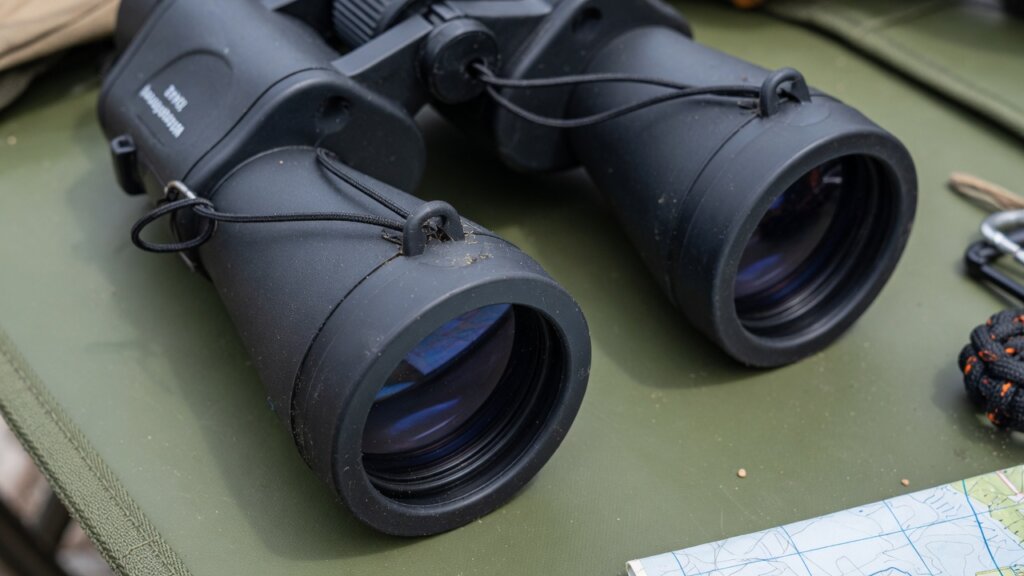
Binocular objective lens caps are protective covers made for the front lenses of binoculars. These are different from eyepiece covers, which protect the smaller rear lenses near your eyes.
The objective side takes more abuse. It faces outward when binoculars hang from your neck. It rubs against jackets, backpack straps, dry grass, tree bark, and sometimes truck seats. Even if your binoculars are waterproof and rugged, the glass coating still deserves protection.
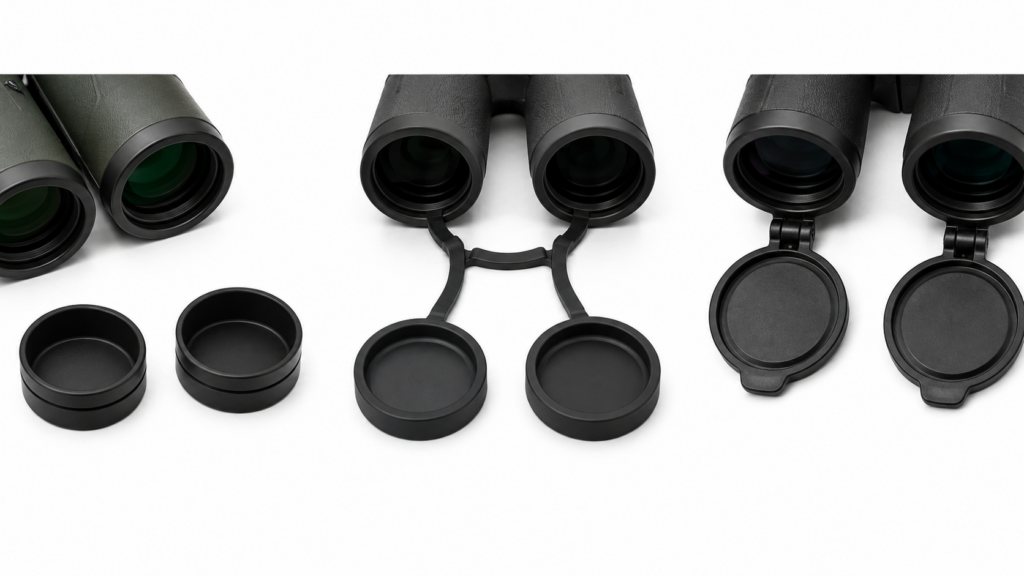
Most binocular objective lens caps come in three common styles:
| Lens Cap Style | Best For | Main Weakness |
|---|---|---|
| Push-in caps | Simple storage and casual use | Easy to lose |
| Tethered objective caps | Hiking, hunting, birding, travel | Can flap if poorly designed |
| Flip-up caps | Fast access and frequent glassing | Must fit very accurately |
For most outdoor users, tethered binocular objective lens caps are the safest everyday choice. They stay attached to the binocular barrel, open quickly, and reduce the classic “where did my cap go?” problem. You can learn more in this related guide on tethered binocular lens caps if you want a more field-focused option.
Why Objective Lens Caps Matter More Than You Think
The front glass is not just glass. It has coatings that improve brightness, contrast, and glare control. Once grit rubs across those coatings, the damage may be permanent.
This is where buyer psychology gets interesting. Many people spend serious money on binoculars, then treat lens caps like cheap extras. They protect the body with a case or harness, but leave the front lenses exposed during the moments when damage is most likely.
I have seen this happen in three very normal situations:
A hiker throws binoculars into a side pocket with keys and a snack wrapper.
A hunter crawls under brush with binoculars bouncing against dry stems.
A traveler packs binoculars in a carry-on with chargers, adapters, and sunglasses.
None of these situations look dangerous at first. But small scratches usually come from boring, everyday friction — not dramatic accidents. Good binocular objective lens caps prevent that quiet damage.
How to Choose the Right Binocular Objective Lens Caps
The most important detail is size. Do not guess.
Many binoculars are described as 8×42, 10×42, 10×50, or 12×50. The second number tells you the objective lens diameter in millimeters. For example, 10×42 binoculars have 42mm objective lenses.
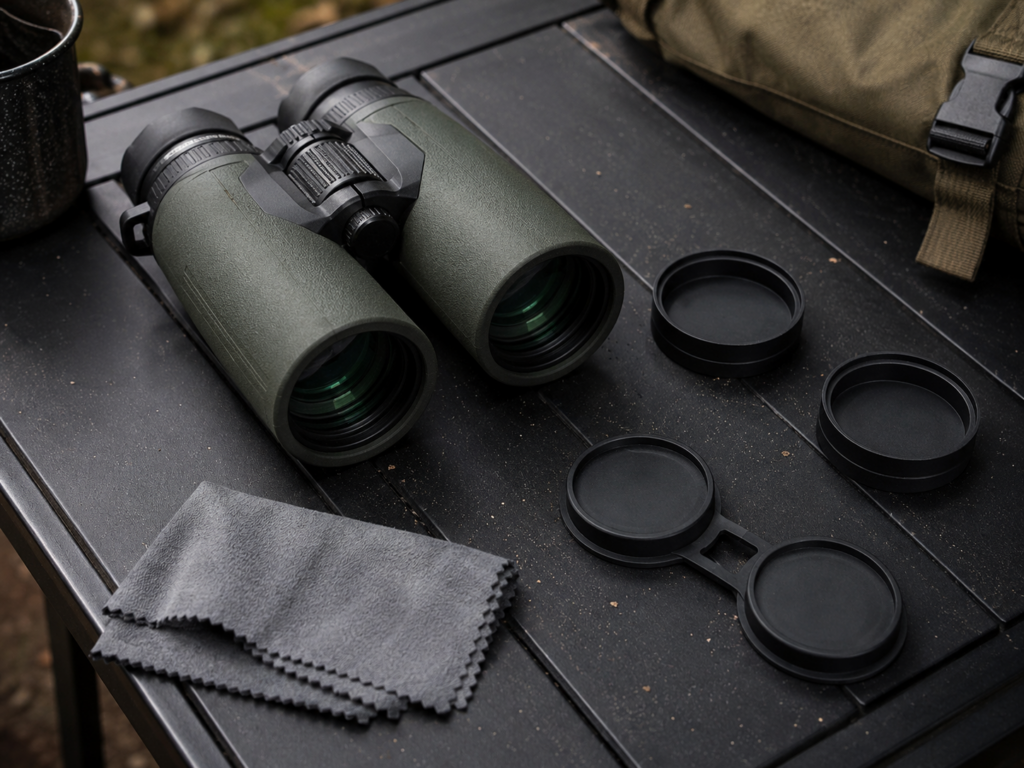
But here is the catch: the cap often fits over the outside barrel, not the glass itself. So a 42mm binocular may need a cap with a slightly larger internal diameter depending on the rubber armor and barrel design. That is why some users buy “42mm caps” and still end up with a loose or overly tight fit.
For 42mm models specifically, this guide on 42mm binocular lens caps will help you avoid the most common sizing mistakes.
Fit Should Be Snug, Not Forced
A good objective cap should press on securely without needing a fight. If you have to stretch it hard every time, it may crack over time. If it spins freely or drops off when you tilt the binoculars downward, it is too loose.
A simple fit test is to attach the caps, hold the binoculars upside down over a soft surface, and gently shake them. If the caps fall off immediately, they will not survive real use.
Material Matters
Rubber and flexible polymer caps are usually better for outdoor binoculars because they absorb knocks and stay quiet. Hard plastic caps can work for storage, but they tend to crack, rattle, or loosen faster.
Soft rubber binocular objective lens caps are especially useful in cold weather because they are easier to handle with gloves. The downside is that cheap rubber can stretch out or collect lint over time.
Think About Your Use Case
Not every user needs the same type of cap.
| User Type | Best Cap Choice | Why |
|---|---|---|
| Bird watcher | Tethered rubber caps | Quiet and easy to open |
| Hunter | Low-profile tethered caps | Less chance of snagging |
| Traveler | Push-in or tethered caps | Better storage protection |
| Marine user | Tight rubber caps | Help block spray and salt residue |
| Backyard viewer | Simple push-in caps | Low-cost and easy |
If you are building a full protection setup, start with the main silo guide on best binocular lens caps because it compares front caps, eyepiece covers, tethered designs, and replacement options together.
Pros and Cons of Binocular Objective Lens Caps
Pros
- Protect front lenses from dust, moisture, fingerprints, and scratches.
- Reduce the need for frequent lens cleaning.
- Help protect lens coatings over time.
- Keep binoculars safer during travel and outdoor use.
- Tethered caps stay attached and are harder to lose.
- Good caps help maintain the value of premium binoculars.
Cons
- Poorly fitted caps can fall off easily.
- Some tethered caps may flap in wind.
- Flip-up caps can add extra bulk.
- Cheap caps may crack, stretch, or lose grip.
- Wrong-size caps can become frustrating to use.
This is why I do not recommend buying the cheapest random pack unless you only need temporary storage covers. For regular outdoor use, proper fit matters more than saving a few dollars.
Field Scenarios: Which Objective Caps Work Best?
For Hiking and Backpacking
On trails, binoculars usually hang from a harness or sit in a backpack pocket. Dust, sweat, rain, and friction are the main problems.
Tethered binocular objective lens caps work best here. They open quickly when you spot a viewpoint or distant landmark, but they remain attached when you start moving again. Loose push-in caps often disappear after the first snack break.
For Hunting
Hunters need quiet gear. A cap that snaps loudly, swings against the barrel, or catches on brush becomes irritating very quickly.
Low-profile rubber objective caps are the better choice. They should fold down smoothly and sit close to the binocular body. In cold weather, test them with gloves before relying on them.
For Travel
Travel binoculars often face the strangest abuse. They sit in bags with chargers, passports, water bottles, and camera accessories.
For travel, the priority is secure storage. Push-in caps can work if you also keep the binoculars in a case. But if you use the binoculars often during a trip, tethered caps are more practical.
For Marine and Wet Conditions
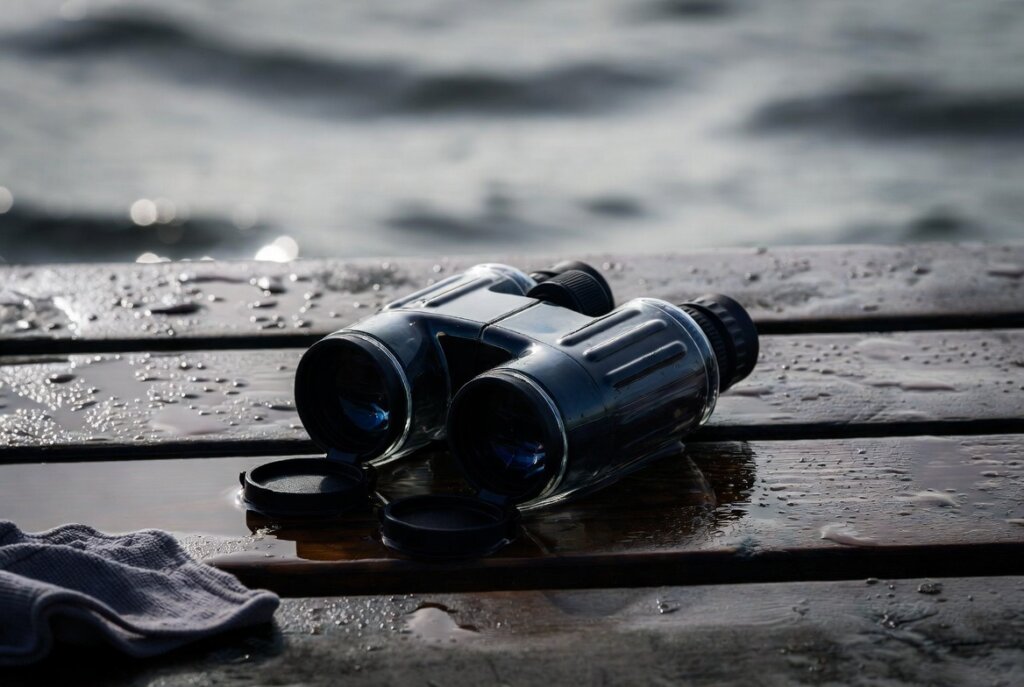
Waterproof binoculars still need lens protection. Salt spray, sand, and dried water spots can make the front glass messy fast.
Use snug rubber objective caps and rinse the outside carefully after saltwater exposure. Do not grind dried salt into the lens with a cloth. Blow or rinse first, then clean.
One Product Worth Considering
One option worth checking is the Vortex Defender Flip Cap Objective 44, but only if its size matches your binocular’s objective barrel. Since flip-up caps are fit-sensitive, always measure before buying instead of choosing by model name alone.
I would not call it the best choice for every binocular because flip caps are fit-sensitive. But for users who want a tougher, more structured cap than soft generic rubber covers, it is a strong option to check — especially if your binocular barrel diameter matches the product sizing.
The safest advice is to measure before buying. A premium cap in the wrong size is still the wrong cap.
Common Mistakes When Buying Binocular Objective Lens Caps
Buying by Binocular Model Number Only
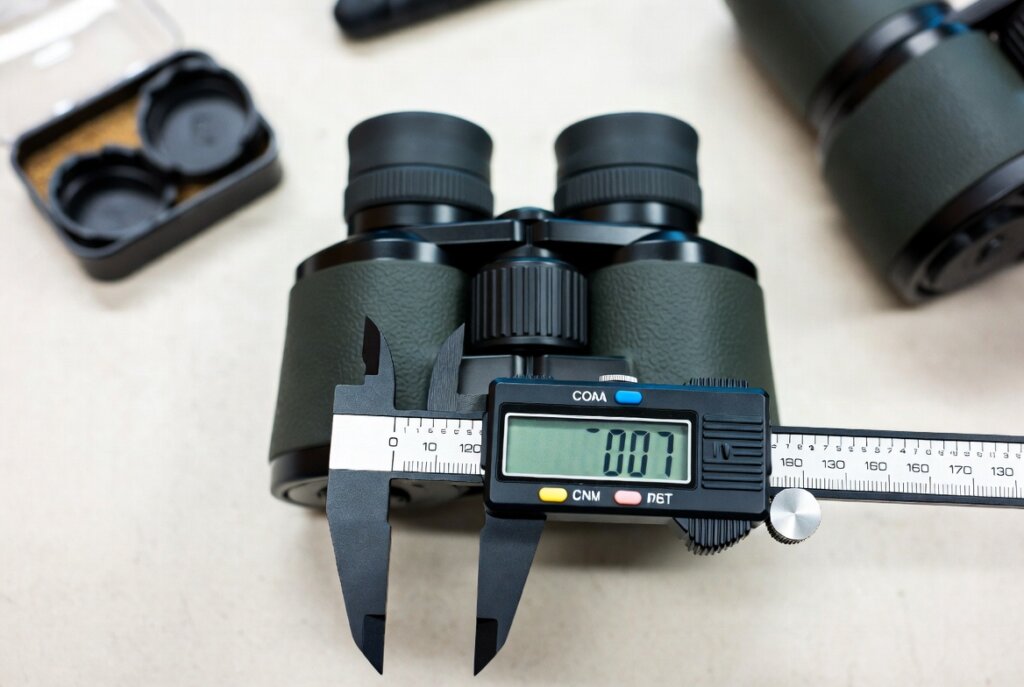
Seeing “10×42” does not automatically mean every 42mm cap will fit. Measure the outer barrel diameter or check the manufacturer’s replacement cap size.
Ignoring the Barrel Shape
Some binoculars have thick rubber armor around the objective end. Others have slimmer barrels. The same lens size can require different cap dimensions.
Choosing Hard Plastic for Rough Outdoor Use
Hard plastic caps are fine for shelf storage, but they are not my first choice for field use. They can loosen, crack, or make noise.
Forgetting About Tethers
If you often lose small accessories, get tethered caps. It sounds obvious, but many buyers still choose loose caps and then replace them three times.
Cleaning the Lens Before Removing Grit
Lens caps reduce dirt, but they do not eliminate it. If dust gets on the front glass, blow it off first. Wiping dry grit across coated glass is a fast way to create micro-scratches.
Buyer Tips for a Better Fit
Measure the outside diameter of the binocular objective barrel with a ruler or caliper.
Check whether the cap fits inside the barrel rim or over the outer housing.
Choose flexible rubber if your binoculars have armored barrels.
Read buyer feedback for your exact binocular model when possible.
Avoid caps that rely on a thin weak hinge if you use binoculars heavily outdoors.
Buy from a place with easy returns if you are unsure about sizing.
One more thing: do not treat objective caps as permanent armor. They protect from normal bumps, dust, and storage friction. They will not save a lens from being crushed under heavy gear.
Are Tethered Caps Better Than Loose Caps?
Most of the time, yes.
Loose caps are fine if your binoculars mostly stay in a case. But once you start hiking, birding, hunting, boating, or traveling, loose caps become easy to misplace.
Tethered binocular objective lens caps solve that problem by staying attached to the binocular barrels. The only downside is that badly designed tethers can twist, flap, or interfere with your grip.
Here is the simple comparison:
| Feature | Loose Objective Caps | Tethered Objective Caps |
|---|---|---|
| Easy to replace | Yes | Sometimes |
| Hard to lose | No | Yes |
| Best for active use | Not really | Yes |
| Clean appearance | Yes | Moderate |
| Field convenience | Average | High |
For most people buying replacement binocular objective lens caps, I would choose tethered rubber caps first unless the binoculars are mainly used for storage or display.
How Objective Lens Caps Affect Long-Term Binocular Care
Good caps reduce how often you touch the front glass. That alone is valuable.
Every cleaning session carries some risk. If you use the wrong cloth, press too hard, or wipe dust across the coating, you can slowly reduce image clarity. Objective caps help prevent the dirt buildup that leads to unnecessary cleaning.
They also make your binoculars feel ready. That matters psychologically. When gear is protected and organized, you are more likely to take it outside, pack it properly, and use it with confidence.
This is also why I like pairing objective caps with a good strap or harness. One accessory protects the glass; the other reduces drops and knocks. Together, they extend the life of the binoculars without changing the viewing experience.
For more gear-care and buying advice, you can visit the blog page or start from the BestBinocular.net home page to explore more binocular guides.
FAQs About Binocular Objective Lens Caps
What size binocular objective lens caps do I need?
You need caps that match the outside diameter of the front binocular barrels, not always just the stated objective lens size. A 10×42 binocular has 42mm objective lenses, but the outer barrel may be larger because of rubber armor.
Are objective lens caps the same as eyepiece covers?
No. Objective lens caps cover the large front lenses. Eyepiece covers protect the smaller rear lenses near your eyes. Many binocular users need both for complete protection.
Do binocular objective lens caps affect image quality?
Not while viewing, because you remove or open them before use. Their real value is protecting the coated glass between viewing sessions, which helps preserve image clarity over time.
Are tethered objective caps worth it?
Yes, especially for outdoor use. Tethered caps are harder to lose and faster to manage in the field. They are especially useful for hiking, hunting, birding, and travel.
Can I use generic replacement caps?
Yes, but only if the fit is correct. Generic binocular objective lens caps can work well, but measure carefully. A cap that is slightly too loose may fall off in your bag or on the trail.
Should I keep lens caps on while storing binoculars?
Yes. Keep both objective lens caps and eyepiece covers on during storage. This helps protect against dust, accidental fingerprints, and contact with other gear.
Final Verdict: Small Accessory, Real Protection
Binocular objective lens caps are not exciting, but they are one of the easiest ways to protect your optics. The right pair prevents scratches, keeps dust away, reduces unnecessary cleaning, and saves you from replacing lost or cracked covers later.
For most users, I recommend soft tethered objective caps with a snug fit. They offer the best balance of protection and field convenience. If you use binoculars in rougher conditions and want a structured design, a properly sized flip-up cap can also work well.
Just do not buy blindly. Measure the barrel, think about how you actually use your binoculars, and choose caps that make your routine easier — not slower. That is the difference between lens caps you keep using and lens caps that end up forgotten in a drawer.




