
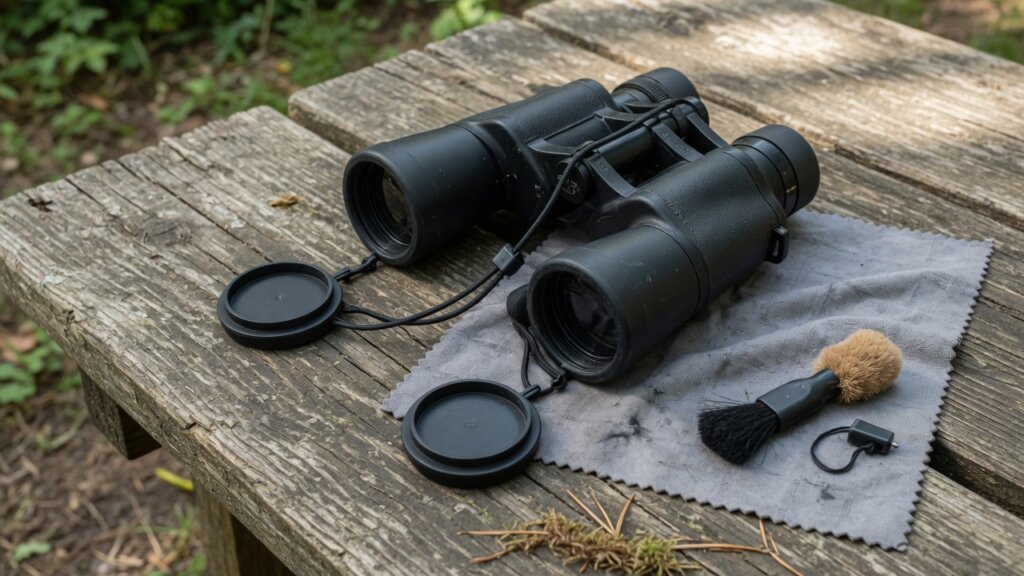
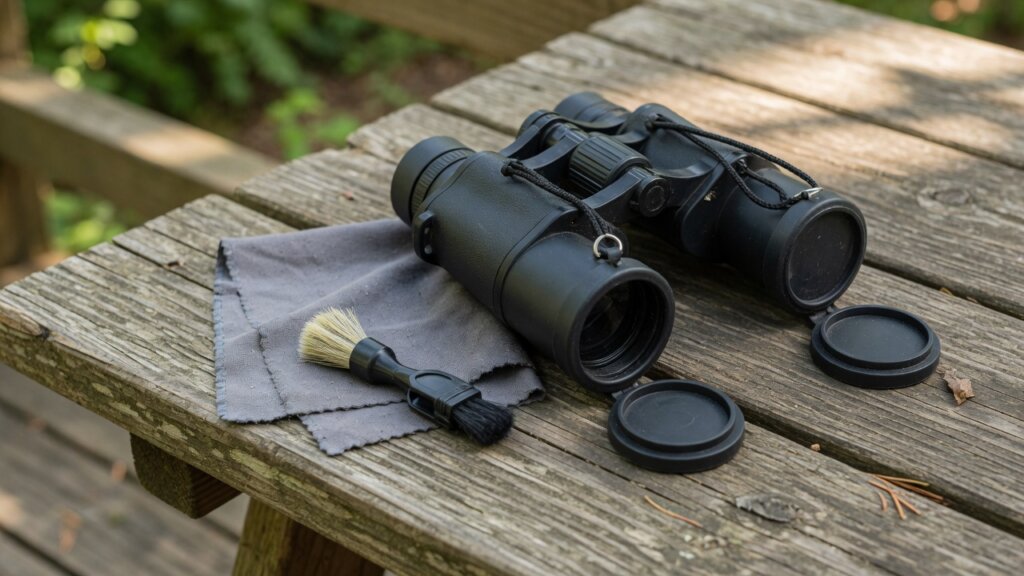
Tethered binocular lens caps look like a tiny accessory until you lose a loose cap in tall grass, mud, sand, snow, or the bottom of a backpack. Then suddenly, that cheap plastic cover becomes the thing standing between your binocular lenses and scratches, dust, fingerprints, rain spots, and panic.
That is exactly why tethered binocular lens caps make sense for everyday binocular users. They stay attached to the binocular body, flip out of the way when you need a clear view, and sit ready when you are done glassing.
For birding, hiking, hunting, marine use, sports viewing, travel, and general outdoor observation, tethered caps solve one clear problem: you stop losing your lens protection.
What Are Tethered Binocular Lens Caps?
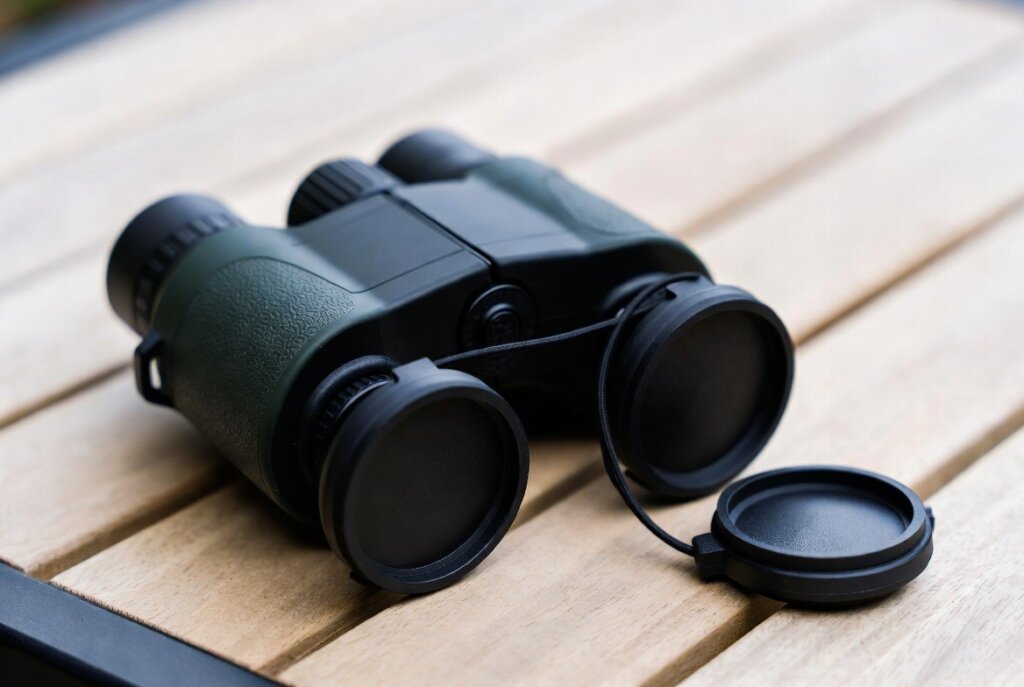
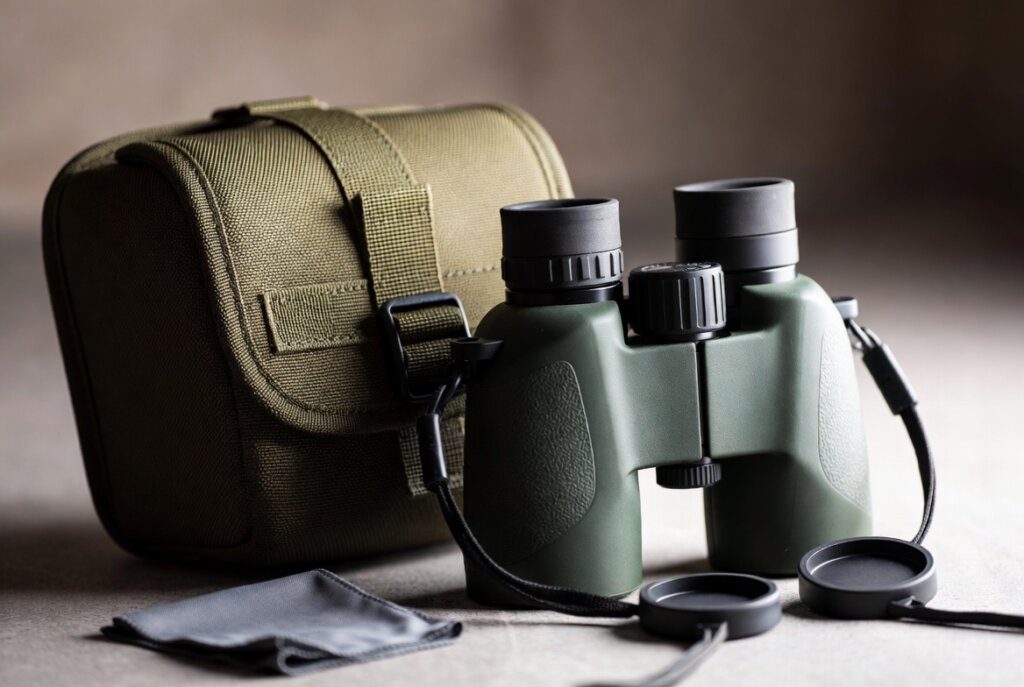
Tethered binocular lens caps are protective covers connected to your binoculars with a small rubber loop, hinge, strap, or flexible ring. Instead of fully removing the cap and putting it in your pocket, you simply flip or pull it away from the objective lens.
Most tethered caps are used on the front objective lenses, although some binoculars also come with tethered or rainguard-style eyepiece covers.
The idea is simple:
You protect the glass when the binoculars are not in use, but you do not have to keep track of separate loose caps.
That sounds basic, but in real use it matters a lot. When you are walking through brush, moving between viewing spots, or taking binoculars in and out of a harness, loose lens caps are annoying. Tethered binocular lens caps remove that little frustration.
Why Tethered Binocular Lens Caps Are Worth Using
The main benefit is not just convenience. It is consistency.
A loose cap only protects your binoculars when you actually use it. A tethered cap is always right there, so you are more likely to cover the lenses after each viewing session.
That means less exposure to:
| Field Problem | How Tethered Lens Caps Help |
|---|---|
| Dust and trail grit | Keeps particles away from exposed glass |
| Light rain and moisture | Helps reduce direct water spots on lenses |
| Fingerprints | Prevents accidental touching while carrying |
| Backpack rubbing | Adds a simple barrier during transport |
| Lost caps | Caps remain attached to binoculars |
| Fast stop-and-go viewing | Flip open, view, flip closed |
For beginners, tethered caps make binocular care easier. For experienced users, they reduce the number of small things you need to think about while moving.
Tethered vs Loose Binocular Lens Caps
Loose lens caps are not automatically bad. Some users prefer them because they can be removed completely and stored away. But for active outdoor use, tethered binocular lens caps are usually more practical.
| Feature | Tethered Binocular Lens Caps | Loose Binocular Lens Caps |
|---|---|---|
| Hard to lose | Yes | No |
| Fast to use | Very fast | Slower |
| Best for hiking | Yes | Not ideal |
| Clean look | Sometimes less neat | Usually cleaner |
| Easy replacement | Depends on model | Often easier |
| Can swing while walking | Sometimes | No |
| Best for field use | Strong choice | Only if stored carefully |
My honest take: loose caps are fine for casual backyard viewing or storage. But once you carry binoculars outside regularly, tethered binocular lens caps become the smarter option.
Best Use Cases for Tethered Binocular Lens Caps
Hiking and Trail Use
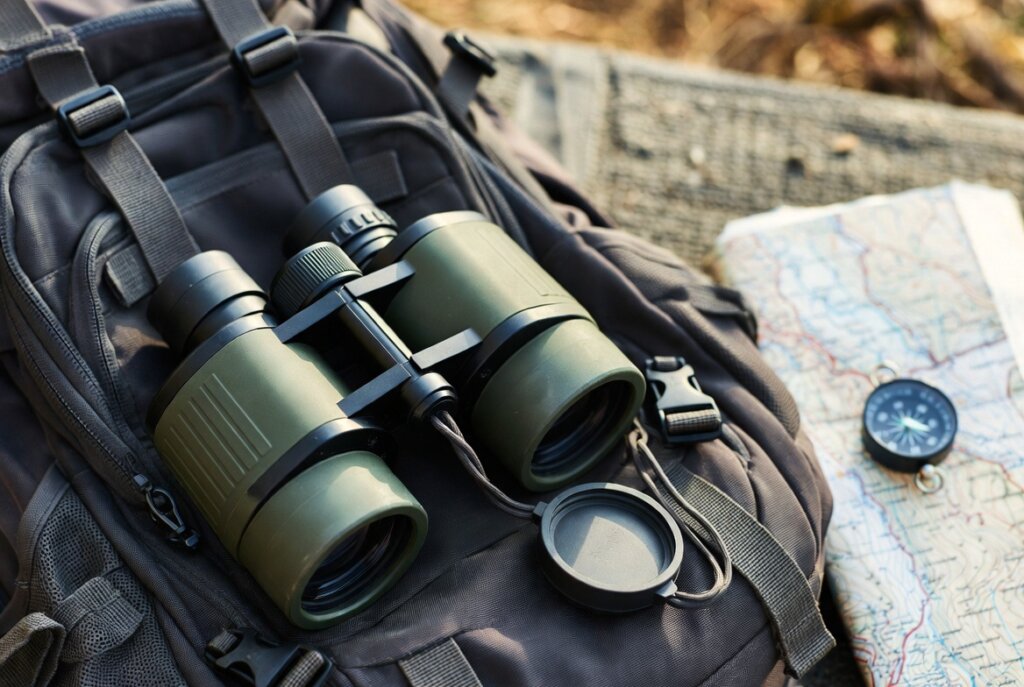
On a trail, your binoculars get bumped around more than you think. Dust, leaves, jacket zippers, straps, and backpack fabric can all touch the lenses.
Tethered binocular lens caps are useful because you can open them quickly for a view, then close them before walking again. No pocket searching. No “where did I put the cap?” moment.
This is one of those accessories that feels boring at home but feels brilliant outdoors.
Birding and Nature Watching
Birding often involves quick movement. You may raise your binoculars, lower them, walk a little, stop again, and repeat.
Loose caps slow that rhythm down. Tethered caps let you protect the objective lenses between viewing moments without interrupting the flow.
For birding setups, choose caps that open downward or to the side without blocking your hands. A cap that keeps flapping against the barrel can get irritating fast.
For more accessory comparisons, check our full guide on best binocular lens caps before choosing a replacement set.
Hunting and Low-Light Glassing
For hunting-style glassing, tethered caps are useful because binoculars often sit against clothing, harnesses, trees, truck seats, or the ground. The lenses need protection when you are not actively looking through them.
The key is quiet material. A stiff plastic cap that snaps loudly is not ideal. Soft rubber tethered binocular lens caps are usually better because they open quietly and stay flexible in cooler weather.
Marine and Wet Conditions
Near water, lens caps matter more. Salt spray, mist, and wet fingers can leave marks on coatings.
Tethered caps will not waterproof your binoculars, but they help reduce direct exposure when the binoculars are hanging from your neck or sitting on a boat seat.
For marine use, look for a snug fit. Loose caps can pop open too easily when gear is moving around.
How to Choose the Right Tethered Binocular Lens Caps
1. Match the Objective Lens Size
The first number to check is your binocular size. For example:
8×42 binoculars have 42mm objective lenses.
10×50 binoculars have 50mm objective lenses.
That second number matters because it tells you the front lens diameter. If your binoculars are 8×42 or 10×42, visit our guide on 42mm binocular lens caps to compare fit and replacement options.
For larger models, especially 10×50 or 12×50 binoculars, our 50mm binocular lens caps article will help you avoid buying caps that are too tight or too loose.
2. Check the Outer Barrel Diameter
This is where many buyers mess up.
The objective lens size is not always the same as the outer diameter of the binocular barrel. A 42mm binocular may need a cap that fits a slightly larger outer rim because of the housing around the lens.
So do not buy only based on “42mm” unless the product is made for your exact binocular model.
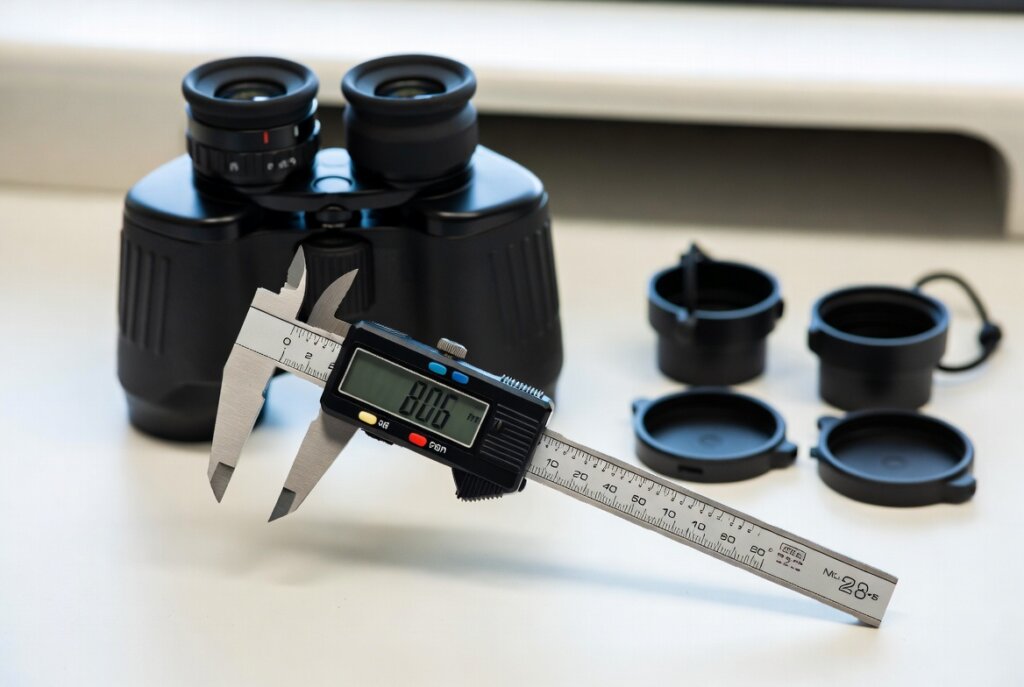
A cheap measuring caliper helps here. Measure the outside edge of the objective barrel, not the glass itself.
3. Choose Soft Rubber Over Hard Plastic
For tethered binocular lens caps, soft rubber is usually better than hard plastic.
Soft rubber grips better, moves quietly, and is less likely to crack when pulled or twisted. Hard plastic can work for storage, but it feels less forgiving in the field.
4. Make Sure the Tether Does Not Block Your Grip
Some tethered caps attach around the binocular barrel. Others connect through a small ring or loop.
A bad tether position can rub your fingers, interfere with focusing, or twist awkwardly when you lift the binoculars.
Small detail, big difference.
Recommended Product: Vortex Crossfire 42mm Tethered Objective Cap Set
For users with compatible Vortex Crossfire 42mm binoculars, the Vortex Crossfire 42mm Tethered Objective Cap Set is a sensible replacement pick. Vortex lists this cap set as a replacement option for compatible Crossfire 42mm binoculars, making it a more reliable direct-fit choice than a random universal cap.
This is the kind of product I prefer recommending for lens caps: model-specific, simple, and not overcomplicated.
It makes the most sense if:
| Best For | Why It Works |
|---|---|
| Vortex Crossfire 42mm users | Designed for that binocular size |
| Lost original caps | Practical replacement set |
| Outdoor use | Tethered design keeps caps attached |
| Budget-conscious buyers | Low-cost accessory compared with replacing damaged optics |
Do not buy it blindly for every 42mm binocular. Model-specific caps can fit poorly on other brands or barrel shapes. If you use another binocular brand, measure first or look for caps made for your exact model.
Pros and Cons of Tethered Binocular Lens Caps
Pros
- Hard to lose because they stay attached.
- Easy to open and close during outdoor use.
- Save time in the field.
- Good for kids, beginners, and casual users.
- Encourage regular lens protection.
Cons
- Some caps swing while walking.
- Tight caps can be annoying to remove.
- Loose caps may pop off easily.
- Cheap rubber can stretch over time.
- Some users may not like their bulky look.
Still, for field use, the benefits usually win.
Common Buying Mistakes
Buying Only by Lens Size
This is the biggest mistake.
A product that says “42mm” may not fit every 42mm binocular. Barrel shape, rim thickness, armor design, and outer diameter all matter.
Ignoring Cap Depth
A shallow cap can fall off easily. A very deep cap may fit securely but become irritating to remove quickly.
For outdoor use, you want that middle ground: snug, but not stubborn.
Choosing the Cheapest Set Without Checking Material
Cheap tethered binocular lens caps can work, but thin rubber often stretches or tears faster.
If you use binoculars often, spend a little more for better material. The difference is not huge in price, but it can be huge in daily use.
Forgetting About Eyepiece Protection
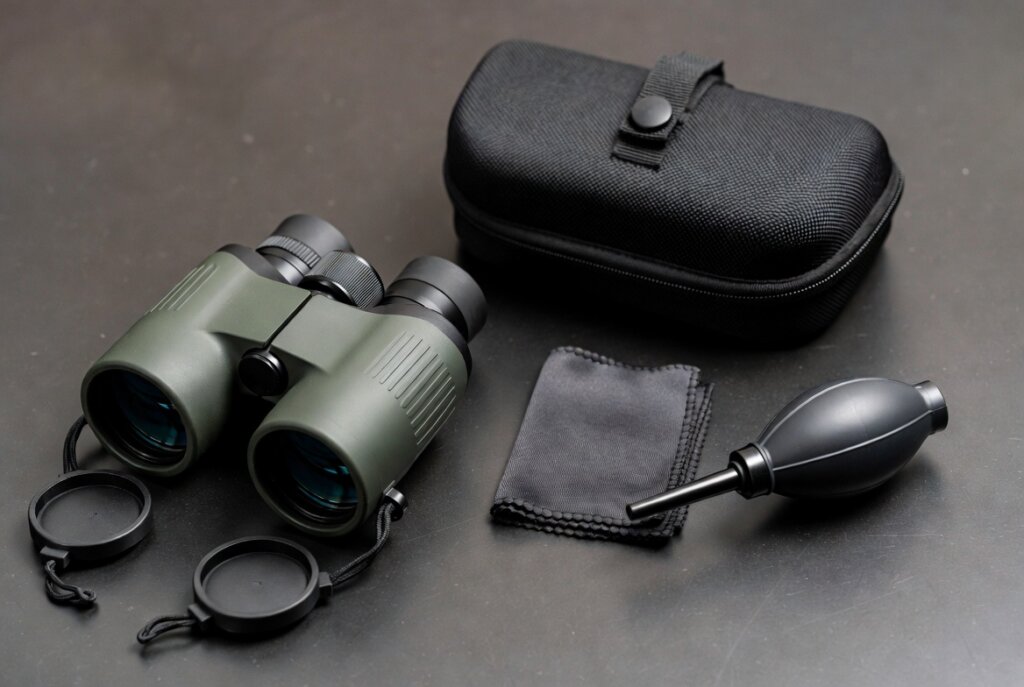
Objective caps protect the front lenses. Your eyepieces still need protection too.
A rainguard-style eyepiece cover is worth using, especially if your binoculars hang from a neck strap or chest harness.
Real-World Buyer Psychology: Why People Actually Switch to Tethered Caps
Most people do not upgrade lens caps because they want a “premium accessory.”
They upgrade because something annoying happened.
- They lost a cap on a trail.
- They scratched a lens coating in a backpack.
- They kept touching the glass while pulling binoculars out of a case.
- They bought used binoculars and the original caps were missing.
- They realized replacement caps are cheaper than careless lens damage.
That is the real reason tethered binocular lens caps sell. They reduce tiny problems that become expensive problems later.
Are Universal Tethered Binocular Lens Caps Any Good?
Universal caps can be useful, but they are not magic.
They work best when the fit range is close to your binocular’s actual barrel diameter. Stretchy rubber universal caps can handle slight size differences, but if the size is way off, they will either slip or feel too tight.
Use universal tethered binocular lens caps when:
| Situation | Universal Caps Make Sense? |
|---|---|
| Original caps are unavailable | Yes |
| Binoculars are an older model | Yes |
| You know the outer barrel diameter | Yes |
| You only know the lens size | Risky |
| You want a perfect factory-style fit | Not always |
For expensive binoculars, I would try model-specific caps first. For budget binoculars, universal tethered caps are often good enough.
Quick Care Tips for Longer Cap Life
Do not yank the tether when removing the cap. Pull from the cap edge instead.
Keep the caps clean. Grit stuck inside the cap can rub against the lens rim or housing.
Avoid storing rubber caps in high heat for long periods. Heat can make cheap rubber stretch faster.
If the caps get wet, let them dry before putting the binoculars into a closed case.
For more practical binocular care and buying advice, visit the Best Binocular home page and explore the latest posts on our blog page.
FAQs About Tethered Binocular Lens Caps
What are tethered binocular lens caps used for?
Tethered binocular lens caps protect the objective lenses from dust, moisture, fingerprints, and scratches while staying attached to the binoculars. They are useful for outdoor users who do not want to lose loose caps.
Are tethered binocular lens caps better than regular caps?
For hiking, birding, hunting, travel, and marine use, tethered binocular lens caps are usually better because they stay connected and are faster to open and close. Loose caps can still work well for storage or casual use.
How do I know what size tethered binocular lens caps to buy?
Check your binocular model first, then measure the outside diameter of the objective barrel. Do not rely only on the lens size, because the outer housing may be larger than the glass measurement.
Can I use 42mm lens caps on any 42mm binoculars?
Not always. Many 42mm binoculars have different barrel shapes and outer diameters. A 42mm cap may fit one model perfectly and feel loose or tight on another.
Do tethered lens caps damage binoculars?
Good tethered binocular lens caps should not damage binoculars when fitted correctly. Problems usually happen when caps are forced onto the wrong size barrel or when rough material rubs against the housing.
Are universal tethered binocular caps worth it?
Universal tethered caps are worth it when original replacement caps are unavailable or too expensive. They are best for users who measure carefully and choose a size range close to their binocular’s outer barrel diameter.
Final Verdict: Should You Use Tethered Binocular Lens Caps?
Yes, if you actually take your binoculars outside.
Tethered binocular lens caps are not exciting, but they are useful in the exact way good gear should be useful. They make lens protection easier, reduce lost caps, and help your binoculars stay cleaner between viewing sessions.
For casual users, they are a simple convenience upgrade. For regular outdoor users, they are close to essential.
The best choice is a model-specific cap set when available. If not, a well-measured universal set can still do the job. Just do not guess the size. Measure once, buy once, and save yourself the headache later.




