
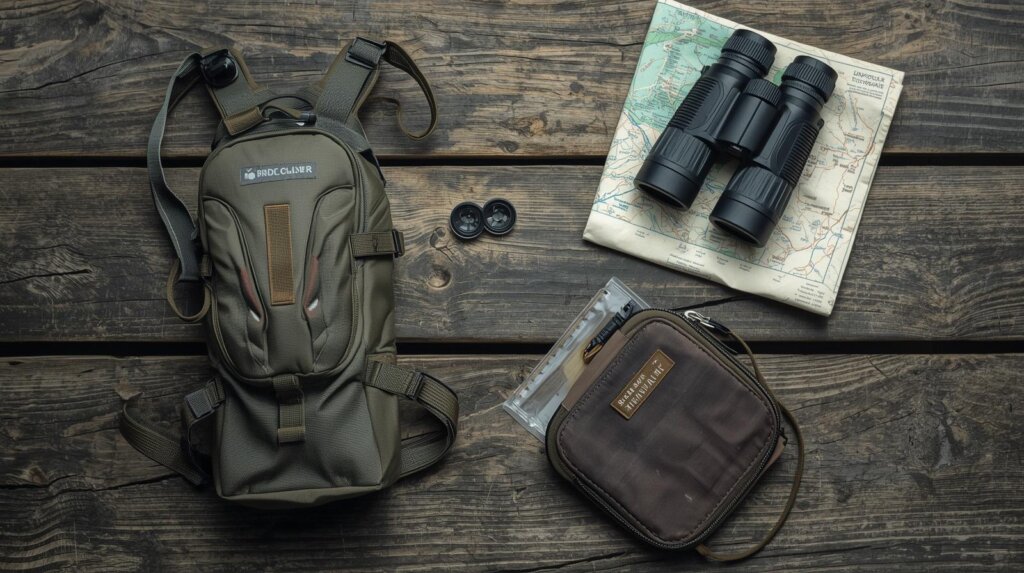
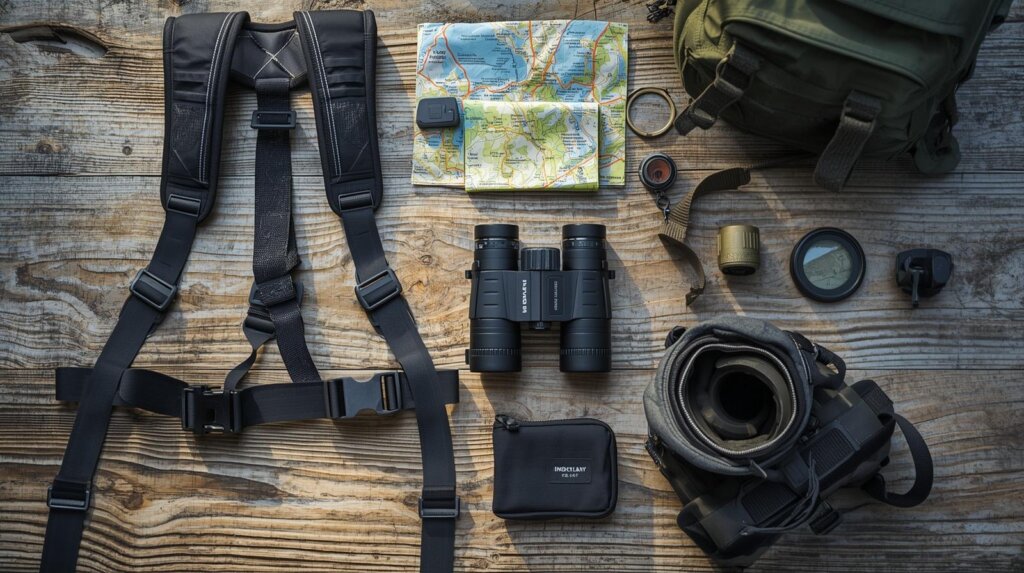
Why a Lightweight Binocular Harness Makes Outdoor Viewing Easier
The best lightweight binocular harness solves one annoying problem: carrying binoculars without feeling like you have a strap slowly cutting into your neck. If you walk trails, scan ridgelines, birdwatch from wetlands, or travel with compact binoculars, a bulky chest pack can feel like too much gear. A lightweight harness keeps your binoculars close, reduces bounce, and lets you move naturally without turning every outing into a gear-management session.
The right choice is not always the biggest or most padded option. In fact, for many people, the best lightweight binocular harness is the one you barely notice after ten minutes. It should spread weight across your shoulders, hold the binoculars high enough to stop swinging, and stay cool under a jacket or daypack. That balance matters more than flashy pockets, oversized padding, or “tactical” styling that looks useful online but feels hot and stiff in the field.
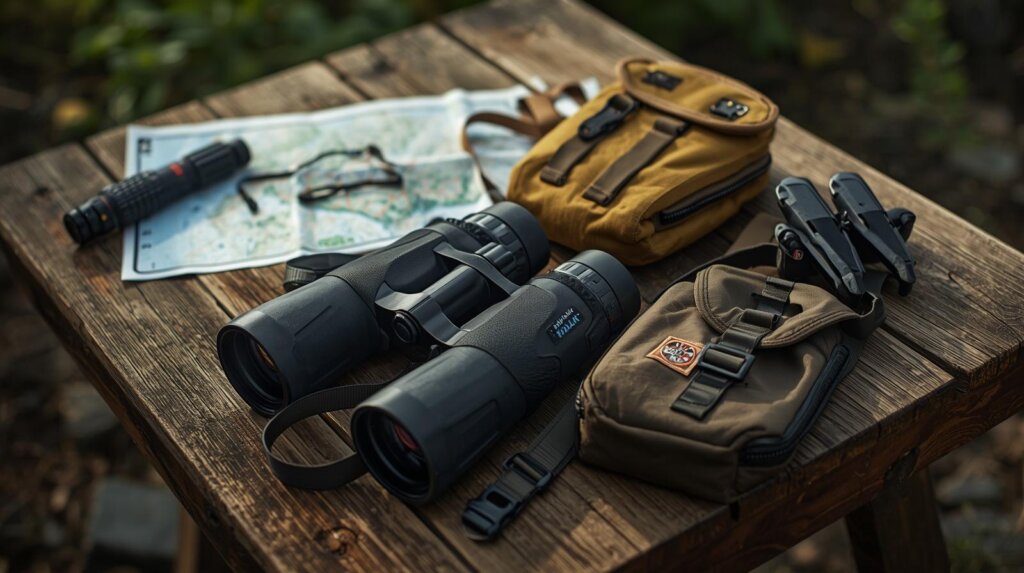
Why a Lightweight Binocular Harness Makes More Sense Than a Neck Strap
A neck strap is fine for ten minutes. After one long morning, it becomes the thing you keep adjusting, sliding, and complaining about. The binoculars bounce when you walk downhill, slap your chest when you hurry, and pull on your neck when you stop to glass.
A lightweight binocular harness changes the carry point. Instead of hanging all the weight from your neck, it spreads pressure around your shoulders and upper body. That makes compact binoculars feel almost invisible and mid-size binoculars much easier to carry.
For users who already own a larger setup, our full best binocular harness guide covers broader options. But if your goal is less weight, less sweat, and less bulk, this article focuses only on harnesses that suit movement-heavy use.
Who Should Buy the Best Lightweight Binocular Harness?
A best lightweight binocular harness is ideal for people who care more about comfort and speed than storage.
Hikers and Backpackers
When you already have a backpack, waist belt, water bottle, phone, and maybe trekking poles, the last thing you need is a heavy binocular chest pack. A slim harness works better because it sits under backpack straps without fighting them.
For hiking, the best lightweight binocular harness should keep the binoculars high on the chest. If they hang too low, they swing into your stomach on climbs. If they sit too tight, you feel restricted when breathing hard.
Birdwatchers Who Move Between Spots
Birdwatchers often carry binoculars for hours but only lift them for quick windows of action. A lightweight harness makes sense because it keeps the binoculars ready without adding a bulky case.
This matters when you are moving between shaded paths, boardwalks, and open fields. You want one smooth lift, not a tangled strap or a pack flap in the way.
Travelers and Sightseers
For travel, the best lightweight binocular harness should be low-profile. You may not want a large chest pack in museums, viewing decks, cruise decks, safari vehicles, or city viewpoints. A minimal harness gives support without making your optics setup look too obvious or bulky.
Hunters Carrying Smaller Binoculars
Hunters using 8×32, 10×32, or light 10×42 binoculars may not need a padded enclosed bino pack. A lightweight harness can be enough for scouting, treestand use, quick glassing, and short stalks.
However, if you carry large 12×50 or heavy rangefinding binoculars, read our supporting article on best binocular harness for heavy binoculars because bigger optics usually need more structure.
Lightweight Harness vs Chest Pack vs Neck Strap
| Carry Style | Best For | Main Advantage | Main Weakness |
|---|---|---|---|
| Neck strap | Short casual use | Simple and cheap | Neck fatigue and bounce |
| Lightweight harness | Hiking, birding, travel | Low bulk and better comfort | Less storage/protection |
| Enclosed chest pack | Hunting, rough weather, heavy optics | Protection and pockets | Heavier and warmer |
| Padded shoulder harness | Long glassing sessions | Better weight spread | Can feel bulky under backpacks |
The best lightweight binocular harness sits in the middle. It is more comfortable than a neck strap but less bulky than a full chest pack. That is exactly why it works so well for compact binoculars and all-day walking.
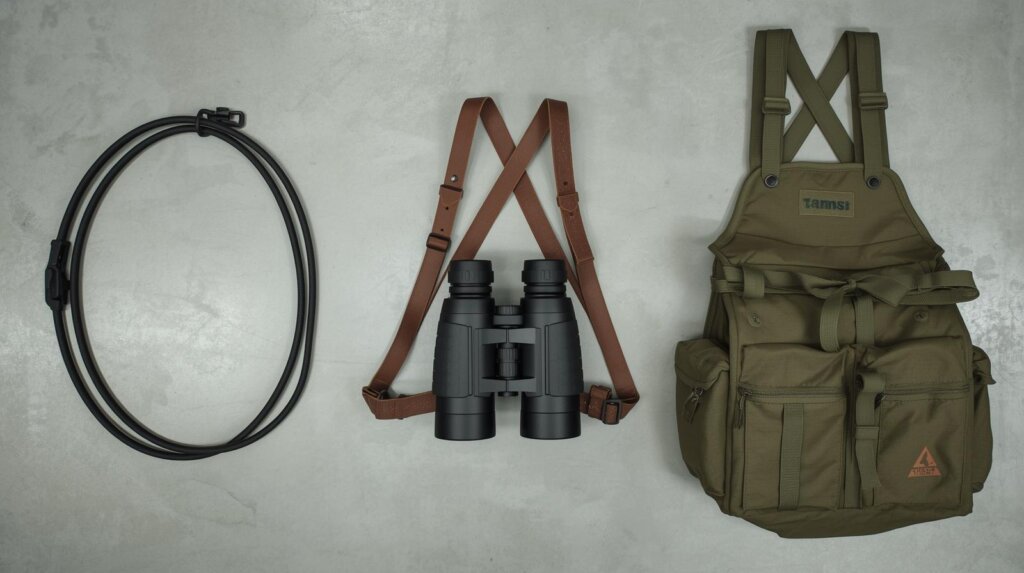
What Makes a Harness Truly Lightweight?
Some brands call a harness “lightweight” just because it is smaller than a hunting chest pack. That is not enough. A true lightweight binocular harness should feel minimal in three areas: weight, heat, and movement restriction.
Minimal Strap Bulk
Wide straps can help with heavy binoculars, but they are not always better for lighter optics. On hot days, wide webbing traps sweat. Under a backpack, thick straps can stack awkwardly under shoulder pads.
A slim elastic or cord-style design often works better for lightweight use. It reduces contact points and avoids that wrapped-up feeling around your torso.
Stable Enough to Stop Bounce
Lightweight does not mean loose. A bad lightweight harness lets binoculars swing around like a necklace. Good harness tension keeps binoculars close without making your chest feel compressed.
The sweet spot is simple: the binoculars should move easily to your eyes but return close to your body when released.
Quick Adjustment
A best lightweight binocular harness should adjust fast over different layers. Morning fleece, afternoon T-shirt, and rain shell should not require five minutes of strap wrestling.
One-point or simple adjustment systems are especially useful if you change clothing often during hikes or travel days.
Recommended Product: Rick Young Outdoors Ultra-Light Bino Harness
For one highly relevant pick, the Rick Young Outdoors Ultra-Light Bino Harness is the product I would place closest to the “lightweight first” category. It uses a shock-cord style design rather than a bulky padded chest pack, and The Rick Young Outdoors Ultra-Light Bino Harness is commonly available in different versions, including basic and safety-focused options.
What makes it stand out is the practical field logic. It is not trying to be a storage pouch, rangefinder pocket, survival kit, and binocular carrier at the same time. It focuses on reducing bounce, spreading load, and staying cool. Retail descriptions also highlight features like compact carry, reduced heat buildup, less wind vibration than flat straps, and multiple wearing positions.
Why I Like It
The Rick Young design makes sense for hikers, birders, and travelers using compact or mid-size binoculars. The harness is small enough to pack easily, does not create a sweaty chest panel, and works well when you want fast access without carrying a full bino case.
Where It Is Not Perfect
It is not the best choice if you want weather protection, lens-cover storage, wind checker pockets, phone storage, or silent enclosed carry for rough hunting. For that, a padded bino chest pack makes more sense.
Pros
- Lightweight and cooler in warm weather
- More comfortable with backpacks
- Reduces neck strain on long walks
- Quick and easy binocular access
- Less bulky during travel or hiking
Cons
- Less protection from rain, dust, and bumps
- Not ideal for very heavy binoculars
- Limited storage for accessories
- May allow some bouncing with larger optics
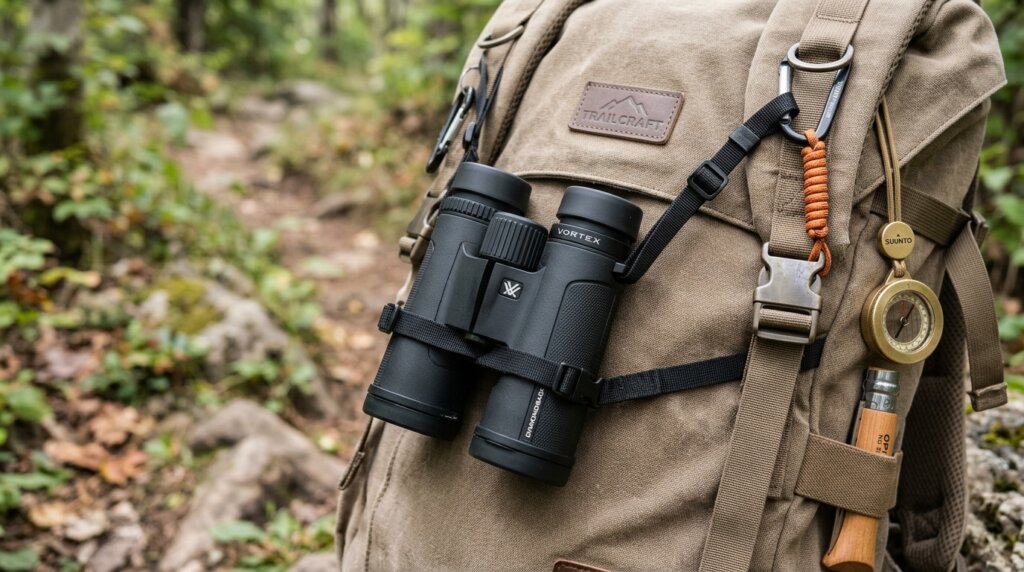
Best Real-World Use Cases
Fast Trail Walking
On a trail, binoculars need to stay close. If they swing every time your foot lands, you will start holding them with one hand, which defeats the point of wearing a harness.
A lightweight harness is especially useful on rolling terrain. It keeps optics from bouncing on descents and stops the neck-pull feeling during climbs.
Warm Weather Birding
In summer, a padded chest pack can feel like wearing a small pillow on your chest. That gets old fast.
For warm-weather birding, the best lightweight binocular harness gives enough support without trapping heat. Pair it with compact 8×32 or 8×42 binoculars and you get a setup that feels relaxed for hours.
Cruise and Travel Viewing
Travel users often need binoculars for short viewing moments: coastline, mountains, wildlife areas, architecture, or sports from a distance. A heavy harness is overkill.
A slim harness can be worn under a light jacket and packed into a small pocket when not needed.
Long Use With Moderate Binoculars
If you use binoculars for hours, comfort becomes more important than extra features. For more help with pressure points, strap fit, and shoulder fatigue, read our article on comfortable binocular harness for long use. It goes deeper into fit and all-day wear.
Buyer Tips Before Choosing a Lightweight Harness
Match the Harness to Your Binocular Weight
The best lightweight binocular harness for 8×32 binoculars may not be the best option for 12×50 binoculars. Smaller binoculars work well with slim elastic systems. Heavier optics need wider support, stronger attachment points, or a more structured chest pack.
Check How It Works With Your Backpack
This is where many buyers make a mistake. They test the harness at home without wearing their daypack. Then on the trail, they discover the straps overlap badly.
Before committing, wear the harness with your usual backpack. Move your arms, bend forward, and lift the binoculars several times. If the harness rubs under your pack straps, you will notice it quickly.
Think About Weather Protection
A lightweight harness carries binoculars. It does not protect them like a hard case or enclosed pouch.
If you hike in dusty, wet, or rocky terrain, keep lens covers attached and consider a small protective pouch in your pack. Lightweight comfort is great, but exposed lenses still need care.
Avoid Overbuying
Buyer psychology is funny. People often buy the biggest, most feature-packed harness because it feels like better value. Then they stop wearing it because it is too warm, too bulky, or too much for casual use.
For compact binoculars, the better choice is often the simpler one. Less gear usually means more actual use.
Common Mistakes to Avoid
Choosing Storage Over Comfort
Extra pockets look useful online. In real use, they add bulk. If your main goal is lightweight carry, do not turn your harness into a mini backpack.
Wearing the Binoculars Too Low
Low-hanging binoculars bounce more. They also take longer to bring to your eyes. Keep them high enough that they rest around the upper chest, not the stomach.
Ignoring Attachment Clips
Cheap clips can squeak, rattle, or feel awkward when removing binoculars. Look for secure connection points that allow smooth movement.
Using It Without Lens Covers
Because lightweight harnesses usually leave binoculars exposed, lens covers matter. Keep objective and eyepiece covers handy, especially around dust, brush, sand, or drizzle.
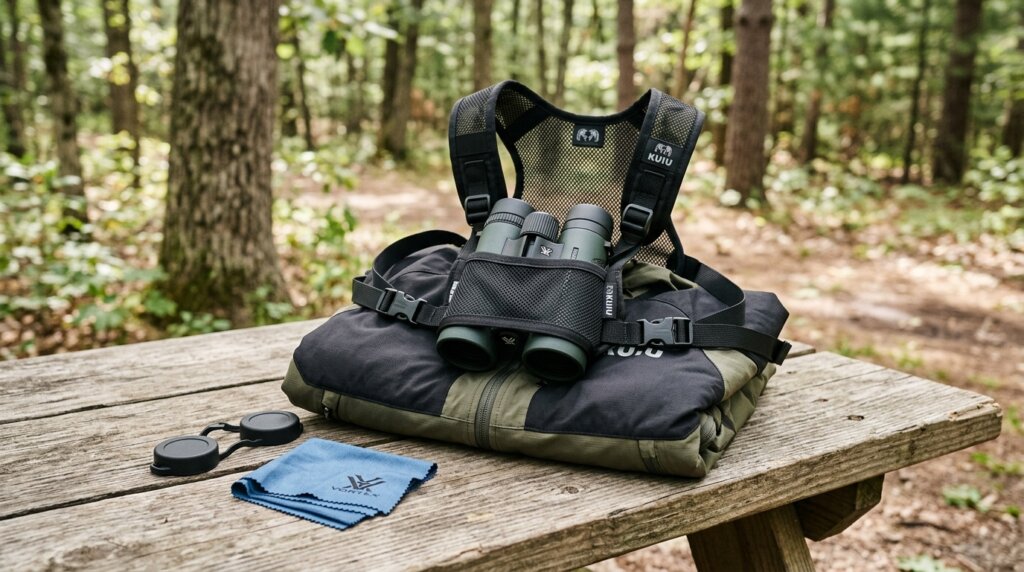
Best Lightweight Binocular Harness Setup by Activity
| Activity | Ideal Binocular Size | Harness Style | Best Reason |
|---|---|---|---|
| Hiking | 8×32 or 10×32 | Slim elastic harness | Low bulk under backpack |
| Birdwatching | 8×42 | Lightweight shoulder harness | Fast lift and less neck fatigue |
| Travel | Compact 8×25 or 10×25 | Minimal cord harness | Easy packing and low profile |
| Hunting scout trips | 10×42 | Stable lightweight harness | Less bounce while walking |
| Long observation | 8×42 or 10×42 | Comfortable padded-light hybrid | Better pressure control |
Final Verdict: What Is the Best Lightweight Binocular Harness?
The best lightweight binocular harness is the one that disappears while you are walking but still keeps your binoculars ready when something worth seeing appears. For most hikers, birders, and travelers, that means choosing a slim, breathable harness instead of a bulky enclosed chest pack.
My practical pick is the Rick Young Outdoors Ultra-Light Bino Harness because it focuses on the exact things lightweight users care about: low bulk, flexible carry, reduced bounce, and better comfort in warm conditions. It is not the most protective option, but that is not its job. Its job is to make binoculars easier to carry so you actually use them more.
For a wider comparison across all harness types, visit the main best binocular harness page. You can also explore more field-tested optics tips on the Best Binocular blog tips page and visit the BestBinocular.net home page for more binocular buying help.
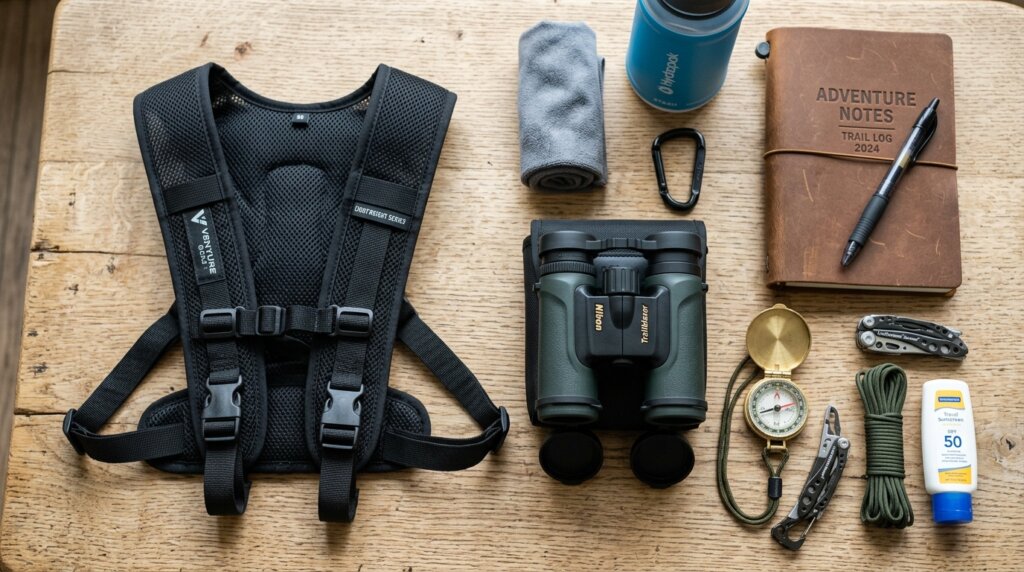
FAQs About the Best Lightweight Binocular Harness
What is the best lightweight binocular harness for hiking?
The best lightweight binocular harness for hiking is a slim, breathable harness that keeps binoculars high on the chest without interfering with backpack straps. Avoid oversized chest packs unless you need extra protection or storage.
Is a lightweight binocular harness better than a neck strap?
Yes, for long walks or repeated use. A neck strap is simpler, but it puts pressure on your neck and allows more bounce. A lightweight harness spreads weight better and keeps binoculars closer to your body.
Can I use a lightweight harness with heavy binoculars?
You can, but it may not be ideal. Heavy binoculars often need more structure and wider support. For large optics, a dedicated heavy-duty harness is usually more comfortable and stable.
Are lightweight binocular harnesses good for birdwatching?
Yes. Birdwatchers often benefit from lightweight harnesses because they allow quick access while reducing neck strain during long walks. They are especially useful with 8×32, 8×42, and 10×42 binoculars.
Do lightweight harnesses protect binoculars?
Not as much as enclosed chest packs. A lightweight harness mainly improves carry comfort and access. Use lens covers and store binoculars in a padded case when traveling or moving through rough conditions.
Should I choose a lightweight harness or a chest pack?
Choose a lightweight harness if comfort, breathability, and low bulk matter most. Choose a chest pack if you need weather protection, accessory storage, and better control for heavier binoculars.




