
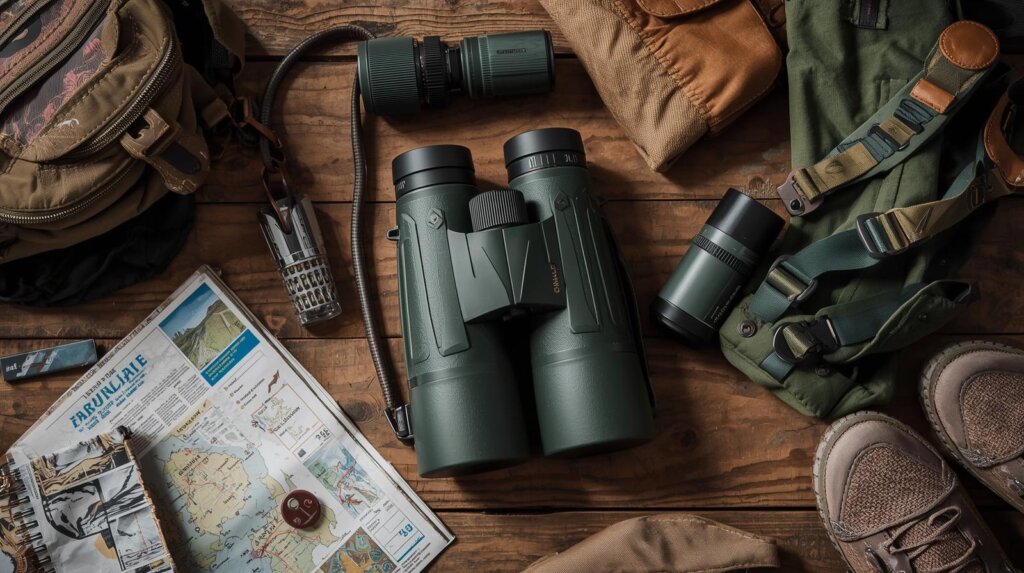
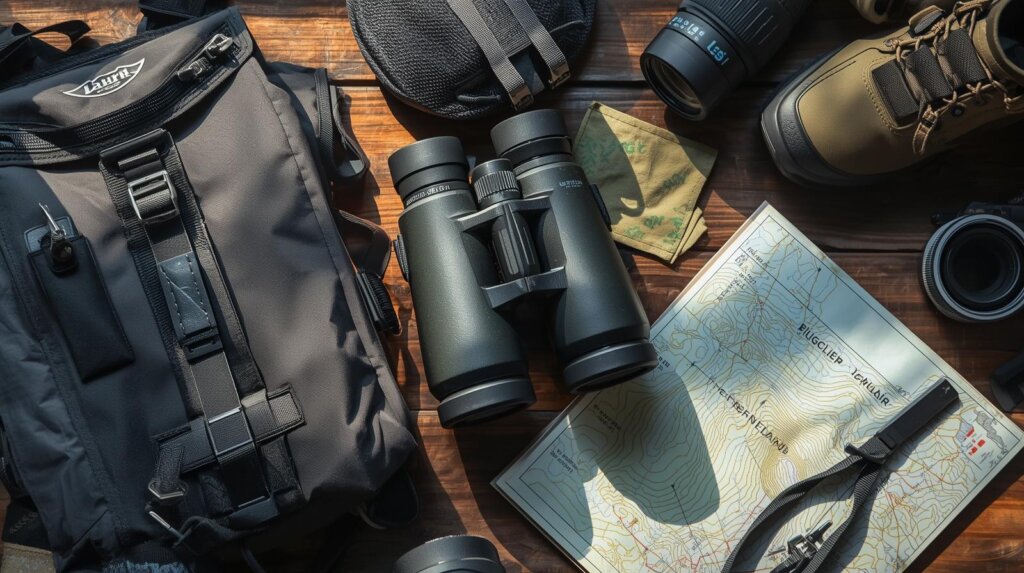
Best Binocular Harness for Comfort and Stability
A good binocular can help you spot movement, read terrain, follow birds, glass ridgelines, or catch details you would miss with the naked eye. But carrying that same binocular the wrong way can turn it into a swinging, bouncing, neck-pulling problem.
That is where the best binocular harness earns its place.
A neck strap is fine for a short walk from the truck to a viewpoint. But once you start hiking uphill, crawling through brush, sitting in cold wind, climbing over deadfall, or carrying 10×42, 10×50, 12×50, or rangefinding binoculars, a simple strap starts to feel outdated. A binocular harness spreads weight across your shoulders and chest, keeps optics tight to your body, protects lenses from dust and bumps, and lets you grab your glass quickly without digging through a pack.
The best binocular harness is not always the most expensive one. It depends on what you carry, how long you wear it, how quiet it needs to be, and whether you want a simple open harness or a fully enclosed binocular chest pack.
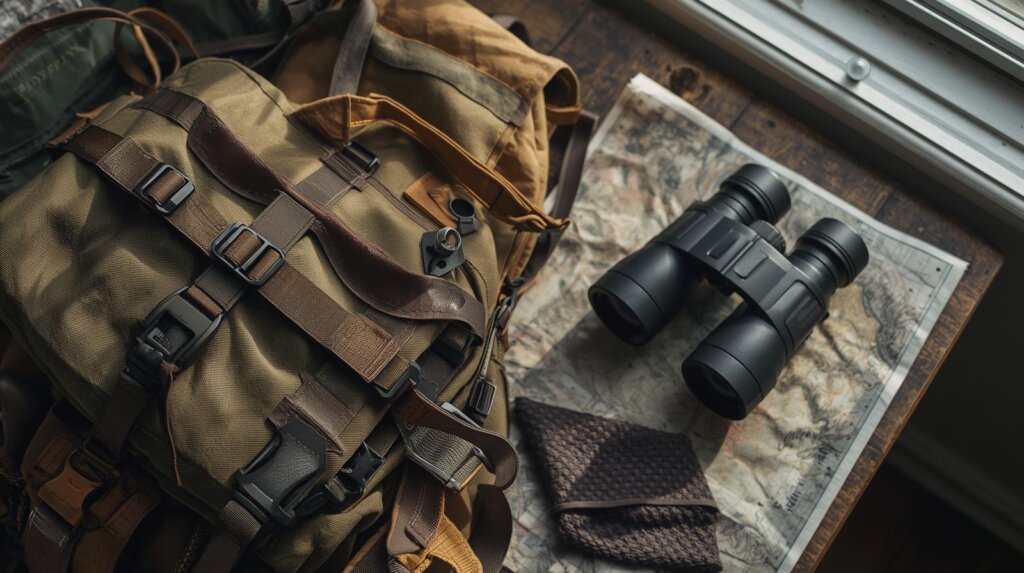
What Makes the Best Binocular Harness Worth Buying?
The best binocular harness solves three problems at once: comfort, protection, and access.
Comfort matters because binoculars feel heavier after hours in the field. Even a compact 8×42 can become annoying when it keeps bouncing against your ribs. Heavy binoculars are worse. A harness transfers that weight from your neck to your shoulders and upper body, making long glassing sessions easier.
Protection matters because binoculars are not cheap. Dust, rain, sweat, branches, and accidental knocks can slowly damage coatings, eyecups, focus wheels, and lens caps. A good binocular harness keeps the binocular secure instead of letting it swing around like a loose camera.
Access matters because the whole point of carrying binoculars is to use them quickly. If the harness is awkward, noisy, or too tight, you will stop using it properly. The best binocular harness lets you pull the binocular out with one hand, glass naturally, and return it without looking down every time.
In simple words, the right harness should feel boring in the best way. You forget it is there until you need your binoculars.
Quick Comparison: Best Binocular Harness Options by Use Case
| Use Case | Best Harness Type | What to Look For | Good Product Examples |
|---|---|---|---|
| Hunting | Enclosed binocular chest harness | Quiet opening, tethers, weather protection, rangefinder pouch | Marsupial Gear Enclosed, FHF Gear, Vortex GlassPak Pro |
| Hiking | Lightweight binocular harness | Low weight, breathable straps, no bulky front pouch | Rick Young Ultra-Light, simple elastic harness |
| Heavy binoculars | Structured chest pack | Padded shoulder straps, rigid pouch, strong tethers | Alaska Guide Creations, Marsupial Gear Large, Vortex GlassPak Pro Large |
| Birding | Comfortable low-profile harness | Smooth access, minimal bulk, easy adjustment | Rick Young, Leupold GO Afield, Vortex |
| Budget buyers | Basic bino harness or pouch | Secure fit, decent padding, adjustable straps | Leupold GO Afield, entry-level Vortex options |
| Premium setup | Modular chest pack | Accessory pouches, magnetic lid, rangefinder space | FHF Gear, Marsupial Gear, Badlands Bino XR |
Best Overall Binocular Harness: Marsupial Gear Enclosed Binocular Pack
For most serious outdoor users, the Marsupial Gear Enclosed Binocular Pack is one of the strongest choices. Its fully enclosed design makes it useful for hunting, hiking, and glassing in dusty, wet, or rough conditions. It offers strong side coverage, quick access, and a field-friendly lid system for better protection and usability.
What I like about this style is that it does not feel like a soft pouch pretending to be protective. It feels like a real chest-mounted home for your binoculars. The magnetic lid opens quickly, and because the lid folds away from your body, it does not fight your hand when you are trying to glass fast.
This is the kind of harness that makes sense when your binoculars are not just accessories. If you are carrying expensive 10×42 or 12×50 glass, the extra coverage feels justified.
Best for: hunters, western glassing, dusty trails, wet weather, premium binocular protection.
Pros
- Fully enclosed design protects better than open harnesses
- One-handed access feels natural
- Good option for 10×42 and larger binoculars
- Modular design works well with accessories
Cons
- More expensive than basic harnesses
- Bulkier than ultralight strap-style harnesses
- Magnetic closures may not suit everyone
Best Binocular Harness for Hunting: FHF Gear Bino Harness
If your main use is hunting, FHF Gear deserves serious attention. FHF Gear is a strong option for hunters who want a low-profile, quiet, and field-focused binocular harness with practical storage and secure optic support.
The reason many hunters like this style is simple: it does not feel overbuilt just for looks. It sits close, keeps the binocular stable, and avoids unnecessary movement. In hunting situations, tiny annoyances become big problems. A loud zipper, a loose buckle, or a bouncing pouch can ruin your focus.
The FHF Gear setup is especially appealing if you want a binocular chest harness that feels slim but still serious. It is not the cheapest option, but it fits the buyer who wants purpose-built hunting gear instead of a general outdoor pouch.
Best for: bowhunting, rifle hunting, spot-and-stalk hunting, mobile hunters.
Pros
- Quiet, low-profile design
- Good accessory access
- Works well for active hunting
- Tethers add security for expensive optics
Cons
- Premium pricing
- Less protective than some fully enclosed bulky packs depending on model
- Accessory setup can increase total cost
Want a deeper hunting-focused comparison? Read [best binocular chest harness for hunting] before choosing a field setup that will sit on your chest for full-day hunts.
Best Binocular Harness for Heavy Binoculars: Alaska Guide Creations
Heavy binoculars expose weak harnesses quickly. A thin elastic strap may feel fine with compact optics, but put 12×50 binoculars or large rangefinding binoculars on it and the comfort disappears.
Alaska Guide Creations is built for rugged use and is known for durable binocular packs made for demanding wilderness conditions. Alaska Guide Creations is a strong choice for users who want a rugged binocular harness with good protection, storage, and practical field usability.
This is the type of harness I would consider if your binoculars are expensive, heavy, or part of a larger hunting system. The structured pouch and chest-pack layout feel more supportive than a minimalist harness. It may not be the sleekest choice for a casual day hike, but for heavy optics, support matters more than looking minimal.
Best for: 10×50, 12×50, rangefinding binoculars, mountain hunting, harsh terrain.
Pros
- Strong structure for heavier glass
- Good protection and storage
- Designed for rugged field use
- Comfortable for serious load-bearing
Cons
- Can feel bulky
- Not ideal for casual birding
- More harness than some users need
If your binoculars already feel heavy after one hour, save yourself the shoulder ache and read [best binocular harness for heavy binoculars] before buying a lightweight model that cannot handle the load.
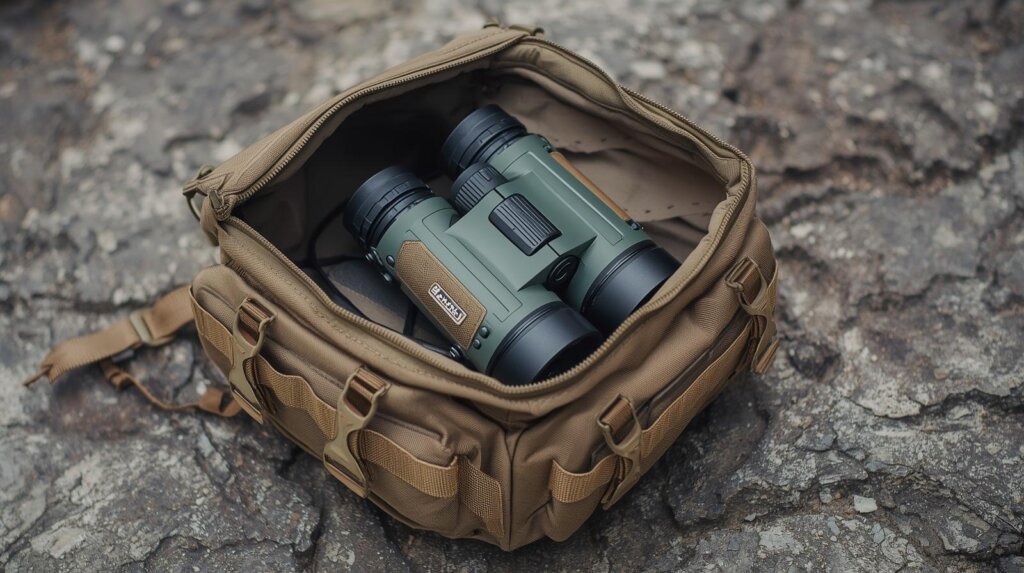
Best Lightweight Binocular Harness: Rick Young Ultra-Light
Not everyone needs a full chest pouch. For hiking, birding, travel, or casual nature walks, a lightweight harness can be more enjoyable than a bulky binocular pack.
The Rick Young Ultra-Light binocular harness is a popular minimalist option. The Rick Young Ultra-Light binocular harness uses a minimalist shock-cord style design that helps balance the binoculars while keeping the setup light and easy to wear.
The appeal here is freedom. There is no big box on your chest. No lid. No storage pockets. No feeling like you are wearing tactical gear just to watch birds or scan a valley.
Of course, the trade-off is protection. A lightweight strap-style harness will not shield binoculars from rain, dust, and branches the way an enclosed harness does. But for people who value mobility, airflow, and simplicity, it can be the best binocular harness style.
Best for: hiking, birding, travel, compact binoculars, warm weather.
Pros
- Very light
- Less chest bulk
- Easy to pack
- Good for casual use
Cons
- Minimal lens and body protection
- Not ideal for rough hunting conditions
- Less storage for accessories
For long miles, hot weather, or casual glassing, the smartest choice may be a lighter setup. Compare your options in [best lightweight binocular harness].
Best Modular Binocular Harness: Vortex GlassPak Pro
The Vortex GlassPak Pro is a strong choice for buyers who want a complete system without going too far into ultra-premium custom hunting gear. The Vortex GlassPak Pro is a practical modular binocular harness with padded protection, weather-resistant styling, adjustable fit, and size options for different binocular setups.
This harness makes sense if you want one setup for binoculars, small accessories, and possibly a rangefinder. The modular attachment points are useful because your needs change. One day you want only binoculars. Another day you want a wind checker, lens cloth, rangefinder, phone, or small field tool.
The GlassPak Pro also has a practical middle-ground personality. It is more protective than a simple strap harness, less niche than some backcountry hunting rigs, and more organized than a basic pouch.
Best for: all-around outdoor use, hunters, Vortex binocular owners, modular gear setups.
Pros
- Weather-resistant and padded
- Modular accessory compatibility
- Good size options
- Practical balance of price and function
Cons
- Still bulkier than minimalist harnesses
- May be more than casual users need
- Fit depends on binocular size
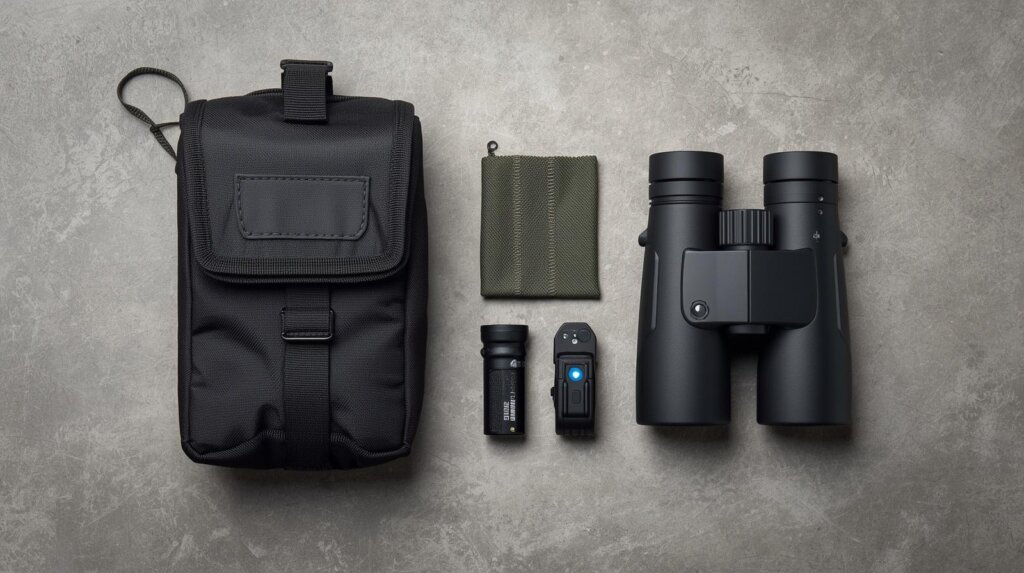
Best Affordable Binocular Harness: Leupold GO Afield
The Leupold GO Afield binocular harness is a practical budget-friendly option for buyers who want secure, accessible binocular carry without spending premium money. Its adjustable webbing helps keep binoculars closer to the body for a more stable setup.
This is not the most advanced bino harness in the world, and that is okay. Sometimes the best binocular harness is the one that solves the problem without overcomplicating your setup.
For entry-level hunters, weekend hikers, and people upgrading from a neck strap, this kind of harness makes a lot of sense. It gives you chest carry, better weight distribution, and basic storage without forcing you into a high-end modular ecosystem.
Best for: budget buyers, beginners, casual hunters, general outdoor use.
Pros
- Good value
- Non-elastic webbing feels stable
- Better than a neck strap for longer use
- Simple and practical
Cons
- Less premium than top-tier chest packs
- Fewer modular options
- May not be ideal for very large binoculars
A lower price does not always mean a bad setup. For practical picks that still protect your optics, check [affordable binocular harness].
Best Binocular Harness With Rangefinder Storage: Badlands Bino XR
If you carry both binoculars and a rangefinder, separate pockets matter. The Badlands Bino XR is useful for hunters who want separate space for binoculars and a rangefinder, along with secure carry and quick access in the field.
This is useful because rangefinders often end up in awkward places. A jacket pocket is slow. A backpack hip pocket may be blocked. A loose lanyard can swing. A dedicated rangefinder compartment keeps your glassing and ranging workflow cleaner.
The Bino XR is a smart option for hunters who do not want to stack multiple pouches randomly across their chest. It gives both tools a specific place.
Best for: rifle hunting, bowhunting, rangefinder users, organized chest carry.
Pros
- Dedicated rangefinder compartment
- Fast access to both optics
- Built-in tethers improve security
- Good for hunting workflows
Cons
- More bulk than binocular-only harnesses
- Not necessary for birders or hikers
- Best value only if you use a rangefinder often
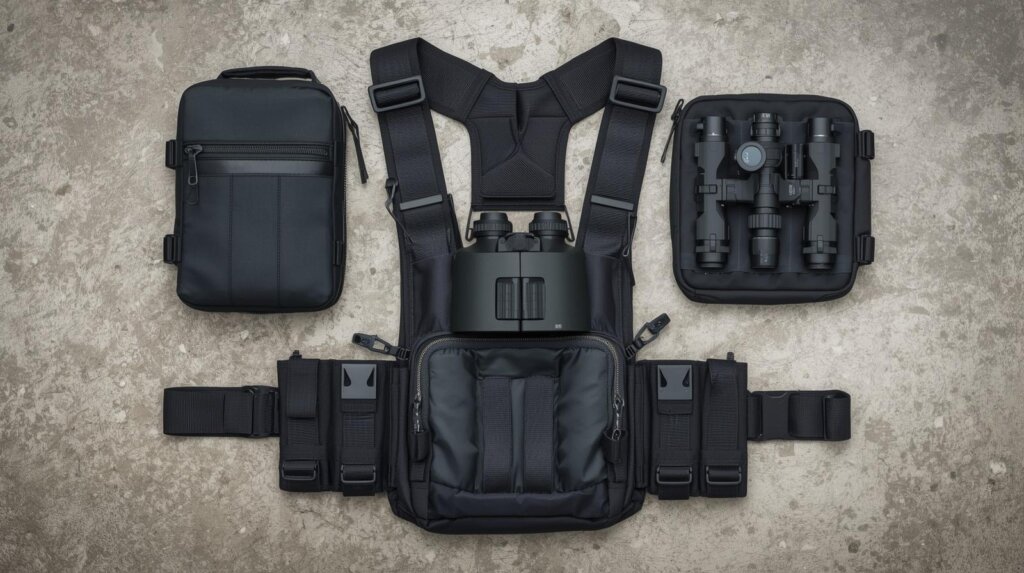
Open Harness vs Enclosed Binocular Chest Pack
This is one of the biggest decisions when choosing the best binocular harness.
An open harness is lighter, cooler, and easier to wear casually. It usually holds the binocular against your chest using elastic or cord-style straps. It does not add much protection, but it reduces neck strain and stops the binocular from swinging.
An enclosed binocular chest pack is more protective. It covers the binocular, stores accessories, and often includes tethers, padded interiors, magnetic closures, and weather-resistant materials. It is better for hunting, rough hiking, dusty areas, and expensive optics.
| Harness Style | Best For | Main Advantage | Main Trade-Off |
|---|---|---|---|
| Open strap harness | Birding, hiking, travel | Lightweight and breathable | Less protection |
| Semi-open pouch | General outdoor use | Better stability and some storage | Moderate protection |
| Fully enclosed chest pack | Hunting, harsh terrain, premium optics | Maximum protection and organization | More bulk |
| Modular harness system | Hunters and gear-heavy users | Customizable setup | Higher cost |
For me, the decision comes down to risk. If your binoculars are inexpensive and your trips are easy, an open harness is fine. If your binoculars are expensive and you move through brush, rain, dust, or steep terrain, an enclosed harness feels safer.
Comfort: The Detail Most Buyers Underestimate
Many buyers shop for the best binocular harness by looking at storage first. That is understandable, but comfort is what decides whether you actually wear it.
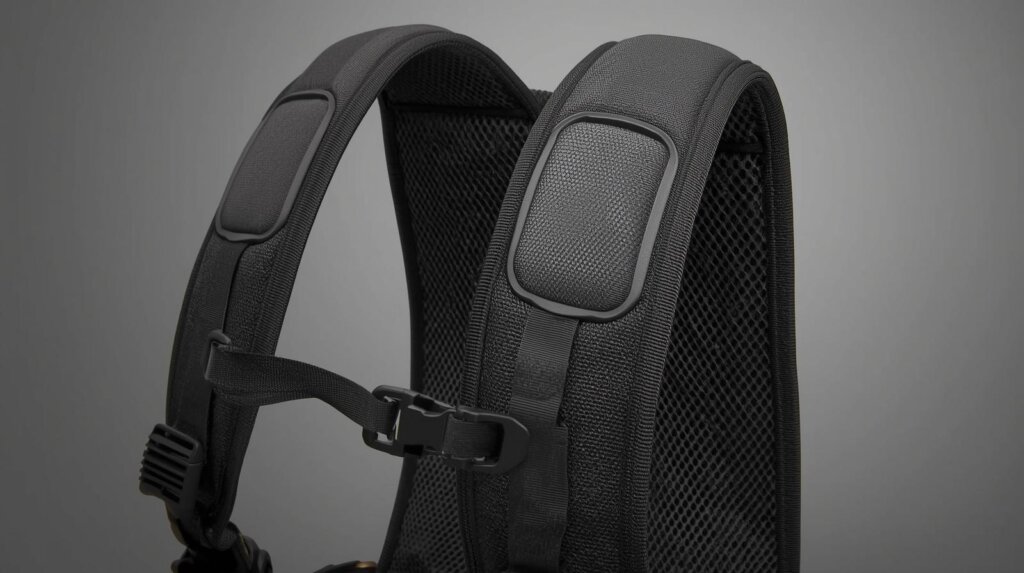
A comfortable binocular harness should sit high enough that your binoculars do not bounce on your stomach, but low enough that they do not block breathing or shoulder movement. The shoulder straps should spread pressure without digging into your neck. The back panel should not twist. The pouch should not slap your chest when you walk downhill.
This is especially important for long use. A harness can feel good for 10 minutes and annoying after three hours. Small issues grow with time.
Look for:
- Wide or padded shoulder straps
- Breathable mesh where possible
- Easy adjustment while wearing layers
- Stable chest position
- No sharp buckle pressure
- Quiet movement when walking
Need a setup that stays comfortable through long sessions, not just quick walks? Read [comfortable binocular harness for long use] before choosing based only on photos.
Fit: Match the Harness to Your Binocular Size
The best binocular harness for 8×32 binoculars may be wrong for 12×50 binoculars. Fit is not just about whether the binocular goes inside the pouch. It is about how smoothly it comes out, whether the lid closes properly, and whether the harness stays balanced.
For compact binoculars, an oversized pouch feels sloppy. The binocular may shift, rattle, or sit too deep. For large binoculars, a small pouch becomes frustrating because you have to force the binocular in and out.
Common sizing thoughts:
| Binocular Size | Harness Recommendation |
|---|---|
| 8×25 or 10×25 | Lightweight strap harness or compact pouch |
| 8×32 | Low-profile harness or small enclosed pack |
| 8×42 | Standard chest harness |
| 10×42 | Standard or medium enclosed harness |
| 10×50 | Large pouch with good structure |
| 12×50 | Heavy-duty harness with padded support |
| Rangefinding binoculars | Large structured harness with strong tethers |
A universal binocular harness can work well if you own multiple binoculars or change optics by season. But “universal” should not mean loose and sloppy. It should mean adjustable, stable, and compatible with different binocular body shapes.
For flexible fit across different optics, compare options in [universal binocular harness].
Noise: A Real Issue for Hunters
Noise does not matter much when you are sightseeing. It matters a lot when you are hunting.
A noisy harness can come from zippers, Velcro, stiff fabric, loose buckles, creaking straps, or magnets that snap too loudly. Many premium harnesses now use magnetic or bungee-style closures because they are easier to operate quietly with one hand.
Still, magnets are not automatically perfect. Some users love them. Others dislike the feel, the click, or the concern around magnetic-sensitive devices. The best binocular harness for hunting should open quietly, close securely, and not force exaggerated movement.
Before buying, imagine this: you are cold, wearing gloves, and trying to glass without looking down. Can you open the pouch smoothly? Can you return the binocular without scraping the eyecups? Can you do it without a zipper screaming in silent timber?
That small test tells you more than a product photo.
Storage: Helpful, Until It Becomes Clutter
Storage is useful, but too much storage can make a harness bulky. The best binocular harness has enough room for what you truly need, not everything you own.
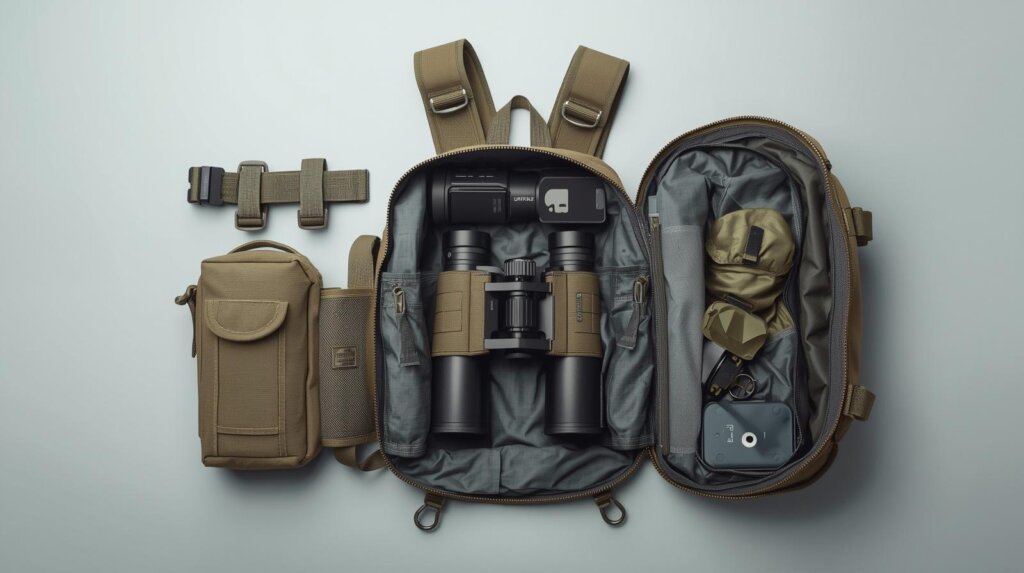
Useful storage items include:
- Lens cloth
- Wind checker
- Rangefinder
- Small call
- Phone
- Tags or license
- Compact multitool
- Small flashlight
- Extra lens caps
The mistake is turning a binocular harness into a mini backpack. Once you overload it, the harness pulls forward, bounces more, traps heat, and becomes annoying when sitting or climbing.
A clean rule: keep the chest harness for items you need immediately. Everything else goes in the backpack.
![binocular harness storage setup with lens cloth rangefinder and accessories]](https://bestbinocular.net/wp-content/uploads/2026/05/binocular-harness-storage-setup-with-lens-cloth-rangefinder-and-accessories-1024x573.jpg)
Premium vs Budget: Where Should You Spend?
The best binocular harness is not always the premium one, but premium models do offer real advantages.
Premium harness brands usually provide better materials, quieter closures, stronger stitching, modular accessory systems, improved tethers, and more comfortable strap layouts. If you use expensive binoculars or hunt regularly, the extra cost is easier to justify.
Budget harnesses make sense when:
- You are new to binocular carry systems
- Your binoculars are not very heavy
- You hike or bird casually
- You do not need modular pouches
- You want an upgrade from a neck strap
Premium harnesses make sense when:
- You carry expensive optics
- You hunt in rough terrain
- You use a rangefinder
- You glass for long sessions
- You need quiet access
- You want better weather protection
The buyer psychology is interesting here. People often hesitate to spend money on a harness after buying expensive binoculars. But that is exactly when a harness matters most. A $40 pouch may be fine for a $150 binocular. For premium glass, better protection feels less like an accessory and more like insurance.
For brands worth comparing before spending serious money, read [premium binocular harness brands].
Real-World Use Cases: Which Harness Fits Your Situation?
For Deer Hunting
Choose a quiet enclosed binocular harness with enough room for 10×42 binoculars and a rangefinder. Tethers matter because hunting often involves quick movement, kneeling, climbing, or working around brush.
Best style: enclosed chest pack.
For Elk Hunting
Elk hunting usually means more miles, more glassing, and more gear. The best binocular harness here should carry weight comfortably and allow fast access while wearing a backpack.
Best style: modular premium harness.
For Bird Watching
Birders often need quick, repeated access. A bulky pouch may feel unnecessary unless conditions are rough. A lightweight harness or low-profile chest system is usually better.
Best style: lightweight or low-profile harness.
For Hiking
For hiking, breathability and low weight matter. If you are not carrying a rangefinder or large binoculars, avoid overbuilding your setup.
Best style: lightweight harness.
For Safari or Travel
Travel users usually need comfort, security, and easy packing. A slim harness is better than a bulky hunting rig unless dust protection is a major concern.
Best style: compact pouch or lightweight harness.
For Heavy 12×50 Binoculars
Do not cheap out here. Heavy binoculars need a structured pouch, padded straps, and strong attachment points.
Best style: heavy-duty enclosed harness.
Common Mistakes When Buying a Binocular Harness
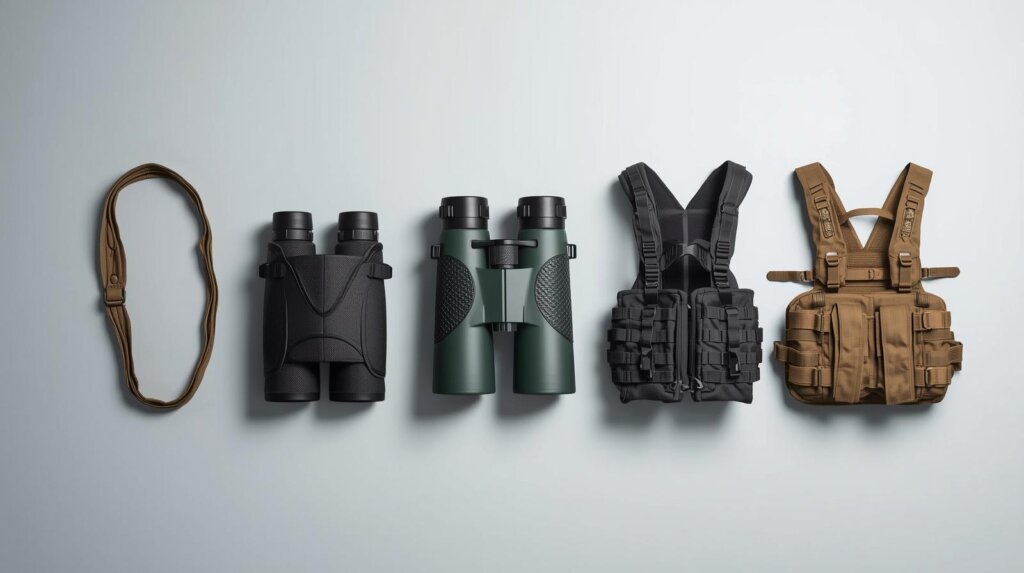
The first mistake is buying based only on brand. Good brands make different harnesses for different users. A lightweight harness from a great brand can still be wrong for heavy binoculars.
The second mistake is ignoring binocular size. If the pouch is too tight, you will hate using it. If it is too loose, your binoculars will move around.
The third mistake is choosing too much storage. More pockets look good online, but in the field they can create bulk and weight.
The fourth mistake is not thinking about clothing layers. A harness that fits over a T-shirt may feel tight over a winter jacket.
The fifth mistake is forgetting about your backpack. Some chest harnesses fight with backpack straps. If you carry a pack often, choose a harness that rides cleanly with shoulder straps and a hip belt.
How to Choose the Best Binocular Harness Without Overthinking It
Start with your binocular size. Then think about your environment. Then think about how often you use your optics.
If you carry compact binoculars for casual walks, choose lightweight. If you hunt with 10×42 binoculars, choose an enclosed hunting harness. If you carry 12×50 or rangefinding binoculars, choose heavy-duty. If you want one system for multiple outdoor trips, choose modular.
Here is a simple buying shortcut:
| Your Priority | Buy This Type |
|---|---|
| Less neck pain | Any adjustable binocular harness |
| Maximum protection | Fully enclosed chest pack |
| Lowest weight | Cord or strap-style harness |
| Hunting silence | Magnetic or bungee quiet-closure harness |
| Heavy optics | Structured padded chest harness |
| Budget value | Basic pouch harness |
| Rangefinder carry | Dual-compartment harness |
The best binocular harness should fit your actual habits, not an ideal version of yourself. If you only hike twice a month, you probably do not need a complex modular system. If you hunt hard every season, you will probably regret buying the cheapest option.
Recommended Product Shortlist
Best Overall: Marsupial Gear Enclosed Binocular Pack
This is the best binocular harness for users who want serious protection, smooth access, and a premium feel without making the setup too complicated.
Check current price for Marsupial Gear Enclosed Binocular Pack.
Best Hunting Pick: FHF Gear Bino Harness
Choose this if silence, slim profile, and field function matter more than budget pricing.
See FHF Gear Bino Harness options.
Best for Heavy Optics: Alaska Guide Creations
This is a strong option for hunters and glassers carrying larger binoculars or rangefinding optics.
Compare Alaska Guide Creations bino packs.
Best Modular Pick: Vortex GlassPak Pro
A practical, organized, weather-resistant choice for buyers who want a complete binocular harness system.
View Vortex GlassPak Pro sizes.
Best Budget Pick: Leupold GO Afield
A simple, affordable upgrade from a neck strap with enough function for many casual users.
Check Leupold GO Afield availability.
Best Lightweight Pick: Rick Young Ultra-Light
Ideal for hikers, birders, and anyone who hates bulky chest pouches.
See Rick Young Ultra-Light harness.
Final Verdict: What Is the Best Binocular Harness?
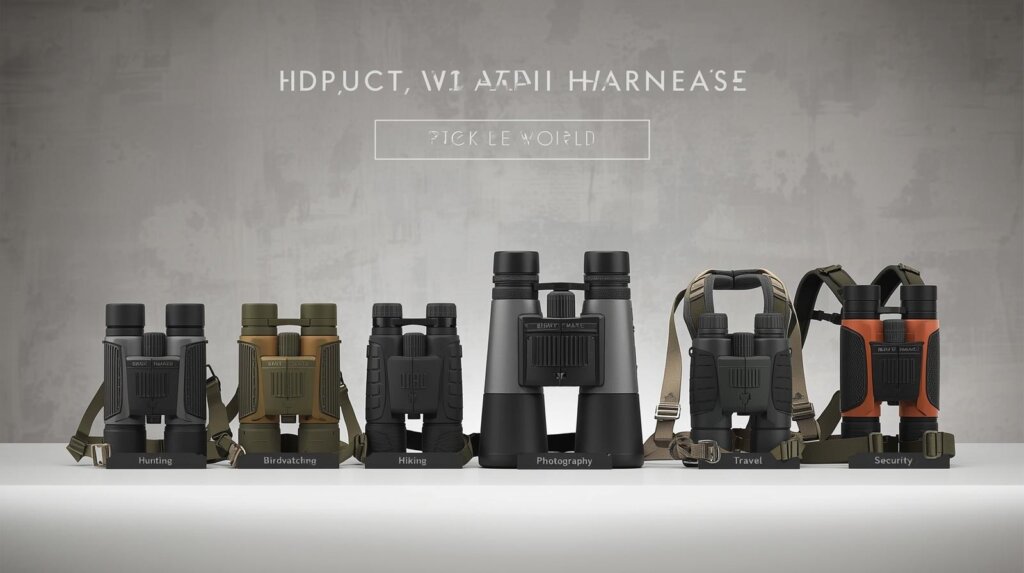
The best binocular harness for most serious users is an enclosed chest pack that balances protection, comfort, and fast access. Marsupial Gear, FHF Gear, Vortex, Alaska Guide Creations, Badlands, Leupold, and Rick Young all serve different buyers, so the “best” choice depends on your use case.
For hunting, go quiet and enclosed.
For hiking, go lightweight.
For heavy binoculars, go structured and padded.
For budget use, keep it simple.
For premium optics, protect them properly.
A harness is one of those accessories that seems optional until you use the right one. Then going back to a basic neck strap feels uncomfortable, unbalanced, and less practical for serious outdoor use.
Before you buy, think about where your binoculars actually go: muddy trails, dusty ridges, wet woods, hot hikes, cold hunts, or casual weekend walks. Match the harness to that reality, and you will end up with gear you actually enjoy wearing.
For more binocular buying advice, field-tested gear breakdowns, and practical optics tips, start from [Best Binocular Reviews and Guides].
FAQs About the Best Binocular Harness
What is the best binocular harness for hunting?
The best binocular harness for hunting is usually a quiet enclosed chest harness with secure tethers, weather protection, and fast one-handed access. Marsupial Gear, FHF Gear, Vortex GlassPak Pro, Badlands, and Alaska Guide Creations are strong options depending on your binocular size and budget.
Is a binocular harness better than a neck strap?
Yes, for long use. A binocular harness spreads weight across your shoulders and chest instead of pulling on your neck. It also keeps binoculars from bouncing while walking. A neck strap is fine for short casual use, but a harness is better for hiking, hunting, birding, and heavy optics.
Do I need an enclosed binocular harness?
You need an enclosed binocular harness if you carry expensive binoculars, hunt in rough terrain, hike in dust or rain, or want better protection. If you only use compact binoculars casually, a lightweight open harness may be enough.
What is the most comfortable binocular harness?
The most comfortable binocular harness is one that matches your binocular weight and body shape. Look for padded straps, good adjustability, breathable materials, and a stable chest position. For heavy binoculars, a structured chest pack is usually more comfortable than a thin elastic harness.
Can I use one binocular harness for different binoculars?
Yes, a universal binocular harness can work for multiple binoculars, but fit still matters. Very small binoculars may sit too low in a large pouch, while 12×50 binoculars may not fit compact harnesses. Always check size compatibility before buying.
Are magnetic binocular harnesses safe?
Magnetic harnesses are popular because they open and close quickly and quietly. However, people with pacemakers or magnetic-sensitive medical devices should be cautious and follow product warnings. If magnets concern you, choose a bungee, zipper, or non-magnetic closure system.
What binocular harness is best for 10×42 binoculars?
Most standard medium binocular harnesses fit 10×42 binoculars well. For hunting, choose an enclosed chest harness. For hiking or birding, a lightweight or low-profile harness may be more comfortable.
What binocular harness is best for 12×50 binoculars?
For 12×50 binoculars, choose a large structured harness with padded straps and strong tethers. Alaska Guide Creations, Marsupial Gear large sizes, and Vortex GlassPak Pro Large are better suited than minimalist strap harnesses.
Is a cheap binocular harness worth it?
A cheap binocular harness is worth it if you only need basic weight distribution and light protection. But for expensive binoculars, rough terrain, or long hunting trips, a premium harness is usually worth the extra cost.




