
Essential Binocular Protection Accessories That Actually Prevent Damage
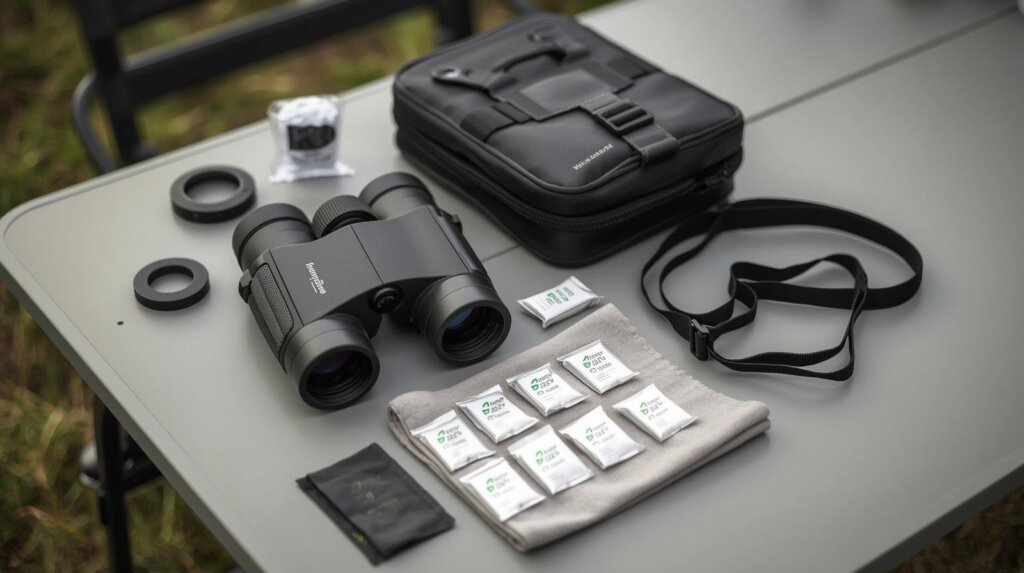
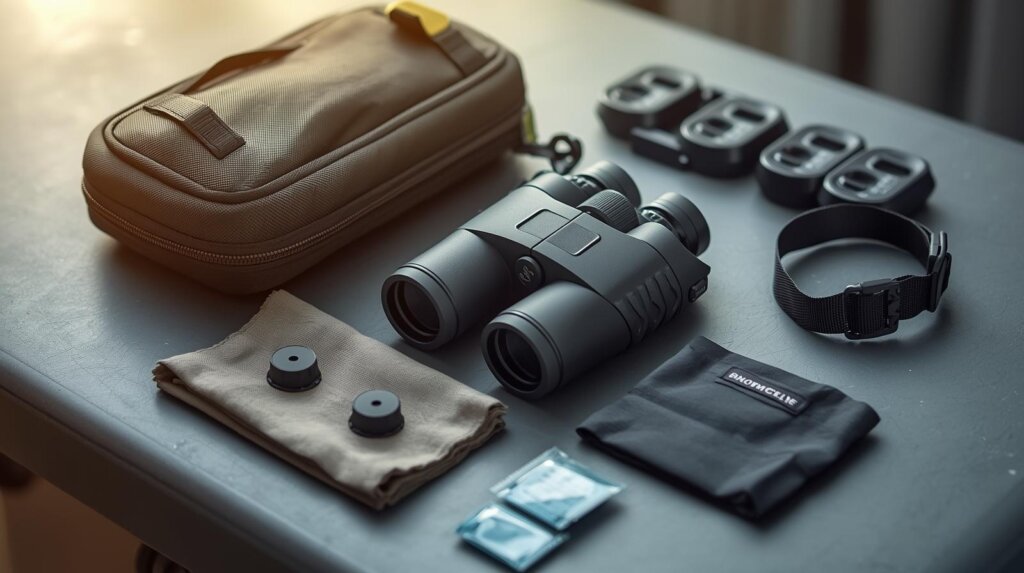
Binocular protection accessories are not just “nice extras.” They are the small pieces of gear that stop scratches, fogging, cracked lens caps, loose hinges, worn coatings, and that awful moment when your binoculars hit the ground because the strap slipped.
Most binocular damage does not happen during dramatic accidents. It happens during normal use.
You set your binoculars on a dusty table. You toss them into a backpack without caps. You walk in light rain and forget to dry the case. You clean the lenses with your shirt because the view looks smudgy. One small habit repeats, and suddenly your expensive optics do not feel so premium anymore.
That is where the right binocular protection accessories make a real difference.
This article breaks down the accessories that are actually worth using, when they matter, and which ones are overkill for casual users. If you are building a full care setup, also read our main article on how to protect binoculars so your storage, cleaning, and carrying habits work together instead of fighting each other.
Why Binocular Protection Accessories Matter More Than People Think
A good pair of binoculars is built to handle outdoor use, but that does not mean it is damage-proof. Waterproofing can protect against moisture, rubber armor can soften bumps, and lens coatings can improve clarity, but none of those features replace basic protection.
The biggest threats are simple:
- Dust collects around eyecups and focus wheels.
- Fine grit scratches lenses when wiped incorrectly.
- Loose storage lets binoculars bang against other gear.
- Moisture slowly causes fog, odor, or internal problems.
- Cheap straps create neck pain and increase drop risk.
The right binocular protection accessories reduce all of that.
This is not about babying your binoculars. It is about making them easier to use without worrying every time you take them outdoors. Whether you use them for hiking, hunting, boating, sports viewing, stargazing, or travel, protective accessories keep your optics ready instead of constantly needing rescue.
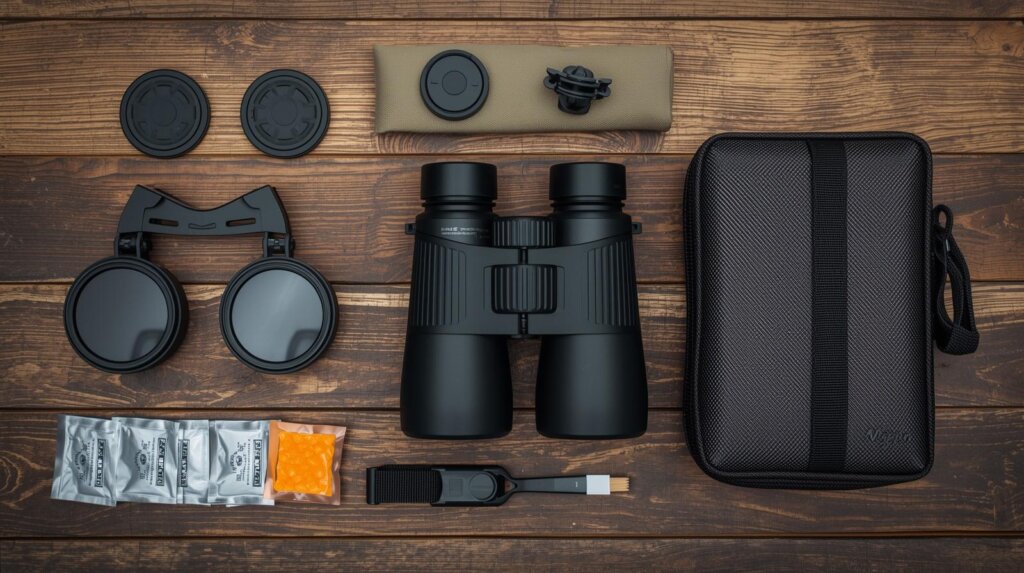
Quick Comparison: Best Binocular Protection Accessories by Use
| Accessory | Best For | Protection Level | Worth It For |
|---|---|---|---|
| Padded binocular case | Storage and travel | High | Everyone |
| Objective lens caps | Front lens protection | High | Outdoor users |
| Rainguard eyepiece cover | Eyepiece protection | Medium to high | Birders, hikers, hunters |
| Binocular harness | Safer carrying | High | Long walks and field use |
| Microfiber cloth | Safe lens cleaning | Medium | Everyone |
| Lens cleaning kit | Dust, smudges, fingerprints | High | Regular users |
| Silica gel packs | Moisture control | Medium | Humid climates |
| Neoprene strap | Comfort and drop control | Medium | Casual and travel users |
| Protective skin/armor wrap | Extra bump resistance | Medium | Rough outdoor use |
| Floating strap | Water safety | High near water | Kayaking, boating, fishing |
The best setup is not the longest list. It is the one that matches how you actually use your binoculars.
1. Padded Binocular Case: The First Accessory You Should Own
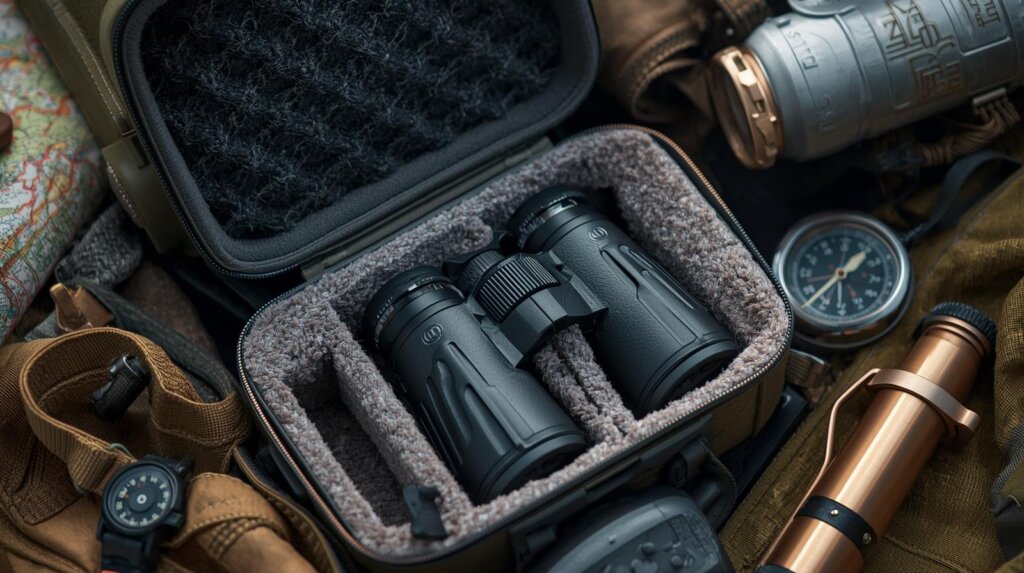
A padded case is the most basic binocular protection accessory, but it is also the one people underestimate the most.
A thin pouch is better than nothing, but a proper padded binocular case protects against bumps, dust, zipper scratches, and backpack pressure. This matters a lot if your binoculars travel with water bottles, chargers, keys, snacks, camera gear, or tools.
For home storage, a padded case keeps dust away. For travel, it stops the binoculars from moving around. For hiking, it gives you a safe place to put your optics when the trail gets rough.
Soft Case vs Hard Case
| Case Type | Pros | Cons |
|---|---|---|
| Soft padded case | Lightweight, easy to carry, good for daily use | Less crush protection |
| Hard binocular case | Stronger impact protection, better for flights | Bulkier and heavier |
| Harness case | Protects while carrying, fast access | More expensive than basic cases |
For most people, a padded soft case is enough. If you fly often, pack binoculars in checked luggage, or carry premium optics, a hard case makes more sense.
Buyer Tip
Choose a case that fits snugly without forcing the binoculars inside. A loose case lets the binoculars shift around. A tight case puts pressure on eyecups and focus wheels.
2. Lens Caps and Rainguards: Small Parts, Big Protection
Lens caps are not exciting, but they protect the most sensitive part of your binoculars: the glass.
Front objective lenses collect dust, pollen, sand, water spots, fingerprints, and small debris. Eyepiece lenses are even more exposed because they sit close to your face, hat, jacket, and hands.
This is why objective lens caps and eyepiece rainguards are essential binocular protection accessories.
Objective Lens Caps
Objective lens caps protect the large front lenses. They are especially useful when walking through dusty trails, storing binoculars in a bag, or using them near sand, water, or mud.
Tethered caps are better for outdoor users because they stay attached. Loose caps are easy to lose, especially in low light or windy areas.
Rainguard Eyepiece Cover
A rainguard covers both eyepieces at once. It protects against rain, sweat, dust, and accidental smudges. A good rainguard should slide on easily but not fall off every time you move.
My honest take: if you only use one type of cap in the field, keep the eyepiece rainguard on when the binoculars hang from your neck. Eyepieces get dirty fast, and dirty eyepieces ruin the viewing experience quickly.
3. Microfiber Cloth and Lens Cleaning Kit
A microfiber cloth is cheap, lightweight, and absolutely worth keeping in your case.
But not all cloths are safe. A random cloth from your drawer may hold dust or detergent residue. That can leave streaks or create fine scratches over time. Use a clean optical microfiber cloth made for lenses.
A proper lens cleaning kit usually includes:
- Microfiber cloth
- Air blower or dust brush
- Lens cleaning solution
- Lens pen
- Small storage pouch
The safest cleaning order is simple: remove dust first, then wipe. Never rub dry grit across the lens.
For a deeper breakdown, our article on how to prevent damage to binoculars explains the habits that quietly damage binocular lenses, hinges, focus wheels, and coatings.
Common Mistake
Do not breathe heavily on the lens and wipe it with your shirt. It feels harmless, but shirt fabric can carry dust, sweat, and tiny particles. Over time, that rough cleaning habit can dull the coatings.
4. Binocular Harness: The Best Carrying Protection Accessory
A binocular harness does two jobs at once. It makes binoculars easier to carry, and it lowers the chance of dropping them.
A neck strap works for short use, but after an hour, heavier binoculars start pulling on your neck. When people get tired, they loosen their grip, swing the binoculars around, or take them off and set them down somewhere unsafe.
A harness spreads weight across your shoulders and chest. It keeps the binoculars close to your body instead of bouncing around.
That makes it one of the most practical binocular protection accessories for hiking, hunting, birding, wildlife viewing, and long outdoor walks.
Harness vs Neck Strap
| Feature | Neck Strap | Binocular Harness |
|---|---|---|
| Comfort for long use | Average | Better |
| Drop protection | Medium | High |
| Bounce control | Low to medium | High |
| Fast access | Good | Good |
| Best for | Casual use | Field use, hiking, hunting |
If you are still using the thin strap that came in the box, upgrading to a harness is a noticeable improvement. For safer carrying habits, check our dedicated article on the best way to carry binoculars safely.
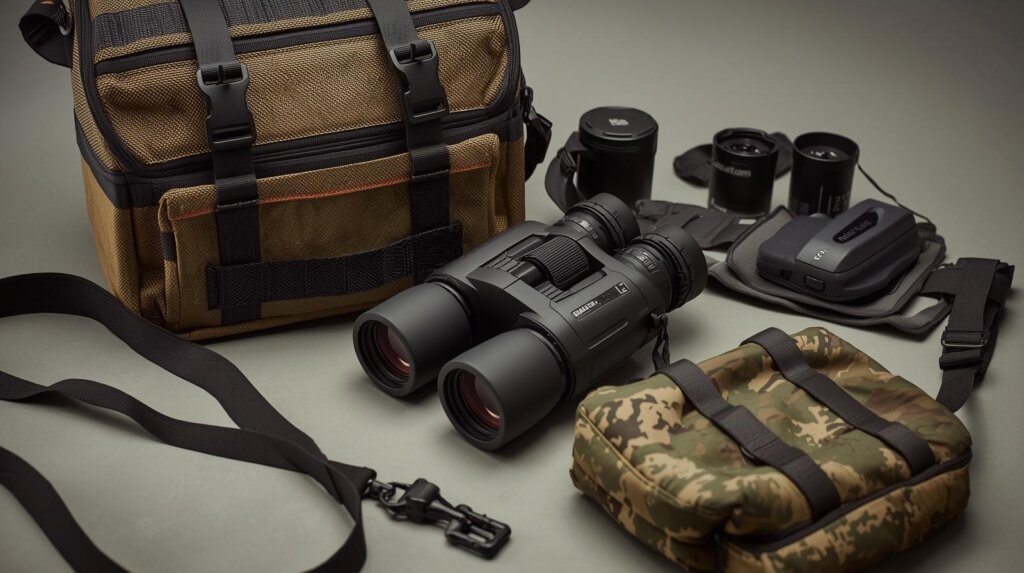
Recommended Product: Vortex GlassPak Binocular Harness
If you want one accessory that protects your binoculars while making them easier to carry, the Vortex GlassPak Binocular Harness is one of the most sensible choices.
It is not just a strap. It works like a chest-mounted protective pouch, keeping binoculars secure, close, and easier to access. For hikers, hunters, and frequent outdoor users, this type of harness case solves a real problem: binoculars bouncing, swinging, getting scratched, or being stuffed into a backpack loose.
Why It Makes Sense
- It protects binoculars while you move.
- It reduces neck strain compared to a basic strap.
- It keeps optics ready without leaving them exposed.
- It is useful for mid-size and full-size binoculars.
- It encourages safer habits because you always have a proper place to put the binoculars.
Who Should Buy It?
Buy it if you use binoculars outdoors often, walk long distances, or own a pair you actually care about keeping safe.
Skip it if you only use compact binoculars occasionally from your porch, car, or stadium seat. In that case, a padded case and microfiber cloth may be enough.
5. Silica Gel Packs for Moisture Control
Moisture is sneaky. You may not see water inside your binoculars, but damp storage can still cause problems.
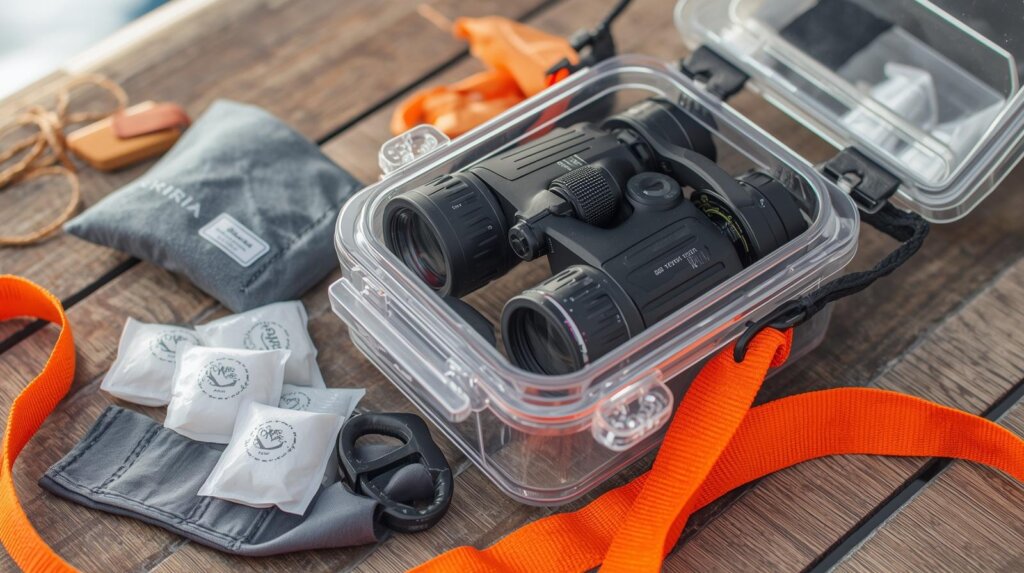
Silica gel packs absorb moisture inside your case or storage box. They are especially helpful if you live in a humid area, store binoculars in a garage, camp in wet weather, or use binoculars around lakes and coastal areas.
Put one or two silica gel packs inside the case, not directly pressed against the lenses. Replace or recharge them when needed.
Real-World Use Case
After a rainy hike, do not seal wet binoculars inside a case immediately. Wipe the exterior dry first. Let the case air out. Then store the binoculars with silica gel once everything is dry enough.
This small habit prevents that musty smell and reduces long-term moisture risk.
6. Protective Wraps, Rubber Armor, and Skins
Many binoculars already come with rubber armor, but some users add extra protection through wraps or skins.
These accessories help with grip and scratch resistance. They are useful if your binoculars get used in rough places, like rocky trails, hunting blinds, boats, or work sites.
That said, protective wraps are not always necessary. If your binoculars already have strong rubber armor and you store them well, you may not need extra skin protection.
Pros
- Improves grip in wet or cold conditions
- Reduces cosmetic scratches
- Adds light bump protection
- Can make older binoculars feel better in hand
Cons
- May add bulk
- Can trap dust at edges
- Cheap skins may peel or shift
- Not a replacement for a case
My opinion: spend money on a better case or harness before buying cosmetic skins. Function beats looks here.
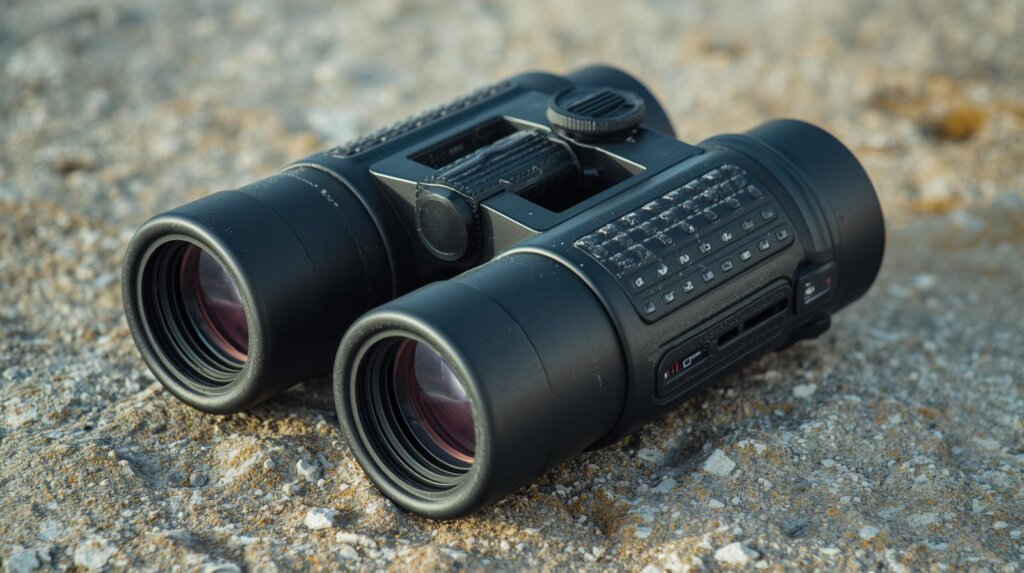
7. Floating Straps for Water-Based Use
If you use binoculars near water, a floating strap is not optional. It is cheap insurance.
Boating, kayaking, fishing, beach viewing, and dockside use all create one major risk: dropping binoculars into water. Waterproof binoculars may survive splashes or shallow exposure, but that does not help much if they sink.
A floating strap helps keep them visible and retrievable.
Best For
- Marine binoculars
- Fishing trips
- Kayaking
- Boating
- Beach travel
- Wetland viewing
Choose a bright floating strap if visibility matters. A dark strap may look cleaner, but bright colors are easier to spot in water.
8. Dust Covers and Storage Boxes for Home Use
Not everyone needs field-level protection. Some people mostly use binoculars from a balcony, backyard, window, or vehicle.
For home users, dust covers and storage boxes are simple but effective binocular protection accessories. They prevent dust buildup and reduce the chance of accidental knocks.
A small dry storage box with a soft lining can work well if you do not want to keep binoculars in their case all the time. Just avoid storing them near heat, direct sunlight, damp walls, or open windows.
Best Binocular Protection Setup by User Type
Casual Backyard Viewer
You do not need to overbuy. Start with:
- Padded case
- Microfiber cloth
- Lens caps
- Silica gel pack
This protects against dust, fingerprints, and basic storage damage.
Hiker or Traveler
You need better carry protection:
- Harness or padded strap
- Compact padded case
- Tethered lens caps
- Microfiber cloth
- Small cleaning kit
This setup keeps binoculars protected without adding too much weight.
Hunter or Serious Outdoor User
You need fast access and impact protection:
- Harness case
- Rainguard
- Objective lens caps
- Lens cleaning kit
- Moisture control packs
- Rubber armor or wrap if needed
For rough outdoor use, your accessories should protect while moving, not just while stored.
Water and Marine User
Water changes the whole setup:
- Floating strap
- Waterproof case
- Silica gel packs
- Lens cloth
- Secure lens caps
Even waterproof binoculars need protection from salt, sand, and storage moisture.
Common Mistakes When Buying Binocular Protection Accessories
Buying the Cheapest Case Possible
A thin case may protect from dust, but it will not do much against drops or pressure. If the zipper scratches the binocular body or the padding feels flat, skip it.
Ignoring Strap Comfort
A bad strap makes people carry binoculars carelessly. Comfort is part of protection because it affects how often you keep your binoculars secure.
Cleaning Before Removing Dust
This is one of the fastest ways to create tiny scratches. Blow or brush dust away before wiping.
Storing Binoculars While Damp
Even if the binoculars are waterproof, the case may not be. Damp cases can smell bad and hold moisture around your gear.
Losing Lens Caps and Not Replacing Them
Lens caps are boring until you need them. If yours are loose, cracked, or missing, replace them before your next outdoor trip.
Buyer Psychology: What Is Actually Worth Paying For?
Here is the honest buying order:
First, protect the glass. That means lens caps, rainguard, and a microfiber cloth.
Second, protect against drops. That means a good strap or harness.
Third, protect during storage. That means a padded case and moisture control.
After that, extra accessories depend on your lifestyle. A floating strap is essential near water but useless for backyard stargazing. A hard case is smart for air travel but annoying for quick walks. A full harness case is great outdoors but overkill for occasional stadium use.
Good binocular protection accessories should make your binoculars easier to use, not turn them into a complicated project.
For more practical care ideas, visit our blog page where we cover simple binocular maintenance, carrying, storage, and buying advice for real users. You can also explore more optic resources from the Best Binocular home page when comparing accessories with binocular models.
Final Thoughts: Build a Protection Setup Around Your Real Use
The best binocular protection accessories are the ones you will actually use.
A premium hard case means nothing if you leave it at home. A cleaning kit is useless if you still wipe lenses with your shirt. A harness is only worth it if it makes carrying easier and safer.
For most users, the smart starter setup is simple: padded case, lens caps, rainguard, microfiber cloth, and silica gel packs. If you walk long distances, add a binocular harness. If you use optics near water, add a floating strap and waterproof storage.
That setup covers the big risks without wasting money.
Protect the lenses. Control moisture. Carry binoculars securely. Store them properly. Do those things consistently, and your binoculars will stay clearer, cleaner, and safer for years.
FAQs About Binocular Protection Accessories
What are the most important binocular protection accessories?
The most important binocular protection accessories are a padded case, lens caps, eyepiece rainguard, microfiber cloth, and a secure strap or harness. These cover the main risks: scratches, dust, moisture, drops, and unsafe storage.
Do I really need a binocular harness?
You need a binocular harness if you carry binoculars for long walks, hiking, hunting, birding, or outdoor travel. A harness reduces neck strain and keeps binoculars from bouncing or swinging. For short casual use, a padded neck strap may be enough.
Are lens caps necessary if my binoculars have coated lenses?
Yes, lens caps are still necessary. Lens coatings improve image quality and durability, but they can still collect dust, smudges, and scratches. Lens caps protect the glass when the binoculars are not actively being used.
Can I store binoculars in a regular backpack?
You can, but only if the binoculars are inside a padded case. Loose backpack storage is risky because keys, bottles, chargers, and other gear can scratch lenses or damage the focus wheel.
What is the best accessory for protecting binoculars from moisture?
Silica gel packs are the easiest moisture-control accessory. Use them inside a dry binocular case or storage box. For wet environments, pair them with a waterproof case and always dry the binocular exterior before storage.
Is a hard case better than a soft case for binoculars?
A hard case gives better crush and impact protection, especially for flights and long travel. A soft padded case is lighter and more convenient for daily use. The better choice depends on how rough your storage and travel conditions are.
How often should I replace binocular protection accessories?
Replace lens caps when they become loose, cracked, or easy to knock off. Replace microfiber cloths when they feel dirty or rough. Replace straps when stitching weakens. Silica gel packs should be replaced or recharged when they stop absorbing moisture effectively.




