
Are Porro Prism Binoculars Better for Real-World Use?
When people ask, are Porro prism binoculars better, the real answer is: sometimes, yes — but not for every user.
Porro prism binoculars can give you a wider, more natural 3D view for less money than many roof prism binoculars. That is why older hunters, casual birdwatchers, stargazers, and backyard nature lovers still respect them. But they are also bulkier, less pocket-friendly, and not always as rugged as modern roof prism designs.
Instead of giving a simple “Porro is better” or “roof prism is better” answer, let’s break it down by real-world use, such as weekend viewing, travel, birding, hunting, and night sky watching.
What Makes Porro Prism Binoculars Different?
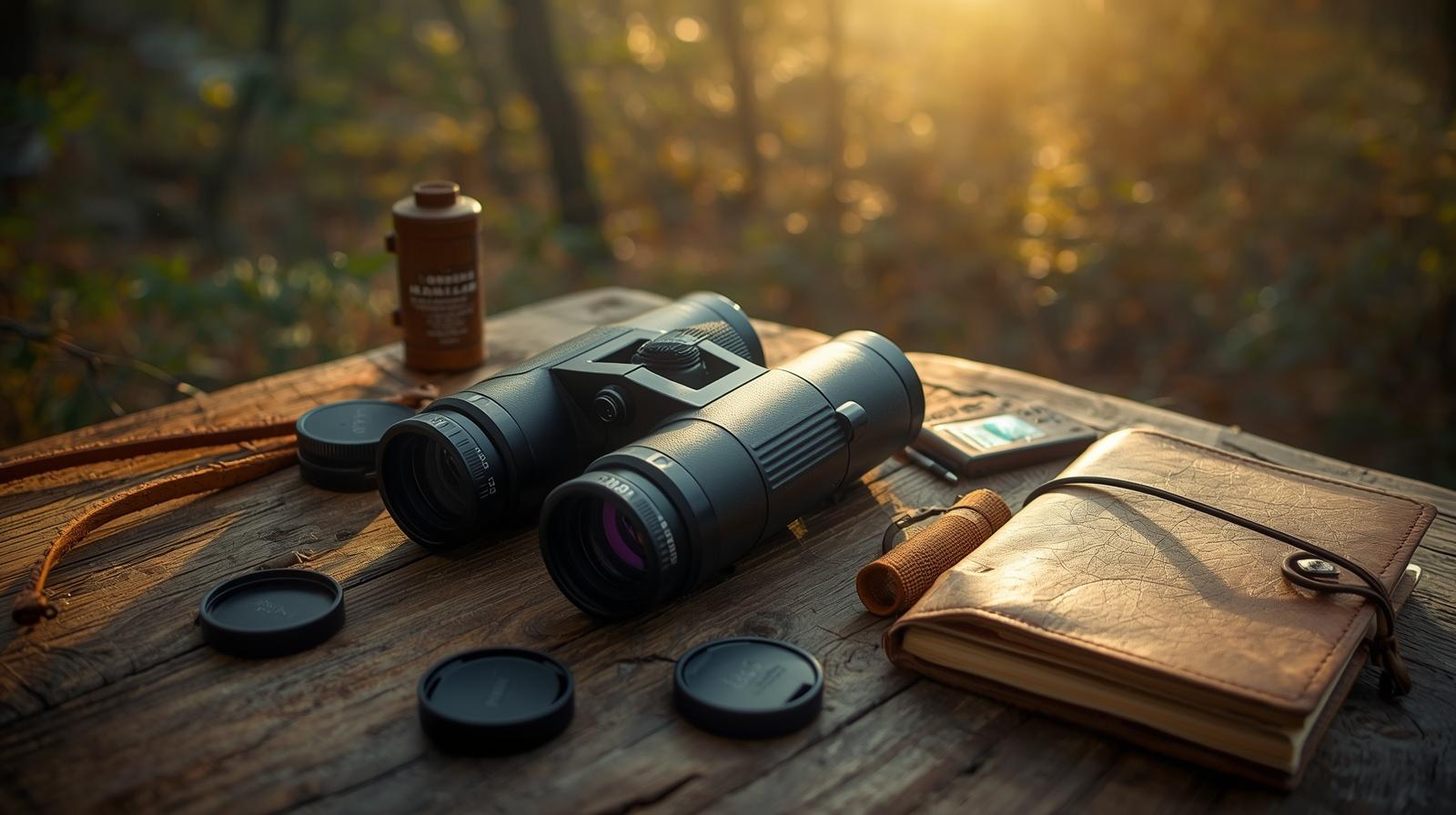
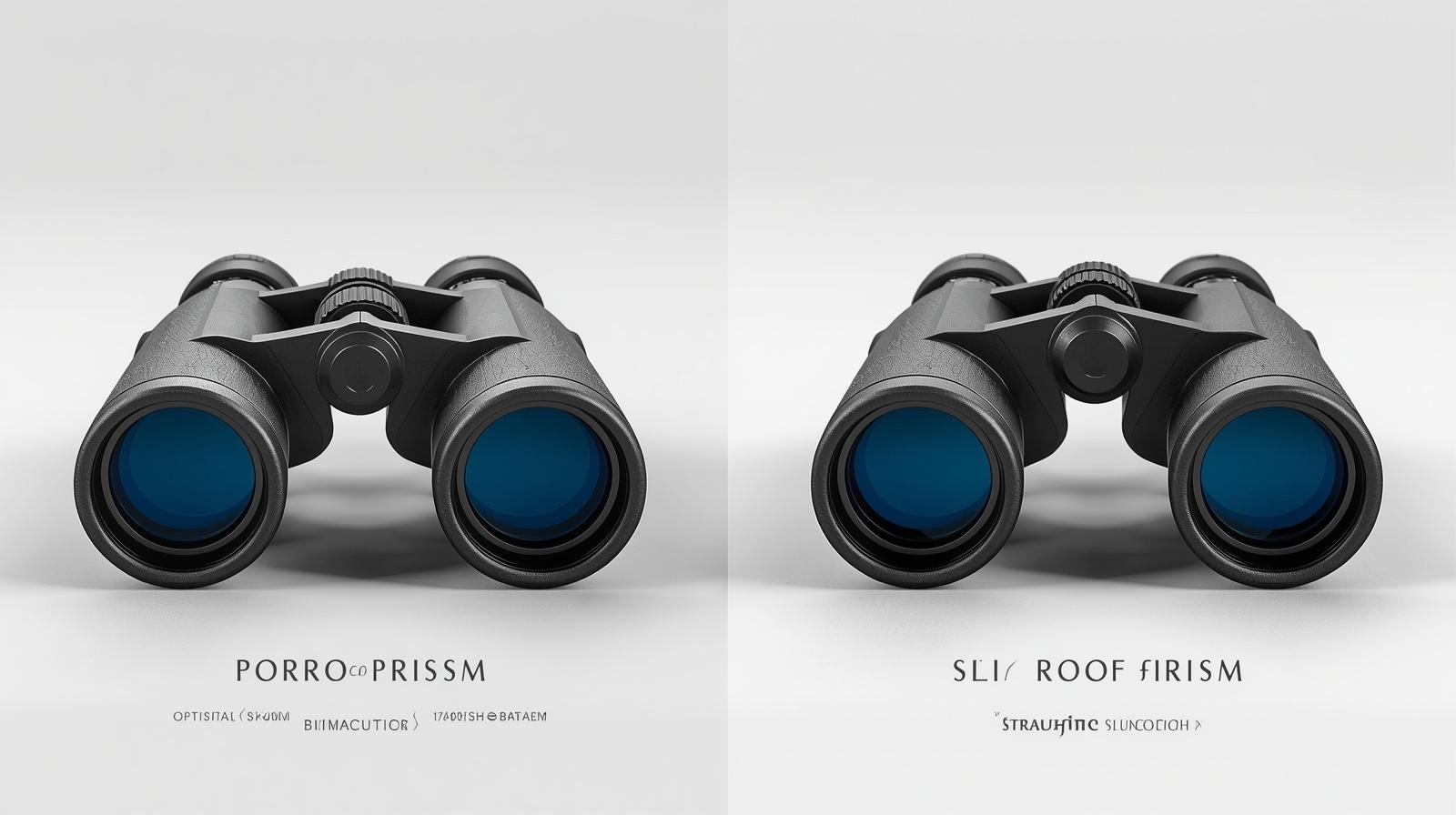
Porro prism binoculars have that classic zig-zag shape where the objective lenses sit wider apart than the eyepieces. That wider spacing is not just cosmetic. It creates better depth perception, which is one of the biggest reasons people still ask, are Porro prism binoculars better than modern roof prism binoculars?
With Porro binoculars, the image often feels more three-dimensional. Trees, hills, buildings, and distant objects can look more separated from the background. For relaxed viewing, this can feel more natural and less “flat.”
Roof prism binoculars, on the other hand, usually have a straight-barrel design. They are slimmer, easier to carry, and often better sealed against weather. That is why many premium hunting and birding binoculars today use roof prisms.
For a deeper side-by-side breakdown, you can read the main silo guide on porro prism vs roof prism binoculars before buying.
Are Porro Prism Binoculars Better for Image Quality?
In many budget and mid-range price categories, yes, Porro prism binoculars can be better for pure image quality.
The reason is simple. Porro prism binoculars are optically easier to build. They usually do not need the same expensive phase-correction coatings required in roof prism binoculars. That means manufacturers can often deliver brighter, sharper, more contrast-rich views at a lower price.
This is where Porro binoculars quietly win.
A $100–$200 Porro prism binocular often feels more satisfying optically than a cheap roof prism binocular in the same range. The image can look wider, brighter, and more relaxed, especially during daytime viewing.
But once you move into expensive roof prism binoculars with premium glass, advanced coatings, waterproof bodies, and strong build quality, the gap gets smaller. In high-end models, roof prism binoculars can match or outperform Porro binoculars while staying lighter and more compact.
Quick Comparison: Porro vs Roof Prism Image Feel
| Feature | Porro Prism Binoculars | Roof Prism Binoculars |
|---|---|---|
| Depth perception | Usually stronger | Usually flatter |
| Brightness for price | Often better | Depends on coatings |
| Compactness | Bulkier | Slimmer |
| Budget value | Excellent | Mixed |
| Premium performance | Good, but fewer options | Very strong |
| Natural viewing comfort | Often excellent | Depends on model |
So, are Porro prism binoculars better for image quality? If you are shopping on a sensible budget and care more about the view than the shape, they often are.
Where Porro Prism Binoculars Really Feel Better
Porro binoculars are not just “old-style binoculars.” They have real advantages in specific situations.
Backyard Birdwatching
For backyard birding, Porro prism binoculars can be a joy. You are usually not hiking for miles. You may be standing near a window, garden, balcony, or local park. In that setting, the extra size does not matter much.
What you get instead is a wider, brighter, more dimensional view. Branches feel layered. Distant feeders are easier to separate from the background. Small movements are easier to notice.
This is why many beginners who try a decent Porro binocular say the view feels more “alive.”
Stargazing and Moon Viewing
If your main use is casual astronomy, Porro prism binoculars are often a smart choice. A 7×50, 10×50, or 15×70 Porro binocular can pull in a lot of light without costing as much as a premium roof prism model.
For moon viewing, star clusters, and wide night-sky scanning, Porro binoculars feel very natural. They are not always small, but stargazing is not usually about pocket size anyway.
Sports and Stadium Viewing
For stadiums, outdoor games, and casual long-distance viewing, Porro binoculars can also make sense. The wider body gives a stable grip, and the depth effect helps when tracking movement across a field.
The only downside is portability. If you want something tiny for a jacket pocket, roof prism compact binoculars are easier.
Where Porro Prism Binoculars Are Not Better
This is the part many affiliate articles avoid. Porro prism binoculars are not perfect.
If you hike long distances, travel light, hunt in harsh weather, or want something tough enough for wet conditions, roof prism binoculars usually feel more convenient.
Porro models are wider. They take more space in a backpack. Many budget Porro binoculars are not as well sealed against rain, dust, or impact. Some waterproof Porro models exist, but the roof prism market gives you more rugged choices.
So when someone asks, are Porro prism binoculars better, the honest answer depends on whether you value optical performance per dollar or practical field convenience.
Pros and Cons of Porro Prism Binoculars
Pros
| Advantage | Why It Matters |
|---|---|
| Better depth perception | Objects feel more separated and natural |
| Strong value for money | Good optics without premium pricing |
| Bright image in budget ranges | Great for casual viewing and birding |
| Comfortable grip | Wider body can feel stable in the hands |
| Good for astronomy | Larger objective Porro models gather plenty of light |
Cons
| Limitation | Why It Matters |
|---|---|
| Bulkier design | Less ideal for travel or hiking |
| Fewer premium options | Roof prism dominates the high-end market |
| Weather sealing varies | Budget models may not handle rain well |
| Less modern-looking | Some buyers prefer sleek roof prism bodies |
| Harder to pack | Wider shape needs more bag space |
If you want the full list of strengths, the supporting guide on porro prism binocular advantages explains why many experienced users still choose them.
Buyer Psychology: Why People Choose Porro Binoculars
A lot of people do not buy Porro prism binoculars because they look modern. They buy them because they try them once and think, “Wait, why does this look better than the expensive-looking slim pair?”
That reaction is common in the entry-level and mid-range market.
The shape looks older, but the view can feel more expensive than the price tag. This creates a strong value feeling. For beginners, that matters. Nobody wants to spend $500 just to watch birds in the garden or see mountains more clearly on a road trip.
Porro binoculars appeal to buyers who think practically:
“I want a better view, not a fashion accessory.”
That is probably the best summary of Porro prism binoculars.
Best Real-World Use Cases for Porro Prism Binoculars
Choose Porro Prism Binoculars If You:
- Use binoculars mostly at home, from a porch, garden, balcony, or car.
- Prefer a bright, wide, relaxed image over compact size.
- Want strong performance under $200.
- Enjoy birdwatching, casual astronomy, scenery viewing, or sports.
- Do not mind carrying a slightly wider binocular.
Choose Roof Prism Binoculars If You:
- Travel often and need compact gear.
- Hike long distances.
- Need waterproof and rugged binoculars.
- Want a premium modern body.
- Prefer something easier to carry all day.
This is why the question are Porro prism binoculars better should never be answered in isolation. Better for what? Better for whom? Better at what price?
That is where the real decision happens.
Recommended Product: Nikon Action Extreme 8×40 ATB
If you want one Porro prism binocular that makes sense for many users, the Nikon Action Extreme 8×40 ATB is a strong pick.
It has the classic Porro depth effect, a comfortable 8x magnification, and enough objective lens size for bright daytime viewing. The 8×40 setup is easier to hold steady than 10x models, making it useful for birdwatching, landscapes, and general outdoor observation.
Why it fits this topic:
It gives that classic Porro prism image feel without going too huge.
It is more practical than many oversized 10×50 Porro binoculars.
It works well for beginners who want quality without jumping straight into expensive roof prism models.
It is not the smallest binocular. It is not the most premium binocular either. But for people asking are Porro prism binoculars better because they want value and a satisfying view, this type of model makes real sense.
Why Are Porro Prism Binoculars Often Cheaper?
One reason Porro binoculars feel like a better deal is because their optical system is less expensive to manufacture well.
Roof prism binoculars usually need more precise alignment and advanced coatings to perform at a high level. Cheap roof prism binoculars can look sleek on the outside but feel underwhelming when you actually look through them.
Porro prism binoculars do not need as much optical correction to deliver a clean, pleasing image. That is why they often win in budget categories.
This does not mean all cheap Porro binoculars are good. Some are poorly made, badly aligned, or uncomfortable. But when built properly, Porro designs give manufacturers more room to deliver optical quality without pushing the price too high.
For more detail, read why are Porro prism binoculars cheaper to understand the pricing difference before comparing models.
Common Mistakes Buyers Make
Mistake 1: Assuming Slimmer Means Better
Many beginners see roof prism binoculars and assume they are automatically more advanced. Sometimes they are. But at lower prices, slim roof prism binoculars can disappoint.
A chunky Porro model may give a more enjoyable view.
Mistake 2: Buying Too Much Magnification
A 12x or 15x binocular sounds powerful, but it can be shaky without support. For general use, 8x or 10x is usually more comfortable.
For most people, 8×40 or 10×50 Porro binoculars make more sense than chasing extreme magnification.
Mistake 3: Ignoring Eye Relief
If you wear glasses, check eye relief before buying. A binocular can have excellent glass but still feel frustrating if you cannot see the full image comfortably.
Mistake 4: Forgetting About Weight
Porro binoculars are wider and sometimes heavier. That is fine for backyard use, but not always ideal for long hikes.
Mistake 5: Buying Only for Looks
This is the big one. Binoculars should be judged by comfort, clarity, and real viewing performance, not only by appearance. The view matters more than the shape.
Are Porro Prism Binoculars Better for Beginners?
Yes, often.
Beginners usually want a clear view without spending too much. Porro prism binoculars are excellent for that. They teach your eyes what a wide, bright, natural binocular view should feel like.
A beginner using a good Porro binocular may understand depth, field of view, brightness, and steadiness better than someone who starts with a tiny, cheap compact binocular.
But beginners who travel a lot or want something very lightweight may still prefer roof prism binoculars.
The safest advice is this:
If you will mostly use binoculars from home, car, backyard, local park, stadium, or campsite, Porro prism binoculars are a smart first choice.
If you will carry them all day, go roof prism.
Final Verdict: Are Porro Prism Binoculars Better?
Are Porro prism binoculars better? For pure optical value, natural depth, and bright viewing at a lower price, yes, they often are.
They are especially good for backyard birding, casual astronomy, scenic viewing, sports, and beginners who want a satisfying image without overspending.
But they are not better for every situation. If you need compact size, rugged waterproofing, premium build quality, and easy travel carry, roof prism binoculars may be the better choice.
My honest take: Porro prism binoculars are underrated, not outdated. They are the type of binoculars you appreciate more after looking through them than after looking at them. And that says a lot.
For more practical binocular buying help, visit the BestBinocular home page or explore more helpful guides on the blog tips page.
FAQs About Porro Prism Binoculars
Are Porro prism binoculars better than roof prism binoculars?
Porro prism binoculars can be better for image depth, brightness, and value, especially in budget and mid-range categories. Roof prism binoculars are usually better for compact size, portability, and rugged field use.
Are Porro prism binoculars better for birdwatching?
Yes, Porro prism binoculars can be excellent for birdwatching, especially in gardens, parks, wetlands, and relaxed viewing situations. Their wider image and stronger depth perception can make birds easier to spot among branches and background detail.
Why do Porro prism binoculars look bigger?
Porro binoculars use an offset prism design, so the objective lenses are spaced wider apart than the eyepieces. This creates the classic wide body shape and helps produce stronger depth perception.
Are Porro prism binoculars good for astronomy?
Yes, Porro prism binoculars are often very good for casual astronomy. Larger models like 10×50 Porro binoculars can gather good light for moon viewing, star clusters, and wide night-sky scanning.
Are Porro prism binoculars outdated?
No, Porro prism binoculars are not outdated. They are less trendy than roof prism binoculars, but they still offer excellent optical performance for the price. Many users still prefer their natural 3D view.
Should I buy Porro or roof prism binoculars?
Buy Porro prism binoculars if you want better value, brightness, and depth perception. Buy roof prism binoculars if you want a compact, lightweight, waterproof, and more travel-friendly design.




