
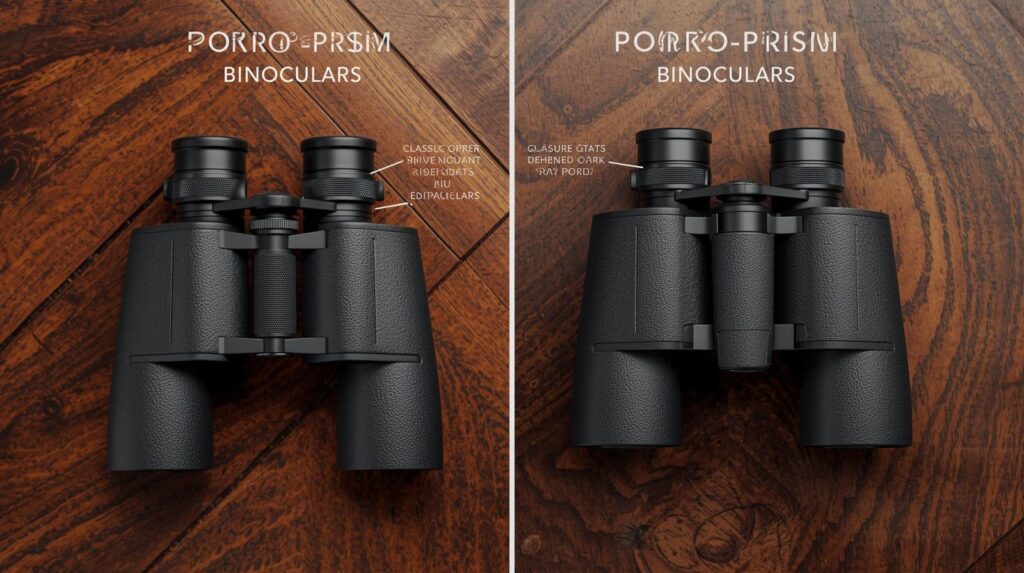
Why Are Porro Prism Binoculars Cheaper?
Porro prism binoculars are cheaper because their optical design is easier to manufacture, needs fewer expensive coatings, and does not require the same level of internal precision as compact roof prism binoculars. That does not mean Porro prism binoculars are low quality. In many cases, it means the money goes into the glass and image performance instead of slim body design, waterproof sealing, and advanced prism coatings.
That is the part many buyers miss.
When people ask, why are Porro prism binoculars cheaper, they usually assume the lower price means weaker performance. In real use, the opposite can happen. A good budget Porro binocular can look brighter, wider, and more three-dimensional than a cheap roof prism binocular sitting at the same price.
The catch? Porro prism binoculars are usually bulkier. They are not as sleek. They do not always feel as premium in the hand. But if your main goal is image quality per dollar, Porro binoculars still make a lot of sense.
The Simple Answer: Porro Binoculars Cost Less to Build
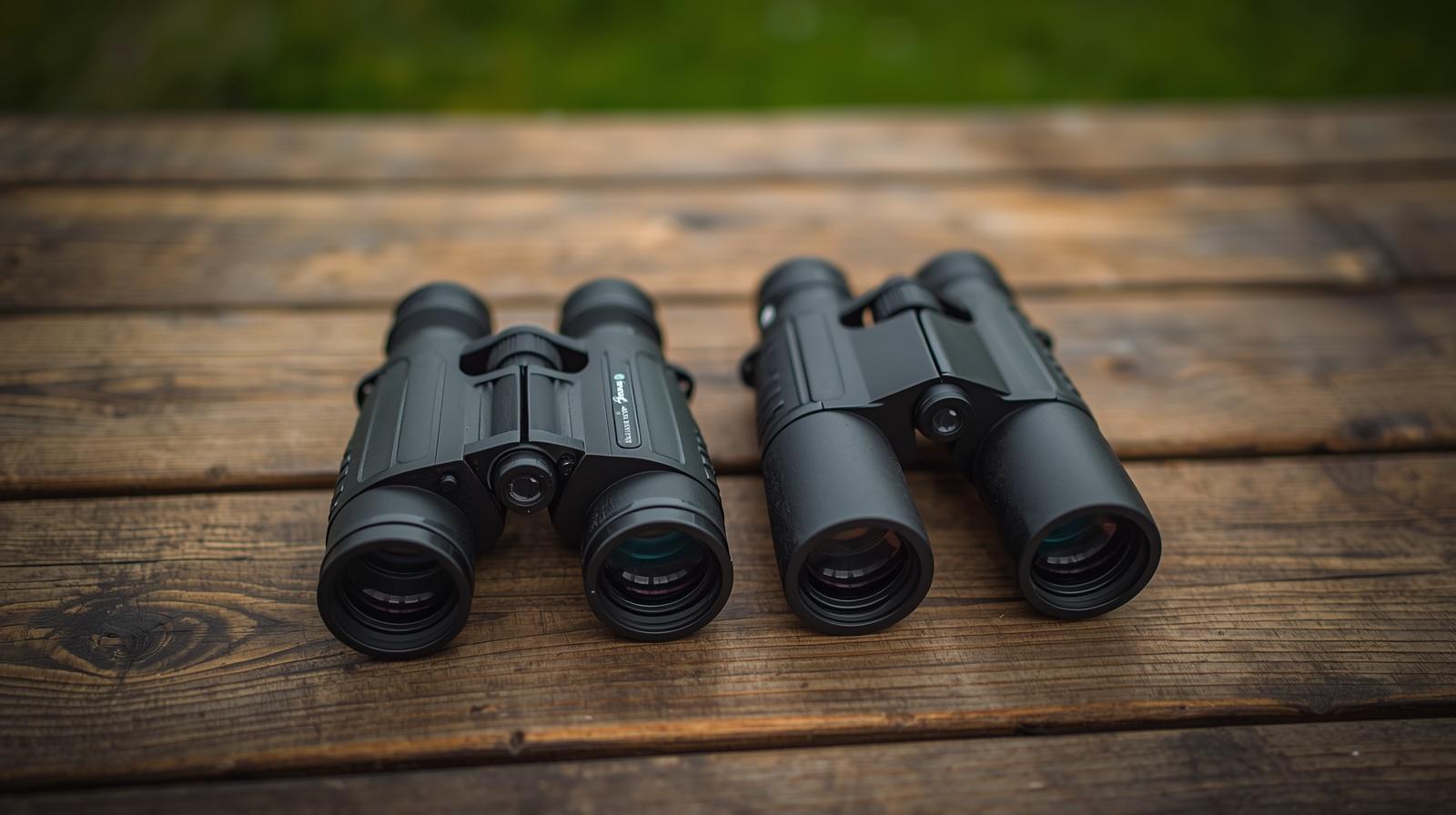
The biggest reason why Porro prism binoculars are cheaper is the internal light path.
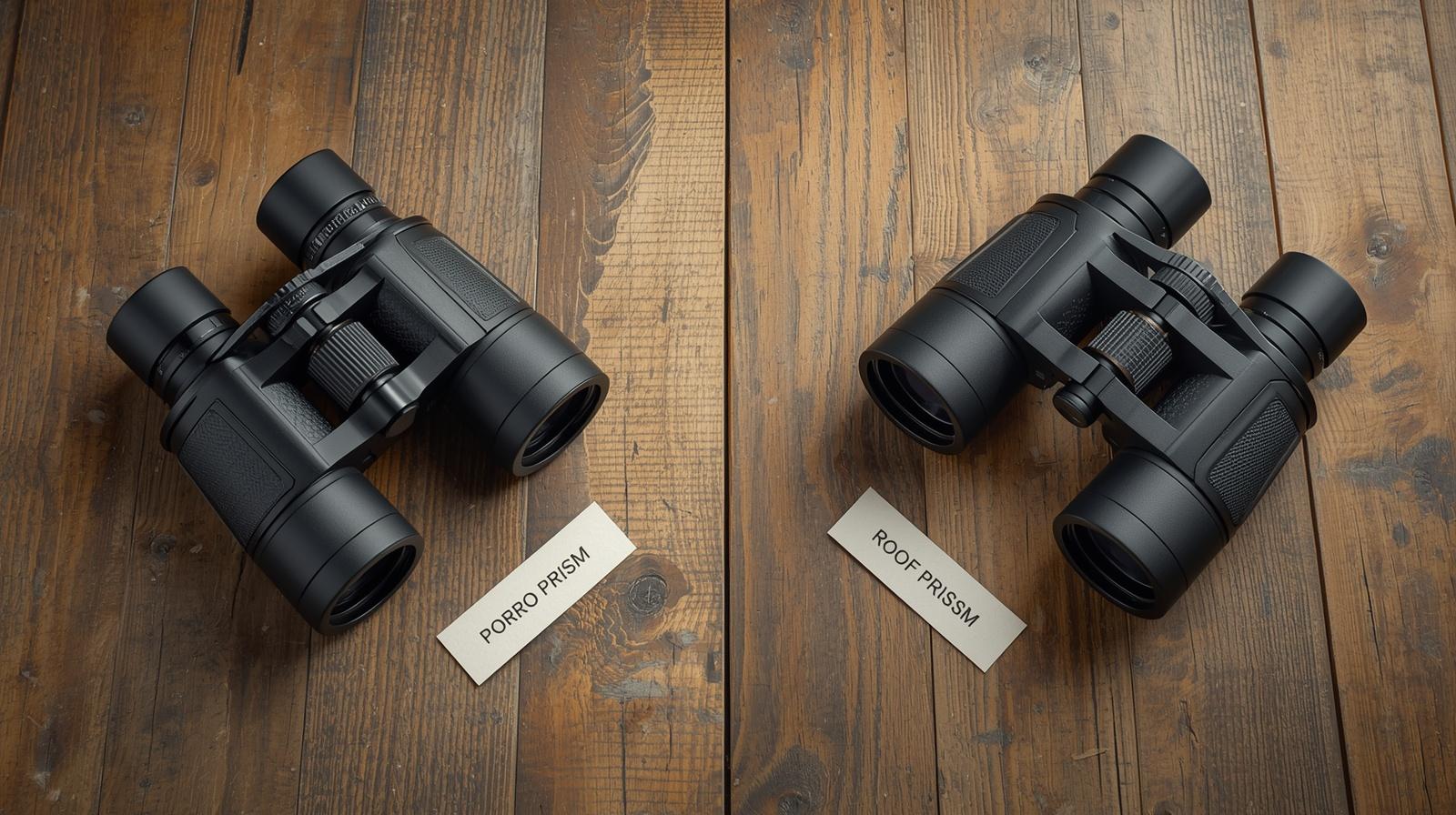
Porro binoculars use an offset prism design. Light enters through the front objective lenses, bounces through the prisms, and reaches the eyepieces in a way that naturally creates a wide, bright image. The design has been around for a long time, and manufacturers know how to make it efficiently.
Roof prism binoculars are different. Their straight-barrel shape looks cleaner and more modern, but that compact shape comes with a price. Roof prism designs usually need tighter manufacturing tolerances and extra prism coatings to keep contrast and sharpness high.
That is why a cheap roof prism binocular can sometimes look dull or flat, while a similarly priced Porro prism binocular feels more open and lively.
If you want the bigger picture before choosing between both designs, read our main comparison here: porro prism vs roof prism binoculars. It explains where each design wins and where buyers usually overpay.
Porro Prism Binoculars Do Not Need Expensive Phase Coating
This is one of the most important technical reasons behind the price gap.
Many roof prism binoculars need phase correction coatings to fix contrast and resolution issues caused by the roof prism light path. Without good phase coating, fine details can look softer, especially when viewing tree bark, distant signs, feathers, building edges, or textured landscapes.
Porro prism binoculars do not have the same phase-shift issue as roof prism binoculars, so they do not need the same expensive phase correction coating process. This helps manufacturers keep prices lower while still delivering a bright, sharp image. Phase correction coatings are mainly used in roof prism binoculars to improve contrast, resolution, and fine detail, but they are often missing from cheaper roof prism models because the coating process adds cost.
So when someone asks, why are Porro prism binoculars cheaper, the answer is not “because they are worse.” A better answer is: they avoid some of the expensive fixes that roof prism binoculars need.
That is a big difference.
Cheaper Does Not Mean Worse Optics
Here is my honest take: at the low-budget level, Porro binoculars often give you more enjoyable optics than roof prism binoculars.
Not always. But often.
A $100 Porro binocular usually has a better chance of giving you a bright, relaxed view than a $100 roof prism binocular. The roof model may look cooler and fit better in a backpack, but the Porro model may show more depth, better brightness, and a wider feeling image.
That is why older-style Porro binoculars are still popular with beginners, casual wildlife watchers, sports viewers, and backyard users.
Roof prism binoculars become more impressive when you move into better coatings, stronger waterproofing, magnesium bodies, ED glass, and premium build quality. But that usually costs more. A cheap roof prism binocular is not automatically a smart buy just because it looks modern.
For a beginner-friendly breakdown, this supporting guide helps a lot: roof prism vs Porro prism for beginners. It keeps the choice simple without drowning you in optics jargon.
Porro Prism vs Roof Prism Cost Comparison
| Feature | Porro Prism Binoculars | Roof Prism Binoculars |
|---|---|---|
| Body shape | Wider, offset design | Slim, straight-barrel design |
| Manufacturing difficulty | Easier and more established | More complex and precise |
| Phase correction coating | Usually not needed | Important for sharp image quality |
| Budget image quality | Often strong for the price | Can be weak if coatings are poor |
| Portability | Bulkier | More compact |
| Waterproofing | Less common in cheap models | More common in mid-range models |
| Best value range | Budget to lower mid-range | Mid-range to premium |
| Buyer appeal | Practical performance | Modern design and portability |
This table shows the real trade-off.
Porro prism binoculars are cheaper because the design gives manufacturers a cost advantage. Roof prism binoculars are usually more expensive because the compact build requires more optical correction, tighter alignment, and better coatings to compete properly.
The Hidden Reason: Buyers Pay More for Compact Design
A lot of people do not pay extra for better optics. They pay extra for a smaller shape.
That may sound harsh, but it is true.
Roof prism binoculars look cleaner. They slide into a travel bag more easily. They feel more modern. Retail shelves also favor them because they look like what most people imagine “premium binoculars” should look like.
Porro binoculars look old-school. The wide body can feel bulky. Some models are not fully waterproof. Some are heavier than expected.
But if you are sitting on a balcony, watching a sports event from the stands, scanning a landscape, or using binoculars from your backyard, the bigger body may not matter much. In those situations, the image matters more than the shape.
That is where Porro binoculars win value.
This is also why understanding Porro prism binocular advantages can save you money. Once you know what Porro designs do well, you stop judging binoculars only by looks.
Why Porro Binoculars Often Feel More 3D
One reason people still love Porro binoculars is the depth effect.
Because the objective lenses are spaced farther apart than the eyepieces, many Porro binoculars create a stronger sense of depth. Distant objects can feel more separated from the background. Trees, buildings, ridgelines, and field edges may look more layered.
Roof prism binoculars can still be excellent, especially in premium models, but they often produce a flatter view compared with classic Porro designs.
This is not always something you notice in a product description. You notice it when you look through both designs back-to-back.
And that is where buyer psychology gets interesting. People often choose roof prism binoculars because they look more advanced from the outside. But when beginners actually compare the view, many are surprised by how natural Porro binoculars feel.
Real-World Use Cases Where Cheaper Porro Binoculars Make Sense
Backyard and Balcony Viewing
For casual home use, Porro binoculars are a smart buy. You do not need an ultra-compact body if the binoculars mostly stay near a window, shelf, or outdoor chair.
An 8×42 or 10×50 Porro model can give you a bright, stable view without forcing you into premium pricing.
Sports and Stadium Viewing
Porro prism binoculars are great when you want a wider, more comfortable view. For sports, 8x or 10x is usually enough. Avoid very high magnification unless you plan to use a tripod, because shaky hands can ruin the experience.
Nature Walks and General Outdoor Use
If you are walking short distances, a Porro binocular can be worth the extra size. The wider body may feel less pocket-friendly, but the view can be more satisfying for the money.
Astronomy and Night Sky Scanning
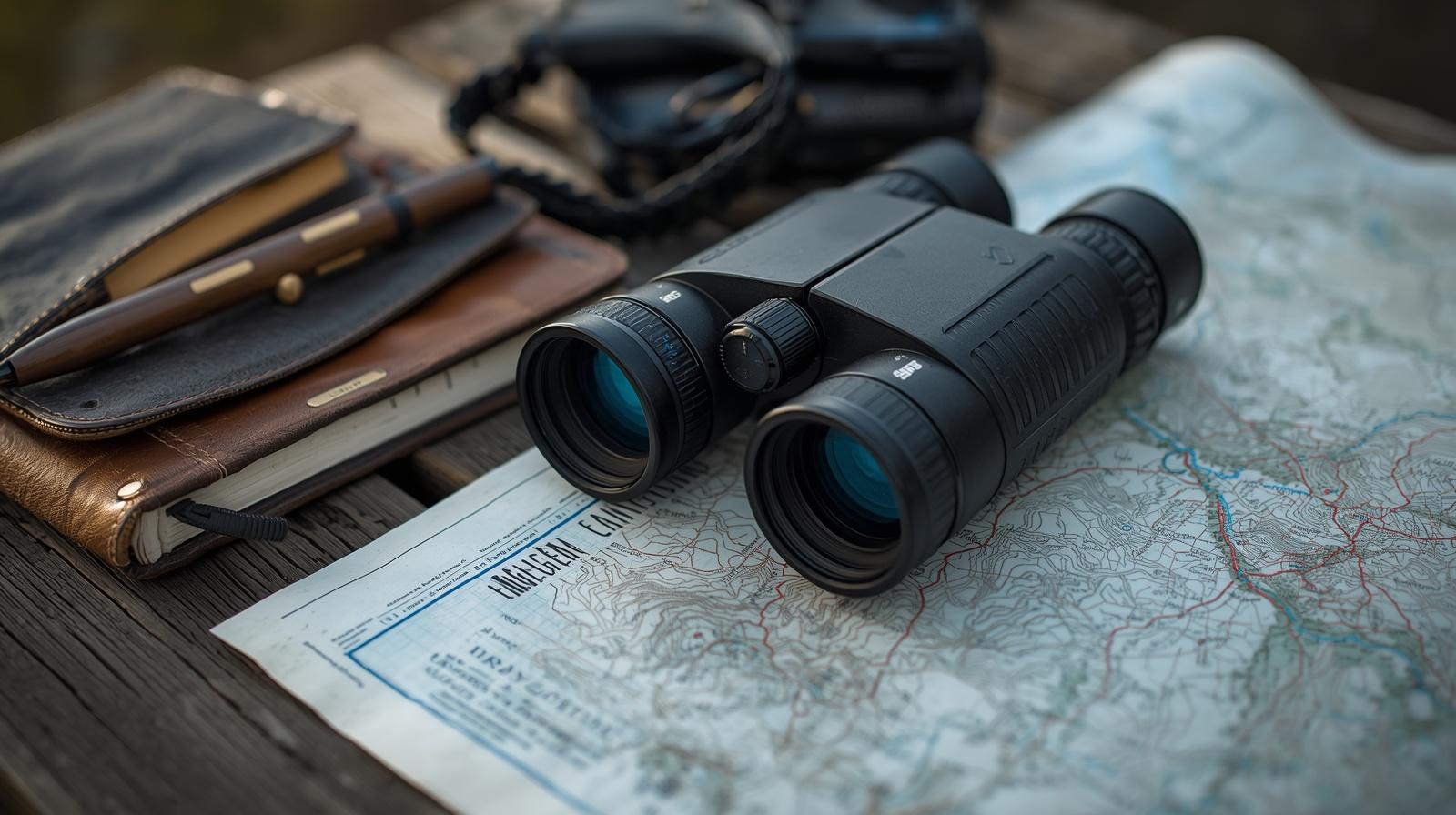
Porro designs are common in larger 7×50, 10×50, and 12×50 binoculars because they can offer strong light gathering at reasonable prices. For casual moon viewing and sky scanning, they are still a practical choice.
Where Porro Binoculars Fall Short
Porro prism binoculars are not perfect. Cheap price does come with trade-offs.
Pros of Porro Prism Binoculars
| Advantage | Why It Matters |
|---|---|
| Better value optics | More image quality for the same budget |
| Natural depth | View often feels more 3D and immersive |
| Bright image | Good Porro models can perform well in normal daylight and lower light |
| Easier to manufacture | Keeps prices lower |
| Great for beginners | Less need to understand premium coating specs |
Cons of Porro Prism Binoculars
| Disadvantage | Why It Matters |
|---|---|
| Bulkier body | Less convenient for travel and compact bags |
| Often heavier | Can feel tiring during long handheld use |
| Waterproofing varies | Cheaper models may not be sealed well |
| Less modern design | Some buyers dislike the classic shape |
| More exposed alignment risk | Hard knocks may affect cheaper models over time |
This is why I do not recommend Porro binoculars to everyone.
If you need compact binoculars for frequent travel, wet weather, kayaking, or rough outdoor use, a good roof prism model may be worth the extra money. But for pure image value, Porro still punches above its price.
Recommended Product: Nikon Action 8×42 Porro Binoculars
For one highly relevant pick, the Nikon Action 8×42 is a strong example of why Porro prism binoculars are cheaper but still useful.
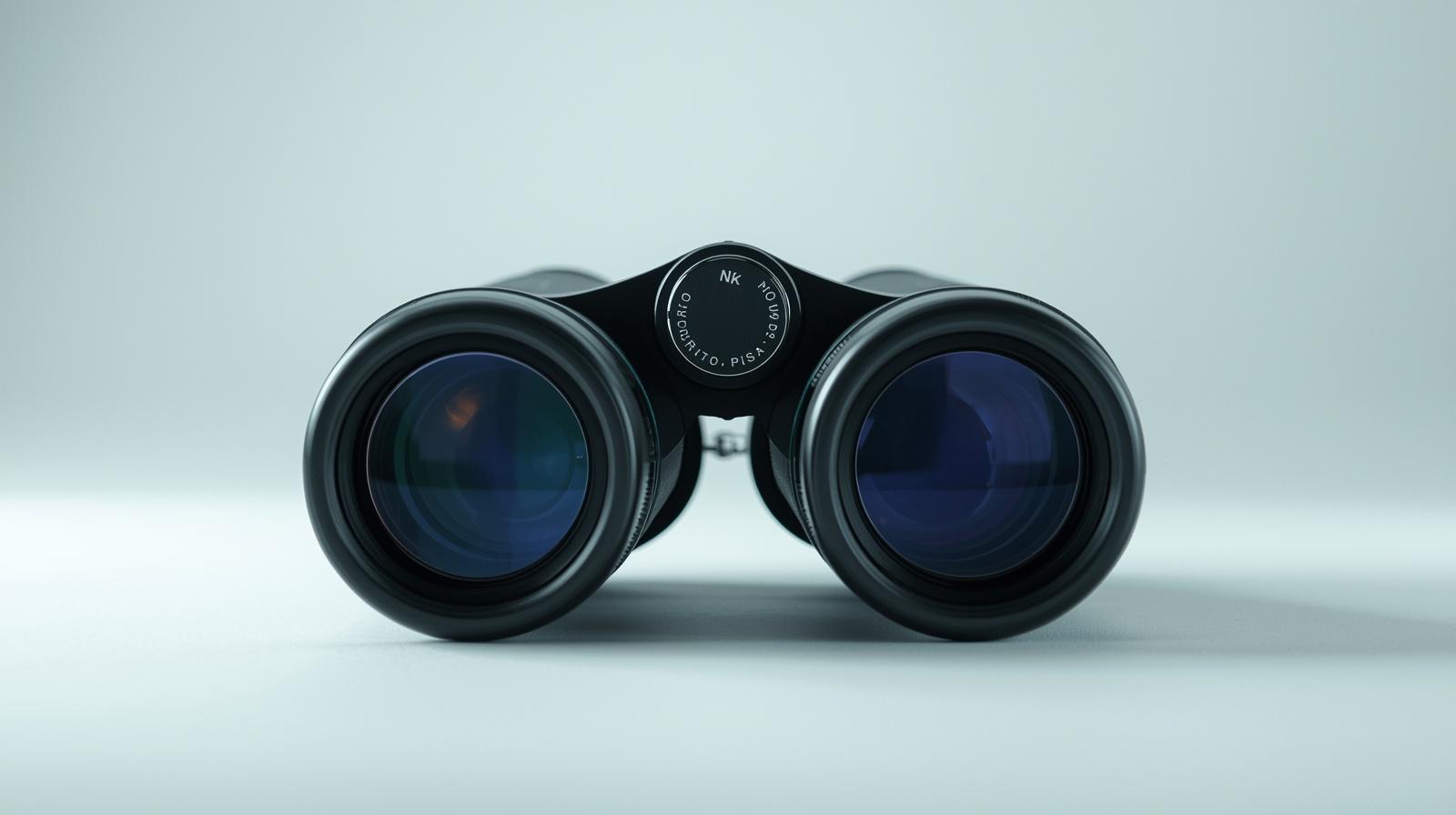
It uses a sturdy Porro-prism design with 8x magnification, 42mm objective lenses, multilayer coatings, a wide 8° real field of view, 17.3mm eye relief, and a listed weight of 27.9 oz. Nikon’s official listing presents it as an all-purpose model for birding, hiking, sports, and general outdoor viewing, with budget-friendly pricing depending on the retailer.
Why does it make sense here?
Because it proves the point. You are not paying for a fancy compact roof body. You are paying for a usable, bright, wide-view binocular that fits beginners, casual outdoor users, and value-focused buyers.
Would I choose it for extreme weather or ultralight travel? No.
Would I choose it as a practical first binocular for someone who cares more about the view than the shape? Yes, absolutely.
Common Mistakes Buyers Make
Mistake 1: Assuming Roof Prism Always Means Better
Roof prism binoculars look premium, but cheap roof binoculars can be disappointing. If they lack good phase coating and quality control, the image may look flat or soft.
Mistake 2: Buying Too Much Magnification
A 16x or 20x binocular may sound powerful, but handheld shake becomes a problem fast. For most people, 8×42, 10×42, or 10×50 is more practical.
Mistake 3: Ignoring Weight
Porro binoculars can be heavier. If you plan to carry them for hours, check the weight before buying. A sharp image does not help much if you hate carrying the binoculars.
Mistake 4: Expecting Premium Waterproofing at Budget Prices
Some Porro binoculars are rugged enough for casual use, but not all cheap models are sealed for rain, fog, or rough conditions. Check waterproof and fogproof specs carefully.
Mistake 5: Choosing Based on Looks Alone
This is the big one. Many people skip Porro binoculars because they look old-fashioned. That is a mistake if your budget is tight and image quality matters most.
So, Why Are Porro Prism Binoculars Cheaper?
Porro prism binoculars are cheaper because the design is less expensive to produce, does not need the same costly phase correction coatings as roof prism binoculars, and uses a more traditional body layout that manufacturers can build efficiently.
But cheaper does not mean low value.
In fact, the reason why Porro prism binoculars are cheaper is exactly why they are still worth considering. You are not paying extra for a slim body. You are not paying extra for complex roof prism correction. You are usually getting a straightforward optical system that can deliver a surprisingly good view for the money.
That makes Porro binoculars ideal for:
- Beginners who want better optics without overspending
- Backyard and balcony viewing
- Sports and event watching
- Casual outdoor use
- Budget astronomy
- Buyers who care more about image quality than compact design
Roof prism binoculars still win for portability, waterproofing, and premium build quality. But if you are trying to stretch your budget, Porro prism binoculars can be the smarter buy.
Final Buying Advice
Here is the no-fluff answer.
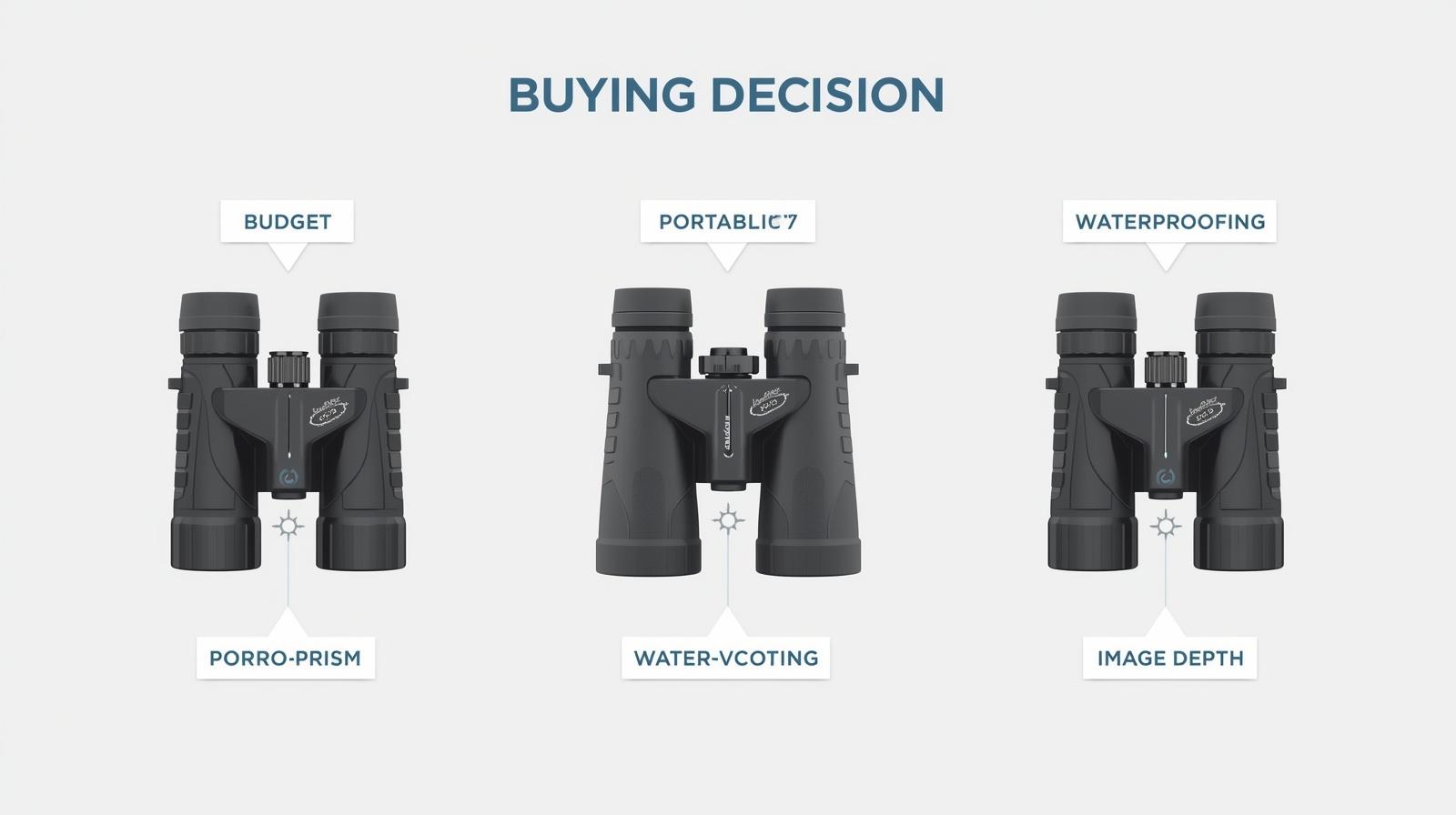
Buy Porro prism binoculars if you want the best image quality for the lowest price and you do not mind a larger body.
Buy roof prism binoculars if you need something compact, travel-friendly, waterproof, and easier to carry all day.
That is the real decision.
The question is not only why are Porro prism binoculars cheaper. The better question is: do you actually need the features that make roof prism binoculars more expensive?
For many buyers, the answer is no.
And that is why Porro prism binoculars still deserve a serious look.
FAQs About Why Porro Prism Binoculars Are Cheaper
Why are Porro prism binoculars cheaper than roof prism binoculars?
Porro prism binoculars are cheaper because their optical design is easier to manufacture and usually does not require expensive phase correction coatings. The body is larger, but the simpler light path helps keep production costs lower.
Are cheap Porro prism binoculars good?
Yes, many cheap Porro prism binoculars are good for casual viewing, sports, outdoor observation, and beginner use. They often deliver better brightness and depth than roof prism binoculars at the same low price.
Do Porro prism binoculars have better image quality?
At budget prices, Porro prism binoculars often provide better image quality for the money. Roof prism binoculars can be excellent, but they usually need better coatings and tighter construction to match or beat Porro performance.
Why do roof prism binoculars cost more?
Roof prism binoculars cost more because their compact straight-barrel design requires more precise manufacturing. Good roof prism binoculars also need quality coatings, including phase correction coatings, to maintain sharpness and contrast.
Are Porro prism binoculars outdated?
No, Porro prism binoculars are not outdated. They are older in design, but still useful. Their value, depth perception, and bright image make them a strong choice for many budget-conscious buyers.
Should beginners buy Porro or roof prism binoculars?
Beginners on a tight budget should strongly consider Porro prism binoculars because they usually offer better image quality per dollar. Beginners who need compact, waterproof binoculars may prefer roof prism models.
What is the biggest downside of Porro prism binoculars?
The biggest downside is size. Porro prism binoculars are usually wider and bulkier than roof prism binoculars. Some cheaper models also lack strong waterproofing.
Are Porro prism binoculars good for travel?
They can be good for relaxed travel, road trips, and sightseeing from fixed spots. But for lightweight packing, hiking, or wet conditions, compact roof prism binoculars may be easier to carry.
More Helpful Binocular Guides
To compare both designs in more depth, start with the main guide: porro prism vs roof prism binoculars.
To understand where Porro models genuinely win, read: Porro prism binocular advantages.
For simpler buying help, check: roof prism vs Porro prism for beginners.
For more practical tips, visit the binocular tips page or explore the homepage at BestBinocular.net.




