
Porro Prism vs Roof Prism Binoculars: Which One Fits Your Real Use?
Choosing between porro prism vs roof prism binoculars is one of those decisions that sounds technical at first, but it becomes simple once you match the design to your real use.
Here’s the honest version: porro prism binoculars usually give better optical value for the money, while roof prism binoculars are easier to carry, more compact, and usually better for rough outdoor use.
That does not mean one is always better. It means the best choice depends on how you actually use binoculars: backyard viewing, birding, hiking, travel, stadium use, marine viewing, wildlife spotting, or long glassing sessions.
For more focused buying help, you can also explore our related guides on birding, hunting, beginner binoculars, and Porro prism advantages.
Porro Prism vs Roof Prism: The Simple Difference
The main difference is the internal prism layout.
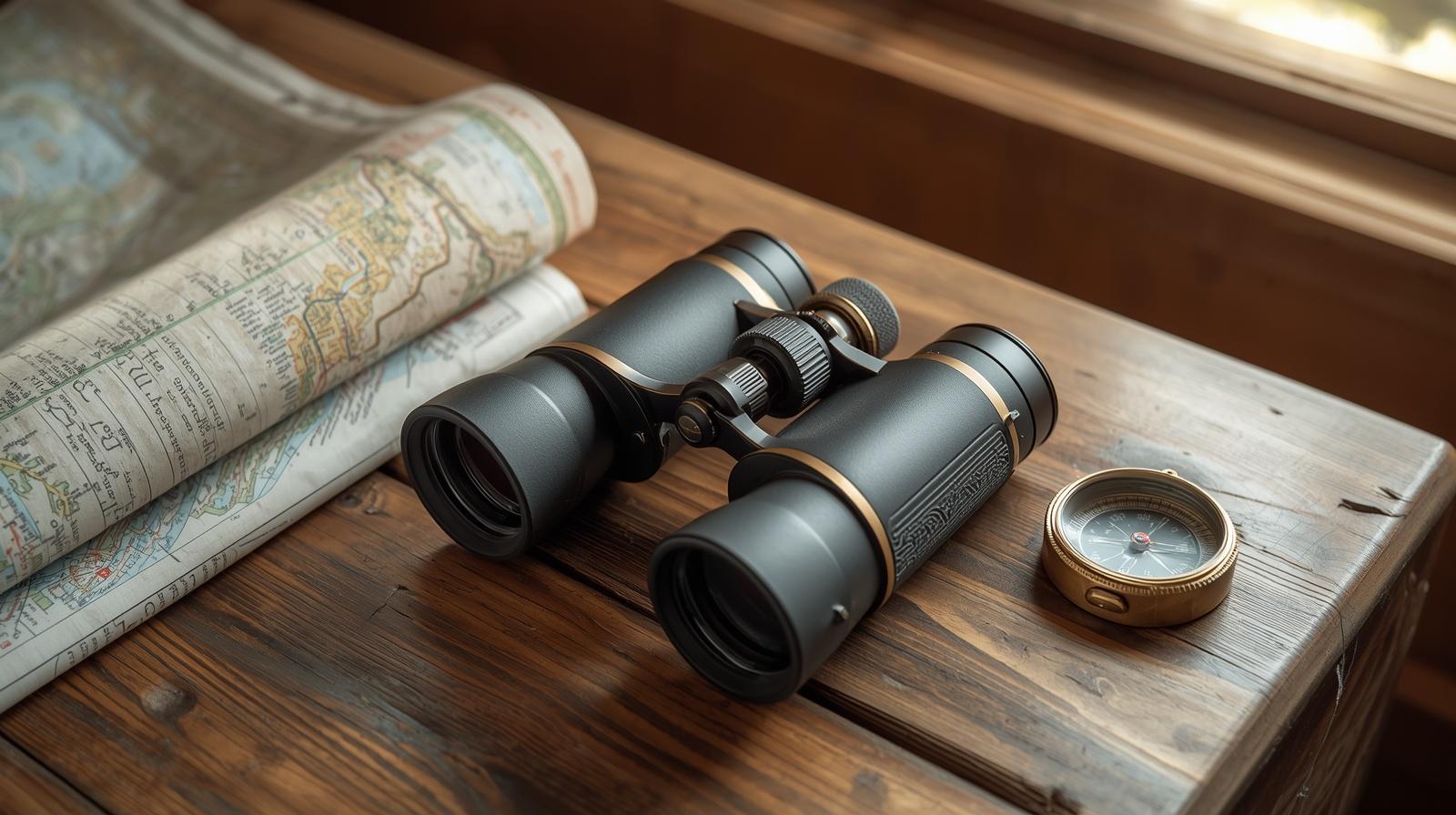
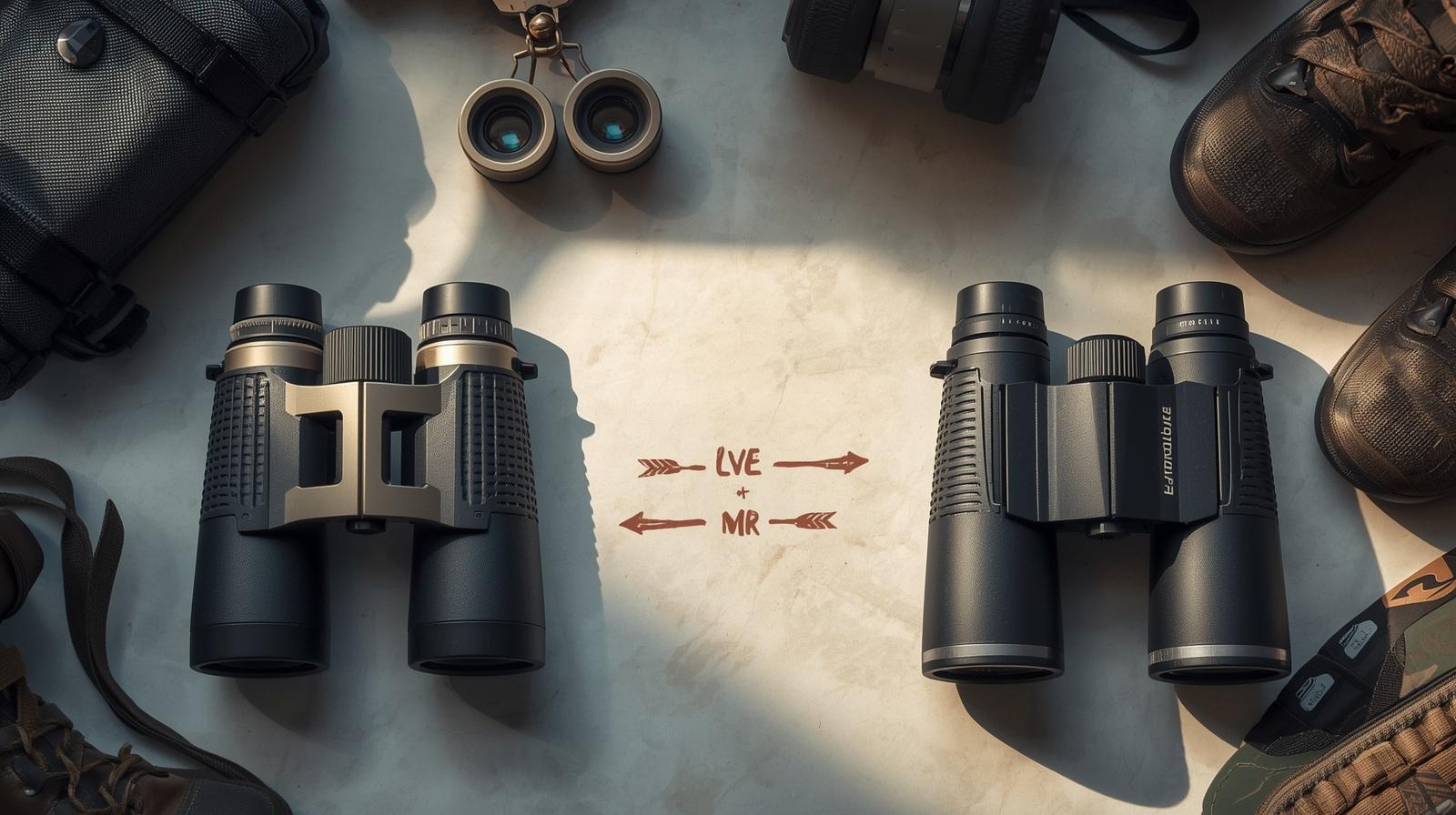
Porro prism binoculars have that classic zig-zag shape. The eyepieces sit closer together, while the objective lenses are wider apart. This design gives a strong sense of depth and often delivers a bright, wide image at a lower price.
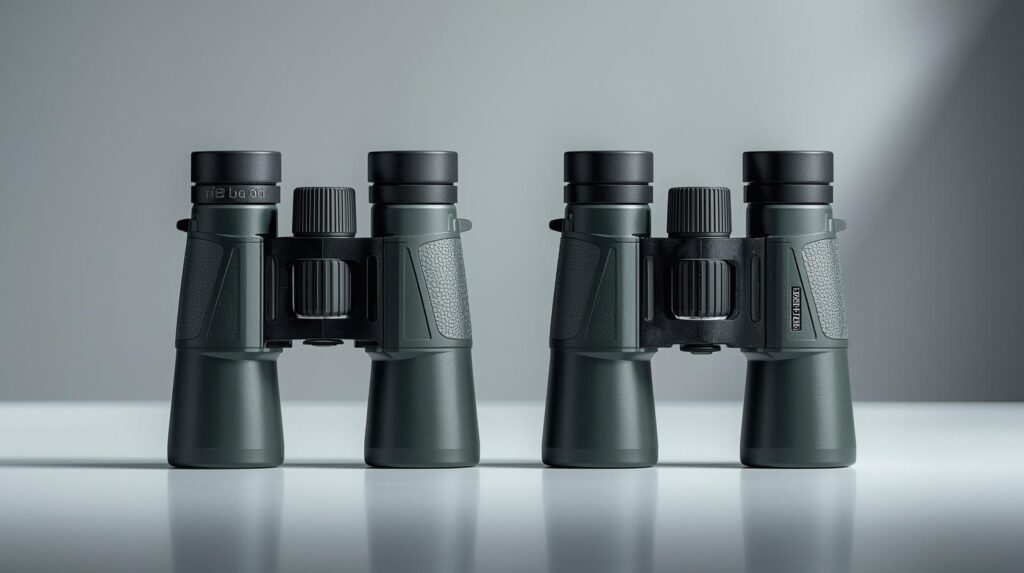
Roof prism binoculars have a straight-barrel design. The eyepieces and objective lenses line up in a slimmer body. This makes them easier to hold, pack, carry, and weatherproof.
So when buyers compare porro prism vs roof prism, they are really comparing two priorities:
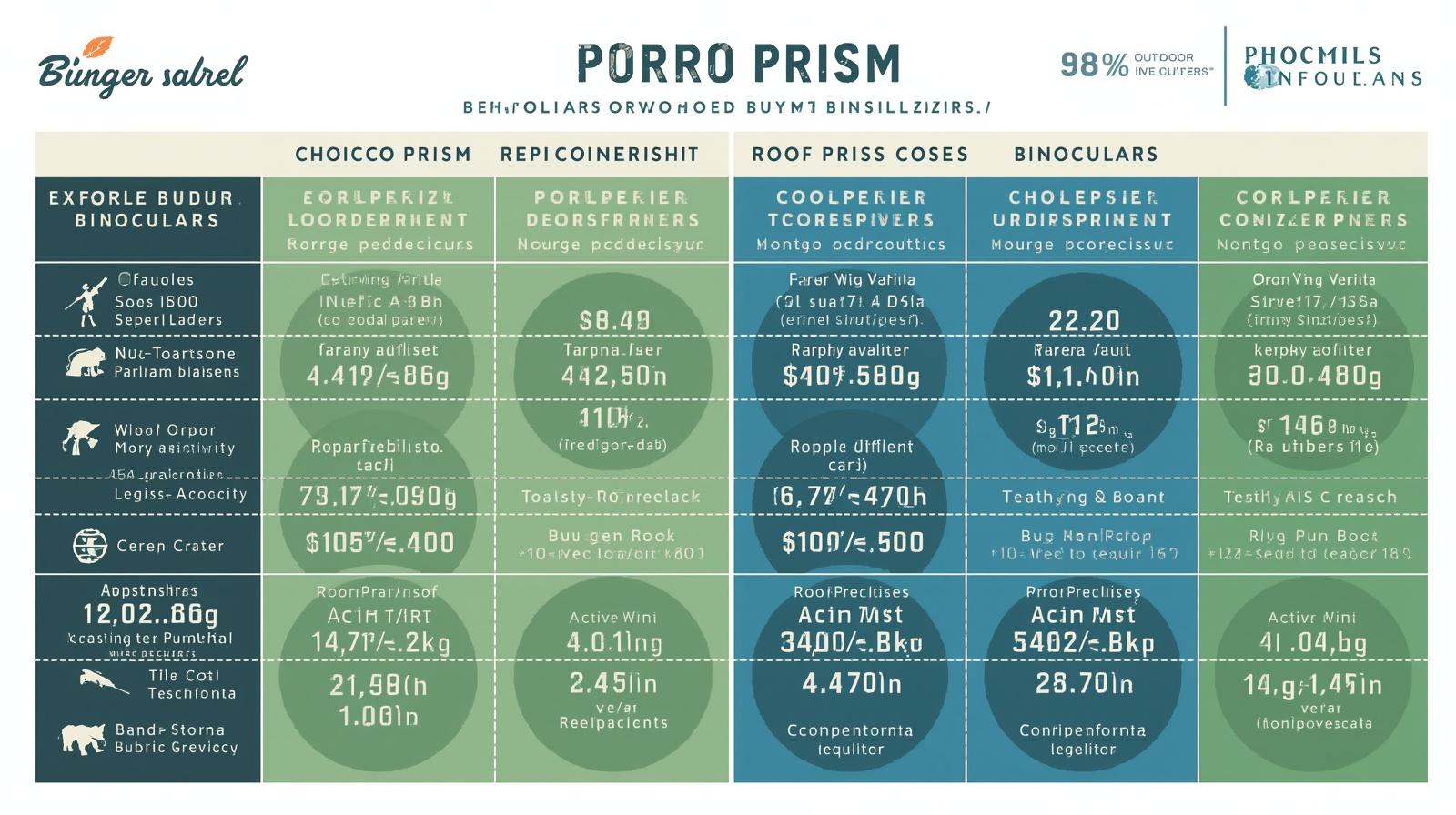
| Feature | Porro Prism Binoculars | Roof Prism Binoculars |
|---|---|---|
| Shape | Wider, classic stepped body | Slim, straight-barrel body |
| Image depth | Strong 3D effect | Flatter but clean image |
| Value for money | Usually better at low/mid budget | Better once quality coatings improve |
| Portability | Bulkier | More compact |
| Weather sealing | Less common in cheap models | More common |
| Durability | Good, but body is wider | Better for rough travel |
| Best for | Backyard, astronomy, casual wildlife | Birding, hiking, travel, daily carry |
That’s the core. But real buying decisions are messier.
A $120 porro can sometimes look brighter than a cheap roof prism binocular. But a well-built roof prism model with phase correction and dielectric coatings can outperform many average porros in sharpness, handling, waterproofing, and everyday comfort.
Why Porro Prism Binoculars Still Make Sense
Porro prism binoculars are old-school in the best way.
They often give you a wider, more natural-looking image without forcing you into premium pricing. Because the prism system is simpler to manufacture well, brands can spend more of the cost on lenses, coatings, and basic optical performance.
That matters if you are buying your first serious pair.
A good porro prism binocular can feel surprisingly immersive. The wider spacing between the objective lenses creates stronger depth perception. When you scan across trees, distant buildings, hillsides, or a sports field, the view can feel more dimensional.
This is why some experienced users still keep a porro pair around even if they own expensive roof prism binoculars.
Porro Prism Pros
| Pros | Why It Matters |
|---|---|
| Better optical value | You often get brighter views for less money |
| Strong depth perception | Useful for judging distance and layers in scenery |
| Comfortable steady grip | Wider body can feel stable in both hands |
| Great for casual viewing | Backyard, porch, field, and astronomy use |
| Often wider field feel | Makes scanning easier |
Porro Prism Cons
| Cons | Why It Matters |
|---|---|
| Bulkier body | Not ideal for small bags or long hikes |
| Less sleek | Some users dislike the classic shape |
| Cheap models may lack waterproofing | Risky for wet outdoor use |
| Harder to carry all day | Neck fatigue can become real |
| Less pocket-friendly | Not the best travel format |
Why Roof Prism Binoculars Are So Popular Now
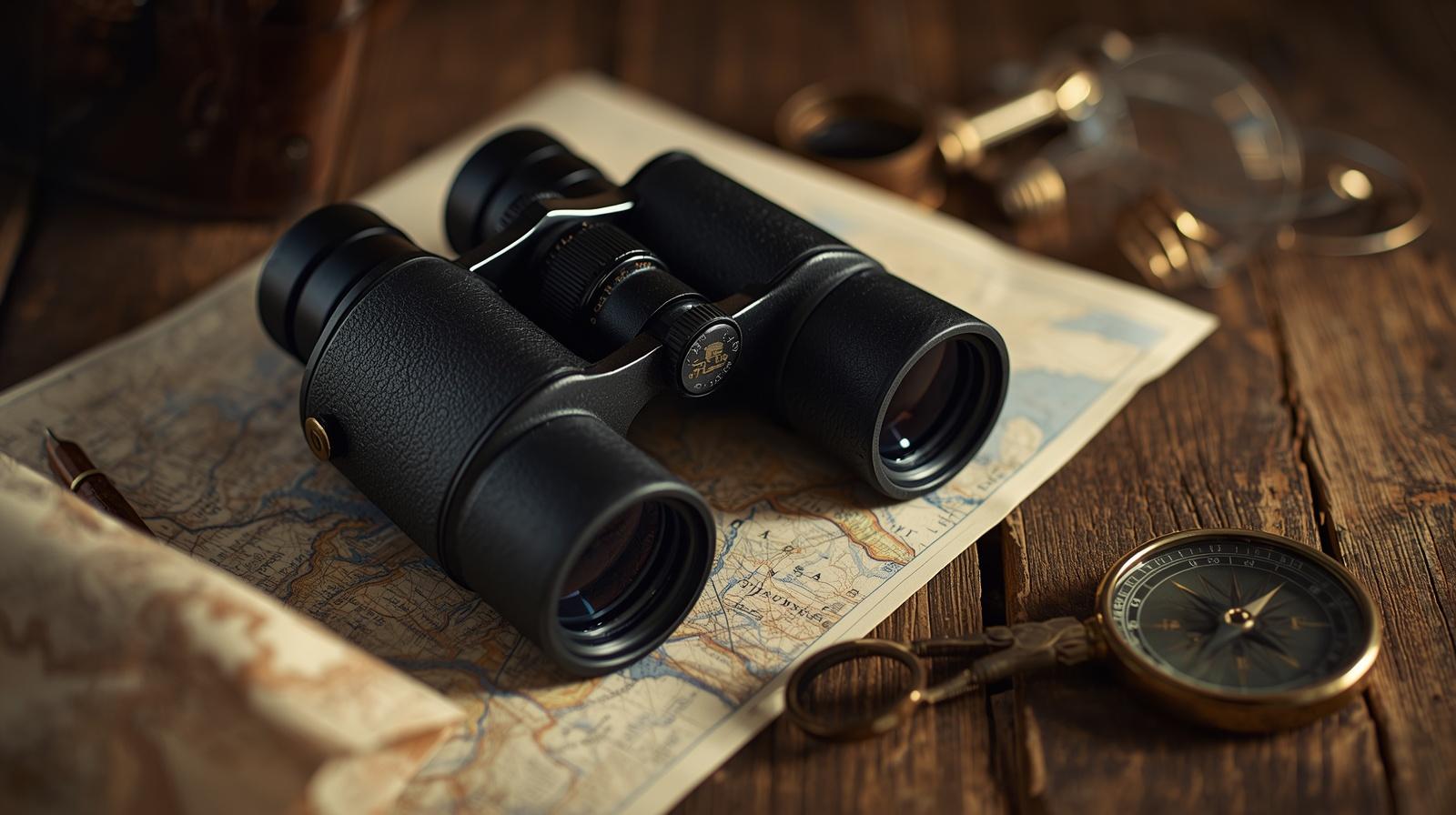
Roof prism binoculars dominate modern outdoor shelves for a reason: they are convenient.
They fit better in a backpack. They hang closer to the chest. They usually feel cleaner in the hand. If you are moving a lot, that matters more than people think.
The straight-barrel shape also makes roof prism binoculars easier to waterproof and ruggedize. That is why many birders, hikers, travelers, and field users choose roof models even when a porro at the same price may look slightly brighter.
But there is a catch.
Cheap roof prism binoculars can disappoint. Roof prism systems need better coatings and tighter alignment to perform well. Without phase correction and good prism coatings, the image may look dull, soft, or low contrast.
So the porro prism vs roof prism debate changes with budget. Under a very tight budget, porro often wins. At mid-range and above, roof prism becomes very attractive.
Roof Prism Pros
| Pros | Why It Matters |
|---|---|
| Compact design | Easier to carry and store |
| Better for travel | Slim body fits bags and harnesses |
| More weather-ready | Waterproof and fogproof models are common |
| Modern handling | Feels balanced and clean |
| Strong all-around choice | Works for birding, hiking, wildlife, and sports |
Roof Prism Cons
| Cons | Why It Matters |
|---|---|
| Better models cost more | Quality coatings are important |
| Cheap models can look flat | Poor phase correction hurts contrast |
| Less natural depth than porro | Image may feel less 3D |
| Harder to judge by specs only | Coatings and build quality matter a lot |
| Premium models get pricey fast | Easy to overspend |
Real-World Use Cases: Which One Fits You?
This is where the decision gets easy.
Backyard Viewing
For backyard viewing, porro prism binoculars are underrated. You are not hiking for miles. You are not stuffing them into a jacket pocket. You probably want a bright, relaxed image from your porch, window, garden, or rooftop.
In that case, a 7×35, 8×40, or 10×50 porro can be a smart buy.
You get a steady feel, strong depth, and good light gathering without paying for a compact roof body.
Birding
For birding, roof prism binoculars are usually more practical.
Birding means movement. You lift the binoculars quickly, focus fast, follow motion, and often deal with damp mornings. A compact waterproof 8×42 roof prism model is the safer long-term pick.
Still, porro binoculars can work beautifully for slow birding from a fixed spot, like a balcony, feeder station, lake edge, or garden.
For a deeper birding-specific breakdown, read our guide on porro vs roof prism binoculars for birding before buying.
Hiking and Travel
Roof prism wins here.
A bulky binocular can feel fine for the first 15 minutes. After two hours, you start noticing every extra ounce and every awkward edge. Travel binoculars need to disappear into your kit until you need them.
A roof prism 8×32 or 8×42 is usually the best balance.
If you travel often, do not just chase magnification. A 10x binocular sounds powerful, but 8x is often easier to hold steady and more comfortable for scanning.
Hunting and Field Scouting
For field use, roof prism binoculars are usually preferred because they are compact, weather-resistant, and easier to carry with other gear.
Porro models can still work from a fixed glassing point, but they are less convenient when moving through uneven terrain or packing light.
For a more focused outdoor comparison, check our article on porro vs roof prism binoculars for hunting, where the decision depends more on terrain, weather, and long-session comfort.
Astronomy and Night Sky Viewing
Porro prism binoculars deserve serious attention for astronomy.
A 10×50 porro can be a great entry point for moon viewing, star clusters, and wide night-sky scanning. The larger body is not a big problem if you are standing in one place or using a tripod adapter.
Roof prism binoculars can work too, but you usually pay more for the same level of low-light performance.
Porro Prism vs Roof Prism by Budget
Budget changes everything.
| Budget Level | Better Choice | Why |
|---|---|---|
| Under $100 | Porro prism | Better chance of decent brightness |
| $100–$250 | Depends on use | Porro for optical value, roof for carry comfort |
| $250–$500 | Roof prism | Better coatings and waterproofing become reliable |
| $500+ | Roof prism | Premium roof models become excellent all-rounders |
The common mistake is comparing a cheap roof prism binocular against a good porro and thinking all roof prisms are bad.
That is not fair.
A low-cost roof prism binocular may cut corners on coatings, alignment, or prism quality. A mid-range roof model with phase correction can look much sharper and more contrasty.
At the same time, do not dismiss porro binoculars because they look “older.” Some porro designs still punch above their price.
One Product Worth Considering
If you want one safe all-around recommendation, the Vortex Diamondback HD 8×42 makes sense for most modern users.
It is a roof prism binocular, so it fits the practical side of this comparison: compact body, outdoor-friendly handling, and a versatile 8×42 configuration. Vortex lists the Diamondback HD 8×42 with features such as phase correction, dielectric prism coatings, fully multi-coated lenses, adjustable eyecups, and a true open hinge design.
This is not the cheapest option, and it is not a magic “best for everyone” pick. But for birding, hiking, travel, and general wildlife viewing, it hits the sweet spot better than many bulky budget porros.
Choose it if you want one binocular that can live in a backpack, handle outdoor use, and still feel serious enough for regular viewing.
Buyer Psychology: What Most People Get Wrong
Most buyers start with magnification.
That is the wrong first move.
They see 10x, 12x, or 20x and assume more power means better binoculars. In real life, higher magnification often means shakier hands, narrower field of view, darker images, and more eye strain.
When comparing porro prism vs roof prism, start with the way you will use the binoculars.
Ask yourself:
| Question | Better Lean |
|---|---|
| Will I carry them for hours? | Roof prism |
| Do I want max image quality for low money? | Porro prism |
| Will I use them in wet weather? | Roof prism |
| Do I mostly view from home? | Porro prism |
| Do I want one pair for everything? | Roof prism |
| Do I care about depth and 3D feel? | Porro prism |
The “best” binocular is the one you actually carry, use, and enjoy.
A slightly brighter porro does not help if it stays at home because it feels bulky. A sleek roof prism does not help if the cheap optics make the view dull.
Common Mistakes to Avoid
Buying Cheap Roof Prism Binoculars Without Checking Coatings
Roof prism binoculars need quality coatings to perform well. Look for terms like phase-corrected prisms, dielectric coatings, and fully multi-coated optics.
If those are missing, a porro at the same price may look better.
Ignoring Weight
Binocular weight feels different after long use.
A heavy pair may look amazing for five minutes, then become annoying around your neck. If you walk a lot, roof prism design usually wins.
Choosing 10x When 8x Makes More Sense
For most users, 8x is easier to hold steady. It also gives a wider view, which helps when scanning landscapes, birds, or moving subjects.
10x is useful for distance, but only if you can keep it stable.
Thinking Porro Means Low Quality
Porro prism binoculars are not “beginner only.” They are simply less fashionable now. Some users still prefer their depth, brightness, and relaxed viewing feel.
Paying for Compactness You Do Not Need
If you mostly use binoculars from home, a porch, a car, or a fixed viewing spot, roof prism compactness may not be worth the extra cost. Put more money into optical quality instead.
Final Verdict: Which One Should You Buy?
Choose porro prism binoculars if you want the best image quality for the money, stronger depth perception, and do not mind a wider body.
Choose roof prism binoculars if you want a compact, modern, weather-friendly binocular for active outdoor use.
For most beginners on a tight budget, porro prism binoculars are the smarter optical value. For most active users who bird, hike, travel, or want one clean everyday pair, roof prism binoculars are the better long-term choice.
That is the real answer to porro prism vs roof prism.
Not “which design is better?”
But “which design matches your habits?”
For more binocular buying help, visit the Best Binocular home page or explore our latest binocular tips and guides before choosing your next pair.
FAQs About Porro Prism vs Roof Prism
Are porro prism binoculars better than roof prism binoculars?
Porro prism binoculars are often better for optical value, especially at lower prices. They can deliver bright images and strong depth perception without costing too much. Roof prism binoculars are usually better for portability, waterproofing, and active outdoor use.
Why are roof prism binoculars more expensive?
Roof prism binoculars need more precise construction and better coatings to produce a sharp, bright image. Features like phase correction and dielectric prism coatings add cost, but they also improve contrast and clarity.
Which is better for bird watching, porro or roof prism?
Roof prism binoculars are usually better for bird watching because they are compact, quick to handle, and easier to carry outdoors. Porro binoculars can still be excellent for stationary birding from a porch, garden, or viewing platform.
Are porro prism binoculars good for beginners?
Yes, porro prism binoculars are often great for beginners because they offer strong image quality at a lower price. They are especially good for casual wildlife viewing, backyard use, sports, and astronomy.
Do roof prism binoculars last longer?
Not always, but many roof prism binoculars are built with rugged bodies, waterproof sealing, and fogproof construction. That makes them a better choice for rough weather, travel, and frequent outdoor use.
Is 8×42 good for both porro and roof prism binoculars?
Yes. 8×42 is one of the most balanced binocular sizes. It gives steady magnification, good brightness, and a comfortable field of view. In roof prism binoculars, 8×42 is especially popular for birding, hiking, and general outdoor viewing.
Which binocular type is better for low light?
At the same price, porro prism binoculars often perform better in low light because the design can deliver strong brightness for less money. However, a high-quality roof prism binocular with premium coatings can also perform very well in dawn, dusk, and shaded areas.




