
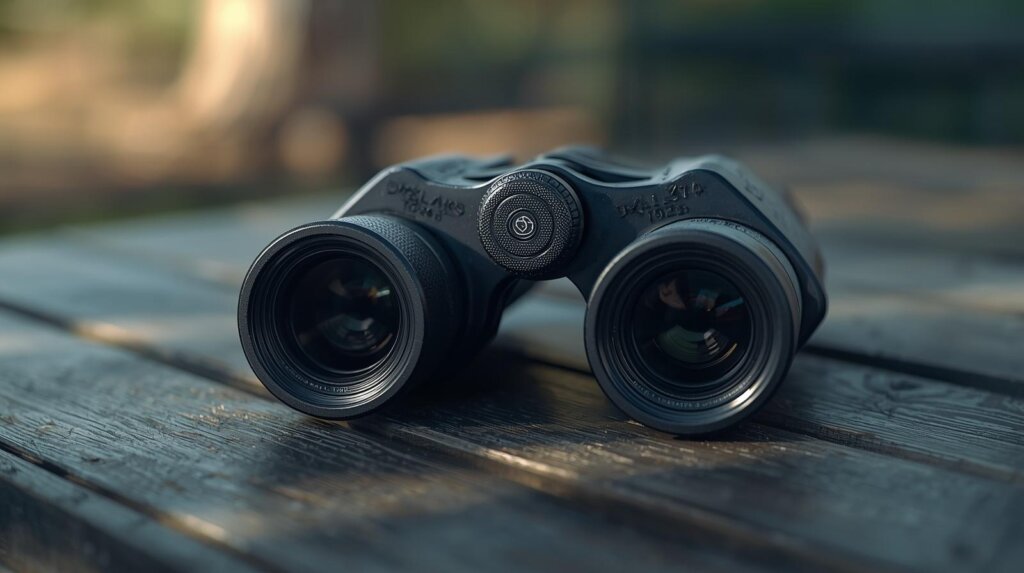
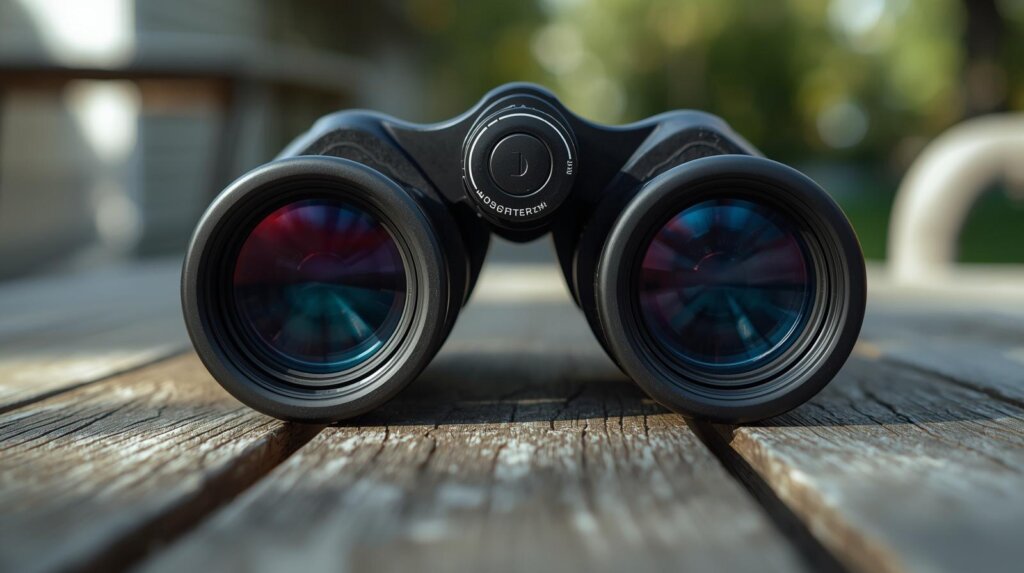
Why Proper Binocular Focus Improves Comfort and Clarity
Learning how to focus binoculars for both eyes sounds simple until you actually try to do it in the field. One eye looks sharp, the other feels slightly soft, and after five minutes you start blaming the binoculars, the light, or your eyesight. In many cases, the problem is not the binocular itself. The issue is that the center focus wheel and diopter adjustment have not been set correctly for your eyes.
The key is understanding that your two eyes rarely focus exactly the same. Even if you do not wear glasses, one eye may need a little more correction than the other. That is why most binoculars have a center focus wheel and a diopter ring. The focus wheel adjusts both barrels together, while the diopter fine-tunes one side so both eyes see the same level of sharpness.
In this article, you will learn how to focus binoculars for both eyes in a clear, real-world way, without overcomplicating the process. Whether you use binoculars for bird watching, hiking, hunting, stadium events, marine viewing, or backyard stargazing, this setup can make your view sharper, more comfortable, and less tiring.
Why Focusing Binoculars for Both Eyes Matters
If your binoculars are not focused for both eyes, your brain tries to force the two images into one clear view. That can work for a few seconds, but over time it causes eye strain, headaches, watery eyes, and a strange feeling that the binoculars are “almost sharp but not quite.”
A properly focused binocular should feel relaxed. You should not have to squint. You should not need to close one eye after every few seconds. You should be able to look through the eyepieces and see one clean, comfortable image.
This matters even more with higher magnification binoculars like 10×42, 12×50, or compact models with narrow exit pupils. Small focusing errors become more obvious because the image is less forgiving. A poorly adjusted diopter on a 10x binocular can make distant signs, birds, antlers, or landscape details look slightly smeared, even when the glass quality is decent.
For a deeper explanation of the diopter itself, you can read the full pillar guide on how to adjust binocular diopter. It explains why the diopter exists and how it affects long-term viewing comfort.
The Two Controls You Need to Understand
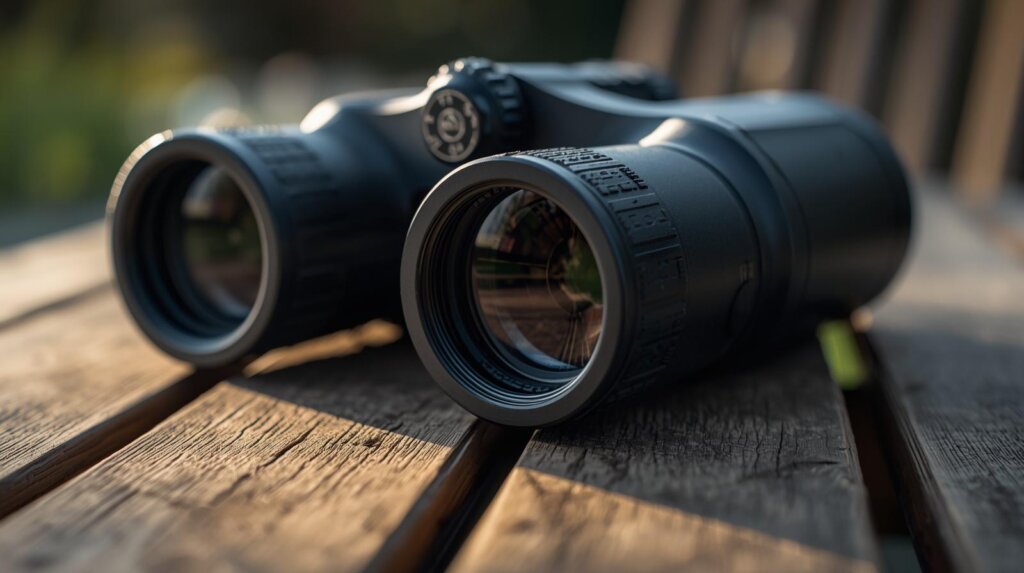
Before adjusting anything, it helps to know what each control does. Most binoculars use two focusing systems: the center focus wheel and the diopter adjustment.
Center Focus Wheel
The center focus wheel sits between the two barrels. This is the control you use most often. Once your binoculars are properly set up, you use the center wheel to focus on objects at different distances.
For example, if you are watching a bird on a nearby fence and then switch to a tree line across the field, the center wheel brings the new subject into focus for both eyes together.
Diopter Ring
The diopter ring is usually located on the right eyepiece, although some premium binoculars place it near the center focus wheel. Its job is to balance the difference between your left and right eye.
You normally set the diopter once, then leave it alone unless someone else uses your binoculars or your eyesight changes. This is the part many people skip, and it is the reason they never get a fully sharp view.
How to Focus Binoculars for Both Eyes Step by Step
Here is the cleanest way to focus binoculars for both eyes without guessing.
Step 1: Set the Eyecups First
Start by adjusting the eyecups. If you do not wear glasses, twist the eyecups up. If you wear glasses, twist them down so your eyes can sit close enough to the lenses.
This small step makes a big difference. If your eyes are too far from the eyepieces, you may see black shadows around the edges. If they are too close, the view may feel cramped or unstable.
Set the interpupillary distance too. Hold the binoculars and move the barrels closer or farther apart until both circles merge into one full round image. You should not see two separate views.
Step 2: Choose a Detailed Target
Pick a still object with fine detail. A sign, brick wall, tree bark, roof edge, fence post, or distant building works well. Avoid moving animals, water reflections, or leafy branches blowing in the wind.
The target should be far enough away that your binoculars need real focusing, but not so far that heat shimmer affects the view. Around 50 to 100 yards is ideal for most users.
Step 3: Cover the Right Objective Lens
Cover the right front lens with the lens cap or your hand. Do not close your right eye tightly because that can change the way your face muscles affect your vision. Just block the right barrel and keep both eyes relaxed.
Now look through the left barrel only.
Step 4: Focus the Left Eye with the Center Wheel
Using only your left eye, turn the center focus wheel until the target looks as sharp as possible. Take your time here. Do not rush past the sharpest point.
A useful trick is to focus slightly beyond sharp, then come back slowly. The best focus usually “snaps” into place. On cheaper binoculars, this snap may feel softer, but you can still find the cleanest point.
Step 5: Cover the Left Objective Lens
Now cover the left front lens and look through the right barrel only. Do not touch the center focus wheel anymore. This is important.
If you move the center focus wheel at this stage, you will undo the left-eye adjustment.
Step 6: Focus the Right Eye with the Diopter Ring
Turn the diopter ring until the same target looks sharp through your right eye. Move slowly. The difference may be tiny, but even a small correction can make the final image much clearer.
Once the right eye looks sharp, uncover both lenses and look through the binoculars normally. The view should now feel balanced, natural, and easier to hold.
Step 7: Test Both Eyes Together
Look at several objects at different distances and use only the center focus wheel from now on. Try a nearby tree, a distant rooftop, and a sign with lettering.
If the image feels sharp with both eyes open, your setup is correct. If it still feels uncomfortable, repeat the process from the beginning and make sure you are not accidentally moving the center focus wheel during the diopter step.
Quick Comparison: Center Focus vs Diopter Adjustment
| Feature | Center Focus Wheel | Diopter Adjustment |
|---|---|---|
| Main purpose | Focuses both barrels together | Balances difference between both eyes |
| Used often? | Yes, during normal viewing | Usually set once |
| Best time to adjust | Every time subject distance changes | During initial binocular setup |
| Common mistake | Turning too fast past the sharp point | Ignoring it completely |
| Affects both eyes? | Yes | Usually one eye only |
| Important for beginners? | Very important | Essential for comfort |
The center focus wheel is for daily use. The diopter is for personal calibration. Once you understand that difference, focusing binoculars becomes much easier.
Real-World Use Cases Where Proper Focus Makes a Big Difference
Bird Watching
Bird watching exposes focusing problems fast. A bird may land on a branch for only three seconds, and if your binoculars are not balanced for both eyes, you waste half that time fighting the view.
For birding, focus speed and comfort matter more than extreme magnification. A properly adjusted 8×42 binocular often feels better than a poorly adjusted 10×42 because the image is steadier and easier to lock onto quickly.
Hunting and Scouting
When glassing a hillside, small details matter. A flick of an ear, a tine behind brush, or a patch of color in low light can be missed if one barrel is slightly out of balance.
Hunters often spend long periods behind binoculars, so eye comfort is not a luxury. It affects patience and decision-making. If you constantly feel like you need to refocus, your diopter may be off.
Hiking and Travel
On a hike, you may shift from mountain ridges to trail signs to far-off viewpoints. Once the binoculars are set for both eyes, you only need the center wheel for these changes.
This is especially useful with compact binoculars. Smaller models are convenient, but they can be less forgiving, so correct focus setup matters even more.
Sports and Concerts
At stadiums or outdoor concerts, users often complain that binoculars feel hard to use because the subject keeps moving. In reality, the issue is often improper initial focus. Once both eyes are balanced, tracking action feels smoother and less tiring.
Common Mistakes When Focusing Binoculars for Both Eyes
Closing One Eye Too Tightly
A lot of beginners close one eye hard during setup. That can slightly distort your facial muscles and affect how your other eye sees. It is better to cover the lens instead of squeezing your eye shut.
Adjusting the Diopter First
The diopter should not be adjusted before the center focus wheel. First, set the left eye with the center focus. Then set the right eye with the diopter. Reversing the order often leads to confusion.
Using a Moving Target
Trying to focus on birds, cars, waves, or swaying leaves during setup is frustrating. Use a fixed object first. Once the binoculars are calibrated, moving subjects become easier.
Forgetting Your Diopter Setting
Some diopter rings move too easily in a bag. If your binoculars suddenly feel soft one day, check whether the diopter has shifted. A locking diopter is one reason premium binoculars feel more reliable in the field.
Blaming the Binoculars Too Early
Not every blurry image means bad optics. Sometimes the binoculars are fine, but the setup is wrong. Before assuming your binoculars are defective, check the eyecups, interpupillary distance, center focus, and diopter.
If your image still refuses to sharpen after proper adjustment, read why are my binoculars not focusing. That guide covers mechanical issues, collimation problems, dirty lenses, and user setup errors.
Pros and Cons of Manual Binocular Focusing
| Pros | Cons |
|---|---|
| More accurate than fixed-focus models | Takes a little practice |
| Can be customized to your eyesight | Diopter can shift if not locked |
| Better for birding, hunting, and detailed viewing | Beginners may adjust the wrong control |
| Works well across different distances | Poor technique can cause eye strain |
| Gives more control in low light | Shared binoculars need resetting |
Manual focusing is worth learning. Fixed-focus binoculars may sound convenient, but they rarely offer the same level of detail, especially for users with different vision in each eye.
What to Look for in Binoculars That Are Easy to Focus
When buying binoculars, focusing comfort should be part of your decision. Many people obsess over magnification and objective lens size, but the focus system affects daily use just as much.
Look for a smooth center focus wheel. It should turn without grinding, sticking, or feeling loose. A wheel that is too stiff can be annoying in cold weather. A wheel that is too loose can overshoot the focus point.
The diopter ring should have clear markings. Bonus points if it locks. A locking diopter prevents accidental movement when the binoculars are stored in a backpack, harness, or vehicle.
Eye relief is also important, especially for glasses wearers. If you wear glasses, you may need around 15mm or more of eye relief for comfortable viewing. You can also read how to adjust binocular focus for glasses if you want a more specific setup for eyeglass users.
Recommended Binocular Type for Easier Focusing
A highly relevant binocular worth considering is the Nikon Monarch M5 8×42. It is not the cheapest option, but it hits a smart middle ground for users who want sharp optics, manageable weight, and a focus system that feels practical in real outdoor use.
The 8x magnification is easier to hold steady than 10x, especially for beginners learning how to focus binoculars for both eyes. The 42mm objective size gives enough brightness for early morning walks, shaded trails, and general wildlife viewing. The focus wheel is also smooth enough for quick adjustments without feeling overly sensitive.
It makes sense for bird watching, hiking, nature observation, and general outdoor use. If you are buying your first serious pair and want something that will not punish small focusing mistakes, this type of 8×42 binocular is a safer choice than jumping straight into high magnification.
How to Know Your Binoculars Are Focused Correctly
A properly focused binocular should feel effortless. You should see one merged image, not two circles fighting each other. Fine details should look crisp without forcing your eyes.
Try reading distant lettering. If one eye feels sharp but the combined image feels strange, your diopter may still need a tiny adjustment. If both eyes feel sharp separately but uncomfortable together, your interpupillary distance may be wrong.
Another good test is time. Look through the binoculars for one full minute. If you start feeling pressure around your eyes or forehead, something is off. Good focus does not feel like work.
Should You Focus With or Without Glasses?
If you normally wear glasses for distance vision, you can use binoculars with your glasses on or off depending on your prescription and comfort. Many users with mild prescriptions prefer removing glasses and adjusting the diopter. Others need glasses for astigmatism correction.
If you keep your glasses on, twist the eyecups down. If you remove your glasses, twist the eyecups up and refocus normally.
There is no single rule that fits everyone. The best choice is the one that gives you the widest, clearest view without blackouts around the edges. For serious viewing sessions, comfort beats theory.
Best Focusing Method by Activity
| Activity | Best Setup Tip |
|---|---|
| Bird watching | Use a still branch or sign to set diopter before tracking birds |
| Hunting | Set focus before dawn so you are ready when light improves |
| Hiking | Choose 8x binoculars if you want easier handheld focus |
| Stargazing | Focus on the moon or a bright distant object before scanning |
| Sports | Pre-focus on the field area where most action happens |
| Marine viewing | Use lower magnification because movement makes focus harder |
This is where experience matters. The same binocular can feel excellent or frustrating depending on how and where you use it.
Final Checklist Before You Start Viewing
Before any serious viewing session, run through this simple checklist:
| Setup Point | What to Check |
|---|---|
| Eyecups | Up without glasses, down with glasses |
| Barrel width | One clean circular image |
| Left eye focus | Set with center wheel |
| Right eye focus | Set with diopter ring |
| Final test | Both eyes open, relaxed, sharp image |
| Diopter mark | Note your personal setting |
Once this becomes habit, it takes less than a minute.
FAQs About How to Focus Binoculars for Both Eyes
How do you focus binoculars for both eyes?
To focus binoculars for both eyes, adjust the eyecups first, set the barrel width, cover the right lens, and focus the left eye using the center wheel. Then cover the left lens and focus the right eye using the diopter ring. After that, use only the center focus wheel for normal viewing.
Why is one side of my binoculars blurry?
One side may look blurry because the diopter is not adjusted for your eyesight. It can also happen if the eyecups are set incorrectly, the lens is dirty, or the binoculars are out of alignment. Start with the diopter adjustment before assuming the binoculars are damaged.
Do I need to adjust the diopter every time?
No, you usually do not need to adjust the diopter every time. Once it is set for your eyes, leave it in place. You only need to change it if someone else uses your binoculars, the ring moves accidentally, or your eyesight changes.
Which eye should I focus first on binoculars?
Most binoculars are designed to focus the left eye first with the center focus wheel, then the right eye with the diopter ring. This is because the diopter is usually located on the right eyepiece.
Can I focus binoculars without glasses?
Yes, many people can focus binoculars without glasses, especially if they have simple near or far vision correction. However, if you have astigmatism, glasses may give a cleaner view. Try both methods and choose the one that feels sharper and more comfortable.
Why do my eyes hurt when using binoculars?
Your eyes may hurt because the diopter is not balanced, the eyecups are set wrong, the barrels are not matched to your eye spacing, or you are using too much magnification handheld. Proper setup usually reduces strain quickly.
Are 8x binoculars easier to focus than 10x?
Yes, 8x binoculars are generally easier to focus and hold steady than 10x binoculars. They are more forgiving for beginners and better for longer viewing sessions. 10x binoculars show more detail at distance, but they also reveal hand shake and focusing errors more clearly.
Final Thoughts
Knowing how to focus binoculars for both eyes is one of those small skills that changes the entire viewing experience. The binoculars feel sharper. Your eyes relax. Details become easier to notice. Most importantly, you stop fighting the gear and start enjoying the view.
The biggest mistake is treating the center focus wheel as the only control that matters. The diopter is just as important because it personalizes the binoculars to your eyes. Once you set it correctly, your binoculars become faster, cleaner, and more comfortable to use.
For more practical setup help, you can also read our guide on how to adjust binocular diopter and explore more binocular tips on BestBinocular.net




