
What Makes Binoculars Good for Low-Light Hunting
The best low light hunting binoculars are not just the binoculars with the biggest lenses or the highest price tag. That is where a lot of hunters get tricked.
Low light hunting is messy.
You are glassing through gray morning haze, shaded timber, wet brush, last-light shadows, and cold air that makes your eyes water. A cheap binocular may look fine at noon in a parking lot. At 6:05 a.m., it can turn every stump, branch, and deer-shaped shadow into the same muddy blur.
That is the real reason serious hunters care about low-light performance.
You are not buying brightness just for a prettier view. You are buying a few extra usable minutes when movement is hard to confirm. You are buying cleaner contrast when a buck steps out at the edge of a field. You are buying less eye strain when you have been glassing the same timber lane for half an hour.
If your main goal is to find the best low light hunting binoculars for real field use, focus on three things first: objective size, optical quality, and stability. Everything else comes after that.
Why Low Light Binoculars Matter More Than Most Hunters Think
Low light hunting is not only about “seeing in the dark.” Binoculars do not create light. They gather available light and manage it well enough that your eyes can still separate detail from shadow.
That difference matters in common hunting situations:
| Hunting Situation | What Poor Binoculars Show | What Good Low Light Binoculars Help You See |
|---|---|---|
| Deer at field edge | Brown shape near brush | Body line, head movement, antler shape |
| Elk on shaded slope | Dark patches in timber | Ear flicks, shoulder contrast, bedded animals |
| Whitetail in hardwoods | Branches and blur | Movement through trunks and leaf litter |
| Last-light food plot | Flat gray view | Better contrast between animal and background |
| Foggy morning glassing | Washed-out image | Cleaner edges and less eye fatigue |
The best low light hunting binoculars help you make better decisions when the view is difficult. That does not mean taking risky shots late. It means identifying animals more confidently, knowing when to stay put, and avoiding the classic mistake of chasing shadows.
For a broader premium optics breakdown, you can also read our pillar page on Best High-end Binoculars for Hunting. That page helps you compare low-light glass against other high-end hunting needs like western glassing, rangefinding, and all-day field comfort.
What Makes the Best Low Light Hunting Binoculars Different?
Low-light performance comes from the full optical system, not one shiny feature printed on the box.
Objective Lens Size
The second number in binocular specs tells you the objective lens diameter. For example:
| Configuration | Objective Size | Low-Light Strength |
|---|---|---|
| 8×42 | 42mm | Good balance for most hunters |
| 10×42 | 42mm | Great detail, slightly dimmer feel than 8×42 |
| 8×50 | 50mm | Brighter and steadier than many 10x options |
| 10×50 | 50mm | Strong for open country and tripod use |
| 8×56 | 56mm | Excellent for serious dawn/dusk glassing |
Bigger lenses can gather more light, but they also add weight. That is why the best low light hunting binoculars depend on how you hunt.
A whitetail hunter in a box blind can carry a heavier 8×56 and love it. A western hunter hiking steep country may prefer a premium 10×42 or 10×50 because weight and reach matter more.
Exit Pupil
Exit pupil is simple: divide the objective lens diameter by magnification.
An 8×56 binocular gives you a 7mm exit pupil. A 10×42 gives you a 4.2mm exit pupil.
That larger exit pupil can make the view feel easier and more relaxed in dim conditions. It also helps when your eye placement is not perfect, which happens often when you are wearing a beanie, face mask, or gloves.
Glass Quality and Coatings
Here is where cheap big binoculars lose.
A budget 10×50 can still look dull beside a premium 8×42 because low-light clarity depends on coatings, prism quality, contrast, color fidelity, baffling, and edge control. A binocular that transmits light poorly will not become great just because the front lenses are large.
The best low light hunting binoculars keep the image clean. You want contrast, not just brightness. A bright but hazy image is not helpful when you are trying to tell a deer from brush.
Best Overall Pick: Swarovski SLC 8×56 W B
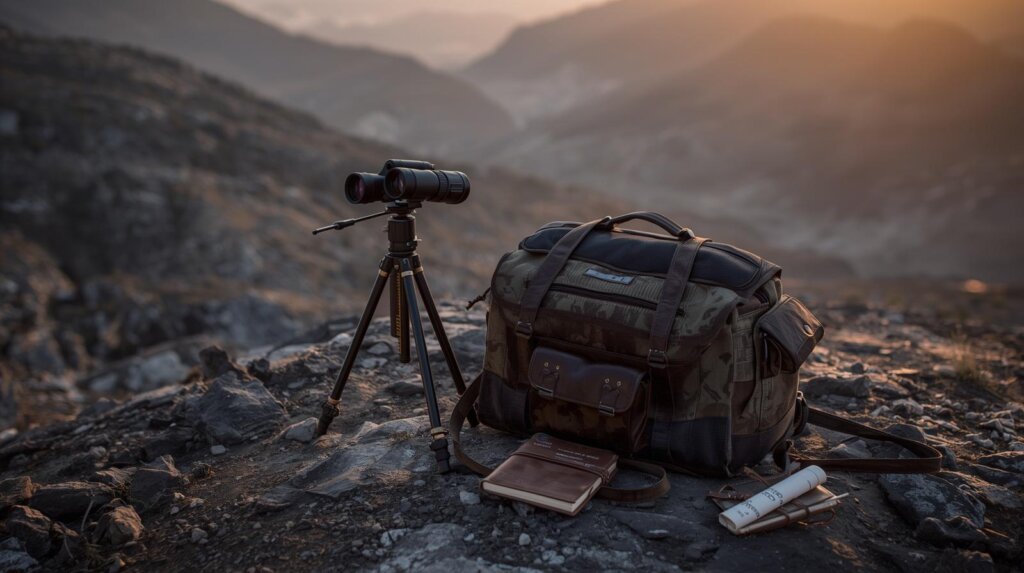
If I had to choose one serious low-light hunting binocular for hunters who prioritize dawn and dusk performance, I would choose the Swarovski SLC 8×56 W B.
This is not the binocular I would tell every hunter to carry up a mountain all day. It is not small. It is not cheap. And no, it will not magically turn legal darkness into daylight.
But for low-light hunting from blinds, stands, field edges, open farms, rolling timber, and controlled glassing spots, it is exactly the kind of binocular that makes sense.
The Swarovski SLC 8×56 W B is built around an 8×56 configuration, which gives hunters a large exit pupil, a bright-feeling view, and a more relaxed low-light experience. It is a performance-focused binocular, so it makes more sense for blinds, stands, field edges, and controlled glassing spots than for ultralight mountain hunts.
Why It Makes Sense for Low-Light Hunters
The 8x power is a smart choice. Many hunters automatically chase 10x because it sounds more powerful, but 8x is steadier in the hand and easier to use in dim conditions. In low light, a shaky image can cost you more detail than a little less magnification.
The 56mm objective gives this binocular its low-light backbone. You get a wide, easy view that feels calm behind the eyes. That matters when you are watching a field corner, timber gap, or creek crossing during those final minutes of movement.
Pros
- Excellent low-light performance for dawn and dusk hunting
- Large 7mm exit pupil gives a relaxed view
- 8x magnification stays steady without a tripod
- Strong contrast for shaded timber and field edges
- Comfortable eye relief for long glassing sessions
Cons
- Heavy compared with 42mm hunting binoculars
- Expensive for casual hunters
- Overkill if you only hunt short sits in bright conditions
- Not ideal for ultralight western backpack hunts
Who Should Buy It?
This binocular makes the most sense for hunters who care more about seeing clearly at first and last light than shaving ounces from a pack.
It is a strong fit for:
- Whitetail hunters glassing crop fields
- Hunters sitting in enclosed blinds
- Low-light hog or predator scouting where legal
- European-style high-seat hunting
- Timber-edge observation
- Private-land hunters who return to the same glassing points
It is not my first pick for a hunter who hikes 8 miles a day and counts every ounce. For that style, you may want to compare options in our article on best binoculars for western hunting, where reach, weight, tripod use, and long-distance scanning matter more.
8×42 vs 10×42 vs 8×56 for Low Light Hunting
This is where buyer psychology gets interesting.
A lot of hunters think, “I need more power.” But in low light, more power is not always better. Higher magnification narrows your exit pupil and makes hand shake more noticeable.
| Binocular Type | Best For | Low-Light Feel | Main Tradeoff |
|---|---|---|---|
| 8×42 | All-around hunting | Bright enough for most hunters | Less reach |
| 10×42 | Open country detail | Good, but less forgiving | More shake in low light |
| 8×50 | Steady low-light use | Brighter than 42mm | More bulk |
| 10×50 | Distance and brightness | Strong with tripod support | Heavier |
| 8×56 | Serious dusk/dawn glassing | Excellent | Heavy |
For most hunters, 8×42 is the safe everyday choice. For open country, 10×42 makes sense. But for the hunter who specifically wants the best low light hunting binoculars, 8×56 deserves serious attention.
The view is not just brighter. It is easier. That relaxed viewing experience matters when your eyes are tired and the woods are turning gray.
Real-World Use Cases
Field Edge Whitetail Hunting
This is where low-light binoculars earn their keep.
You are watching a cut cornfield, a brushy ditch, or a tree line. The deer do not step out under perfect light. They appear as pieces first: a shoulder, a leg, an ear, a tine catching the last glow.
The best low light hunting binoculars help you sort those details quickly. You do not want to keep raising and lowering the binocular because the view feels strained. You want to stay in the glass and let the scene develop.
Deep Timber Hunting
Deep timber is tricky because brightness alone is not enough. You need contrast.
A poor binocular can make dark trunks, shadows, and deer bodies blend together. A better low-light binocular separates tones more cleanly. That does not mean you see through trees. It means movement and shape become easier to catch.
In timber, I prefer 8x over 10x. The wider, steadier view helps when animals appear close and disappear fast.
Western Glassing at First Light
Western hunters often need more reach, so 10×42 and 10×50 binoculars remain popular. If you glass from a tripod, 10x can be excellent. But if you handhold at first light, a premium 8x or 8.5x can surprise you.
For long-range glassing systems, use low-light performance as one part of the setup. Your binocular finds movement. Your spotting scope confirms detail. Your tripod keeps everything honest.
You can also compare this with our article on best rangefinding binoculars for hunting if you want one optic that combines glassing and distance measurement.
Blind Hunting in Cold Weather
Cold mornings expose bad gear fast.
Cheap focus wheels get stiff. Eyecups feel awkward with gloves. Fogging becomes a problem. Eye placement gets annoying when you are bundled up.
A good low-light binocular should feel natural even when you are half-frozen and trying not to move. This is one reason I like larger exit pupils for blind and stand hunting. They forgive imperfect eye position.
Buyer Tips for Choosing the Best Low Light Hunting Binoculars
Do not buy only by magnification.
That mistake ruins more hunting optics purchases than almost anything else. A 12x binocular may sound powerful, but it can be frustrating in low light without a tripod.
Look for comfort behind the glass. If the binocular gives you blackouts, eye strain, or constant focus fiddling, you will stop using it.
Also think about your terrain.
For tight woods, 8×42 or 8×56 makes more sense than 10x. For mixed fields and stands, 8×56 can be excellent. For western basins, 10×42 or 10×50 may be more practical.
Finally, be honest about weight.
A heavy binocular that rides from truck to blind is fine. A heavy binocular around your neck all day can become a bad decision by lunchtime.
Common Mistakes Hunters Make
Choosing 12x for Low Light Handheld Use
More magnification sounds tempting, but it magnifies shake too. In low light, that shake makes fine detail harder to read. Unless you plan to use a tripod, 8x or 10x usually works better.
Buying Cheap 50mm Binoculars and Expecting Premium Performance
Large lenses help, but bad glass is still bad glass. A cheap 10×50 may look bright in the center while losing contrast, edge clarity, and color accuracy.
Ignoring Eye Relief
If you wear glasses or hunt with sunglasses at times, eye relief matters. Short eye relief can make the view feel cramped, especially during long sits.
Forgetting About Field of View
A wider field of view helps you scan faster. This matters in low light because animals may only give you a few seconds of movement.
Thinking Low Light Means Unsafe Late Shooting
Good binoculars help with observation and identification. They do not replace legal shooting light, judgment, or ethical shot decisions.
Best Low Light Hunting Binoculars: Quick Comparison by Hunter Type
| Hunter Type | Best Configuration | Why It Works |
|---|---|---|
| Whitetail stand hunter | 8×56 | Bright, steady, relaxed view |
| Mobile public-land hunter | 8×42 | Lighter and easier to carry |
| Western mule deer hunter | 10×42 or 10×50 | Better reach across open country |
| Timber hunter | 8×42 | Wide field and fast target pickup |
| Blind hunter | 8×56 | Weight matters less, brightness matters more |
| Mixed-use hunter | 8×42 premium glass | Best balance of weight and light |
The best low light hunting binoculars are the ones that match your actual hunting style. That sounds obvious, but many buyers shop like they are building a fantasy kit instead of solving a real problem.
If you mostly hunt from one stand, prioritize optical comfort and brightness. If you move all day, prioritize balance. If you glass far, consider tripod compatibility. Your binocular should fit your routine, not fight it.
Are High-End Low Light Binoculars Worth It?
For casual midday scouting, probably not.
For serious dawn and dusk hunting, yes, premium glass can be worth it.
The biggest difference is not always the first five seconds. It is the 25th minute behind the binocular. Better optics reduce strain. They preserve contrast. They make it easier to keep glassing when your eyes are tired and the light is fading.
That is why experienced hunters often upgrade after a few seasons. They do not upgrade because cheaper binoculars show nothing. They upgrade because cheaper binoculars make hard conditions harder.
Good low-light binoculars buy you confidence.
Final Verdict: What Should You Actually Choose?
If you want one clear recommendation for the best low light hunting binoculars, the Swarovski SLC 8×56 W B is my pick for hunters who care most about dawn and dusk visibility.
It is not the lightest. It is not the most casual option. But it makes sense for the hunter who spends real time glassing field edges, timber breaks, food plots, and shaded openings when light is thin.
Choose 8×56 if low-light performance matters more than pack weight. Choose 8×42 if you need a lighter all-around hunting binocular. Choose 10×42 or 10×50 if you hunt open country and want more reach.
The wrong binocular makes low light feel like guesswork. The right one makes the last few minutes calmer, cleaner, and more useful.
FAQs About the Best Low Light Hunting Binoculars
What are the best low light hunting binoculars for deer hunting?
The best low light hunting binoculars for deer hunting are usually 8×42, 8×50, or 8×56 models with premium glass and strong contrast. For stand and blind hunting, 8×56 binoculars are excellent because they offer a bright, relaxed view at dawn and dusk.
Are 10×42 binoculars good in low light?
Yes, 10×42 binoculars can work well in low light if the glass quality is high. However, they usually feel less bright and less forgiving than 8×42 or 8×56 binoculars because they have a smaller exit pupil and show more hand shake.
Is 8x or 10x better for low light hunting?
For handheld low-light hunting, 8x is often better because it gives a steadier image and a larger exit pupil in the same objective size. For open country and tripod use, 10x can be better when you need more detail at longer distances.
Are 8×56 binoculars too heavy for hunting?
8×56 binoculars can be heavy for mobile hunting, but they are excellent for stand, blind, and field-edge hunting. If you hike long distances, a premium 8×42 or 10×42 may be more comfortable.
Do bigger lenses always mean better low-light performance?
No. Bigger lenses help gather light, but glass quality, coatings, prisms, contrast, and build quality matter too. A premium 42mm binocular can outperform a cheap 50mm binocular in real low-light conditions.
What is the best magnification for low light hunting binoculars?
The best magnification for low light hunting binoculars is usually 8x for handheld use. It stays steady, gives a wide view, and pairs well with larger objective lenses. Hunters who glass open country may prefer 10x, especially with tripod support.
Should I use a tripod with low light hunting binoculars?
A tripod helps in open country and long glassing sessions. It reduces shake and lets you see more detail. For timber, treestand, and blind hunting, handheld binoculars are usually more practical.
Are expensive low light hunting binoculars really better?
Expensive low light hunting binoculars are usually better when they improve contrast, edge clarity, brightness, eye comfort, and durability. The biggest benefit appears during difficult conditions, not bright midday use.
Keep Building Your Hunting Optics Setup
Low-light glass is only one part of a smart hunting optics system. If you want a full premium setup, start with our Best High-end Binoculars for Hunting pillar page. For specific field needs, compare the best rangefinding binoculars for hunting and the best binoculars for western hunting.
For more field-tested optics advice, buyer tips, and practical binocular breakdowns, visit our blog page or head back to the bestbinocular.net home page.




