
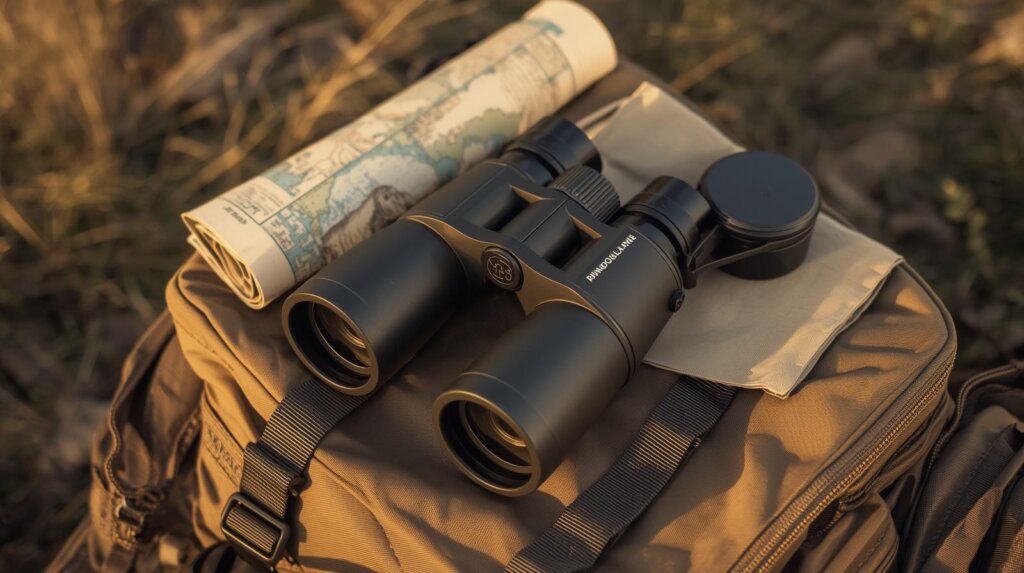
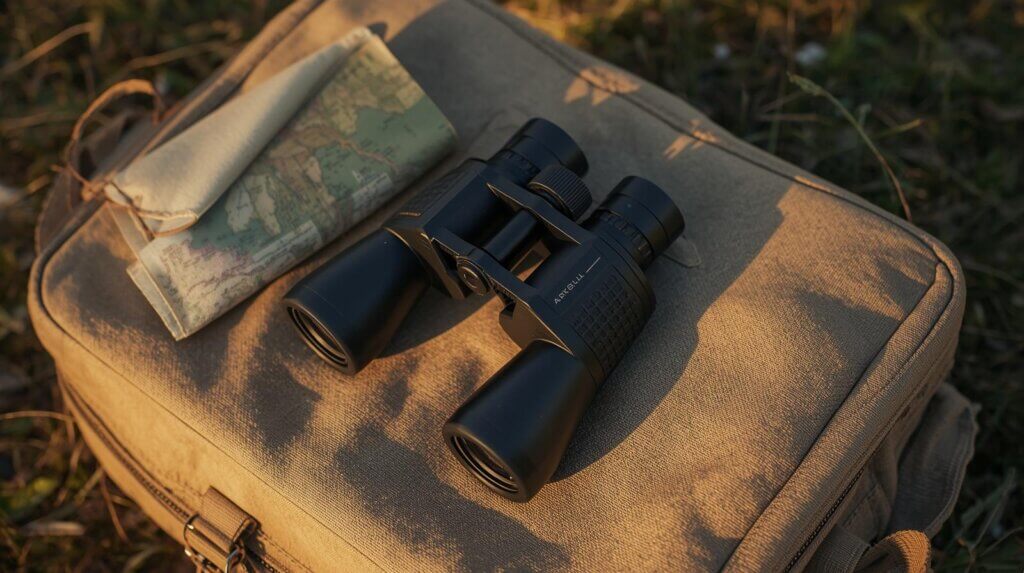
Why Safari Travelers Need the Right Compact Binoculars
Finding the best compact binoculars for safari is not about buying the most powerful pair you can afford. That is where many first-time safari travelers mess up. They see “10x” or “12x” and think bigger means better. Then they end up in a moving jeep, bouncing over rough tracks, trying to focus on a leopard half-hidden in dry grass while the image shakes like a bad phone video.
Safari viewing is different from hiking, cruising, or backyard birding. You need binoculars that are quick, steady, bright enough for early morning drives, and small enough to keep around your neck without annoying you after twenty minutes.
The sweet spot for most travelers is an 8x compact binocular, usually something like 8×25, 8×28, or 8×30. It gives you enough reach for elephants across a plain, enough steadiness for handheld viewing, and enough portability that you will actually use it.
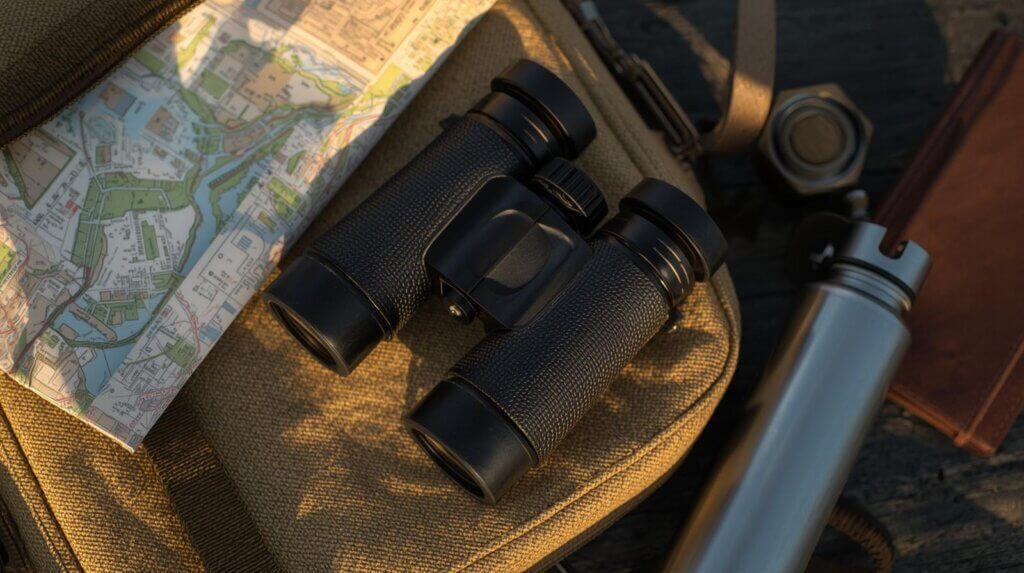
Why Safari Binoculars Are Different From Normal Travel Binoculars
A city sightseeing trip gives you time. You can stop, stand still, and adjust your view. Safari does not work like that.
The guide may whisper, “Look near the fallen branch,” and you have three seconds before the animal moves behind brush. You may be sitting with other people in a vehicle, leaning around someone’s shoulder, with dust in the air and sunlight hitting the lenses from an ugly angle.
That is why the best compact binoculars for safari should be judged by real use, not just the spec sheet.
You need:
- Fast focusing
- Comfortable grip
- Wide field of view
- Waterproof or water-resistant body
- Fog-resistant performance
- Good low-light visibility
- Manageable weight
- Easy use from a vehicle
The most expensive binoculars are not always the smartest choice for travel. A heavy 10×42 pair may look great on paper, but if it stays in your lodge bag because it feels bulky, it has already failed.
Best Overall Safari Size: 8×25 vs 8×32 vs 10×25
For safari, magnification matters less than people think. Stability matters more.
| Size | Best For | Main Advantage | Main Limitation |
|---|---|---|---|
| 8×25 | Light safari travel, casual wildlife viewing | Very compact and easy to carry | Not the brightest at dawn/dusk |
| 8×28 | Better balance of size and brightness | Still portable with slightly better comfort | Fewer options available |
| 8×30 / 8×32 | Serious safari travelers who still want compact gear | Brighter, steadier, better all-day viewing | Larger than pocket binoculars |
| 10×25 | Long-distance viewing in bright light | More reach | Shakier image, narrower view |
| 10×32 | Open plains and distant wildlife | Strong detail at distance | Needs steadier hands |
My honest take: for most travelers, 8×25 is the minimum, while 8×30 or 8×32 is the better safari choice if you can accept a little more size.
A safari is not only about spotting an animal. It is about watching behavior. An elephant moving its trunk through dry grass. A giraffe stepping across the road. A lion’s tail flicking before it stands. A wider, steadier view helps you enjoy those moments instead of fighting your binoculars.
What Magnification Is Best for Safari?
For most people, 8x magnification is the safest safari choice.
Here is why. Safari vehicles move. Your hands move. Animals move. Heat waves rise from the ground. At 10x, all those tiny movements become more obvious. At 8x, the image is calmer and easier to hold.
That makes 8x compact binoculars better for:
- Game drives from a jeep
- First-time safari travelers
- Families
- Bird and wildlife mixed viewing
- Quick spotting through trees or grass
- Early morning and late afternoon drives
A 10x compact binocular can work in open places like the Serengeti, Maasai Mara, or Etosha, where animals may be far away on wide plains. But if your trip includes woodland, bush, wetlands, or mixed terrain, 8x usually feels more natural.
The One Product I’d Actually Recommend
If you want one practical affiliate recommendation for safari without overcomplicating the decision, look at the Nikon Trailblazer ATB 8×25.
It is not a luxury safari binocular. It is not trying to be. That is exactly why it makes sense for many travelers. It is compact, lightweight, waterproof, fogproof, and wide enough for fast wildlife spotting. The 8x magnification is also much easier to control in a safari vehicle than 10x pocket binoculars.
Why It Makes Sense for Safari
The Nikon Trailblazer ATB 8×25 works best for travelers who want a reliable, packable binocular without carrying a full-size pair. It is especially useful if you are taking one safari as part of a bigger Africa trip and do not want your binoculars to dominate your bag.
Pros
- Light enough to keep around your neck
- Good for vehicle-based game drives
- Waterproof and fogproof design
- Wide viewing feel for finding animals faster
- Easier to hold steady than most 10x compact binoculars
- Good value for casual and semi-serious wildlife viewing
Cons
- Not as bright as 8×32 or 8×42 binoculars in very low light
- Eye relief may feel tight for some eyeglass wearers
- Not ideal if safari is your main hobby and you want premium glass
- Small body may feel fiddly with large hands
This is the kind of binocular I would recommend to someone who says, “I want something good for safari, but I also want to use it for travel later.” It fits the job without pretending to be a professional wildlife optic.
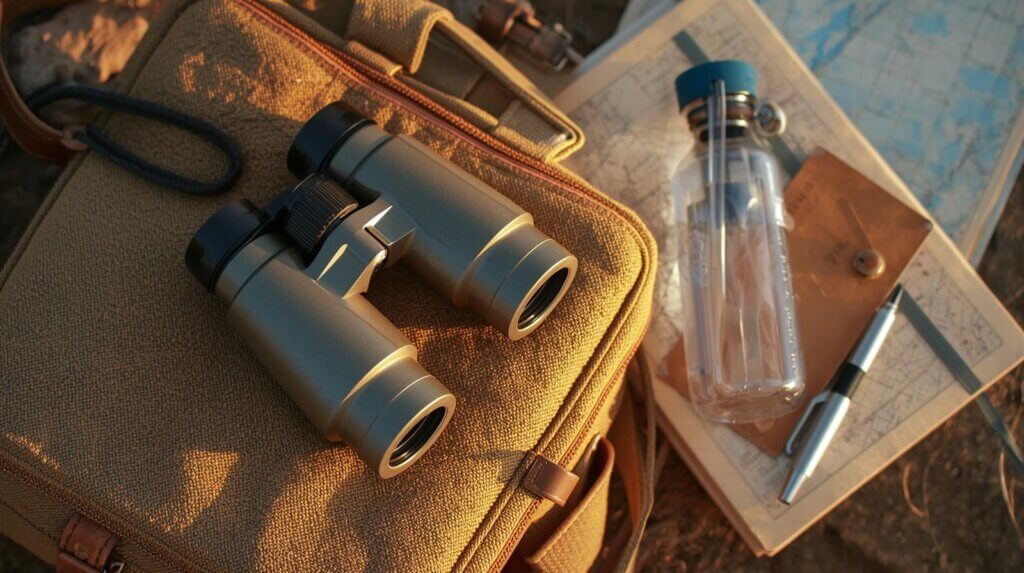
Why Field of View Matters More Than Zoom
Field of view is the width of the scene you can see through the binoculars. On safari, this matters a lot.
When your guide points toward a tree line, you are not always looking at one obvious animal. Sometimes you are scanning shadows, branches, rocks, and grass. A narrow field of view makes that frustrating. You keep searching, losing the spot, then dropping the binoculars to reset.
A wider field of view helps you:
- Find animals faster
- Track movement more easily
- Follow birds in flight
- Watch a group of animals together
- Reduce the “tunnel vision” feeling
This is one reason I prefer many 8x binoculars over 10x compact binoculars for safari. The 10x pair may bring the subject slightly closer, but the 8x pair often helps you find it faster. In real safari use, faster usually wins.
Low-Light Performance: The Dawn Drive Problem
Many of the best safari sightings happen early. That is also when compact binoculars struggle most.
A small 25mm objective lens cannot collect as much light as a 32mm or 42mm lens. That does not mean 8×25 binoculars are useless. It simply means you need realistic expectations.
If your safari includes serious dawn and dusk viewing, an 8×32 compact binocular will usually outperform an 8×25. The view will feel brighter, more relaxed, and easier on your eyes.
But if your goal is a lightweight travel setup, 8×25 can still be a smart compromise. It works well once the sun is up, and it is far better than squinting into the distance with your phone camera.
Simple Rule
Choose 8×25 if portability is your top priority.
Choose 8×32 if safari viewing quality matters more than pocket size.
That one decision will save you from 80% of buyer regret.
Real Safari Use Cases
Use Case 1: First Safari Trip
For a first safari, do not obsess over premium glass. You need something easy, sturdy, and quick to use. A compact 8×25 or 8×30 binocular is enough for most game drives.
You will use it for scanning trees, watching animals near water, and seeing details your phone camera will miss. Keep it on your lap or around your neck. If it is packed inside your bag, you will miss half the moments.
Use Case 2: Safari Plus City Travel
If your trip includes Cape Town, Nairobi, Dubai layovers, or general sightseeing, compact binoculars make more sense than full-size wildlife binoculars. They work for landscapes, observation decks, coastal views, and even sporting events after the trip.
For more general travel use, read the main pillar page on Compact Binoculars for Travel. It will help you choose a pair that works beyond one safari.
Use Case 3: Safari With Hiking or Walking Tours
Some safari trips include nature walks, lodge trails, or short hikes. In that case, weight matters even more. A full-size binocular starts to feel annoying when you are also carrying water, camera gear, and sun protection.
For trail-based trips, you may also like this related article on best compact binoculars for hiking, especially if your travel style includes national parks, mountain viewpoints, and outdoor routes.
Use Case 4: Safari as Part of a Backpacking Trip
Backpackers need to be ruthless with space. A small 8×25 binocular makes more sense than a heavy 8×42 unless wildlife viewing is the main purpose of the trip.
If you are packing light, compare safari needs with this article on best compact binoculars for backpacking. It covers weight, durability, and packability from a stricter travel perspective.
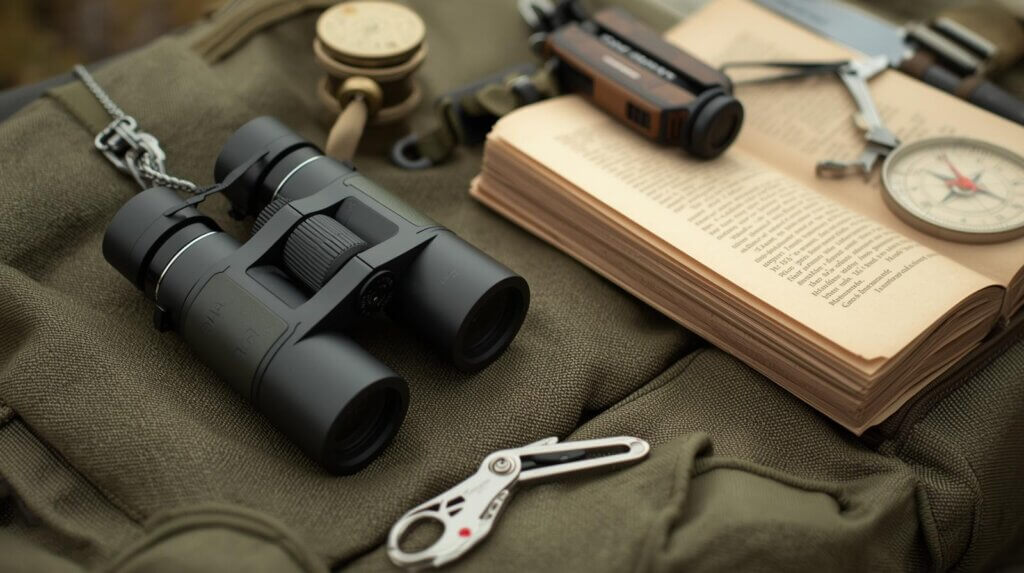
What People Get Wrong
Most people buy safari binoculars emotionally. They imagine one dramatic faraway scene and assume they need maximum zoom. That is the trap.
In real use, safari binoculars are not only for long-distance viewing. They are for quick recognition. Is that a rock or a sleeping animal? Is something moving in the shade? Which branch did the guide mean? What is happening near the waterline?
That is why comfort beats raw power.
A binocular you can raise quickly, focus easily, and hold steady will give you more good views than a powerful pair you fight with all day.
Compact Safari Binocular Buying Checklist
| Feature | What to Look For | Why It Matters |
|---|---|---|
| Magnification | 8x for most travelers | Steadier from vehicles |
| Lens size | 25mm minimum, 30–32mm better | Better brightness |
| Waterproofing | Yes | Dust, rain, humidity |
| Fogproofing | Yes if possible | Useful in changing climates |
| Weight | Under 16 oz for compact travel | Easier to carry daily |
| Focus wheel | Smooth and easy to reach | Wildlife moves quickly |
| Eye relief | Higher if you wear glasses | More comfortable viewing |
| Field of view | Wider is better | Easier animal spotting |
Common Mistakes to Avoid
Buying Too Much Magnification
A 12x compact binocular sounds exciting until you try to use it in a moving safari vehicle. The image shake can ruin the experience. Unless you have very steady hands or use support, avoid high magnification compact binoculars for safari.
Ignoring Eye Relief
If you wear glasses, check eye relief before buying. Some compact binoculars feel cramped for eyeglass users. You may have to press too close to the eyecups, which gets uncomfortable fast.
Choosing Tiny Binoculars Only Because They Look Cute
Ultra-small binoculars are easy to pack, but some are too dim and narrow for safari. A pocket pair is useful only if it still gives a clear, comfortable view.
Depending on a Phone Camera
Phone zoom is not a replacement for binoculars. It can record a scene, but it does not help your eyes experience the moment. Binoculars let you watch, scan, and understand what is happening in real time.
Packing Binoculars Away During the Drive
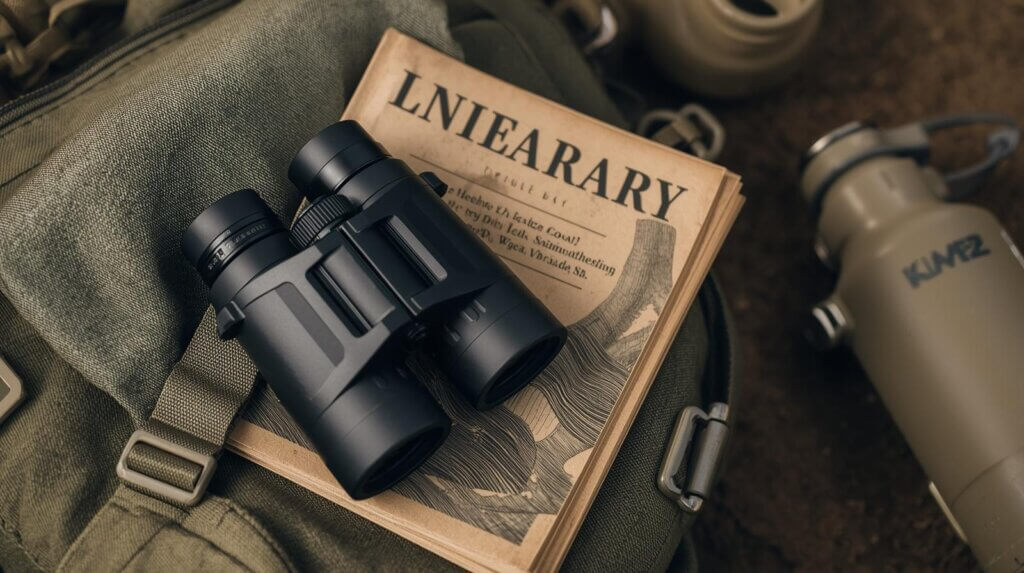
This is one of the easiest mistakes to make, and it happens more often than people think. Keep them accessible. Safari sightings do not wait while you unzip your backpack.
Are Compact Binoculars Enough for Safari?
Yes, compact binoculars are enough for safari if you choose wisely and understand the trade-off.
They are not perfect. A full-size 8×42 binocular will usually be brighter and more immersive. But full-size binoculars are heavier, bulkier, and less convenient for mixed travel.
For most travelers, the best safari binocular is the one they keep close all day. A compact binocular wins because it stays with you.
That said, if this is a once-in-a-lifetime safari and wildlife viewing is the main reason for your trip, consider moving up to 8×32. It still feels travel-friendly but gives you a more comfortable view.
Best Compact Binoculars for Safari: Final Verdict
The best compact binoculars for safari should be steady, quick, durable, and bright enough for real game drives. Do not chase extreme zoom. Do not buy the smallest pair just because it fits in a pocket. And do not assume your phone can replace proper optics.
For most safari travelers, an 8×25 waterproof compact binocular is the practical minimum. If you want a better viewing experience and can handle slightly more size, choose 8×30 or 8×32.
The Nikon Trailblazer ATB 8×25 is a strong choice for travelers who want one compact binocular for safari, sightseeing, hiking, and general outdoor trips. It is not the brightest option at dawn, but it gives a useful balance of size, field of view, durability, and value.
For more practical buying advice, explore our binocular tips blog or read our full guide on compact binoculars for travel before choosing your final pair.
FAQs About the Best Compact Binoculars for Safari
What magnification is best for compact safari binoculars?
For most travelers, 8x is the best magnification for compact safari binoculars. It gives enough reach for wildlife while keeping the image steadier in a moving vehicle. A 10x binocular can work in wide open areas, but it is harder to hold steady.
Are 8×25 binoculars good enough for safari?
Yes, 8×25 binoculars can be good enough for safari, especially for casual travelers who want a lightweight pair. However, they will not be as bright as 8×32 or 8×42 binoculars in low light. If early morning viewing is very important, 8×32 is a better choice.
Should I choose 8x or 10x binoculars for safari?
Choose 8x if you want a steadier image, wider view, and easier handling. Choose 10x only if you expect long-distance viewing in open landscapes and you have steady hands. For most safari travelers, 8x is the safer and more comfortable option.
Are compact binoculars better than full-size binoculars for safari travel?
Compact binoculars are better for portability and mixed travel. Full-size binoculars are better for brightness and serious wildlife viewing. If safari is only one part of your trip, compact binoculars make more sense. If safari is the main event, consider 8×32 or 8×42.
Do I need waterproof binoculars for safari?
Yes, waterproof binoculars are strongly recommended for safari. Even if it does not rain, you may deal with dust, humidity, sudden weather changes, and rough travel conditions. Waterproof and fogproof binoculars are simply more reliable outdoors.




