
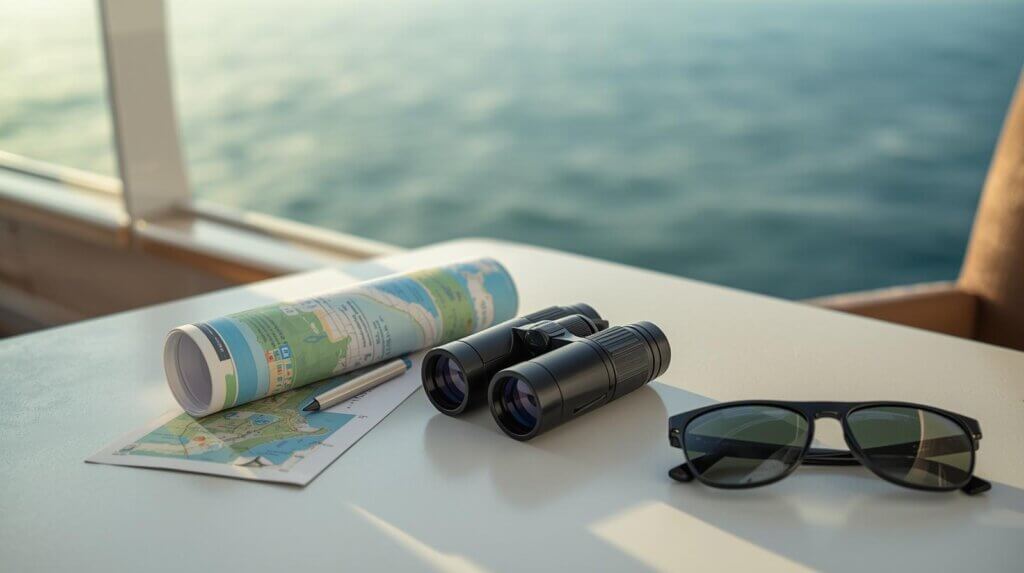
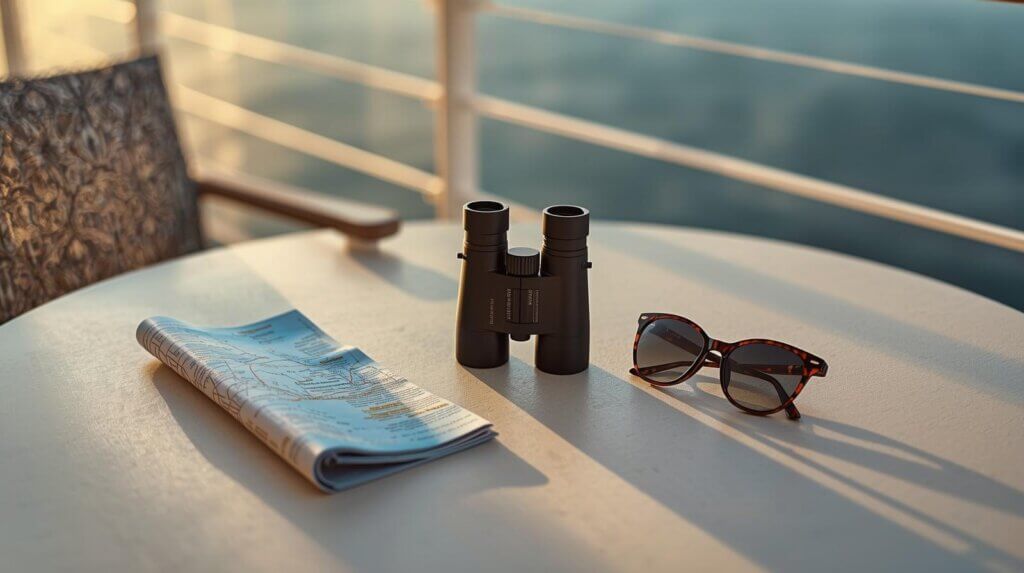
What Makes Compact Binoculars Good for Cruises?
Choosing the best compact binoculars for cruises is not the same as choosing binoculars for hiking, bird watching, or stadium seats. A cruise ship changes the rules. You are standing on a moving deck, looking across bright water, trying to spot coastlines, small islands, harbor details, passing ships, dolphins, whales, lighthouses, and tiny activity on shore. That sounds romantic until your “powerful” 12x binoculars turn every view into a shaky mess.
For most cruise travelers, the sweet spot is not the highest magnification. It is the binocular that stays steady, fits in a cabin bag, handles glare, and feels easy enough to grab when something interesting appears off the balcony.
That is why the best compact binoculars for cruises are usually 8x compact or mid-compact models with a wide field of view, decent waterproofing, comfortable eye relief, and enough brightness for daytime ocean viewing. You do not need giant marine binoculars unless you are doing serious navigation. You need something practical, packable, and enjoyable.
Why Cruise Binoculars Are Different From Regular Travel Binoculars
Cruise viewing has three problems most buyers underestimate: ship movement, ocean glare, and long-distance haze.
On land, you can plant your feet, brace your elbows, and focus on one object. At sea, even a large ship has subtle movement. Add wind, bright reflections, and your own hand shake, and high magnification becomes harder to enjoy.
That is why 8x often beats 10x for cruises. Yes, 10x brings things closer. But 8x usually gives you a steadier image, wider view, and faster target finding. When a lighthouse appears for 20 seconds between two headlands, you do not want to fight your binoculars.
For cruise vacations, I would rather have a bright, steady 8x binocular than a “powerful” compact pair that looks impressive on paper but feels annoying on deck.
Best Compact Binoculars for Cruises: Quick Spec Recommendation
Here is the simple version before we go deeper.
| Feature | Best Choice for Cruises | Why It Matters at Sea |
|---|---|---|
| Magnification | 8x | Steadier on a moving ship |
| Objective lens | 25mm to 32mm | Better brightness without too much bulk |
| Prism type | Roof prism | Compact and easy to pack |
| Waterproofing | Waterproof or water-resistant | Useful around spray, rain, and pool decks |
| Field of view | Wide | Helps track ships, coastlines, and wildlife |
| Eye relief | 14mm+ if possible | Better for glasses and sunglasses |
| Weight | Under 1 lb if possible | Easier to carry around the ship |
| Coating | Fully multi-coated | Helps with glare and contrast |
The best compact binoculars for cruises should feel like something you actually carry, not something that stays in the cabin because it is heavy.
The Best Overall Type: 8×25 or 8×32 Compact Binoculars
For most cruise passengers, an 8×25 or 8×32 binocular is the most useful choice.
An 8×25 is smaller, lighter, and easier to slip into a sling bag. It works well for daytime port views, ship spotting, balcony viewing, and casual wildlife watching.
An 8×32 is slightly bigger but more comfortable for longer viewing. It usually gives a brighter image and easier eye placement. If you are going to Alaska, Norway, Iceland, or anywhere scenic, I would lean toward 8×32. If you are doing a sunny Caribbean cruise and want something tiny, 8×25 makes more sense.
This is where buyer psychology tricks people. Many shoppers see “10x” or “12x” and assume more power means better value. On a cruise, that is not always true. More power also magnifies shake, shimmer, and small movements from the ship.
For relaxed vacation viewing, comfort beats bragging rights.
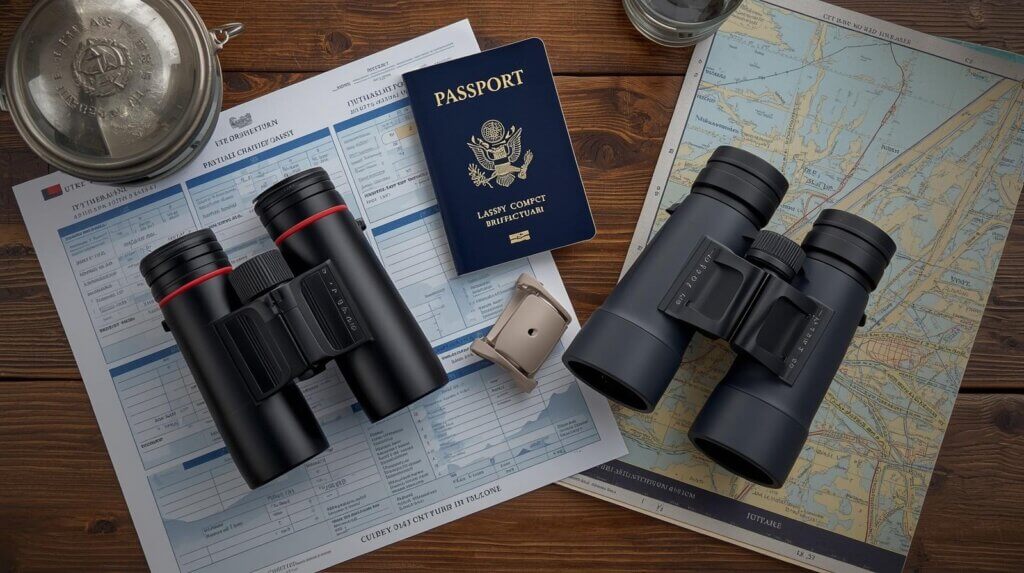
Recommended Product: Canon 8×20 IS Binoculars
If you want one interesting, cruise-friendly recommendation, the Canon 8×20 IS deserves attention because it solves the biggest cruise problem: shake.
Its image stabilization helps keep distant views steadier, which is a serious advantage on a moving ship. Canon lists the 8×20 IS as compact, 8x magnification, and about 420g without battery, with a 118mm x 142mm x 69mm body. It is not listed as water-resistant, so it should be protected from rain and salt spray.
That last point matters. Do not buy it thinking it is a rugged marine binocular. It is better for balcony viewing, scenic cruising, port approaches, and daytime sightseeing from protected areas. If you often stand in spray, rain, or rough weather, choose a waterproof 8×25 or 8×32 instead.
Why It Makes Sense for Cruises
The Canon 8×20 IS is not the cheapest compact binocular. It is also not the toughest. But image stabilization can feel almost magical when you are trying to study a distant shoreline, ship name, lighthouse, or glacier face from a deck.
For cruise users with shaky hands, older travelers, or anyone who gets frustrated by unstable views, this can be a smarter buy than a standard 10x compact binocular.
Pros
- Image stabilization helps on moving ships
- Compact enough for cruise cabins and day bags
- 8x magnification is practical for sea viewing
- Good for scenic cruising and port approaches
- Useful for travelers who struggle with hand shake
Cons
- Not waterproof
- Needs battery power for stabilization
- More expensive than basic compact binoculars
- 20mm objective lens is best for daytime use
- Not ideal for heavy rain, salt spray, or rough deck conditions
8x vs 10x Binoculars for Cruises
This is the most common buying mistake.
A 10x compact binocular sounds better because it brings distant objects closer. But on a cruise ship, 10x can feel twitchy. It narrows your field of view and makes it harder to quickly locate moving targets.
An 8x binocular gives you a wider, calmer view. You can scan the coastline without feeling like you are looking through a straw. You can follow another ship across the horizon. You can spot buildings, cliffs, harbor markers, and scenic details without constant refocusing.
Here is my honest take:
| Cruise Situation | Better Choice | Reason |
|---|---|---|
| General cruise travel | 8×25 or 8×32 | Steady and easy |
| Balcony viewing | 8x compact | Quick and relaxed |
| Alaska glacier cruise | 8×32 | Brighter and more comfortable |
| Whale watching from deck | 8×32 | Wider view helps tracking |
| Distant ships | 10×25 or 10×32 | More reach, but shakier |
| Older users or shaky hands | 8x image-stabilized | Much easier viewing |
For most travelers searching for the best compact binoculars for cruises, 8x is the safer bet.
Waterproofing Matters More Than You Think
You are not taking binoculars into the ocean, but cruises are wet environments. Salt air, mist, sudden rain, pool decks, wet railings, and shore excursions can all expose your gear to moisture.
A waterproof compact binocular gives peace of mind. Look for terms like waterproof, fogproof, nitrogen-purged, and O-ring sealed. These features help protect the inside of the binocular from moisture and internal fogging.
That said, do not overthink it. You do not need military-grade optics for a casual cruise. But you should avoid ultra-cheap toy-like binoculars with no sealing if you want them to last beyond one trip.
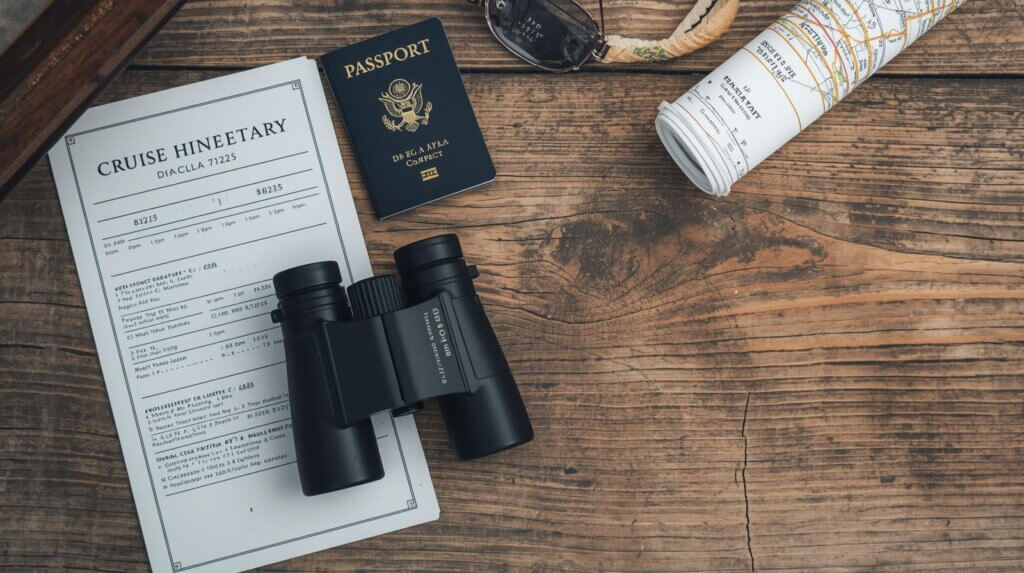
Real Cruise Use Cases: What You Will Actually Look At
The best compact binoculars for cruises should match real vacation moments, not imaginary product specs.
Port Arrival
This is one of the best times to use binoculars. As the ship approaches port, you can see tugboats, harbor buildings, bridges, old forts, waterfront hotels, and dock activity before everyone else notices.
Compact binoculars make this moment better because they are easy to keep near the balcony door.
Scenic Sailing
Think Alaska, Norwegian fjords, Greek islands, the Mediterranean coast, or the Panama Canal. Binoculars help you catch details that phone cameras miss: cliffside homes, waterfalls, distant villages, buoys, lighthouses, and mountain ridgelines.
For this, an 8×32 is excellent because it feels more comfortable during longer viewing sessions.
Wildlife Watching
Cruises can offer chances to see whales, dolphins, seabirds, seals, or distant marine activity. You still should not expect miracles. Compact binoculars will not turn a tiny splash two miles away into a documentary scene.
But they help you confirm what you are seeing and enjoy the moment without needing a giant optical setup.
Shore Excursions
A good compact pair can also work during city walks, sightseeing buses, castle visits, coastal viewpoints, and nature stops. This is where your cruise binoculars overlap with other travel use cases.
For more city-focused viewing, read our supporting article on best compact binoculars for sightseeing. If your cruise includes wildlife-heavy stops, you may also find our article on best compact binoculars for safari useful because it explains long-distance wildlife viewing in rougher outdoor conditions.
What About Marine Binoculars?
Traditional marine binoculars are usually 7×50. They are bright, stable, and excellent for navigation. Some even include a compass. But they are large and heavy.
For a cruise passenger, 7×50 marine binoculars are often overkill. They are great if you own a boat. They are less great if you are flying with one suitcase and just want something for the balcony.
The best compact binoculars for cruises are not always “marine binoculars.” They are travel binoculars that handle cruise conditions well.
That distinction matters.
A 7×50 marine binocular might give a beautiful view, but if you leave it in the cabin because it is bulky, it fails the real test. A smaller 8×25 that stays in your day bag will get used more often.
Compact Binoculars for Alaska Cruises
Alaska cruises deserve special attention. If you are cruising Glacier Bay, the Inside Passage, Juneau, Skagway, or Ketchikan, bring better binoculars than you would for a basic beach cruise.
You will likely look at glaciers, mountain slopes, forest edges, waterfalls, eagles, boats, and possible whales. In that environment, 8×32 is my preferred size. It gives a better balance of brightness, stability, and comfort.
A tiny 8×21 can work, but it may feel limited in cloudy conditions. Alaska light can shift quickly. One minute the scene is bright and open. Ten minutes later, you are looking into mist, cloud, and gray water.
For Alaska, avoid going too cheap. You paid serious money for the cruise, so weak binoculars can feel like false economy.
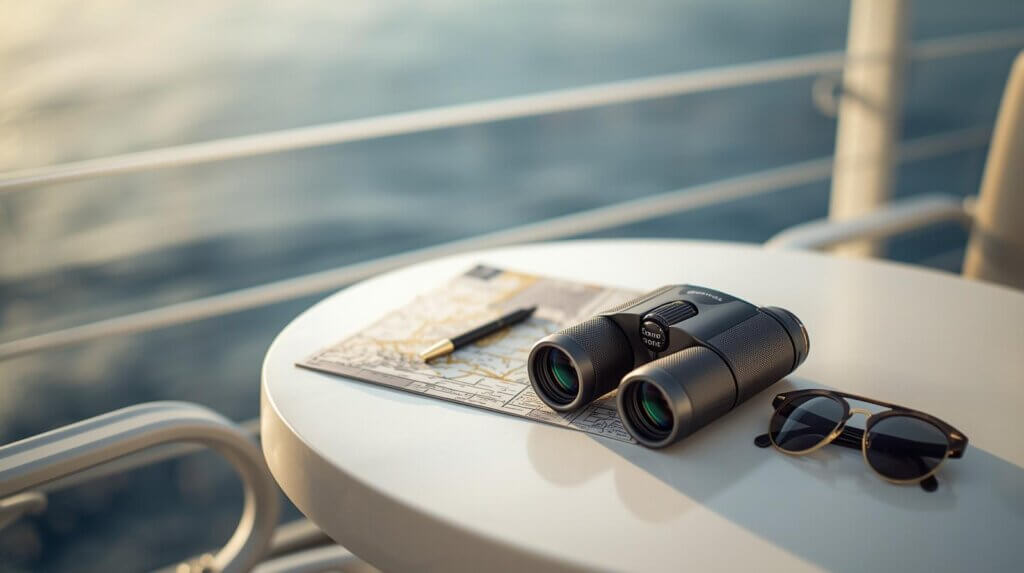
Compact Binoculars for Caribbean Cruises
For Caribbean cruises, you can prioritize portability. Most viewing happens in bright daylight, so a smaller 8×25 compact binocular works well.
You will use it for island approaches, cruise ports, coastline views, sailboats, beaches from a distance, and maybe balcony sightseeing. Waterproofing still helps because salt air and sudden tropical rain are common.
In the Caribbean, glare can be brutal. Fully multi-coated lenses are worth it. Cheap binoculars often look washed out over bright water. Better coatings improve contrast, which makes the view feel cleaner and less tiring.
Compact Binoculars for Mediterranean Cruises
Mediterranean cruises are full of architectural and coastline details. You might be looking at old towns, cliffs, harbors, ruins, churches, forts, and hillside villages.
Here, a wide field of view matters. You are not only trying to zoom in. You are trying to enjoy scenes with depth and context.
An 8×25 or 8×30 compact binocular is a strong choice. If your trip includes lots of shore excursions, choose something lightweight enough to carry all day.
For a broader buying overview, read our full guide on best compact binoculars for travel. It covers travel sizes, magnification choices, and packing-friendly features in more detail.
Features Worth Paying For
Not every feature matters. Some are marketing fluff. These are the ones I would actually pay for.
Wide Field of View
A wide field of view makes binoculars easier to use from a moving ship. You can find objects faster and enjoy more of the scene.
Good Eye Relief
If you wear glasses or sunglasses, eye relief matters. Short eye relief can make the image feel cramped. Look for around 14mm or more when possible.
Comfortable Focus Wheel
On a cruise, you may shift between near and far objects quickly. A smooth focus wheel makes a difference.
Waterproof or Water-Resistant Build
This is not just for rain. It protects against the general abuse of travel: damp bags, humid cabins, wet decks, and accidental splashes.
Low Weight
A heavy binocular feels fine for five minutes. Then it becomes cabin decoration. Compact binoculars win because they are always nearby.
Features You Can Ignore
Some features sound impressive but are not necessary for most cruise passengers.
You probably do not need a built-in compass unless you are doing marine navigation. You do not need extreme 12x or 16x magnification unless you are prepared for shake. You do not need night vision for normal cruise sightseeing. And you do not need the cheapest “30×60” pocket binoculars sold with exaggerated claims. Those are usually disappointing.
A reliable 8x compact binocular from a known optics brand will beat fake high-power specs almost every time.
Common Mistakes When Buying Cruise Binoculars
Buying Too Much Magnification
This is the big one. High magnification looks good in product titles, but it often performs poorly from a ship.
Choosing the Cheapest Pair
Cheap binoculars can be worse than no binoculars because they create eye strain and frustration. If the image is dim, narrow, or blurry, you will stop using them.
Ignoring Size
Large binoculars may offer better brightness, but they are harder to pack and carry. For cruises, convenience matters.
Forgetting About Glare
Ocean viewing is bright. Lens coatings matter. If you choose poor optics, the image may look flat and washed out.
Not Testing Before the Trip
Do not open your binoculars for the first time on the ship. Try them at home. Adjust the eyecups. Set the diopter. Learn how the focus wheel feels. This takes five minutes and saves frustration later.
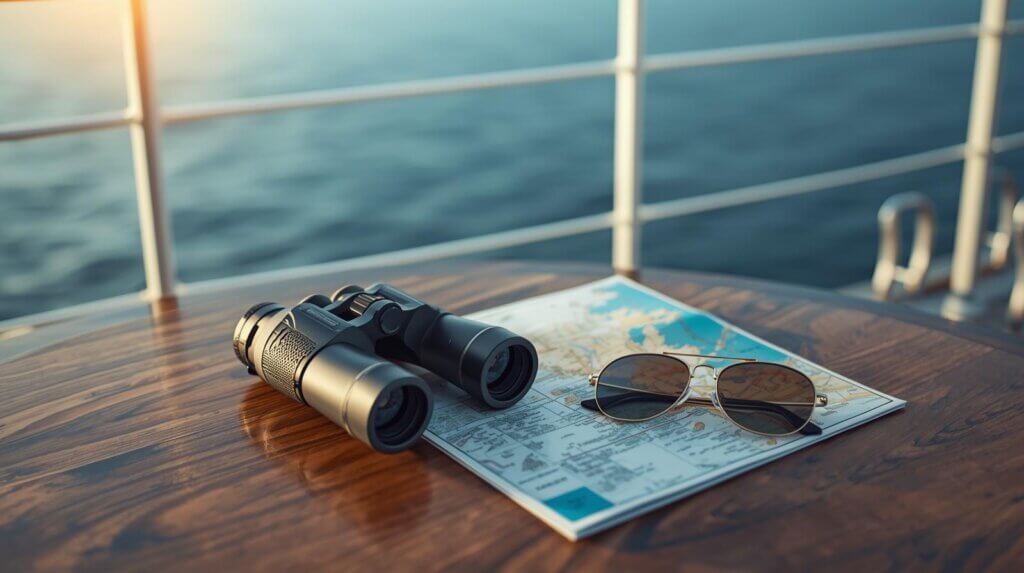
Buyer Tips Before You Pack
Pick binoculars you can use with one hand for quick balcony moments. Add a microfiber cloth because sea air leaves residue on lenses. Use a padded case, but avoid burying it deep in your luggage. If your binoculars need batteries, pack extras.
Also, do not stare toward the sun or bright reflections for long periods. Ocean glare can be harsh. Use common sense and take breaks if your eyes feel tired.
One underrated tip: keep binoculars near the balcony door during scenic sailing days. The best views often happen quickly. If your binoculars are inside a drawer, you will miss them.
For more practical travel viewing advice, explore our binocular tips blog or read the full guide on best compact binoculars for travel before choosing your final pair.
Final Verdict: What Are the Best Compact Binoculars for Cruises?
The best compact binoculars for cruises are usually 8×25 or 8×32 models with good coatings, comfortable handling, and some level of weather protection. If you want the steadiest possible view and usually watch from protected areas, an image-stabilized model like the Canon 8×20 IS is a clever choice. If you expect rain, spray, or rugged use, choose a waterproof 8×25 or 8×32 instead.
Do not chase huge magnification. A cruise is not a tripod-stable viewing platform. You need steady, simple, bright, packable binoculars that make the trip more enjoyable.
My honest rule: buy the binoculars you will actually carry. The best optics in the world are useless if they stay in your cabin.
FAQs About the Best Compact Binoculars for Cruises
What magnification is best for cruise binoculars?
For most travelers, 8x is the best magnification for cruise binoculars. It gives enough reach for coastlines, ships, lighthouses, and scenic views while staying steadier on a moving cruise ship.
Are 10x binoculars good for cruises?
10x binoculars can work, especially for distant ships or shoreline details, but they are harder to hold steady at sea. If you have shaky hands or want relaxed viewing, 8x is usually better.
Should cruise binoculars be waterproof?
Yes, waterproofing is strongly recommended. Cruise binoculars may face salt air, rain, humidity, pool decks, and sea spray. Waterproof or water-resistant binoculars are safer for travel.
Are compact binoculars powerful enough for Alaska cruises?
Yes, but choose carefully. For Alaska cruises, 8×32 compact binoculars are better than tiny 8×21 models because they usually offer a brighter and more comfortable view in cloudy or misty conditions.
Are image-stabilized binoculars worth it for cruises?
Image-stabilized binoculars can be excellent for cruises because they reduce shake from your hands and ship movement. However, many compact stabilized models are not fully waterproof, so they need more careful handling.
Can I use bird watching binoculars on a cruise?
Yes. Many bird watching binoculars work very well on cruises, especially 8×32 models. They usually offer good brightness, wide views, and comfortable handling.
What size binoculars are easiest to pack for a cruise?
8×25 binoculars are among the easiest to pack. They are small enough for a day bag but still useful for ocean views, port arrivals, and sightseeing.
Do I need marine binoculars for a cruise?
Most cruise passengers do not need full-size marine binoculars. They are useful for boaters and navigation, but they are often too bulky for casual cruise travel. Compact travel binoculars are usually more practical.




