
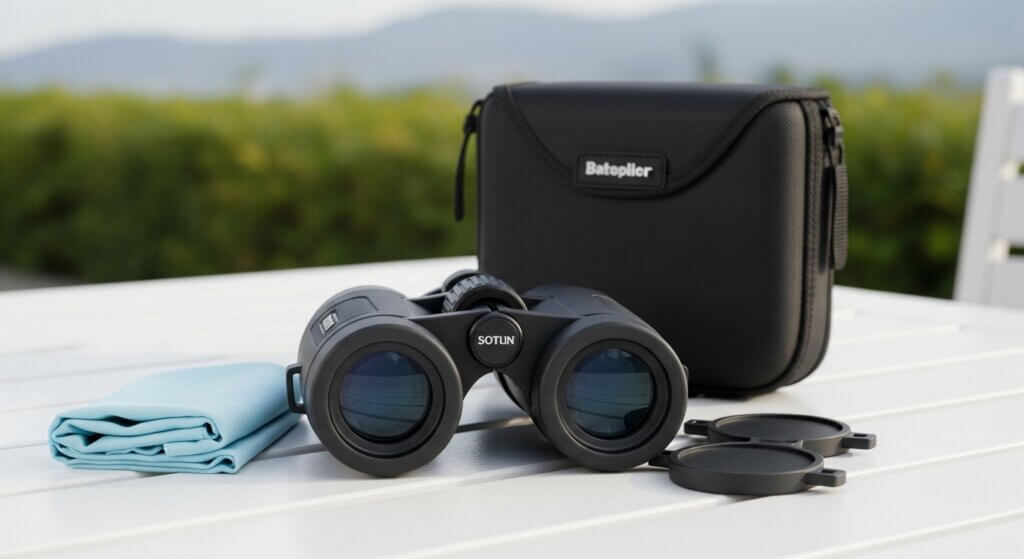
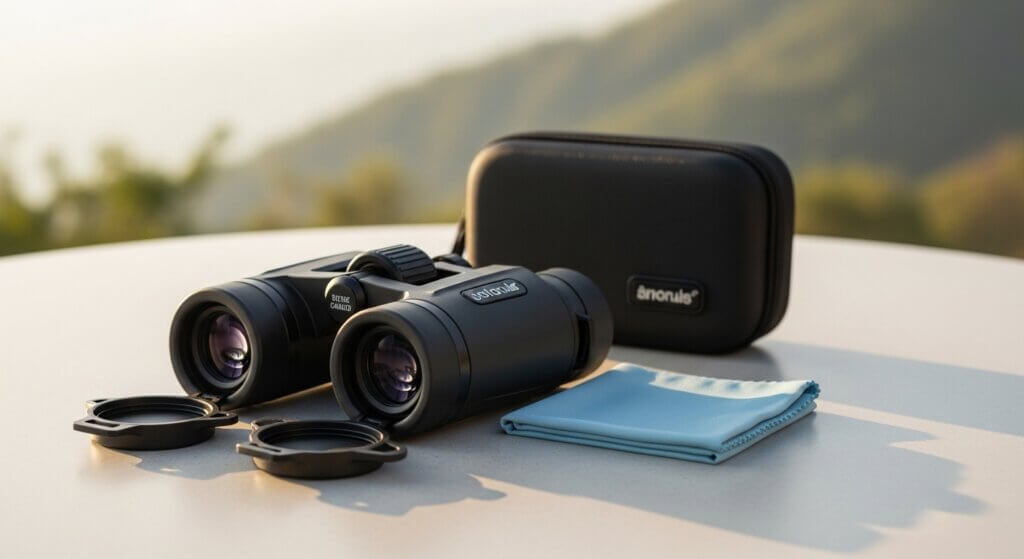
Finding the best budget friendly binoculars is not about buying the cheapest pair on the shelf. That’s where many buyers waste money. Cheap binoculars can look tempting online, especially when the listing screams “HD vision,” “military power,” or “night vision.” Then they arrive, and the view looks dim, shaky, narrow, or strangely colored.
A good budget pair should feel useful the moment you lift it to your eyes. You should be able to spot birds in the backyard, follow players from stadium seats, scan a mountain ridge, watch boats from a pier, or enjoy travel views without fighting the focus wheel every ten seconds.
The sweet spot for most people is simple: clear glass, comfortable handling, sensible magnification, and weather-ready construction. You don’t need luxury binoculars to enjoy a sharp, satisfying view. You just need to avoid the traps that make low-cost binoculars frustrating.
What Makes the Best Budget Friendly Binoculars Worth Buying?
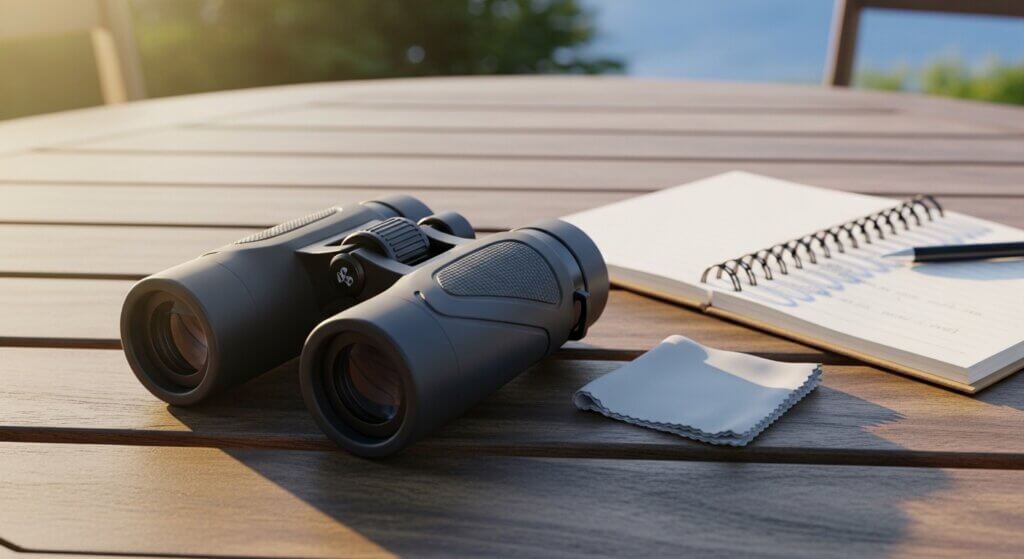
The best budget friendly binoculars should give you practical performance without making you pay for features you’ll never use. In real use, that means they should be easy to hold steady, bright enough for normal daylight, and comfortable for more than a quick glance.
Most beginners obsess over magnification first. That is the wrong place to start.
A 12x or 20x binocular may sound powerful, but higher magnification often makes the image shakier, darker, and harder to control without a tripod. For everyday use, 8x or 10x is usually smarter. You see enough detail, but the view stays steady.
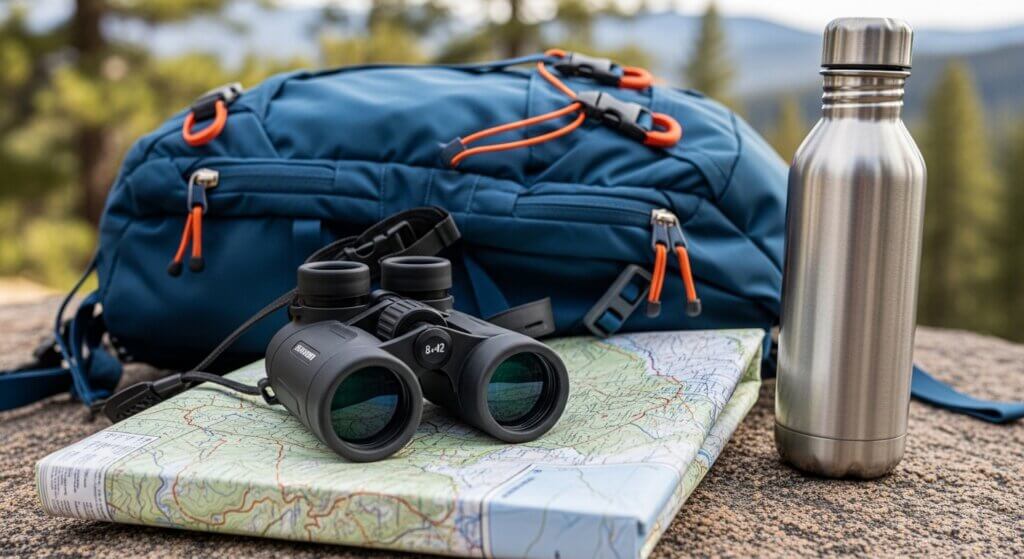
For most buyers, an 8×42 binocular is the safest choice. It gives you a bright image, wide field of view, and easier handling. A 10×42 can work better if you want extra reach for open fields, coastline viewing, or distant wildlife. But for mixed use, 8×42 wins more often than people expect.
Quick Comparison: Budget Binocular Specs That Matter
| Feature | Best Budget Choice | Why It Matters |
|---|---|---|
| Magnification | 8x or 10x | Strong enough for detail, still easy to hold |
| Objective Lens | 32mm to 42mm | Bigger lenses help brightness but add weight |
| Prism Type | BaK-4 roof or Porro | Better clarity than very cheap BK7 options |
| Coating | Fully multi-coated if possible | Helps brightness and contrast |
| Waterproofing | Strongly preferred | Protects against rain, fog, and travel abuse |
| Eye Relief | 15mm+ for glasses users | More comfortable viewing |
| Weight | Under 25 oz for 8×42 | Easier for hiking and long use |
Best Overall Budget-Friendly Pick: Celestron Nature DX 8×42
If I had to recommend one pair of best budget friendly binoculars for most casual users, beginners, backyard bird watchers, and weekend travelers, I’d point first to the Celestron Nature DX 8×42.
It sits in that useful zone where the binocular is affordable but not toy-like. The 8×42 format is forgiving, bright, and easy to use. That matters more than flashy numbers. It gives beginners a wide enough view to actually find what they’re looking for, instead of waving the binoculars around and losing the subject.
This is the kind of binocular that makes sense for someone who wants one reliable pair for:
- Backyard bird watching
- Hiking
- Camping
- Scenic travel
- Sports events
- General outdoor use
- Family trips
- Nature walks
Why It Makes Sense
The biggest reason this pair works is balance. It doesn’t try to be extreme. It is not ultra-compact, not super high-powered, and not pretending to compete with $1,000 optics. Instead, it focuses on the basics: comfortable magnification, decent brightness, close focus, and weather protection.
That is exactly what budget buyers need.
Pros
- Easy 8x magnification for steady handheld viewing
- 42mm lenses help with brightness
- Good choice for beginners and casual birding
- Comfortable size for general outdoor use
- More serious than ultra-cheap compact binoculars
- Good all-around value for the price range
Cons
- Not as sharp at the edges as premium binoculars
- Low-light performance is decent, not exceptional
- Slightly bulkier than pocket binoculars
- Not the best choice if you need serious astronomy power
If your main goal is value, you can also compare this with our deeper breakdown of the best binoculars for the money, where price-to-performance matters more than brand hype.
8×42 vs 10×42: Which Budget Binocular Should You Buy?
This is the decision that confuses most first-time buyers.
An 8×42 binocular gives you a wider, steadier view. It is better for forests, backyards, parks, hiking trails, and fast-moving subjects. If you’re watching birds around trees or trying to follow movement, 8x usually feels calmer.
A 10×42 binocular brings things closer. It works better for open fields, beaches, mountains, stadiums, and distant landmarks. The trade-off is more hand shake and slightly narrower viewing.
Here’s the honest answer: if you don’t know which one to buy, get 8×42.
That may sound boring, but boring often wins. The low-cost binoculars are not the ones with the biggest numbers. They are the ones you actually enjoy using.
8×42 Is Better For
- Beginners
- Bird watching
- Hiking
- Wooded areas
- Family use
- Longer viewing sessions
- People with shaky hands
10×42 Is Better For
- Open landscapes
- Wildlife at distance
- Coastal viewing
- Stadium seating
- Mountains
- More experienced users
If you want one pair that can handle almost everything, read our best all-purpose binoculars article after this. It fits buyers who want fewer compromises and more versatility.
Best Budget Friendly Binoculars by Use Case
For Backyard Bird Watching
Backyard birding is where budget binoculars either shine or expose their weaknesses. You don’t need huge magnification. You need quick focus, a wide view, and natural color.
An 8×42 pair works beautifully here. It lets you pick up movement quickly, follow birds between branches, and see feather detail without feeling like you’re looking through a tunnel.
Avoid tiny 10×25 models if bird watching is your main use. They are portable, yes, but the image can feel dim and narrow. That gets annoying fast.
For Hiking and Camping
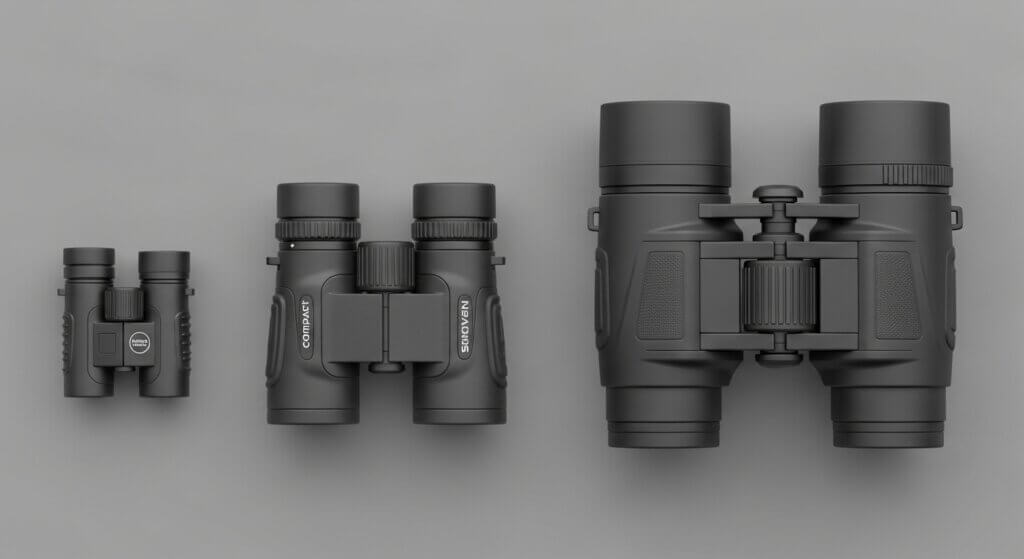
For hiking, weight matters. But don’t go too small just to save a few ounces. A compact 8×25 binocular is easy to carry, but it often struggles in shade, cloudy weather, and late afternoon light.
A good compromise is 8×32 or 8×42. Choose 8×32 if you want lighter gear. Choose 8×42 if you care more about image comfort.
The affordable binoculars for hiking should also have rubber armor and some level of waterproofing. Trails are not clean places. Dust, sweat, sudden rain, and backpack bumps are normal.
For Sports and Concerts
For stadium seats, 8x or 10x works well. I would avoid oversized 12×50 binoculars unless you’re very far away and don’t mind the extra bulk.
At concerts, smaller binoculars may be more convenient. But for daytime sports, 8×42 or 10×42 gives a better view. Just make sure the binoculars are not too heavy. You’ll be lifting them repeatedly, not using them once.
For Travel
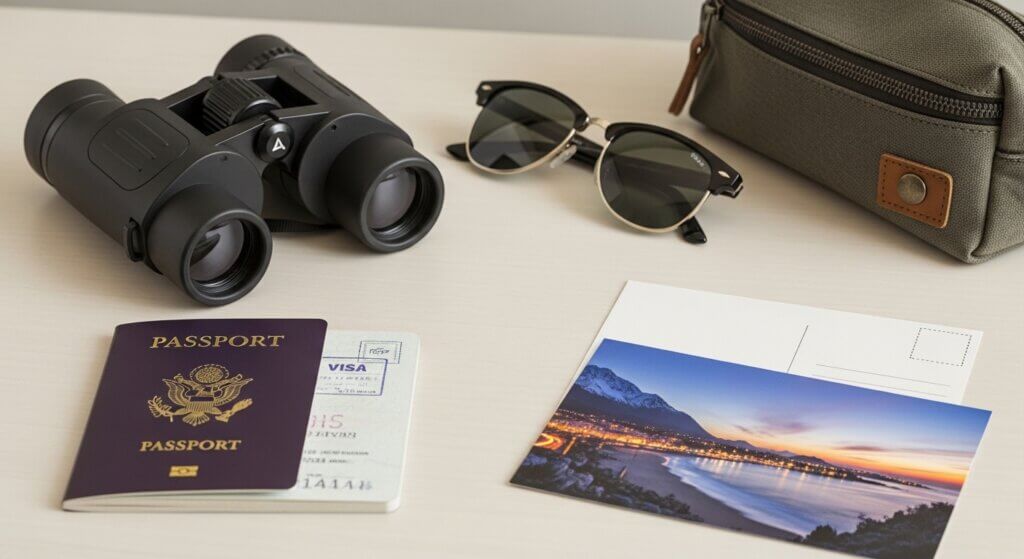
Travel binoculars should be light, durable, and easy to pack. A compact 8×25 pair is fine for city views, cruises, museums, and casual sightseeing. But for national parks, scenic overlooks, or wildlife trips, 8×32 or 8×42 is much better.
If you only travel occasionally, don’t overspend. The best budget friendly binoculars for travel are usually simple, weather-resistant, and comfortable enough to use without instruction.
What Cheap Binocular Listings Don’t Tell You
Many low-cost binoculars look impressive because sellers know which words attract buyers. “HD,” “powerful,” “military grade,” and “night vision” are everywhere. Most of the time, those phrases don’t mean much.
True optical quality comes from glass, prism design, coatings, alignment, and build quality. A random no-name 20×50 binocular with weak coatings will not beat a sensible 8×42 from a reputable optics brand.
Here are the red flags I would avoid:
1. Unrealistic Magnification Claims
Be careful with listings that claim 30x, 60x, or 100x handheld viewing. Real handheld binoculars at those powers are usually unusable without serious stabilization.
2. Fake “Night Vision” Claims
Normal binoculars don’t give true night vision. They can help in low light if they have larger lenses and good coatings, but they won’t let you see in darkness like electronic night vision gear.
3. Tiny Lenses With Huge Power
A 12×25 binocular may sound compact and strong, but the image often feels shaky and dim. That is not a good deal. It is a frustration machine.
4. No Waterproofing
If binoculars are only used indoors, fine. But for outdoor use, waterproofing matters. Even light moisture can fog cheap binoculars internally.
5. No Clear Return Policy
Budget buyers should be even more careful about returns. Low-cost optics can vary in quality. If the two barrels are misaligned, your eyes will feel tired quickly.
Why People Buy the Wrong Budget Binoculars
Most buyers don’t buy bad binoculars because they’re careless. They buy them because the marketing pushes the wrong emotions.
You want power. Sellers show giant magnification numbers.
You want a bargain. Sellers show fake discounts.
You want sharp views. Sellers write “HD” in the title.
You want durability. Sellers write “military” even when the body feels like hollow plastic.
The better mindset is simple: buy for the situation, not the fantasy. If you’re watching birds from a porch, you don’t need telescope power. If you’re hiking, you don’t need a massive 50mm pair. If you’re going to a football game, you need comfort and quick focus more than extreme zoom.
That is why the affordable binoculars usually look less dramatic on paper but feel better in your hands.
Budget Binocular Comparison by Buyer Type
| Buyer Type | Best Format | Best Reason |
|---|---|---|
| First-time user | 8×42 | Easy, bright, steady, forgiving |
| Backyard bird watcher | 8×42 | Wide view and close focus help |
| Hiker | 8×32 or 8×42 | Balance of weight and brightness |
| Traveler | 8×25 or 8×32 | Easier to pack |
| Sports fan | 8×42 or 10×42 | Good reach without too much shake |
| Open-field wildlife viewer | 10×42 | More distance detail |
| Casual family use | 8×42 | Works for most people |
Are Budget Binoculars Good Enough?
Yes, but only if your expectations are realistic.
Budget binoculars can be excellent for casual use, beginners, and outdoor hobbies. They can show crisp detail, improve your travel experience, and make bird watching much more enjoyable. What they won’t do is match premium binoculars in edge sharpness, low-light brightness, color correction, or long-term build refinement.
That’s fine.
Most people don’t need premium optics. They need binoculars that make the view enjoyable without making the purchase painful. A good budget pair can do that.
For a broader comparison across every price range, see our Best Binoculars Overall Guide. It helps you understand where budget models fit against mid-range and premium options.
Common Mistakes to Avoid
Buying Too Much Magnification
This is the biggest one. More power is not always better. In handheld binoculars, too much magnification makes the image harder to control.
Ignoring Eye Relief
If you wear glasses, look for longer eye relief. Otherwise, you may not see the full image circle clearly.
Choosing Pocket Size for Every Use
Compact binoculars are convenient, but they are not always comfortable. If you’ll use binoculars often, a mid-size or full-size pair may feel better.
Forgetting About Field of View
A wider field of view helps you find and follow subjects faster. This matters a lot for birds, sports, and moving targets.
Buying Based on Brand Alone
Brand matters, but model matters more. Even good brands make entry-level products with trade-offs.
Final Verdict: What Should Most People Buy?
For most readers, the best budget friendly binoculars are 8×42 roof prism binoculars from a trusted optics brand. That format gives you the best mix of brightness, stability, comfort, and versatility.
If you want one safe product recommendation, choose the Celestron Nature DX 8×42. It is not perfect, but it hits the right budget sweet spot for beginners and casual outdoor users. It feels like a real binocular, not a toy.
- Choose 8×42 if you want one pair for everything.
- Choose 10×42 if you care more about distance.
- Choose 8×32 if you want lighter hiking binoculars.
- Choose 8×25 only if portability matters more than image comfort.
That’s the cleanest way to avoid wasting money.
FAQs About the Best Budget Friendly Binoculars
What are the best budget friendly binoculars for beginners?
The best budget friendly binoculars for beginners are usually 8×42 models. They are steady, bright, and easier to use than high-powered binoculars. Beginners should avoid extreme magnification because it can make the image shaky and narrow.
Are 10×42 binoculars better than 8×42 binoculars?
Not always. 10×42 binoculars show slightly more distant detail, but 8×42 binoculars are steadier and usually easier for beginners. If you want one pair for general use, 8×42 is often the better choice.
How much should I spend on budget binoculars?
For reliable budget binoculars, expect to spend enough to get decent coatings, comfortable focus, and weather protection. Ultra-cheap binoculars often disappoint because they cut corners on glass quality and alignment.
Are compact binoculars good for outdoor use?
Compact binoculars are good for travel, concerts, and casual daytime viewing. However, they are not always the best choice for bird watching, hiking in shade, or low-light use because their smaller lenses gather less light.
What is the biggest mistake when buying cheap binoculars?
The biggest mistake is buying based on magnification alone. A clear, steady 8×42 binocular is usually more useful than a shaky high-power model with poor brightness.
Can budget binoculars be used for bird watching?
Yes, budget binoculars can work very well for bird watching if you choose the right type. Look for 8×42 binoculars with a wide field of view, smooth focus, and decent close focus.
Are waterproof binoculars worth it on a budget?
Yes. Waterproofing is worth it because binoculars are often used outdoors. Rain, humidity, fog, and accidental splashes can damage cheap non-sealed models over time.
Where can I learn more before buying?
Before you buy, it’s worth comparing a few different options so you don’t end up paying for features you won’t use. For a complete breakdown of sizes, features, and top picks, read our Best Binoculars Overall Guide. You can also explore more helpful buying tips on the BestBinocular.net home page and browse our blog tips page for practical advice on choosing binoculars for travel, bird watching, hiking, and everyday outdoor use.




