
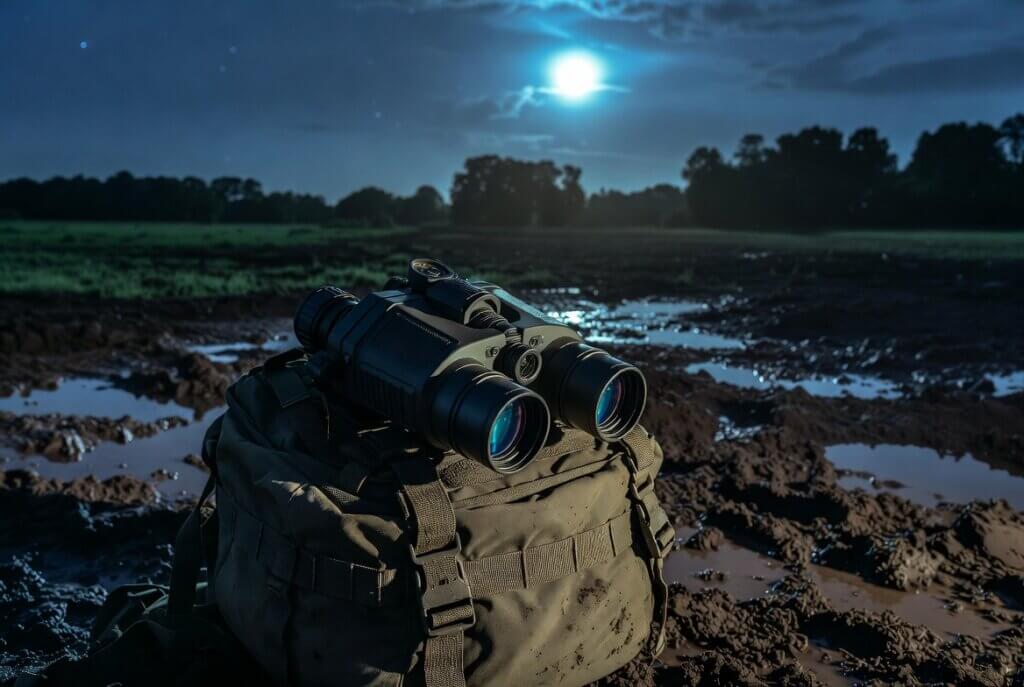
Why Night Vision Binoculars Matter for Hog Hunting After Dark
Hog hunting after sunset is a completely different game. During the day, you can glass open fields, check tracks, and watch movement around creek beds or feeders. At night, everything becomes slower, quieter, and more uncertain. That is exactly where night vision binoculars for hog hunting make a real difference.
You are not just buying “something that sees in the dark.” You need an optic that helps you scan wide areas, identify movement, judge distance, and avoid mistaking shadows, brush, or livestock equipment for hog activity. Good night vision binoculars can save time. Bad ones can make you second-guess everything.
If you are building your full hunting optics setup, start with our main guide on digital night vision binoculars for hunting because it explains the bigger picture before you narrow down to hog-specific use.
Why Hog Hunting Needs Different Night Vision Than General Hunting
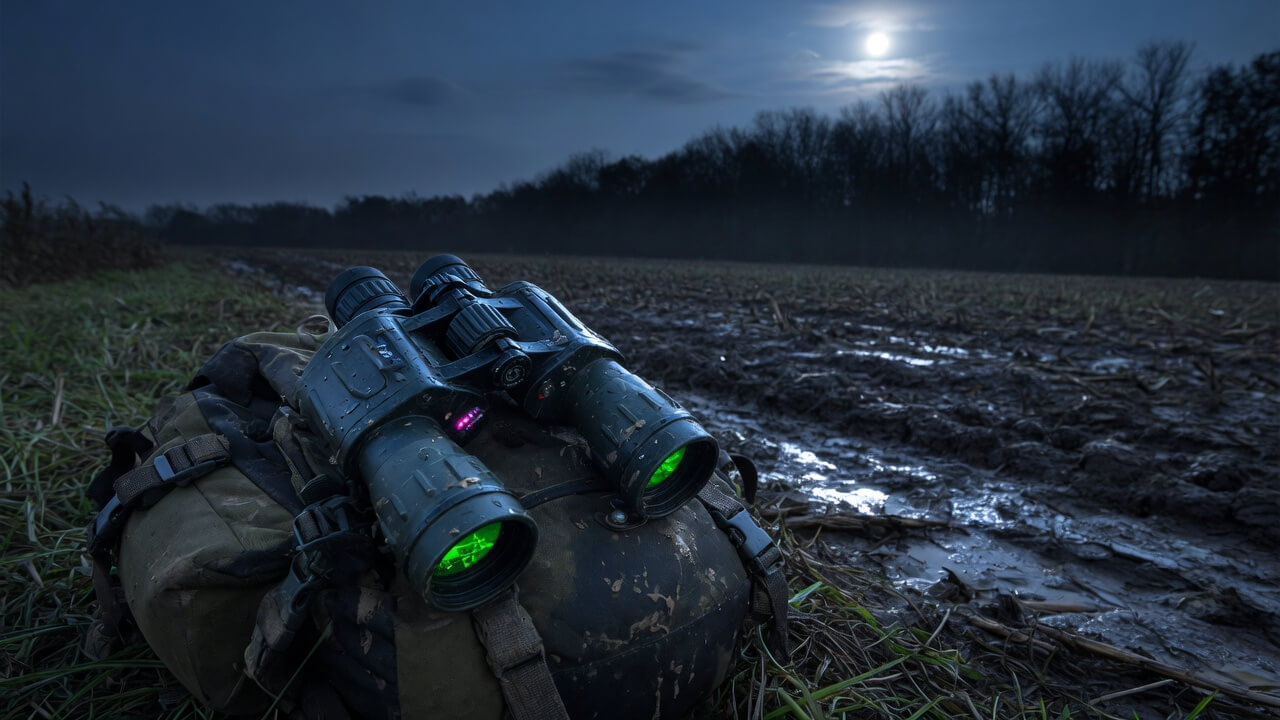
Hogs rarely behave like deer. They move in groups, feed aggressively, and often appear in rough areas where grass, brush, dirt mounds, and shadows all blend together. That means night vision binoculars for hog hunting must do more than show a bright image.
You need fast scanning. You need enough field of view to watch a feeder, a trail entrance, or the edge of a crop field. You also need clean contrast because hogs can look like dark blobs when they are partially hidden by grass.
One of the biggest mistakes beginners make is chasing extreme magnification. High zoom sounds exciting, but at night it often creates a narrow, shaky view. For hogs, a wider and steadier image is usually more useful than a zoomed-in view that feels like looking through a tunnel.
What Makes Night Vision Binoculars Good for Hog Hunting?
1. Strong Infrared Performance
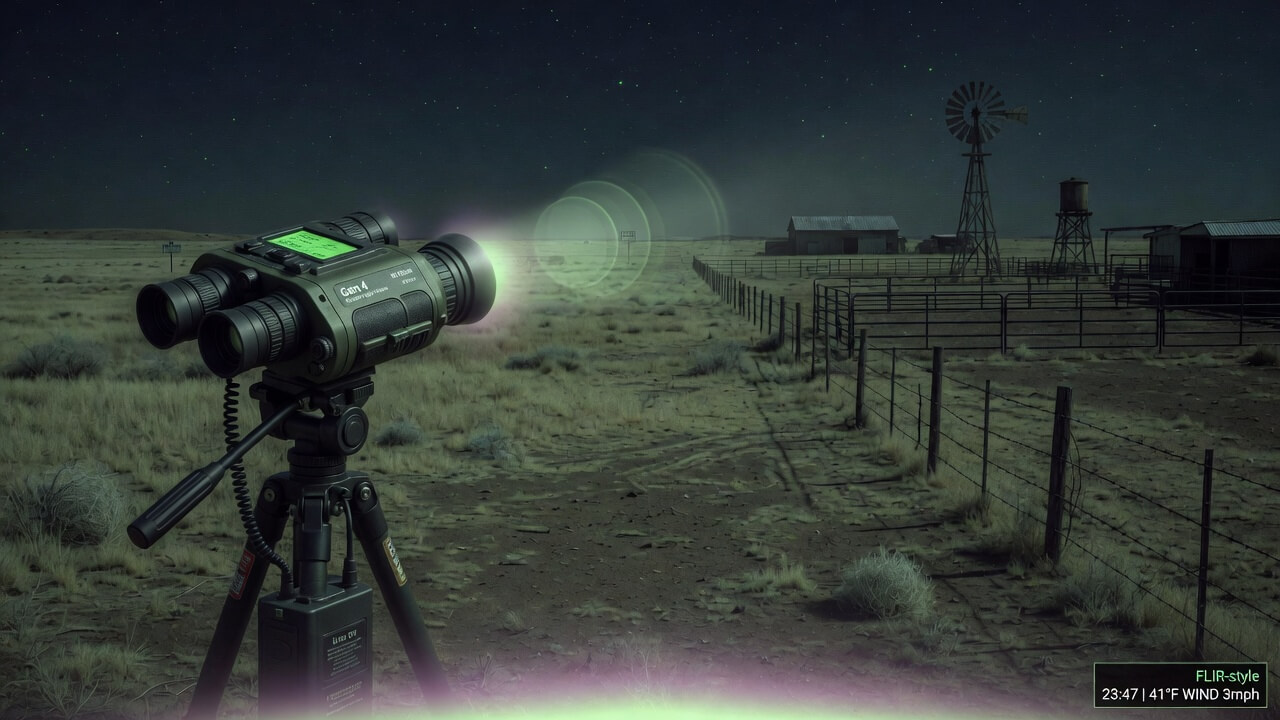
Most digital night vision optics rely on infrared illumination. This is important because open fields and wooded lanes do not always have enough moonlight. A built-in IR illuminator helps the sensor create a visible image in darkness.
For hog hunting, adjustable IR brightness is very useful. In open areas, you may need more IR power. In tighter brush, too much IR can wash out nearby grass and branches. If you want to understand this better, read our supporting guide on infrared night vision binoculars for hunting before buying.
2. Practical Detection Range
Many buyers focus only on maximum range claims. Real-world hog hunting is different. Seeing “something” at long range is not the same as confidently identifying what it is.
For most hunters, night vision binoculars for hog hunting should perform well between 75 and 250 yards. That is where most useful scanning happens around feeders, pasture edges, crop damage zones, and trails. Long-range viewing is nice, but clean mid-range identification matters more.
3. Comfortable Two-Eye Viewing
This is where binocular-style optics feel better than monoculars. When you scan for 30 minutes or more, two-eye viewing feels more natural and less tiring. You can keep your face relaxed, follow movement more smoothly, and avoid eye strain.
A monocular can work, but for repeated scanning, night vision binoculars are easier to live with.
Digital vs Traditional Night Vision for Hog Hunting
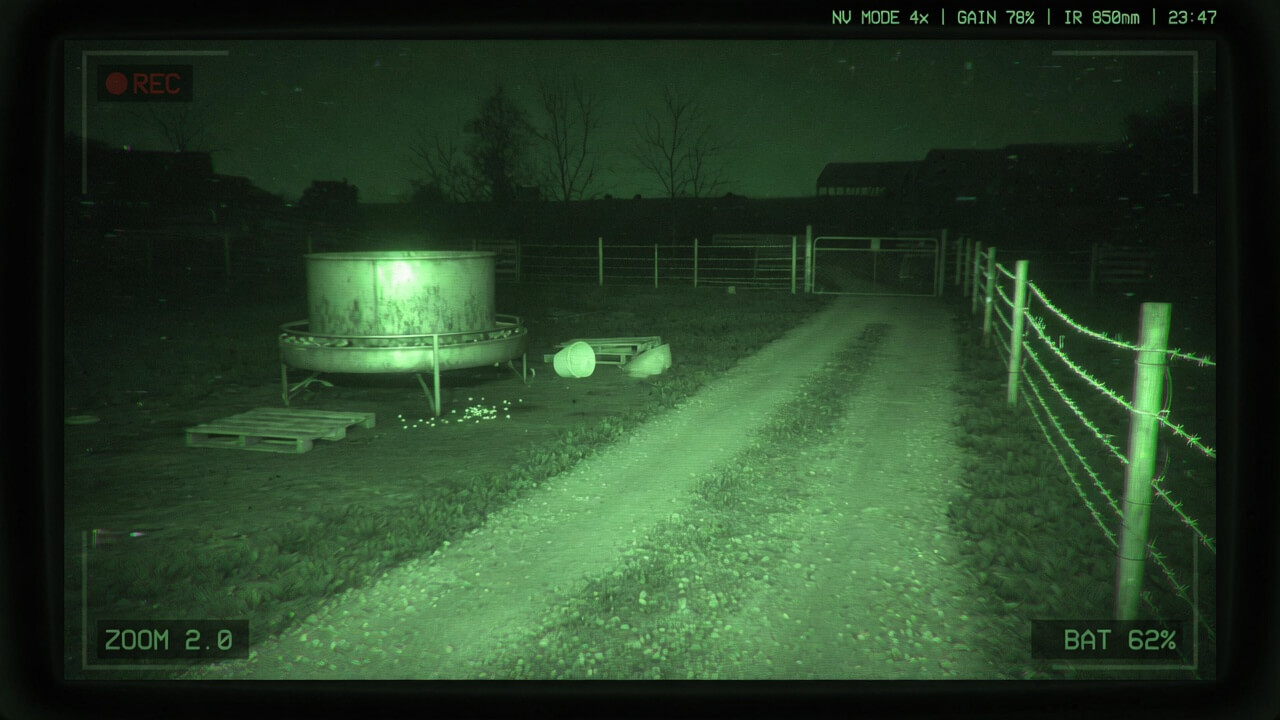
Most modern night vision binoculars for hog hunting are digital rather than old-school analog night vision. Digital models are popular because they are more affordable, easier to record with, and safer to use in daylight.
| Feature | Digital Night Vision Binoculars | Traditional Night Vision |
|---|---|---|
| Best For | Hog hunting, recording, scouting, mixed day/night use | Dedicated nighttime viewing |
| Daytime Use | Usually safe | Often not safe in bright light |
| Recording | Common feature | Rare |
| Image Style | Screen-based digital image | Tube-based green image |
| Price Range | Usually more accessible | Often expensive |
| Learning Curve | Easier for beginners | More technical |
For hog hunters, digital night vision usually makes the most sense. You can scout, record movement, review footage, and use the same optic in more than one situation.
Best Real-World Use Cases
Feeder Monitoring
If you hunt around feeders, you need an optic that can hold a clear image at a fixed distance. This is where night vision binoculars for hog hunting shine. You can sit back, scan quietly, and avoid constantly turning on bright lights.
A good setup helps you see whether movement is coming from the feeder, the tree line, or the trail leading into the area.
Crop Field Edges
Hogs often enter from low cover, drainage areas, or wooded borders. In these places, field of view becomes more important than zoom. You need to catch movement early, not zoom into one tiny spot and miss the group moving 40 yards to the left.
Ranch and Property Scouting
For landowners, night vision binoculars are not just for the hunt itself. They are useful for checking damage zones, trails, gates, fence lines, and open pasture without using a visible flashlight.
This is where buyer psychology matters. A hunter may think they are buying an optic for one hunt, but in reality, they are buying a scouting tool they may use again and again.
Recommended Product: ATN BinoX 4K 4-16x
If you want one serious option for night vision binoculars for hog hunting, the ATN BinoX 4K 4-16x is highly relevant. It is built as a day/night digital binocular with 4-16x magnification, a 40mm objective lens, built-in IR illuminator, laser rangefinder, 1080p video recording, and a listed field of view of 220 feet at 1,000 yards. ATN also lists a laser rangefinder range of 5–1000 yards/meters depending on unit setting.
Why it makes sense for hog hunting: it combines scanning, night vision, rangefinding, and video in one unit. That is useful when you are watching a field edge and want to confirm distance without juggling extra gear.
Pros
- Good day and night flexibility
- Strong overall feature set
- Built-in rangefinder for better distance estimation
- Useful recording capability for hunts
- Comfortable binocular-style viewing experience
Cons
- More expensive than basic night vision options
- Heavier than a simple monocular
- Smart features may feel unnecessary for short-range feeder hunting setups
Best For
- Hunters who regularly scan large open areas
- Property owners managing nighttime hog activity
- Anyone wanting one optic for multiple nighttime hunting situations
Consider Before Buying
This model makes more sense for frequent nighttime hunters who need extra versatility
If your hunting is occasional and usually under 100 yards, a simpler setup may be enough
Features to Prioritize Before Buying
Field of View Over Extreme Zoom
For hogs, wide scanning often beats high magnification. A wider view helps you notice movement sooner. Extreme zoom can make the image darker, shakier, and harder to interpret.
A good rule: choose enough magnification to identify movement clearly, but not so much that you lose awareness of the full area.
Battery Life
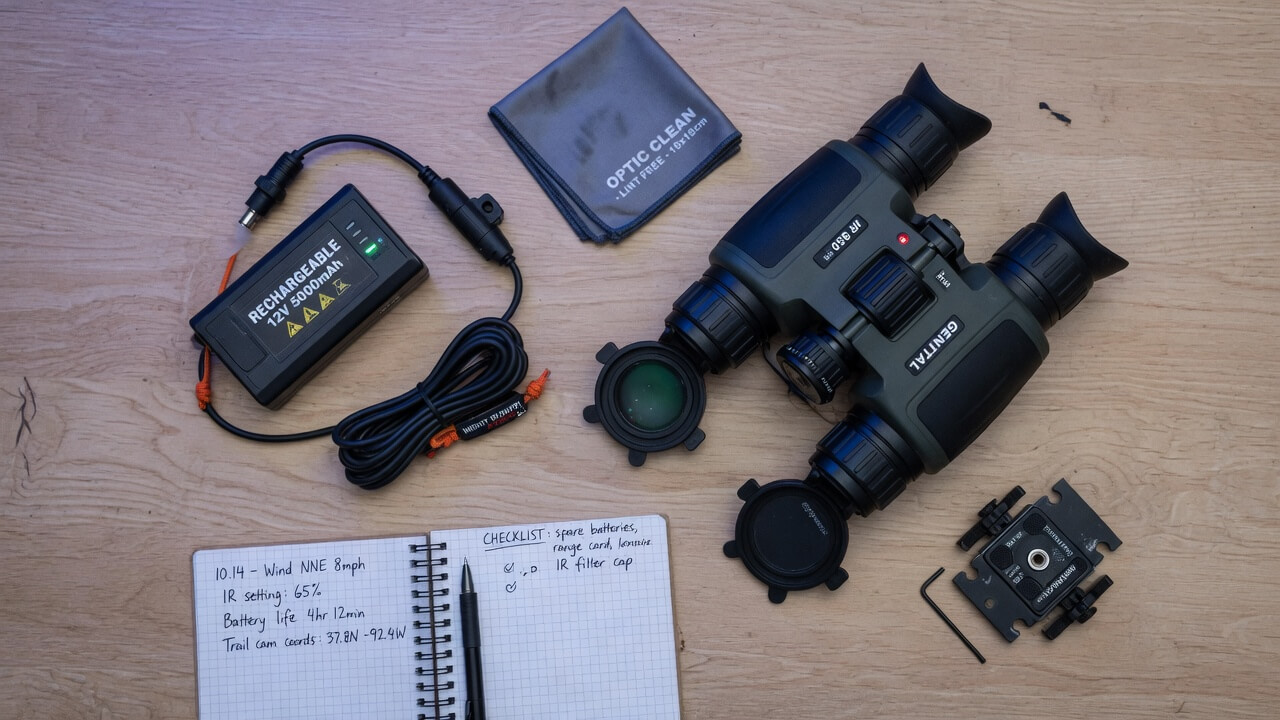
Night hunts can run long. Digital night vision uses screens, sensors, and IR power, so battery life matters. Always check whether the model uses internal rechargeable batteries, AA batteries, or external power banks.
For serious hog hunting, carry backup power. This sounds boring, but it is the kind of detail that saves a night.
Recording Capability
Recording is not just for social media. It helps you review patterns, feeder times, and movement direction. If you manage land, video can show where hogs are entering and how often they return.
That makes recording one of the most underrated features in night vision binoculars for hog hunting.
Weather Resistance
Hog hunting is not always clean. Dust, humidity, mist, and light rain can show up fast. Choose optics with at least basic weather resistance. You do not need to abuse your gear, but your binoculars should survive real outdoor conditions.
Common Mistakes Hunters Make
Buying Too Cheap
Budget night vision can work, but the cheapest models often struggle with image clarity, IR distance, battery life, or durability. When you are trying to identify movement in thick shadows, poor image quality becomes frustrating very quickly.
Ignoring Local Hunting Laws
Night hunting rules vary by location. Some areas allow night vision for hogs, some restrict artificial light, and some have land-specific rules. Before using night vision binoculars for hog hunting, check local regulations and landowner permissions.
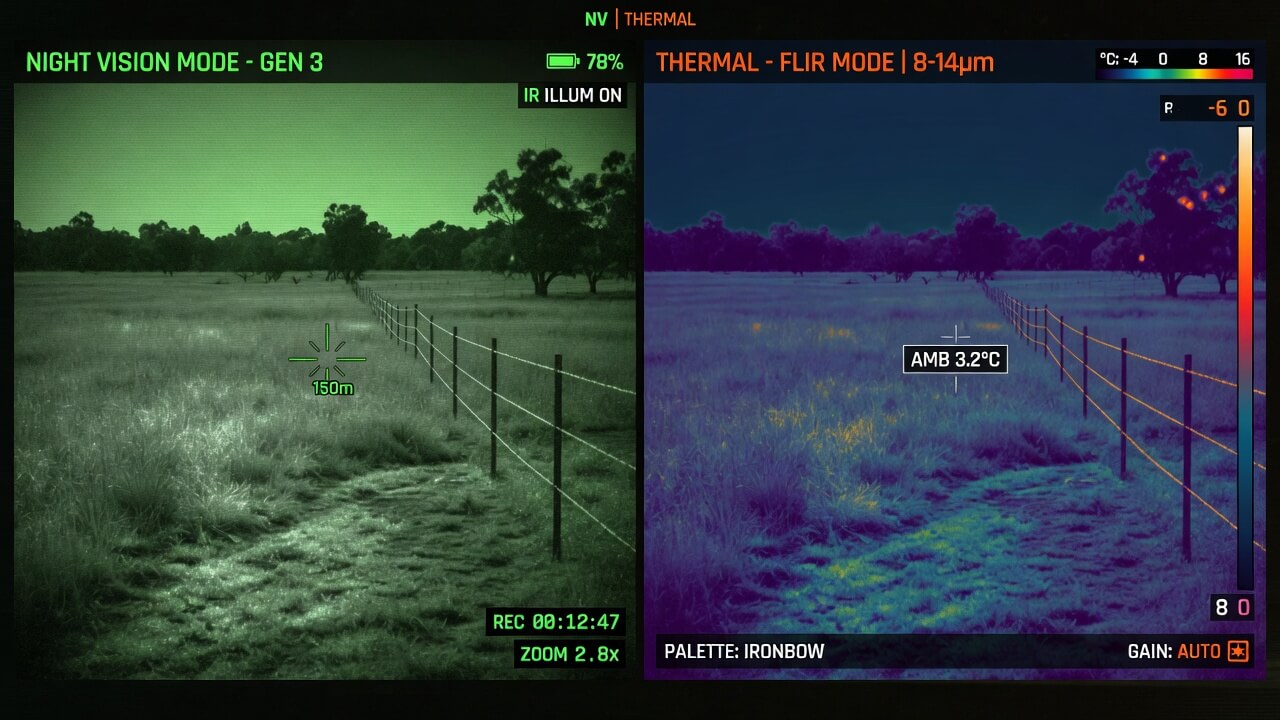
Expecting Thermal Performance from Night Vision
Night vision and thermal optics are not the same. Night vision amplifies available light or uses infrared illumination. Thermal detects heat signatures. Night vision can show better detail, but it may struggle when hogs are hidden behind brush. Thermal detects heat better, but it usually costs more.
Night Vision vs Thermal for Hog Hunting
| Feature | Night Vision Binoculars | Thermal Optics |
|---|---|---|
| Best Strength | Detail and natural scene awareness | Detecting heat signatures |
| Brush Performance | Can struggle in thick cover | Better at spotting heat through gaps |
| Cost | Usually more affordable | Usually more expensive |
| Identification Detail | Often better visual detail | Less natural detail |
| Best Use | Scanning feeders, fields, trails | Locating hidden animals faster |
For many hunters, the ideal setup is thermal for detection and night vision for identification. But if you are choosing one tool first, night vision binoculars for hog hunting are often easier to understand, more budget-friendly, and better for seeing the full scene.
Buyer Tips for Better Results
Choose binoculars with adjustable IR, not fixed IR only. Adjustable brightness gives you more control in open fields and close brush.
Look for easy button placement. In the dark, complicated controls become annoying fast.
Do not judge an optic only by daytime sharpness. Night performance is the real test.
Mounting compatibility is a bonus. If you scan from a blind, tripod use can reduce hand fatigue.
Think about how you hunt. A feeder hunter, ranch scout, and crop-field hunter may need different magnification and IR range.
For a broader buying breakdown, check our full article on digital night vision binoculars for hunting because it helps compare features across different hunting styles.
Best Setup for Hog Hunting at Night
A practical setup includes:
| Gear | Why It Helps |
|---|---|
| Night vision binoculars | Scanning and identification |
| Backup battery | Prevents power failure during long sits |
| Tripod or window mount | Stabilizes the image |
| Lens cloth | Clears dust, moisture, and fingerprints |
| Red or dim task light | Helps manage gear without ruining night awareness |
The optic is important, but the setup around it matters too. A stable, prepared hunter sees more than someone constantly adjusting gear in the dark.
Final Verdict
The best night vision binoculars for hog hunting are not always the most expensive or the highest zoom model. The best choice is the one that helps you scan calmly, identify movement clearly, and stay comfortable during long nighttime sessions.
For feeder and short-field hunting, prioritize wide field of view, adjustable IR, and simple controls. For open ranch land, consider a more advanced model with better range, recording, and rangefinding. If you want one feature-rich option, the ATN BinoX 4K 4-16x is a strong product to consider.
Hog hunting at night rewards patience. Your optics should support that patience, not fight against it.
FAQs About Night Vision Binoculars for Hog Hunting
Are night vision binoculars good for hog hunting?
Yes, night vision binoculars for hog hunting are useful for scanning fields, feeders, trails, and ranch areas after dark. They help you see movement without relying on visible white light.
What range do I need for hog hunting at night?
Most hunters should focus on clear performance between 75 and 250 yards. Longer range is helpful in open country, but mid-range clarity is more important for real identification.
Is digital night vision better for hog hunting?
Digital night vision is often better for most hunters because it is easier to use, can include video recording, and is usually more affordable than advanced traditional night vision.
Do I need infrared for hog hunting?
Yes, most digital night vision binoculars need infrared illumination in dark conditions. Adjustable IR is better because it lets you control brightness based on distance and terrain.
Are night vision binoculars better than a monocular?
For long scanning sessions, binoculars are usually more comfortable because you can use both eyes. A monocular is lighter, but it can cause eye fatigue during extended use.
Can I use night vision binoculars during the day?
Many digital night vision binoculars can be used during the day, but always check the manufacturer’s instructions. Traditional analog night vision may be damaged by bright light.
What is the biggest mistake when buying night vision binoculars for hog hunting?
The biggest mistake is buying based only on maximum zoom or advertised range. Real hog hunting needs field of view, IR control, battery life, and clear mid-range identification.
For more optics tips, buying advice, and hunting gear guides, visit the Best Binocular home page and explore the blog tips page.




