
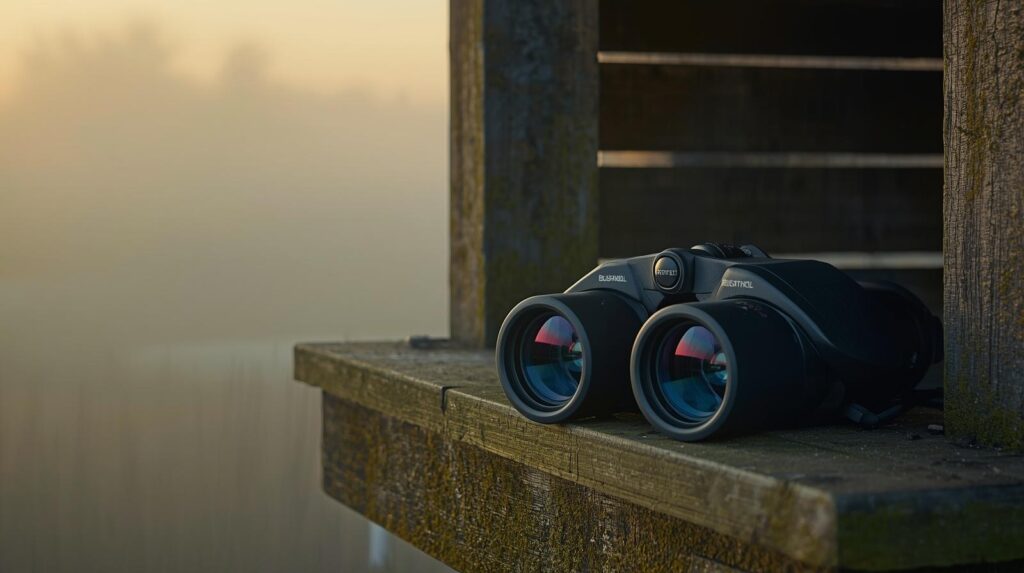
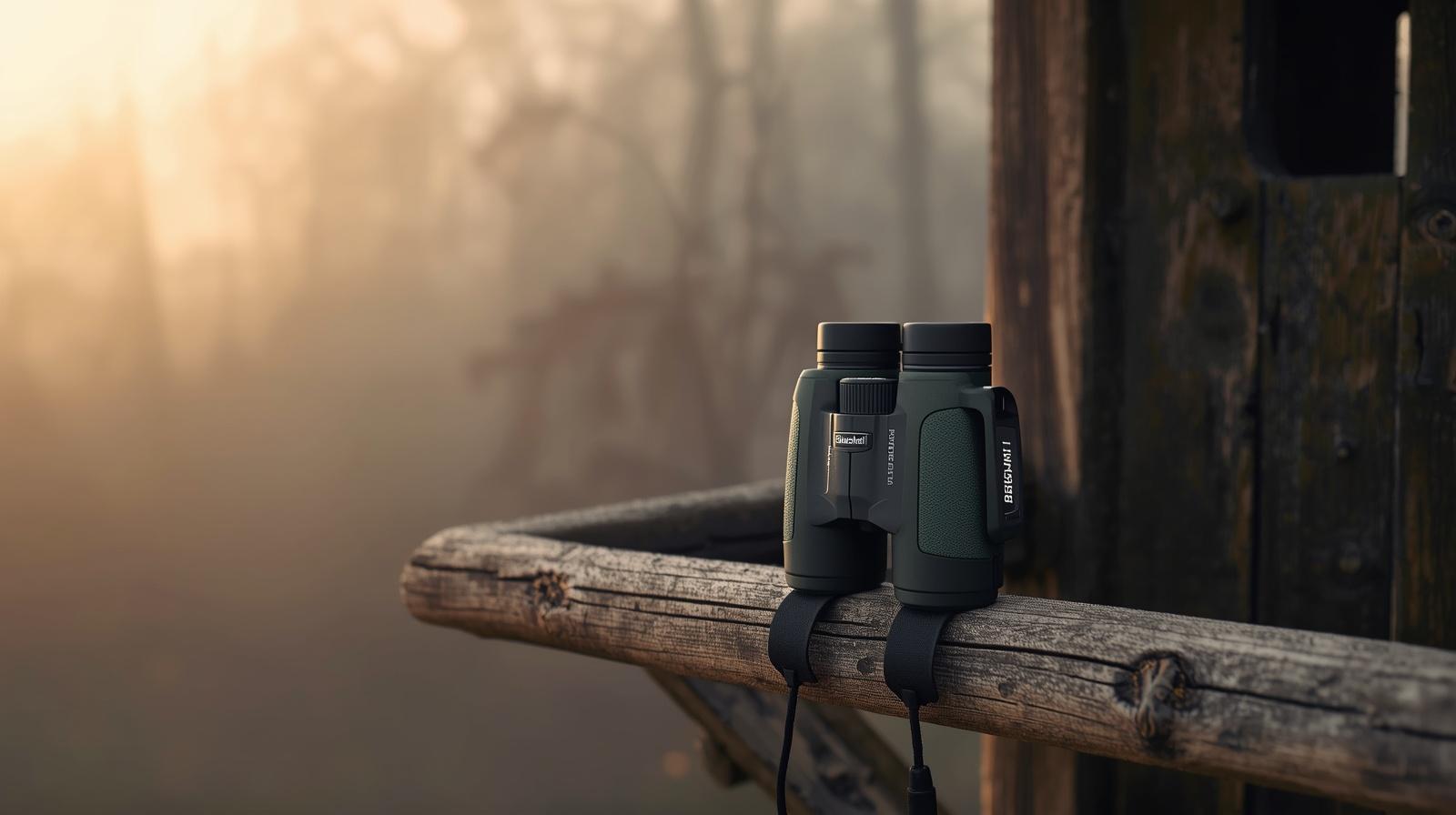
Low-light birding is where binocular marketing gets exposed.
A binocular can look great on a product page, sound impressive in a spec list, and still feel mediocre at dawn when a bird is half-hidden in a hedgerow and the light is draining out of the scene by the second. That is the real test. If you are specifically looking for Bushnell binoculars for low light birding, you are not chasing some abstract idea of “clarity.” You want a binocular that helps you keep seeing useful detail when woodland shade, overcast skies, first light, and late-evening conditions start punishing cheap optics.
Bushnell has long made binoculars that appeal to practical users, and that matters here. Low-light birding is not just about maximum brightness. It is about how comfortably you can pick out edges, movement, feather contrast, and shape before your eyes get tired or the image turns muddy. That usually means paying attention to magnification, objective size, coatings, prism quality, steadiness, and simple field usability, not just obsessing over one number.
If you want the broader lineup before narrowing down, start with our guide to 👉Best Bushnell Binoculars for Bird Watching.
For a wider model-by-model perspective, see our full 👉Bushnell Binoculars Review.
And if you split time between birding and field sports, our roundup of👉 Best Bushnell Binoculars for Hunting helps explain where the overlap begins and where it stops.
Why low-light birding is different from normal daytime birding
In bright midday conditions, a decent binocular can hide its flaws. In low light, everything gets harsher.
The bird is less contrasty. Background clutter gets darker. Your pupils open up. Small issues in glass quality, coatings, and image brightness become more obvious. You start noticing whether the binocular helps you isolate a bird in shadow or just gives you a dim, flat image that feels technically usable but emotionally irritating.
Common low-light birding situations include:
- Early morning bird activity before the sun is properly up
- Dusk birding around lakes, marshes, and woodland edge
- Dense forests and shaded trails
- Overcast weather where colors flatten out
- Winter birding when daylight is weak all day
That is why many birders gravitate toward 8×42 binoculars for this job. The 42mm objective gathers enough light for real-world use, while 8x magnification stays easier to stabilize than 10x. On paper, that may sound boring. In practice, it is the reason so many experienced birders stop trying to outsmart physics.
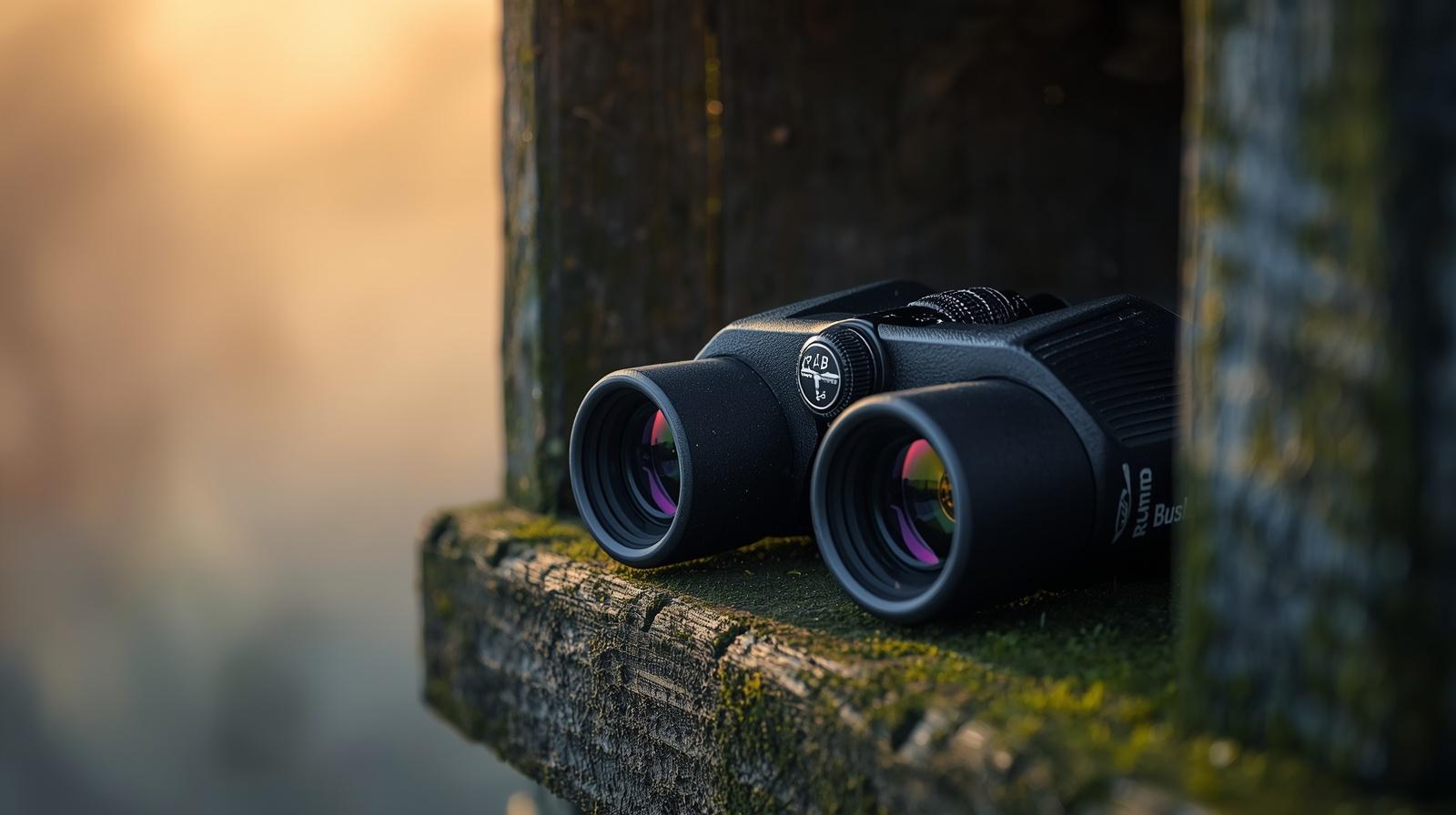
What actually matters in Bushnell binoculars for low light birding
1. Objective lens size
For low-light birding, 42mm is usually the sweet spot.
A 32mm binocular can be lovely for travel, but once the light drops, it gives up ground faster. A 50mm binocular can pull in more light, but it is often bulkier and less pleasant to carry for long birding sessions. Most birders land somewhere sensible in the middle, because hiking around with oversized optics gets old fast.
2. Magnification
For low light, 8x usually beats 10x for birding.
Why? Because a slightly dimmer, shakier 10x view often gives you less real-world detail than a steadier 8x view. In fading light, image stability matters more than ego. Human beings love buying “more magnification” and then acting surprised when their own hands join the problem.
3. Coatings and glass quality
This is where a binocular either feels crisp or vaguely disappointing.
Good coatings improve light transmission and help preserve contrast. In poor light, contrast is not a side issue. It is the difference between spotting a thrush tucked in dark cover and staring at a brownish blur wondering whether that branch moved.
4. Field of view
A wider field of view helps you locate birds faster, especially when they are active in low light and popping in and out of cover. Woodland birding becomes much less annoying when you are not constantly hunting for the bird inside a narrow tunnel.
5. Weight and handling
Low-light birding often happens when you are tired, cold, or moving slowly in awkward conditions. A binocular that is too heavy or front-loaded can become harder to hold steady, which cancels out some of the benefit of better glass.
The best Bushnell configuration for most low-light birders
If you want the practical answer, not the dramatic answer, it is this:
Choose an 8×42 first
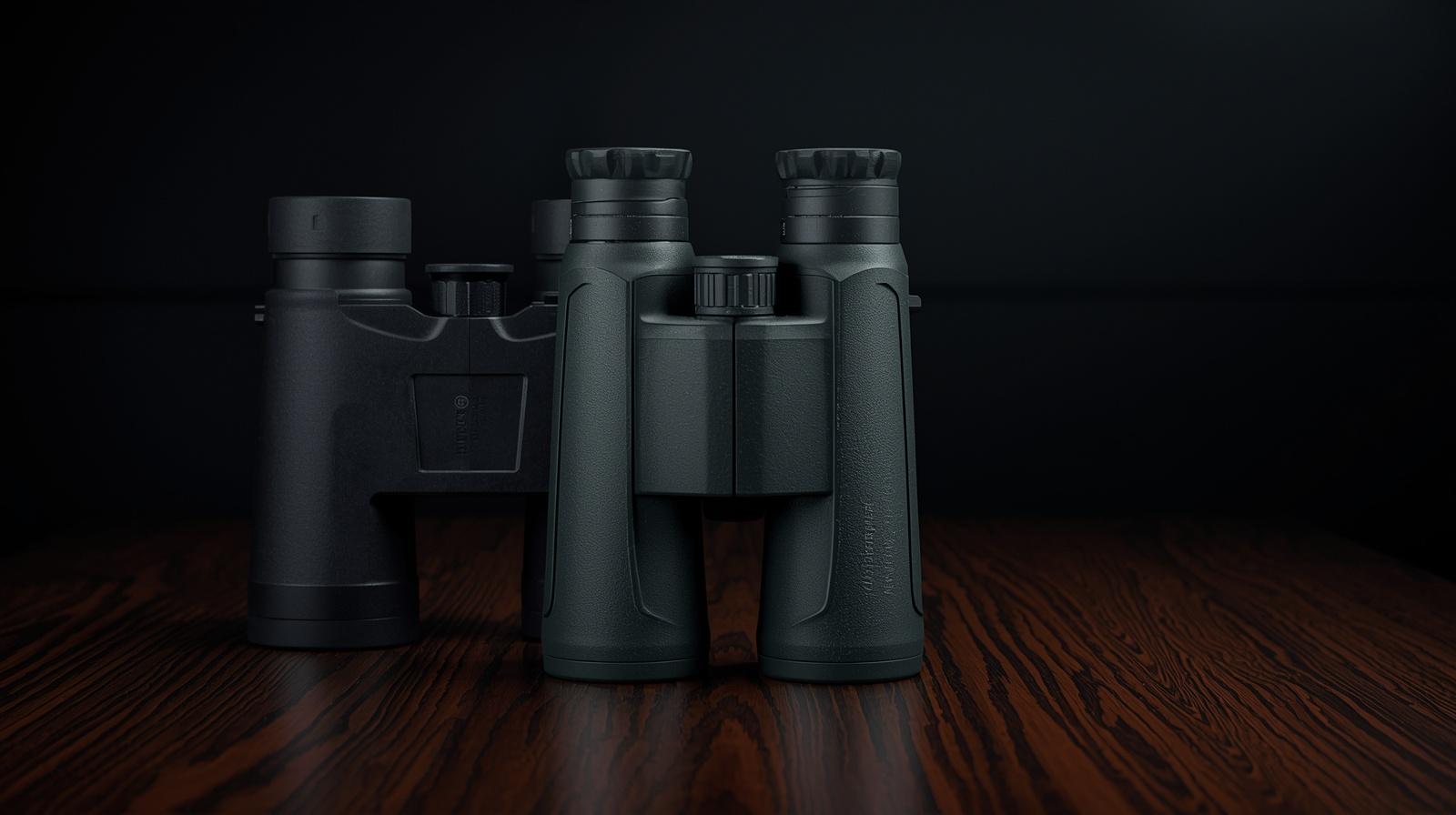
For most birders looking at Bushnell, 8×42 is the best overall format for low light birding. It balances brightness, steadiness, field of view, comfort, and carry weight better than almost anything else in the category.
That does not mean 10×42 is bad. It means 10×42 is more conditional. It makes more sense in open habitats where you need extra reach and you are willing to trade some steadiness and ease of use. In dim woodland or mixed habitats, 8×42 is usually the smarter choice.
| Configuration | Low-Light Strength | Main Trade-Off | Best For |
|---|---|---|---|
| 8×32 | Light and portable | Gives up brightness earlier | Daytime walking and travel birding |
| 8×42 | Best all-round balance | Slightly larger than compact models | Most low-light birders |
| 10×42 | More reach | Harder to steady in dim conditions | Open-country birding |
| 10×50 | Bright with more power | Heavy and tiring over time | Stationary observation |
The one Bushnell model that makes the most sense
If you want one highly relevant Bushnell recommendation for this specific use case, the Bushnell Engage EDX 8×42 is the model I would put at the front of the line. Bushnell currently lists the Engage EDX 8×42 in its lineup, which makes it the most sensible flagship-style recommendation for a birding user who wants a current Bushnell 8×42 option rather than a ghost model floating around old review sites.
Why this one makes sense for low-light birding:
- 8×42 is the right format for most dawn and dusk birding
- It sits in the more serious end of Bushnell’s binocular range
- It is a better fit for birders who care about image quality, not just basic usability
- It is easier to recommend than a budget model if low light is your actual priority
Pros
- Sensible 8×42 format for real-world low-light birding
- Better long-session usability than higher-magnification options
- More likely to satisfy birders who notice contrast and edge definition
- Good bridge between affordability and serious performance
Cons
- Costs more than entry-level Bushnell binoculars
- Still not a substitute for premium alpha-level European glass
- May be more binocular than casual backyard users truly need
If your budget is tighter, you can absolutely start lower in the Bushnell range. Just know what you are sacrificing. Budget optics usually fail first in poor light, not on sunny afternoons. That is the part people discover after they already bought the “great value” pair.
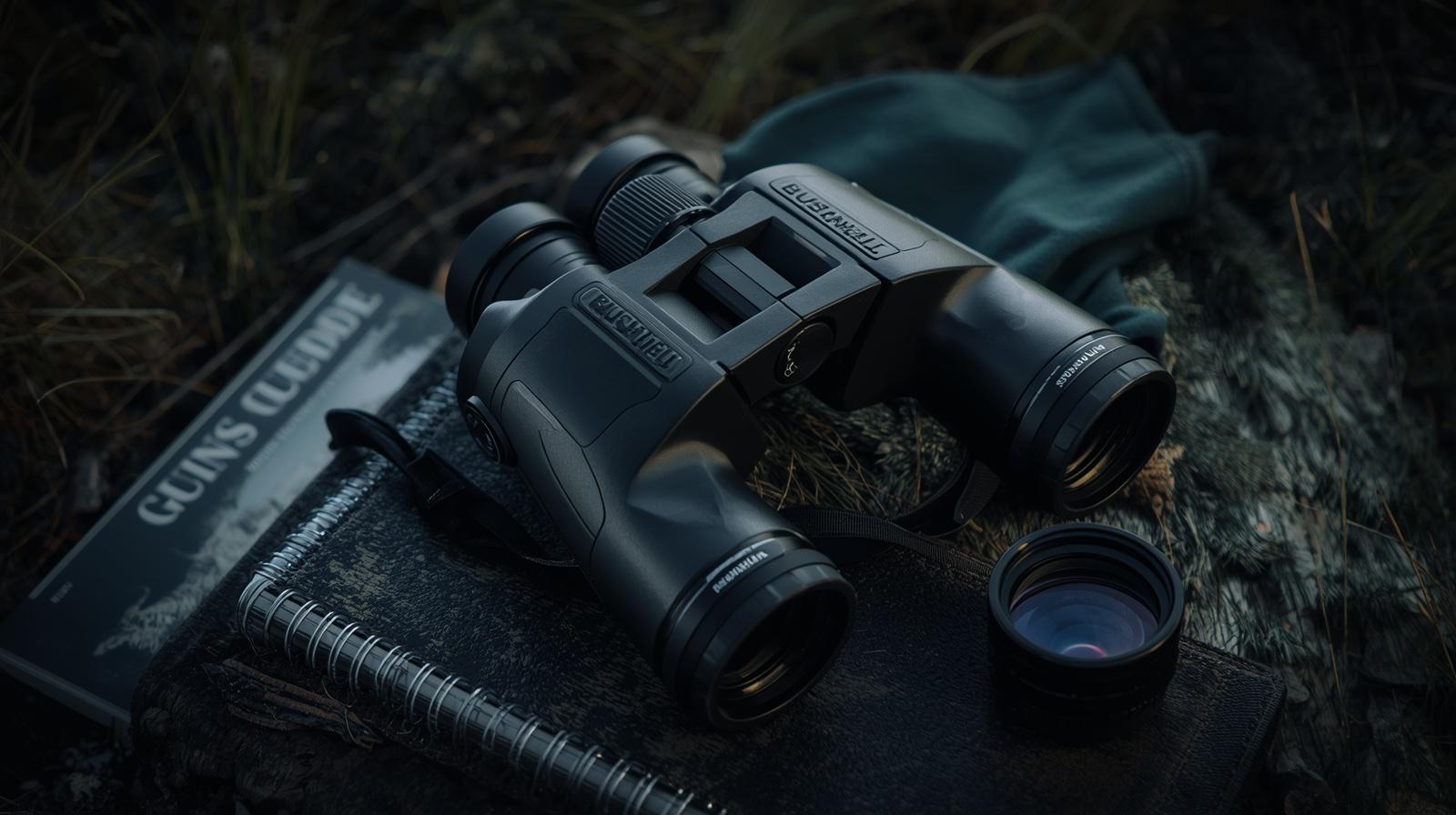
What low-light birders often get wrong
Buying too much magnification
This is the classic mistake.
People imagine they need more reach to identify birds in dim conditions. Often they need the opposite: a steadier, brighter, wider view. A shaky 10x binocular can feel less useful than an 8x model when the light is poor and the bird is moving.
Underestimating coatings
Two binoculars can look similar in a store and perform very differently in real birding. Low light is where coatings, contrast, and image cleanliness start separating models in a way even non-experts can see.
Going too compact
Compact binoculars are convenient, and convenience matters. But if your main goal is low-light birding, convenience should not be allowed to bully performance. A lightweight compact model is great until sunset turns it into a compromise you can feel.
If portability matters more than maximum dusk performance, our guide to 👉Lightweight Bushnell Binoculars is worth reading next.
Ignoring weather resistance
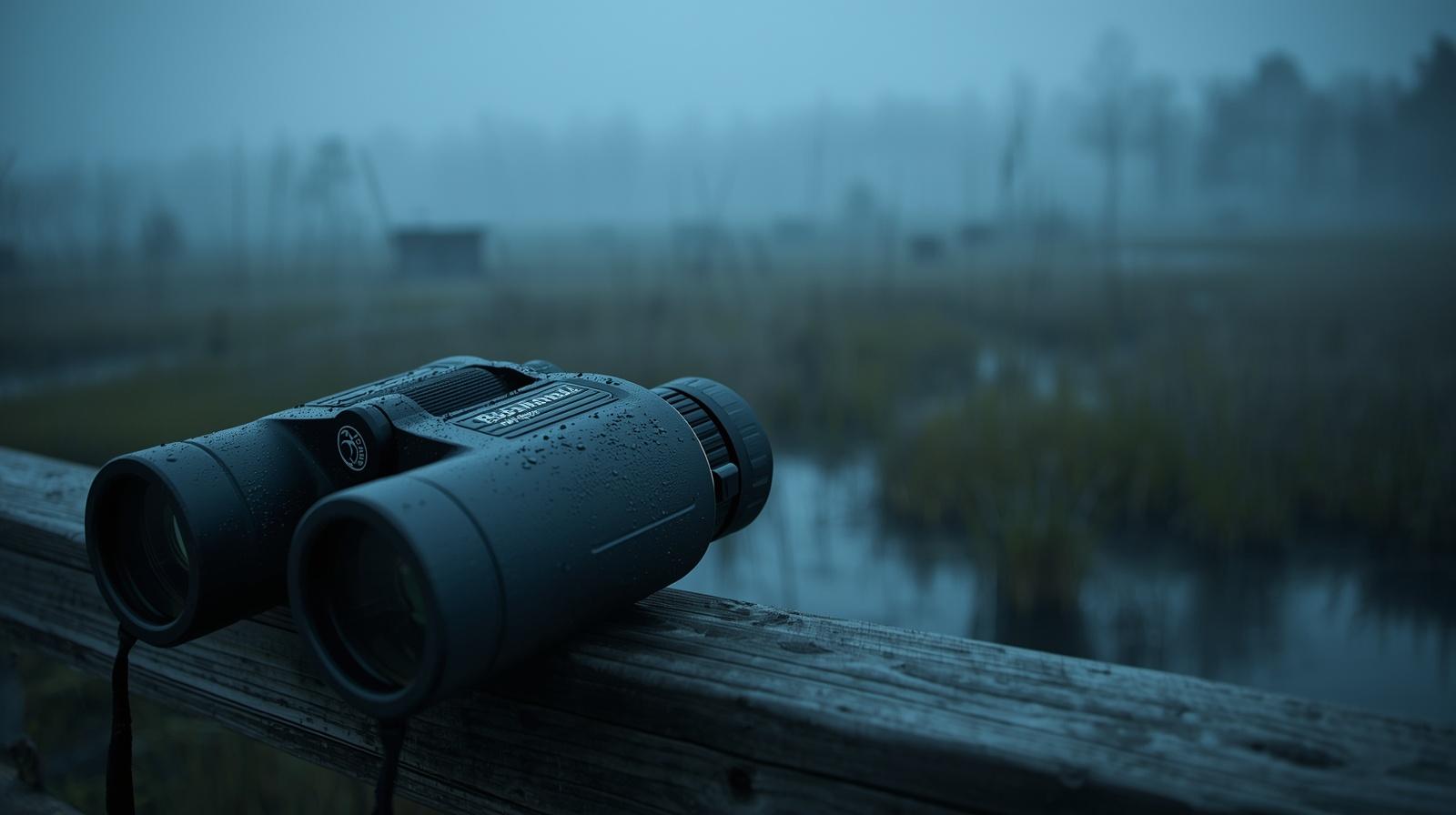
Low-light birding often overlaps with damp, foggy, or drizzly conditions. Waterproofing and decent exterior durability are not just nice bonuses. They are field features.
If that part matters most to you, read our guide to👉 Waterproof Bushnell Binoculars for Birders.
Real-world use cases: when Bushnell low-light binoculars shine
Woodland birding at sunrise
This is where an 8×42 Bushnell setup makes the most sense. You need to locate movement fast, separate birds from shaded branches, and keep the image steady without fighting hand shake.
Late-afternoon wetland birding
Open wetlands can stay deceptively bright to the naked eye while detail through binoculars starts falling apart. A better 8×42 Bushnell can help preserve enough contrast to keep identification practical.
Overcast winter birding
Flat winter light is brutally honest. Binoculars that felt fine in summer can suddenly seem dull. This is one of the strongest arguments for buying for your worst conditions, not your easiest ones.
Buyer tips before you choose
Prioritize the use case, not the marketing headline
Ask yourself where you actually bird.
If the answer is woodland, mixed trails, shaded parks, and early mornings, lean into 8×42. If you bird wide-open coastal areas in full daylight most of the time, your priorities may shift a little.
Test comfort, not just sharpness
A binocular can be optically decent and still annoy you. Focus wheel feel, grip shape, balance, eye relief, and how the binocular settles into your hands all matter. A slightly less “impressive” binocular that feels easy to use often wins in the field.
Think in terms of minutes, not seconds
Any binocular can look acceptable for 20 seconds. The better question is whether it still feels good after 45 minutes of scanning hedges in weak light.
Be honest about budget
If low-light birding is a genuine priority, this is not the place to go ultra-cheap. You do not need to buy the most expensive glass on earth, but the penalty for cutting too many corners shows up fast at dawn and dusk.
Bushnell low-light birding: who should buy and who should not
Bushnell is a good fit if you:
- Want practical performance without immediately jumping to luxury pricing
- Need a dependable birding binocular for mixed conditions
- Prefer a brand with accessible options across multiple price levels
- Want a current 8×42 model that makes sense for serious everyday use
Bushnell may not be ideal if you:
- Want the absolute brightest, most refined premium image regardless of cost
- Mostly bird in bright daylight and would rather save weight with a compact
- Need specialized ultra-premium optics for heavy professional use
A quick comparison mindset: Bushnell vs cheaper “spec-sheet” binoculars
A lot of budget binoculars advertise things like “HD,” “FMC,” and “BAK-4” as if those labels alone settle the matter. They do not.
Low-light birding tends to reveal whether the binocular delivers usable contrast, consistent sharpness, comfortable viewing, and dependable handling. Bushnell’s better models make more sense here than random bargain-bin alternatives because the goal is not just technical visibility. It is confidence. When a bird appears for three seconds in dark cover, you do not want to wonder whether the optics are holding you back.
Final thoughts
For this keyword and this specific intent, the answer is not complicated. The best starting point for Bushnell binoculars for low light birding is usually an 8×42 configuration, and the Bushnell Engage EDX 8×42 is the cleanest product recommendation if you want one current, relevant model to center your shortlist around.
Could you bird in low light with cheaper or smaller binoculars? Sure. Humans also insist on using the wrong screwdriver for five years and then calling it “good enough.” But if you actually care about dawn birding, dusk birding, or shaded woodland performance, this is one of those categories where the right format and the right optical tier genuinely matter.
For a broader overview, go back to our full guide to 👉Best Bushnell Binoculars for Bird Watching.
If you want the bigger brand picture, read the complete👉 Bushnell Binoculars Review.
And if weather sealing or portability is your next deciding factor, our articles on 👉Waterproof Bushnell Binoculars for Birders and 👉Lightweight Bushnell Binoculars will help narrow things down without the usual internet nonsense.
FAQs
What magnification is best for Bushnell binoculars in low light birding?
For most birders, 8x is the better choice in low light. It is easier to hold steady, usually offers a wider field of view, and tends to feel more usable at dawn or dusk than 10x.
Are Bushnell 8×42 binoculars good for bird watching in dim conditions?
Yes, Bushnell 8×42 binoculars are generally the most sensible format for low-light birding because they balance brightness, control, and comfort better than compact or higher-magnification alternatives.
Is a 10×42 Bushnell binocular bad for low light birding?
Not bad, just more conditional. A 10×42 Bushnell binocular can work well in open habitats, but it is usually harder to steady in poor light, which can reduce real-world detail for many birders.
Do lens coatings matter in Bushnell binoculars for low light birding?
Absolutely. In dim conditions, coatings help improve light transmission and contrast, which makes birds easier to separate from shadowy backgrounds and cluttered vegetation.
Should I buy compact Bushnell binoculars for dawn birding?
Only if portability is your top priority. For dedicated dawn or dusk birding, a compact model is usually less effective than a full-size Bushnell 8×42 birding binocular.
Are waterproof Bushnell binoculars worth it for birders?
Yes. Low-light birding often happens in damp mornings, mist, drizzle, and cold weather, so waterproofing adds real value instead of just looking nice on a spec chart.




