


Bushnell has been in the optics conversation for a long time, and that matters. Not because age automatically equals quality. Humans love pretending heritage is performance. It is not. But in Bushnell’s case, a long track record does mean something more useful: the brand understands how to build binoculars for real buyers, not just spec-sheet tourists.
That is the first thing I noticed after spending time across Bushnell’s lineup. The brand is not trying to be Swarovski. It is not trying to dominate the elite European tier. Bushnell’s strength is different. It builds binoculars for people who want practical field performance, recognizable magnification options, decent low-light handling, rugged housings, and pricing that does not trigger a family budget summit.
Today, Bushnell’s binocular range stretches from entry-level PowerView 2 models into the newer R-Series, the marine-focused H2O line, mid-tier Engage options, and specialty products like the Fusion X rangefinding binocular and the Match Pro ED 15×56. Bushnell also states that binoculars are covered by a lifetime warranty, which is an important confidence marker for buyers shopping in the value and mid-range brackets.
This Bushnell Binoculars Review is not built around brand nostalgia or forum mythology. It is built around what matters in real use: how these binoculars feel in the hand, where Bushnell cuts corners, where it over-delivers, and which models make sense for birding, hunting, travel, sports, and general outdoor use.

If you are trying to understand Bushnell’s place in the optics market before comparing brands, start at the BestBinocular.net home page.
And if your main focus is birds rather than general outdoor use, the smartest next step is our guide to👉 Best Bushnell Binoculars for Bird Watching.
Bushnell as a Binocular Brand: What It Gets Right
Bushnell’s reputation has always lived in the practical middle ground. That can sound faintly insulting until you actually buy binoculars with your own money. Then “practical middle ground” starts sounding suspiciously wise.
Here is what Bushnell usually does well:
- It offers broad price coverage
- It keeps ergonomics simple
- It builds for outdoors use rather than shelf appeal
- It gives buyers plenty of magnification and objective-size choices
- It tends to prioritize usable brightness and durability over luxury finish
That is a real advantage for beginners and working outdoors users. A lot of brands either stay too cheap and sloppy, or swing the other way and chase premium status with prices that would make a sane person blink twice. Bushnell sits where many buyers actually shop.
In use, most Bushnell binoculars make a strong first impression because they are straightforward. Focus wheels are usually easy to find and operate with gloves. Armor tends to feel grippy rather than decorative. Eye relief is often adequate for casual eyeglass wearers. You get the sense these were designed by people who expected mud, drizzle, early light, and human hands, not just marketing photographers.
That does not mean every Bushnell is excellent. Far from it. The lower-end models can flatten contrast, lose edge sharpness, or feel a bit blunt compared with stronger competitors at the same price. But Bushnell is often very honest in its product positioning. The cheaper stuff feels cheaper. The better stuff steps up in ways that are noticeable.
If you want a full breakdown of how Bushnell’s brand value holds up over time, read 👉Are Bushnell Binoculars Worth Money?.
The Bushnell Binocular Lineup at a Glance
The current Bushnell ecosystem covers several distinct buyer types. That is useful because the right Bushnell for a turkey hunter is not the right Bushnell for a backyard birder, and neither of those people should be buying like a tactical PRS shooter with a tripod in the truck.
Bushnell PowerView 2
PowerView 2 sits at the budget end. This is the line for casual users, beginners, travel, family outings, and anyone who wants functional optics without overthinking coatings for three weeks and ruining their evening. Bushnell still lists PowerView 2 in its active optics collection and manuals.
Bushnell R3
The R3 is one of Bushnell’s strongest value plays right now. Bushnell describes it with fully multi-coated optics, IPX7 waterproofing, shockproof construction, and EXO Barrier lens protection. On paper and in positioning, that tells you exactly what it is trying to be: an affordable field binocular for serious everyday use.
Bushnell R5
R5 is the more advanced sibling. Bushnell says it adds dielectric and PC3 phase coatings, plus EXO Barrier and a waterproof chassis. That is meaningful. Once you step into better coatings and cleaner prism performance, Bushnell starts feeling less like “good enough” and more like a deliberate buy.
Bushnell Engage EDX
Engage EDX sits above the budget lines and gives Bushnell a more serious mid-tier option. Bushnell’s current catalog shows Engage EDX binoculars in 10×50 and 12×50 configurations.
Bushnell H2O
H2O remains relevant for boating, wet climates, and users who care more about weather resistance and simple reliability than maximum optical refinement. Bushnell still lists H2O as an active collection.
Bushnell Fusion X
Fusion X is a rangefinding binocular. It is a specialty tool, not a general-use recommendation. Bushnell markets it with an integrated laser rangefinder, ActivSync display, EXO Barrier, and ranging out to 1,760 yards.
Bushnell Match Pro ED 15×56
This one is very specific. Bushnell says the Match Pro ED 15×56 is based on the Forge 15×56 platform, uses ED Prime glass and Abbe-Koenig prisms, and adds a rotating MRAD reticle. This is for precision-minded users, not casual birders walking a park loop on Sunday morning.

For buyers stuck between magnification choices, do not guess. Read [Best Bushnell Magnification for Bird Watching (8x vs 10x)] before you buy the wrong format and then blame the binocular for your own chaos.
Bushnell Binoculars Review by Use Case
The easiest way to review Bushnell is by asking a brutally simple question: what are you actually doing with the binocular?
Because “best” changes fast.
Best for Beginners: Bushnell PowerView 2 or R3
If you are new to binoculars, Bushnell is one of the safer brands to start with because the lineup makes sense. There is a logical upgrade path. PowerView 2 works for very casual use. R3 is where I think the brand starts getting genuinely interesting.
PowerView 2 is fine for entry-level sightseeing, travel, occasional wildlife viewing, and sporting events. It is not the pair that makes you pause and whisper, “Now this is glass.” Let’s not get dramatic. But it is accessible and easy to live with.
The R3, by contrast, feels like the point where Bushnell begins serving people who will use binoculars regularly. The better weatherproofing and more serious field design make it easier to recommend without an asterisk the size of a shovel.
If you are shopping your first pair, read 👉Bushnell Binoculars for Beginners.
And if you want the broader decision framework before landing on a model, use 👉Bushnell Binoculars Buying Guide.
Best for Hunting: Bushnell R5 or Fusion X
For hunting, Bushnell makes more sense than many birding-first brands because its hunting optics identity is obvious throughout the range. Grip, armor, weatherproofing, and practical magnification options matter here.
The R5 is the sweet spot for many hunters. It gives you enough optical improvement over bargain models to matter at dawn and dusk, without forcing you into premium-tier spending. If you hunt whitetail, glass field edges, or spend long mornings scanning broken terrain, this is the line I would look at first.
Fusion X is different. You buy it when consolidating gear matters. A separate rangefinder and binocular setup is still attractive to some hunters, especially if they want the best optical quality per dollar. But for archery hunters, Western hunters, or anyone who values speed, an integrated rangefinding binocular is hard to dismiss.
Bushnell’s recent field content also pushes the R5 line as a practical turkey hunting option, specifically pointing to 8x, 10x, and 12×50 formats depending on terrain and style. That aligns with real-world logic. 8x for speed and stability. 10x for versatility. 12×50 when reach matters more.
For a field-specific breakdown, go to 👉Bushnell Binoculars for Hunting – Complete Guide.
Best for Bird Watching: Bushnell Engage EDX
For birding, I would be pickier. Birders tend to notice focus feel, color fidelity, glare control, eye comfort, and edge behavior more than casual users do. That is why a generic “Bushnell is good” answer does not cut it.
Among Bushnell options, the Engage EDX line is the one that feels most aligned with more demanding birders who still want reasonable pricing. It is not just about magnification. It is about a more refined viewing experience over longer sessions. Better birding binoculars disappear in use. Cheaper ones keep reminding you they exist.
That is why some buyers who start with PowerView 2 or R3 eventually move upward. Not because those models fail, but because birding is merciless. Once you spend time trying to pick out detail on a warbler in mixed light, your standards change quickly.
If that is your lane, read👉 Best Bushnell Binoculars for Bird Watching.
Best for Marine and Wet Conditions: Bushnell H2O
H2O exists for buyers who deal with boats, spray, humidity, and bad weather. In those environments, perfect edge sharpness matters less than waterproof confidence, handling, and basic reliability. Bushnell still keeps H2O in its live collections, which tells you the line remains relevant.
For fishing trips, coastal use, casual boating, or rainy-climate travel, H2O has a clean purpose. I would not pick it as the best all-around Bushnell for most users, but I would absolutely consider it for the right environment.
Best for Long-Range Observation or Precision Use: Match Pro ED 15×56
The Match Pro ED 15×56 is not a general recommendation, and that is a compliment. It is specialized enough to avoid pretending otherwise. This model makes sense for tripod-supported glassing, match observation, and long-range field use where reticle utility matters. Bushnell explicitly positions it around all-day clarity, ED Prime glass, Abbe-Koenig prisms, and a rotating MRAD reticle.
If you mostly handhold binoculars on walks, this is not your answer. If you live behind a tripod and care about spotter-like observation from a binocular platform, then now we are having a different conversation.
Bushnell Binoculars Comparison Table
| Model | Best For | Strengths | Trade-Offs | My Take |
|---|---|---|---|---|
| Bushnell PowerView 2 | Casual use, travel, beginners | Affordable, easy to use, widely available | Limited optical refinement, less impressive in low light | Good starter pair if expectations stay realistic |
| Bushnell R3 | First serious outdoor binocular | Waterproof, field-friendly, strong value | Not the sharpest or brightest in the category | One of the smartest budget-to-mid choices |
| Bushnell R5 | Hunting, all-around outdoor use | Better coatings, stronger contrast, more capable at dawn/dusk | Costs enough that buyers should compare carefully | Best value pick for many serious users |
| Bushnell Engage EDX | Birding, extended glassing | More refined viewing, more premium feel | More expensive and less “budget friendly” | Best Bushnell line for demanding viewers |
| Bushnell H2O | Boating and wet environments | Weather-focused, practical design | Not the most refined optics | Buy for environment, not bragging rights |
| Bushnell Fusion X 10×42 | Hunters wanting rangefinding built in | One-tool convenience, long ranging spec | Expensive, specialized | Worth it only if you truly want integrated ranging |
| Bushnell Match Pro ED 15×56 | Precision observation, tripod use | ED glass, long-range utility, reticle system | Heavy, niche, not casual-friendly | Impressive but very purpose-built |
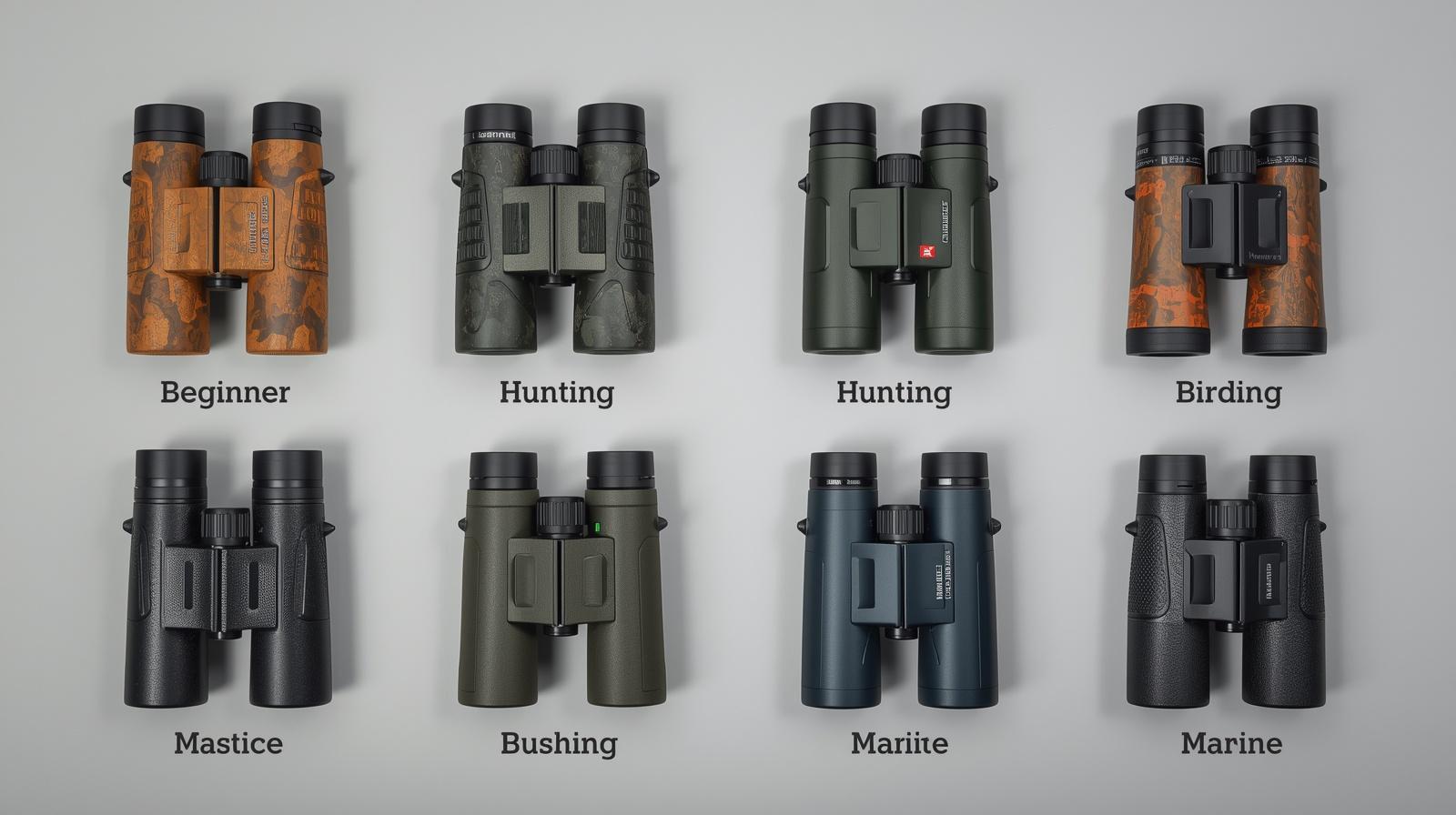
What Bushnell Binoculars Feel Like in Real Use
This is where many reviews get lazy. They talk in coatings and prism jargon until the reader forgets the binocular will eventually be held by a human with cold fingers, a hat brim, and maybe ten seconds to spot a deer before it vanishes.
Bushnell binoculars usually feel grounded. Focus wheels are rarely overly stiff. Body shapes tend to prioritize control over elegance. Armor is functional. The binoculars do not usually feel over-designed, which I count as a positive. A lot of optics brands still behave as if sculpted barrels are a substitute for actual comfort.
In the field, Bushnell’s better models give you a view that feels honest. Contrast is decent. Focus is quick enough. Brightness is acceptable to strong depending on tier. The better lines start to control flare and preserve detail more convincingly. The cheaper lines are usable, but in dim light or demanding observation, they remind you where the savings happened.
That is not a flaw unique to Bushnell. It is just reality. At lower budgets, all brands compromise somewhere. Bushnell’s compromise tends to be tolerable because it usually protects the basics first.
Bushnell Optical Quality: Better Than Expected, But Tier-Dependent
One mistake buyers make is assuming “Bushnell optical quality” is a single thing. It is not. A PowerView 2 tells you almost nothing about an Engage EDX. An R3 does not stand in for a Match Pro ED. You have to review Bushnell by level, not logo.
Where Bushnell Looks Strong
Bushnell performs well when you judge it on value-adjusted expectations. In the R3 and R5 range especially, it usually delivers enough brightness, contrast, weather confidence, and handling to satisfy most non-obsessive users. That matters. Most people do not need laboratory perfection. They need a binocular that works repeatedly and predictably.
Where Bushnell Falls Behind
Bushnell can still lose ground to stronger competitors in edge sharpness, micro-contrast, focus refinement, and overall viewing “ease,” especially when you compare lower or mid-tier models against standout products from Nikon, Vortex, or Athlon.
That does not automatically make Bushnell the wrong buy. It just means you should know your own standards. If you are the sort of user who immediately notices chromatic aberration on bright branches or gets annoyed by imperfect edge control, you will need to shop carefully.
The Best Bushnell Binoculars I’d Recommend
Not every Bushnell deserves equal enthusiasm. Here are the models I would naturally recommend, depending on the buyer.
1. Bushnell R5 10×42
This is the most balanced recommendation for many adults who want one serious, all-around Bushnell. It fits hunting, wildlife viewing, and general outdoor use. Good magnification, sensible size, and a meaningful step up from base-level glass.
2. Bushnell R3 8×42
If budget matters but you still want a proper outdoors binocular, this is one of the easiest Bushnell models to defend. It is the kind of pair I would suggest to someone who is done wasting money on fragile department-store optics.
3. Bushnell Engage EDX 10×50
For users who care more about image quality and longer glassing sessions, this is where Bushnell gets more compelling. A little more reach, a more premium experience, and better long-session satisfaction.
4. Bushnell Fusion X 10×42
For hunters who genuinely want integrated ranging, not just the idea of it, Fusion X is a real tool. Bushnell’s listed 1,760-yard ranging capability and ActivSync display are meaningful field features, not fluff.
5. Bushnell H2O
Not glamorous, but practical. For boating and wet-weather use, it makes more sense than forcing a general-purpose binocular into conditions it was not optimized for.
6. Bushnell Match Pro ED 15×56
A niche recommendation, but a serious one for tripod users and long-range observers who want a Bushnell that reaches beyond standard consumer expectations.

If your budget ceiling matters as much as optical quality, the next page you want is 👉Best Bushnell Binoculars Under $300 (2026 Budget Expert Guide).
Bushnell Pros and Cons
Pros
- Wide lineup with clear upgrade paths
- Strong value in the R3 and R5 ranges
- Good weather-focused design language
- Lifetime warranty on binoculars according to Bushnell
- Good model variety for hunting, birding, marine use, and casual outdoor use
Cons
- Optical quality varies a lot by tier
- Lower-end models can feel average rather than impressive
- Bushnell does not dominate the premium optics space
- Some specialized models are easy to overbuy for the wrong use case
- Birders and optics enthusiasts may outgrow the cheaper lines quickly
Who Should Buy Bushnell Binoculars?
Bushnell is a good fit if you are any of these people:
- A beginner who wants a real binocular from a recognizable optics brand
- A hunter who values ruggedness and sane pricing
- A birder who wants to stay out of luxury-tier pricing but still move beyond entry-level optics
- A practical buyer who prefers value and usability over premium badge appeal
- A marine or wet-climate user who needs dependable weather resistance
Bushnell is probably not your brand if you are chasing top-tier European optical performance, ultra-refined focus mechanics, or a genuinely premium viewing experience regardless of cost.
That distinction matters. Bushnell is strong when expectations are aligned. It suffers when buyers expect elite glass from mid-range money. That fantasy never ends well.
Bushnell Buying Advice: What I’d Tell a Friend
If a friend asked me which Bushnell binocular to buy, I would not start with model names. I would ask three things:
1. What will you use it for most?
Birding, hunting, marine, travel, sports, hiking, or backyard wildlife all pull the decision in different directions.
2. How often will you use it?
Occasional users can live happily in PowerView 2 territory. Frequent users should probably start at R3 or R5 and save themselves the inevitable upgrade itch.
3. Do you notice optical quality quickly?
Some people truly do not care about edge softness or subtle color handling. Others notice instantly and can never unsee it. Know which type you are before shopping.
A lot of Bushnell satisfaction comes down to self-awareness. Buy too low for your standards and you will resent the binocular. Buy too high for your actual use and you will resent the money. Very human. Very efficient at causing regret.
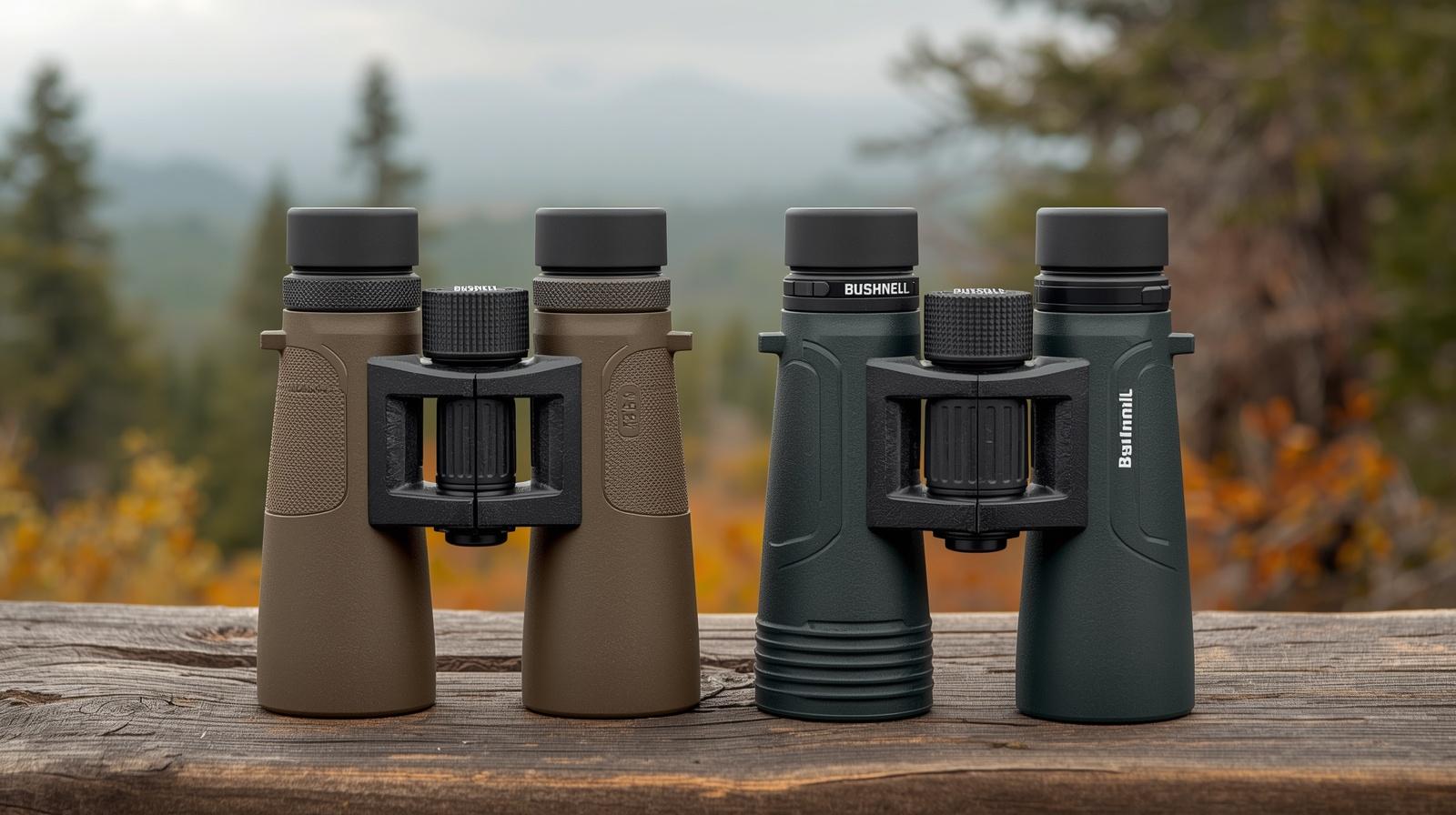
For a deeper decision framework, spend a few minutes with [Bushnell Binoculars Buying Guide]. And if you are torn specifically between image quality tiers, the comparison in [Bushnell HD vs Non-HD Binoculars] can save you from a vague, expensive guess.
Are Bushnell Binoculars Good for the Money?
In many cases, yes.
That is really the central conclusion of this Bushnell Binoculars Review. Bushnell is not the best binocular brand in the world. It is not trying to be. But it is often one of the more rational brands to buy when you want credible optics without entering a price category that feels faintly insulting.
The R3 and R5 lines are where I think Bushnell earns the most trust. Engage EDX is where the brand becomes more interesting for demanding users. Fusion X is a smart specialty product. PowerView 2 is best treated as an entry-level door, not a destination.
So are Bushnell binoculars worth buying? Yes, when the model matches the mission.
That is the phrase I would remember.
Not every Bushnell is a hidden gem. Not every Bushnell deserves your money. But several models are strong, sensible buys in the real world, where people go hunting before sunrise, watch shorebirds in wind, sit in bleachers, hike in drizzle, and do not want to spend luxury-watch money on optics.

If you want the fastest recommendation, here it is:
- Get the R3 if you want value and field readiness
- Get the R5 if you want the best all-around Bushnell for many users
- Get the Engage EDX if you want a more refined viewing experience
- Get the Fusion X if rangefinding is central to your use
- Get the H2O if wet environments define your use case
- Skip the overbuying habit and match the binocular to the job
Final Verdict
Bushnell binoculars are at their best when they are treated as practical tools instead of status objects. The brand’s current lineup covers a lot of ground, from entry-level PowerView 2 models to R3 and R5 hunting-friendly options, Engage EDX mid-tier choices, H2O marine use, Fusion X rangefinding binoculars, and the specialized Match Pro ED 15×56. Bushnell also continues to back binoculars with a lifetime warranty.
My honest take: Bushnell is not the brand I would choose if money were irrelevant. But for actual buyers in the real market, money is usually relevant, annoyingly so, and Bushnell understands that better than a lot of brands do.
That is why the brand remains easy to recommend.

Before you buy, use these supporting guides to narrow your choice the smart way:
- 👉[Best Bushnell Binoculars for Bird Watching]
- 👉[Best Bushnell Magnification for Bird Watching (8x vs 10x)]
- 👉[Bushnell Binoculars for Hunting – Complete Guide]
- 👉[Are Bushnell Binoculars Worth Money?]
- 👉[Bushnell Binoculars Buying Guide]
- 👉[Bushnell HD vs Non-HD Binoculars]
- 👉[Bushnell Binoculars for Beginners]
- 👉[Best Bushnell Binoculars Under $300 (2026 Budget Expert Guide)]
FAQs About Bushnell Binoculars
Are Bushnell binoculars good quality?
Bushnell binoculars range from basic entry-level models to more capable mid-tier and specialty options, so quality depends heavily on the line. In general, the brand is strongest in practical value-oriented optics, especially for hunting and everyday outdoor use.
Which Bushnell binoculars are best for bird watching?
For birding, the more refined options like the Engage EDX line make the most sense because birders tend to notice image quality, comfort, and focus performance more than casual users do. The right magnification still depends on habitat and viewing style.
Are Bushnell binoculars waterproof?
Many Bushnell binoculars are built for wet conditions, and Bushnell specifically describes R3 as IPX7 waterproof and shockproof while also positioning H2O as an active collection for weather-focused use.
What is the best Bushnell binocular for hunting?
For many hunters, the R5 is the best overall value pick because it balances practical field performance with better coatings than true budget models. Fusion X is the better fit when integrated rangefinding is part of the buying decision.
Are Bushnell binoculars covered by a warranty?
Bushnell says binoculars are covered by a lifetime warranty, which adds reassurance for buyers planning to use them in rugged conditions over time.
Is Bushnell better than Nikon?
Not across the board. Nikon is often stronger in optical refinement in many segments, while Bushnell can be more attractive on field utility and value depending on the model. It is a comparison that only makes sense at similar price points.
Which Bushnell binocular magnification is best?
For many users, 8×42 or 10×42 remains the most versatile format. 8x is easier to stabilize and often better in dense habitat, while 10x gives a bit more reach for open country, shorelines, and hunting applications.
Should beginners buy Bushnell binoculars?
Yes, Bushnell is often a sensible beginner brand because the lineup includes accessible options and obvious step-up models. The key is to avoid buying purely on price when a modest jump to a better line would materially improve long-term satisfaction.




