
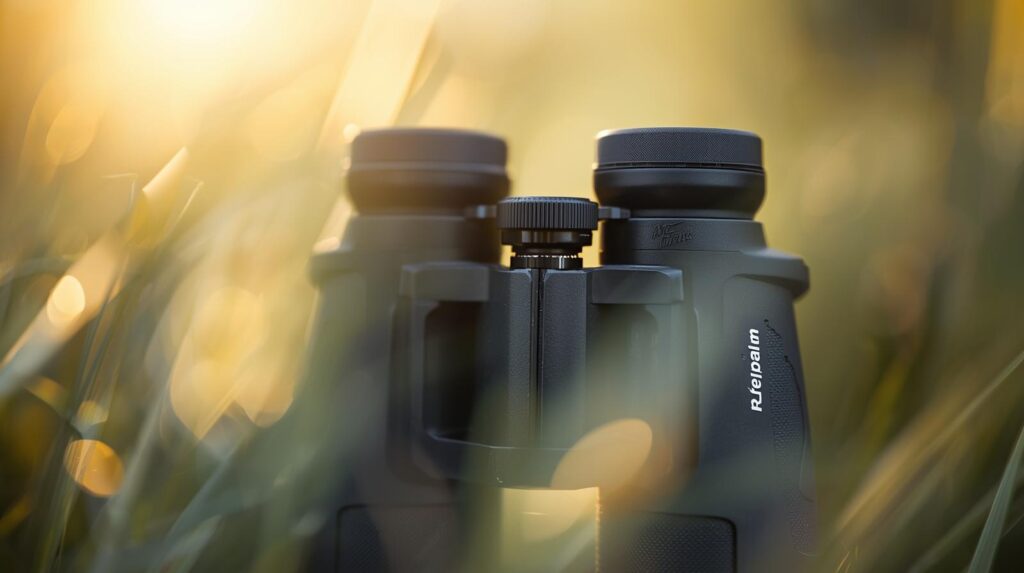
Some wildlife encounters last only a few seconds.
A warbler lands between two branches, a hawk circles above an open field, or a deer steps quietly from the tree line. By the time you locate the subject and adjust your focus, the moment may already be gone.
That is why good binoculars should do more than make distant objects look larger. They should help you find moving subjects quickly, see natural colors clearly, and stay comfortable during long hours outdoors.
The best binoculars for birding and wildlife observation also need to handle different environments. You may spend one morning following birds through a shaded forest and the next evening scanning a distant hillside for elk or deer.
For this kind of mixed use, the Vortex Viper HD 10×42 is our main recommendation. It offers enough magnification for distant wildlife while remaining practical for birding, hiking, wetland visits, and everyday nature observation.
It is not the cheapest binocular available, and it will not suit every type of birder. However, its combination of image quality, durability, close focus, and long-distance detail makes it a strong choice for people who want one dependable pair for several outdoor activities.
What Makes Binoculars Good for Birding and Wildlife?
Birding and wildlife observation have many similarities, but they do not always require the same features.
Birders often need a wide field of view to locate small birds moving between branches. They also benefit from fast focusing, accurate color, and a close-focus distance that works for nearby feeders, butterflies, or insects.
Wildlife observers may spend more time looking across valleys, fields, wetlands, or mountain slopes. They usually value additional magnification, strong contrast, low-light performance, and the option to mount their binoculars on a tripod.
A versatile pair must balance these needs without becoming too heavy, shaky, or difficult to use.
Clear Optics Matter More Than Extreme Power
Higher magnification may sound better, but it comes with compromises.
A 12x or 15x binocular brings distant animals closer, yet it also makes normal hand movement much more visible. The narrower field of view can make birds harder to locate, especially when they are flying or moving through thick vegetation.
For most handheld observation, 8x and 10x binoculars provide a better balance.
A quality 10×42 binocular can show feather markings, antler details, body shape, and subtle movement at useful distances. Poor-quality high-powered binoculars may enlarge the subject but still produce a soft, dull, or unstable image.
Optical resolution, contrast, coatings, and glass quality usually affect real-world detail more than magnification alone.
Fast Focusing Helps You React
Wild animals rarely remain still while you adjust your equipment.
A smooth center focus wheel allows you to move quickly between nearby and distant subjects. This becomes especially important on forest trails, around feeders, or in wetlands where viewing distances change constantly.
The focus wheel should move easily without feeling loose. A wheel that is too stiff may slow you down, while one that turns too freely can shift when the binoculars rub against your clothing or harness.
Natural Color Helps With Identification
Color accuracy matters when you are identifying birds or comparing similar species.
Small differences in gray, brown, olive, yellow, or red can help distinguish one bird from another. Good binoculars should show these colors naturally rather than making the view look overly warm, cold, or washed out.
Strong contrast also helps animals stand out from branches, rocks, grass, and shadows.
High-density or extra-low dispersion glass can reduce color fringing around bright edges. This is particularly useful when viewing dark birds against a bright sky or wildlife near reflective water.
Should You Choose 8×42 or 10×42 Binoculars?
The 8×42 and 10×42 formats are popular because both provide useful brightness without the bulk of larger 50mm binoculars.
The first number represents magnification. The second number represents the diameter of the objective lenses in millimeters.
An 8×42 binocular makes the subject appear eight times closer, while a 10×42 provides ten times magnification.
The better option depends on your habitat, viewing distance, and ability to hold the binoculars steady.
Choose 8×42 for a Wider, Steadier View
An 8×42 binocular is often easier for beginners and woodland birders.
Lower magnification reduces visible hand shake and usually provides a wider field of view. That wider view helps you locate birds quickly and follow them as they move between branches.
An 8×42 is especially practical for:
- Woodland and forest birding
- Backyard feeders
- Parks and nature trails
- Birds in flight
- Nearby mammals
- Long handheld viewing sessions
- Beginners learning to locate subjects
You may lose some long-distance detail compared with 10x binoculars, but the steadier image can make the view feel clearer in everyday use.
Choose 10×42 for More Distant Detail
A 10×42 binocular offers more reach without becoming as large as a 10×50 or 12×50 model.
That additional magnification helps when observing shorebirds, waterfowl, raptors, deer, elk, and other animals that remain far away.
A 10×42 works particularly well for:
- Open fields and grasslands
- Wetlands and large lakes
- Mountain slopes and valleys
- Coastal birding
- Distant raptors
- Wildlife near far tree lines
- Observation from fixed viewpoints
The main tradeoff is a slightly shakier image. The field of view may also feel narrower than it does through an 8×42.
Most users can still handle 10x binoculars comfortably with proper technique. A tripod, railing, tree, or other stable support can make a noticeable difference during longer observations.

Features That Matter When Choosing Wildlife Binoculars
Product descriptions often highlight dozens of technical features. Not all of them affect your viewing experience equally.
The following specifications deserve the most attention.
Field of View
Field of view tells you how much of the landscape you can see through the binoculars.
It is commonly measured in feet at 1,000 yards. A binocular with a 340-foot field of view shows a wider area than one rated at 300 feet.
A wider view helps you locate birds, follow movement, and scan vegetation efficiently. This feature becomes particularly valuable when observing birds in flight or animals that move quickly through cover.
Higher magnification usually creates a narrower field, so compare different models within the same magnification range.
Close-Focus Distance
Close focus refers to the shortest distance at which the binoculars can produce a sharp image.
A short close-focus distance is useful for viewing:
- Feeder birds
- Butterflies
- Dragonflies
- Flowers
- Reptiles
- Amphibians
- Small mammals
- Birds hidden in nearby bushes
People who mainly watch distant wildlife may not prioritize this feature. For birders and general nature observers, however, it adds real versatility.
Low-Light Performance
Many birds and mammals become more active around sunrise and sunset. Forest shade, overcast weather, and cloudy conditions can also reduce the available light.
Larger objective lenses generally gather more light, but objective size is only part of the equation.
Lens coatings, glass quality, prism coatings, and internal design determine how effectively the binoculars transmit that light to your eyes.
A well-made 42mm binocular can provide a brighter and cleaner image than a cheaper model with larger 50mm lenses.
Fully Multi-Coated Optics
Every glass surface can reflect or lose a small amount of light.
Fully multi-coated optics use anti-reflective coatings on multiple air-to-glass surfaces. These coatings improve brightness, contrast, and light transmission.
They also reduce glare when viewing toward bright skies, open water, or strong sunlight.
Eye Relief
Eye relief is the distance between your eye and the eyepiece where you can see the full field of view.
This feature matters most for people who wear glasses.
Binoculars with insufficient eye relief can create dark shadows or cut off the outer edges of the view. Adjustable twist-up eyecups help both glasses and non-glasses users find a comfortable position.
Weight and Balance
Weight becomes increasingly important during long walks or extended viewing sessions.
A heavy binocular may feel stable at first but become tiring after several hours. At the same time, an extremely lightweight model may sacrifice durability or low-light performance.
Balance matters as much as total weight. A well-balanced binocular sits naturally in your hands and requires less effort to keep steady.
A chest harness can also spread the weight across your shoulders and reduce pressure on your neck.
Waterproof and Fogproof Construction
Outdoor binoculars must deal with rain, humidity, dust, changing temperatures, and accidental splashes.
Waterproof seals prevent moisture from entering the body. Nitrogen or argon purging helps reduce internal fogging when temperatures change.
The outer lenses may still fog temporarily, but you can wipe them clean. Internal condensation is much more difficult to resolve.
Tripod Compatibility
A tripod is not essential for casual birding, but it can greatly improve long-distance wildlife observation.
Mounting binoculars removes hand shake and allows you to study distant areas more carefully. Small movements that disappear in a shaky handheld view become easier to detect.
Tripod support is particularly helpful when scanning open hillsides, shorelines, fields, and mountain terrain for extended periods.
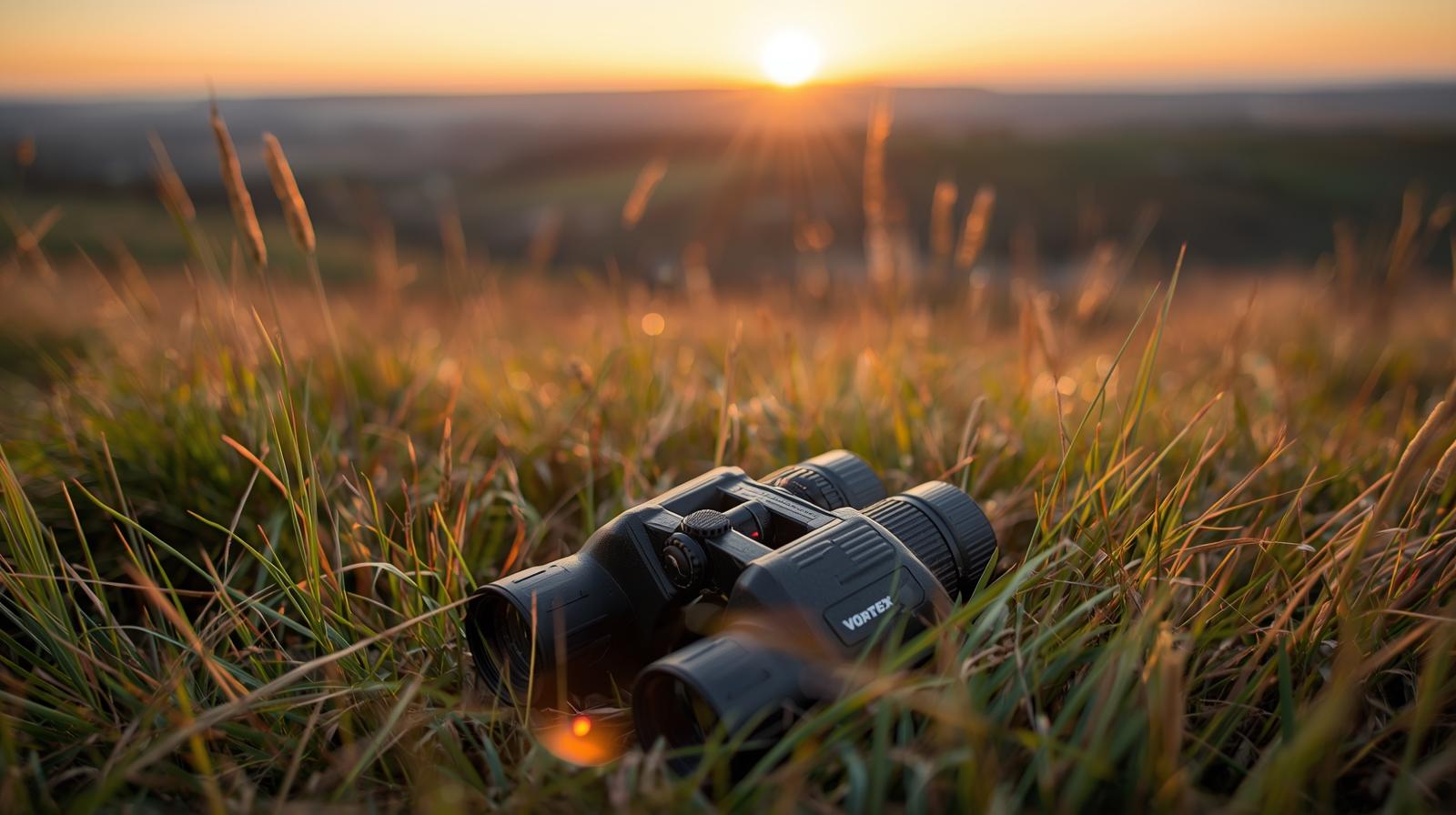
Vortex Viper HD 10×42 Review
The Vortex Viper HD 10×42 sits between budget binoculars and the highest-priced premium models.
It is aimed at users who want a noticeable improvement in optical performance without moving into the most expensive category. Its size and specifications also make it suitable for both bird watching and larger wildlife observation.
Vortex Viper HD 10×42 Specifications
| Feature | Specification |
|---|---|
| Magnification | 10x |
| Objective lens diameter | 42mm |
| Field of view | 341 feet at 1,000 yards |
| Angular field of view | 6.5 degrees |
| Close-focus distance | 6 feet |
| Eye relief | 17mm |
| Weight | 24.9 ounces |
| Height | 5.6 inches |
| Tripod adaptable | Yes |
| Waterproof and fogproof | Yes |
These specifications place the Viper HD in a practical middle ground. It provides more reach than an 8×42 while remaining portable enough for hiking, travel, and all-day wildlife trips.
Image Quality in Real-World Conditions
The Viper HD uses high-density glass and advanced optical coatings to improve clarity, contrast, and color accuracy.
In practical terms, this helps when the subject does not stand against a clean background.
A brown bird may be partly hidden among branches. A deer may be standing inside deep shade. A hawk may appear as a dark shape against a pale sky.
In these situations, contrast matters as much as magnification. The Viper HD does a good job of separating the subject from its surroundings without making colors look unnatural.
Color fringing is also reasonably controlled. Bright edges, such as branches against the sky, appear cleaner than they often do through entry-level binoculars.
The center of the image is sharp and detailed. The outer edges are not perfectly identical to the center, but they remain useful for normal scanning and tracking.
Brightness at Dawn and Dusk
The 42mm objective lenses provide enough light-gathering ability for early-morning and late-afternoon observation.
The Viper HD will not turn darkness into daylight, and no binocular can create light that is not there. However, it holds detail well as the light begins to fade.
This can help you continue watching birds under forest cover or locate larger animals near a tree line shortly before sunset.
Users who observe almost entirely from fixed positions in very low light may prefer a larger 50mm binocular. For hiking and mixed daytime use, the 10×42 format is much easier to carry.
Field of View
The Viper HD 10×42 provides a field of view of 341 feet at 1,000 yards.
That is a useful width for a 10x binocular. You can scan open areas comfortably and follow larger birds in flight with some practice.
It will not feel as spacious as many 8×42 binoculars, especially inside dense woodland. Beginners may need a little time to learn how to bring the binoculars directly onto a small bird.
Once the subject is centered, the additional magnification provides a rewarding level of detail.
Close Focus
A six-foot close-focus distance makes the Viper HD more versatile than many long-range binoculars.
You can use it for nearby feeder birds, insects, flowers, reptiles, and small animals without stepping far away.
This is especially useful on nature trails where one moment may involve a butterfly beside the path and the next involves a hawk circling in the distance.
Comfort and Handling
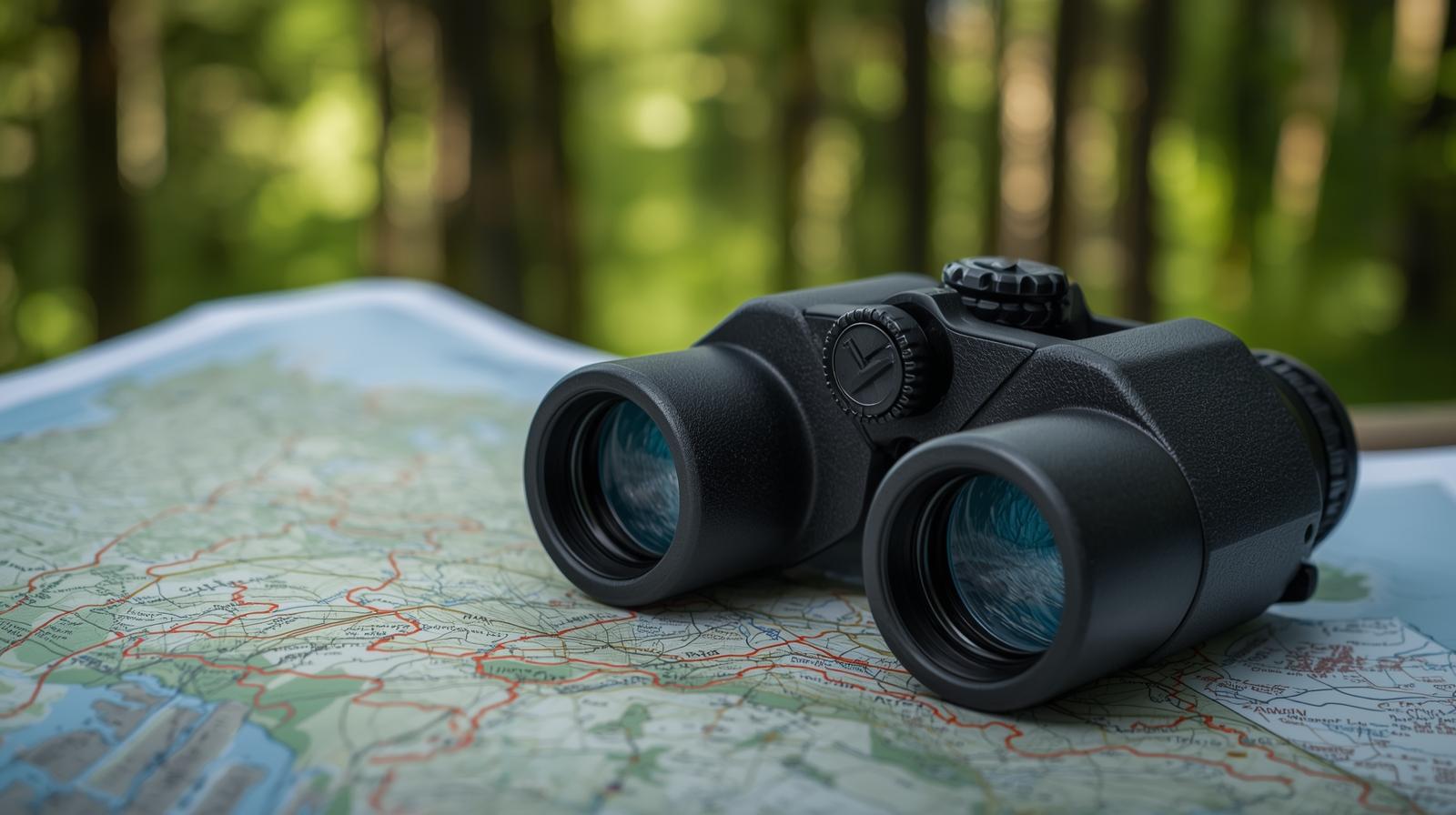
At 24.9 ounces, the Viper HD is not an ultralight binocular. It remains manageable for a full-size 10×42, but you will notice the weight during long walks if you use only a neck strap.
The open-hinge design gives your fingers space to wrap around the barrels. Rubber armor provides a secure grip, even when your hands are cold or slightly wet.
The center focus wheel is easy to reach and allows controlled adjustments. You do not need to move your hand away from the normal viewing position.
The locking diopter is another useful feature. Once adjusted for the difference between your eyes, it is less likely to move accidentally inside a case or harness.
Comfort for Eyeglass Wearers
The Viper HD offers 17mm of eye relief and adjustable twist-up eyecups.
This should provide a comfortable view for many glasses wearers. However, the exact experience can vary depending on your glasses, facial structure, and preferred eye position.
With glasses, lower the eyecups and check whether you can see the full circular field. Without glasses, extend the eyecups until the image remains clear without dark shadows.
Weather Resistance and Durability
The Viper HD is built for regular outdoor use.
Its waterproof seals help protect the internal optics from rain and moisture. Argon purging reduces the chance of internal fogging during sudden temperature changes.
The rubber armor improves grip and provides some protection against everyday bumps. Exterior lens coatings also help resist oil, fingerprints, dirt, and minor scratches.
These features do not mean you should treat the binoculars carelessly. They simply make the Viper HD better suited to wet trails, dusty roads, cold mornings, and unpredictable weather.
Included Accessories
The Viper HD package includes:
- A binocular chest harness
- A neck strap
- An eyepiece rain guard
- Tethered objective lens covers
- A lens cloth
The included harness is one of the more useful accessories. It keeps the binoculars close to your chest, reduces bouncing, and takes pressure off your neck.
Tethered objective caps are also helpful because they remain attached while you are viewing. Loose caps are easy to misplace in grass, brush, or the bottom of a backpack.
Vortex Viper HD 10×42 Pros
- Detailed view at medium and long distances
- Natural color and strong contrast
- Good control of color fringing
- Useful field of view for a 10x binocular
- Six-foot close focus
- Waterproof and fogproof body
- Comfortable open-hinge design
- Locking diopter
- Tripod compatibility
- Chest harness included
- Suitable for both birds and larger wildlife
Vortex Viper HD 10×42 Cons
- Costs more than entry-level binoculars
- Shows more hand movement than an 8×42
- Heavier than compact travel binoculars
- Field of view may feel narrow in dense woodland
- Ten-power magnification may not suit users with unsteady hands
Who Should Buy the Viper HD 10×42?
This binocular makes sense for people who regularly observe subjects at different distances.
It is particularly suitable for:
- Birders who also watch deer, elk, or other mammals
- Wildlife observers who scan open terrain
- Travelers visiting wetlands, forests, or national parks
- Users upgrading from budget binoculars
- People who occasionally use a tripod
- Buyers who prefer one versatile pair instead of several specialized models
Who May Prefer a Different Binocular?
The Viper HD 10×42 may not be ideal when:
- Most of your birding takes place in dense woodland
- You find 10x binoculars difficult to hold steady
- You want the lightest possible travel binocular
- You mainly observe feeders at short distances
- Your budget is limited
- A very wide field of view matters more than long-distance detail
An 8×42 binocular may feel more natural in those situations.
Choosing Binoculars for Your Viewing Environment
Where you observe wildlife should influence your buying decision.
Forests and Woodland Trails
Woodland birding often involves close subjects, limited light, and fast movement.
A wide field of view helps you find birds between branches. Fast focusing lets you move between different distances without losing the subject.
An 8×42 is generally easier in this environment, although the Viper HD 10×42 remains useful for experienced users who also want more reach outside the forest.
Wetlands and Lakes
Wetlands may include birds at several different distances.
You could see ducks near a boardwalk, herons across the water, and raptors circling far above the shoreline. A 10×42 binocular provides enough reach to study distant birds without carrying a spotting scope everywhere.
Waterproof construction is also valuable around mist, mud, rain, and high humidity.
Mountains and Open Country
Open landscapes favor additional magnification.
A 10×42 binocular helps you study distant slopes, ridgelines, meadows, and tree lines. It can reveal small movements that are difficult to see with the unaided eye.
For longer sessions, mount the binoculars on a tripod. A stable image often reveals more detail than simply increasing magnification.
Backyard Birding
Backyard observation places more emphasis on close focus, eye comfort, and accurate color.
The Viper HD’s six-foot close focus works well for birds near feeders, fences, bushes, and garden trees.
Ten-power magnification may be unnecessary in a very small yard, but it becomes useful when looking toward distant trees, rooftops, or open areas.
Travel and Nature Walks
Binoculars are only useful when you are willing to carry them.
A compact model may be easier to pack, but a 42mm binocular usually provides a brighter and more comfortable view. The included harness makes the Viper HD more practical for walking than its weight might suggest.
For more comparisons across different sizes, price ranges, and outdoor activities, visit our complete collection of binocular buying guides.
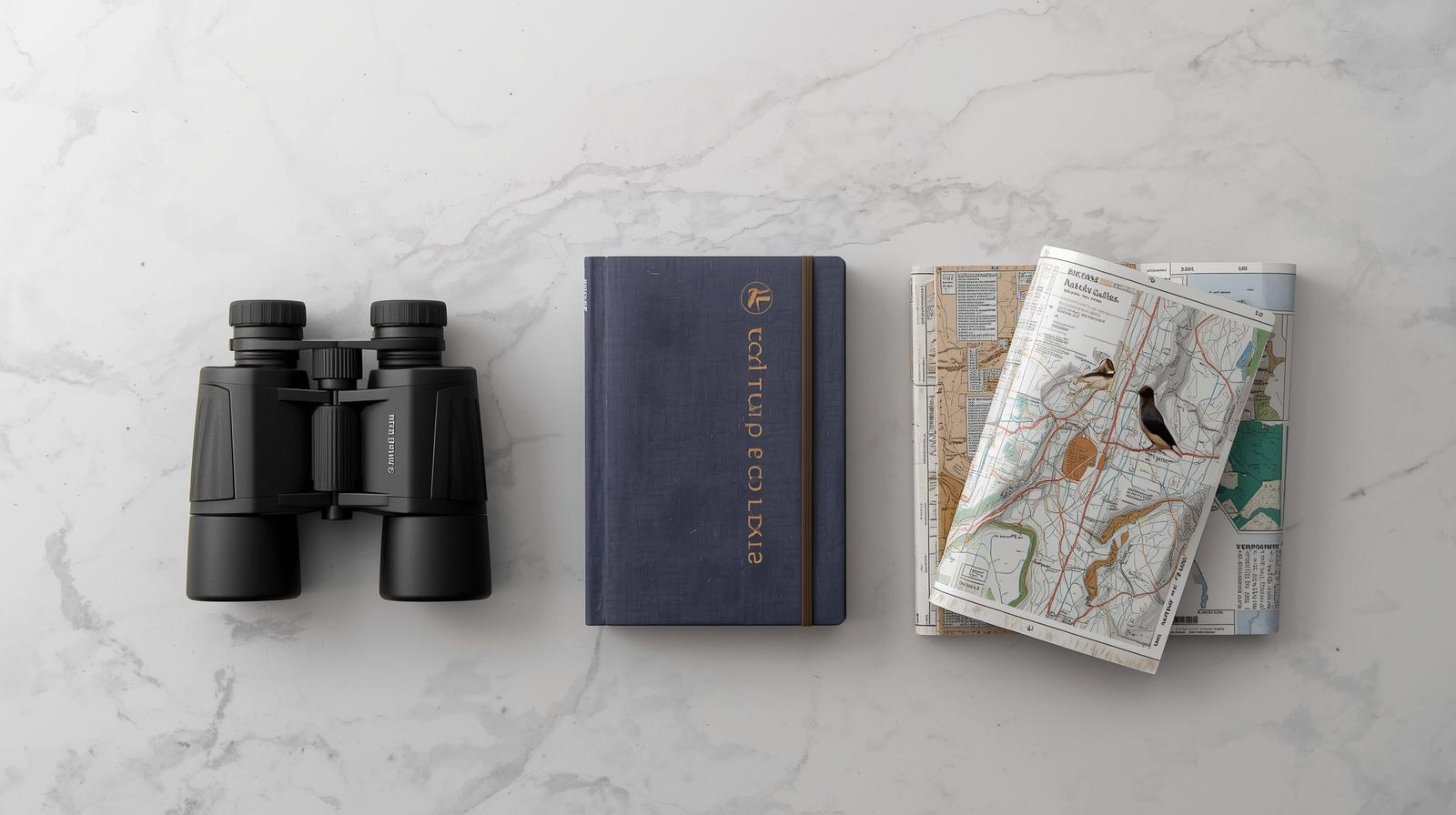
How to Adjust Binoculars for a Clear View
Even expensive binoculars can look disappointing when they are not adjusted for your eyes.
A proper setup takes only a few minutes.
Set the Hinge Width
Move the two barrels inward or outward until the separate circles merge into one complete image.
You should not see two overlapping circles or large dark areas around the view.
Adjust the Eyecups
Extend the eyecups when viewing without glasses.
Lower them when wearing glasses. Some users may prefer an intermediate position, depending on eye relief and facial structure.
Set the Diopter
Choose a stationary subject with clear detail.
Cover the right objective lens or close your right eye. Use the center focus wheel to sharpen the image for your left eye.
Next, cover the left objective or close your left eye. Adjust the diopter ring for the right eye without moving the center focus wheel.
Once both sides look equally sharp, leave the diopter in that position. Use only the center focus wheel during normal viewing.
Improve Handheld Stability
Hold the binoculars with both hands and keep your elbows closer to your body.
You can also lean against a tree, rest your elbows on a railing, or sit with your arms supported on your knees.
When scanning a distant landscape for several minutes, a tripod or window mount can make the view noticeably clearer.
Use a Comfortable Carrying System
A neck strap works for brief outings, but a harness is more comfortable during longer walks.
A harness spreads the weight across your shoulders and keeps the binoculars from bouncing against your chest.
You can learn about other activities and practical optical setups in our guide to the uses of binoculars.
Common Mistakes to Avoid When Buying Binoculars
Buying More Magnification Than You Can Hold
Higher magnification is not always useful.
A shaky 12x image may show less practical detail than a stable 8x or 10x view. Think about how often you will use a tripod before choosing powerful binoculars.
Ignoring Field of View
Some buyers focus entirely on magnification and lens size.
A narrow field can make birds difficult to locate and moving animals harder to follow. Compare field-of-view specifications before making your decision.
Choosing Compact Binoculars Only Because They Are Light
Compact binoculars are convenient for travel, but their smaller lenses generally perform less effectively in shade and low light.
A full-size 42mm model is often more comfortable for longer viewing sessions and early-morning wildlife activity.
Focusing Only on Price
The least expensive binocular may have stiff focusing, poor coatings, weak alignment, or uncomfortable eyecups.
At the same time, you do not need the most expensive model on the market.
Look for the best balance of optical quality, comfort, durability, and features within your budget.
Forgetting About Eye Relief
This mistake is especially common among glasses wearers.
Without enough eye relief, you may lose part of the field of view. Check this specification carefully and choose adjustable eyecups.
Assuming One Size Suits Every Activity
A woodland birder and an open-country wildlife observer do not always need the same binocular.
Choose based on your most common environment rather than selecting a model because it has the highest numbers.
How to Care for Birding and Wildlife Binoculars
Basic maintenance protects image quality and extends the life of your binoculars.
Remove loose dust with a lens brush or air blower before wiping the glass. Rubbing grit across the lens can leave fine scratches.
Use a clean microfiber cloth and a lens-cleaning solution designed for optical equipment. Avoid paper towels, clothing, tissues, and household glass cleaner.
If the binoculars become wet, allow them to dry at room temperature before placing them inside a closed case.
Store them in a cool, dry location away from direct heat. Avoid leaving binoculars inside a hot vehicle for extended periods.
Check the strap attachments, objective caps, eyepiece cover, and tripod socket occasionally. A loose strap connection can cause serious damage if the binoculars fall.

Final Verdict
The best binoculars for birding and wildlife observation should make outdoor viewing feel easier, not more complicated.
For users who want one dependable pair for birds, mammals, wetlands, forests, and open terrain, the Vortex Viper HD 10×42 provides a strong balance of performance and portability.
Its 10x magnification offers useful reach for distant animals. The 42mm objective lenses remain manageable for hiking and everyday field use. A 341-foot field of view provides enough space for general scanning, while the six-foot close focus supports nearby nature observation.
The binoculars also include weather protection, tripod compatibility, comfortable handling, and a practical chest harness.
An 8×42 will still be a better choice for some people. It offers a steadier image and often feels more natural inside dense woodland.
However, the Viper HD 10×42 becomes especially appealing when your interests include distant birds, waterfowl, deer, elk, and other wildlife.
Choose binoculars that match your real viewing habits. The right pair should feel natural in your hands and keep your attention on the scene rather than the equipment.
Bring the Wild Closer with the Best Binoculars
👉Don’t miss another moment of magic. Choose the Best binoculars for birding and wildlife observation and experience the wild with depth and clarity.
FAQs About the Best Binoculars for Birding and Wildlife Observation
What binocular size is best for birding and wildlife observation?
An 8×42 or 10×42 binocular is best for most users. Choose 8×42 for a wider, steadier view. Choose 10×42 when you regularly observe birds and wildlife at longer distances.
Are 10×42 binoculars too powerful for bird watching?
No. A 10×42 binocular works well for bird watching in wetlands, open fields, coastal areas, and other locations where subjects remain distant. It may feel less steady than an 8×42.
Is the Vortex Viper HD 10×42 good for birding?
Yes. It offers detailed optics, a useful field of view, close focusing, weather resistance, and enough magnification for distant birds. Woodland beginners may find an 8×42 easier to use.
What magnification is best for wildlife viewing?
Ten-power magnification is a practical choice for deer, elk, waterfowl, and animals across open terrain. Eight-power binoculars are usually better for closer subjects and dense environments.
Do I need HD or ED glass for birding?
You do not absolutely need HD or ED glass, but it can improve clarity and reduce color fringing. This helps when viewing feathers, branches, antlers, and subjects against bright backgrounds.
Are 42mm binoculars good in low light?
Yes. Quality 42mm binoculars provide a useful balance of brightness, weight, and portability. Optical coatings and glass quality also influence low-light performance.
Should I mount 10×42 binoculars on a tripod?
You can use 10×42 binoculars handheld, but a tripod helps during long viewing sessions. It reduces hand shake and makes subtle movement easier to detect at longer distances.
Are waterproof binoculars necessary for birding?
Waterproofing is strongly recommended for regular outdoor use. It protects the internal optics during rain, mist, humidity, and sudden weather changes.
Can one pair of binoculars work for birds and larger wildlife?
Yes. A versatile 10×42 binocular can work for birds, deer, elk, waterfowl, and general nature observation. The main tradeoff is a narrower and slightly shakier view than an 8×42.
What should I check before buying binoculars online?
Check the magnification, objective lens size, field of view, close focus, eye relief, weight, weather resistance, tripod compatibility, warranty, included accessories, and return policy.




