
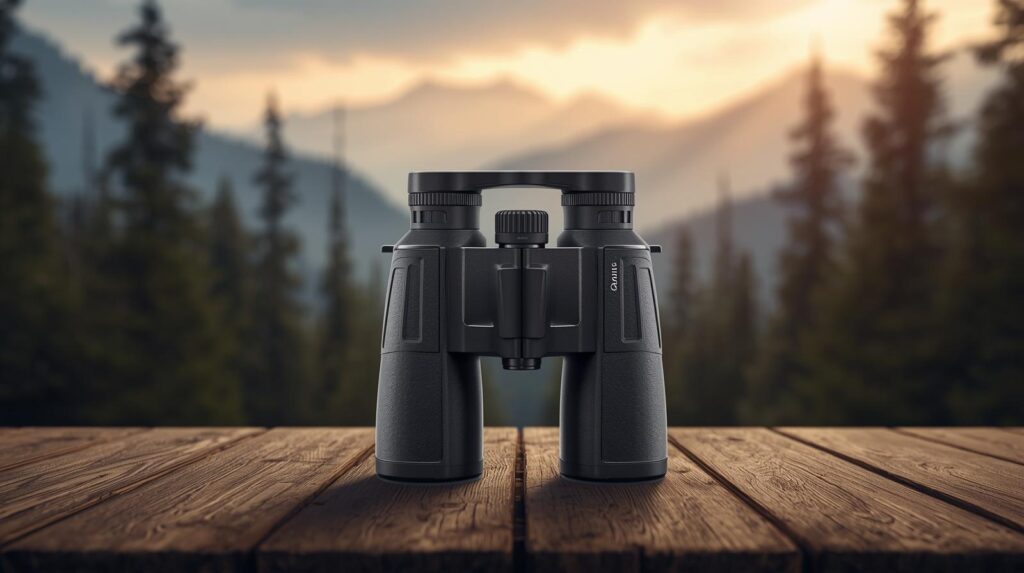
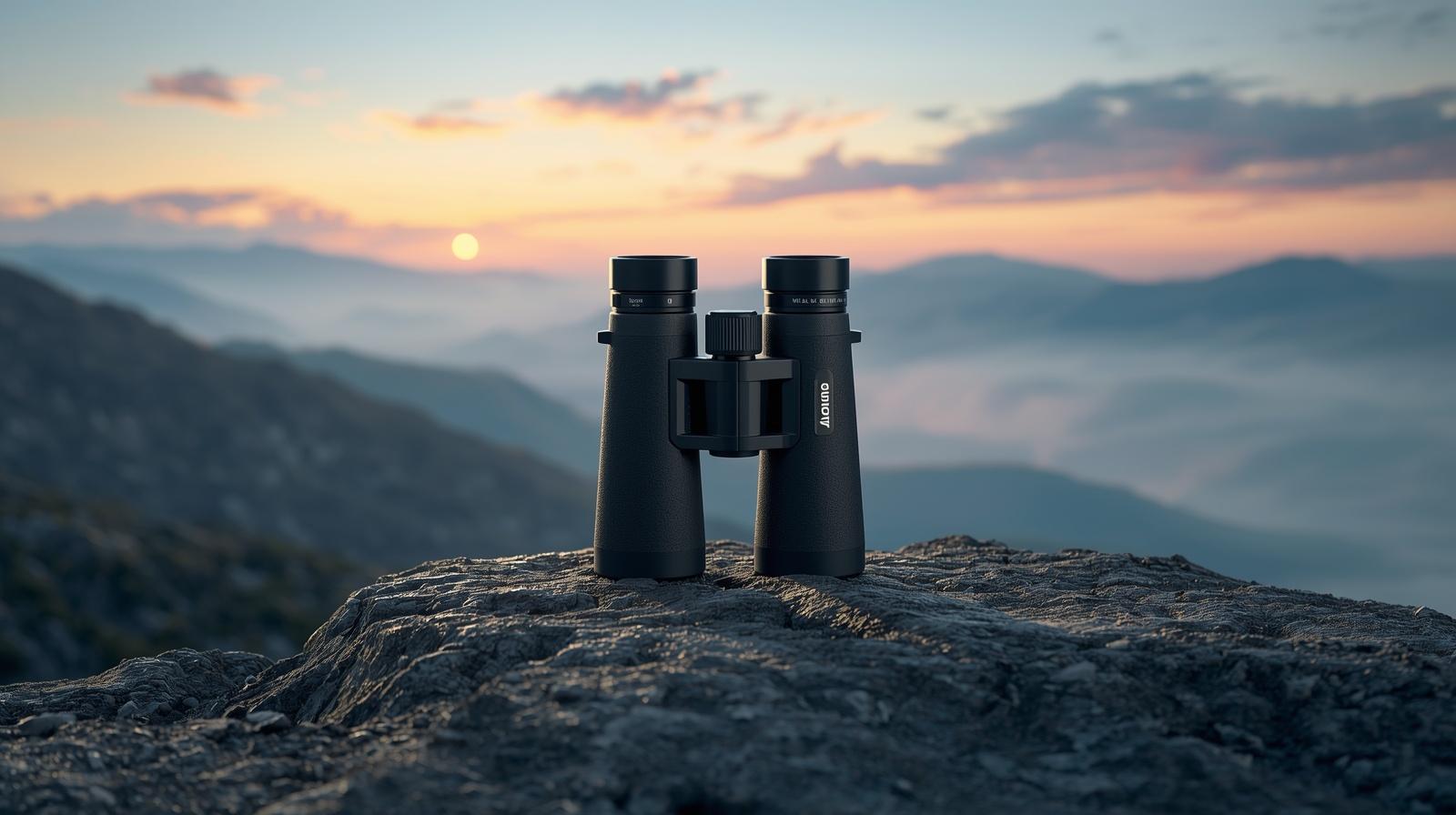
The best 10×42 roof prism binoculars help you see distant details without making every outing feel like you have packed specialist equipment. They offer useful magnification for open fields, coastlines, and hillsides, while remaining a manageable size for everyday outdoor use.
Still, buying a 10×42 is not as simple as choosing a familiar brand. Some models feel comfortable immediately. Others leave you adjusting the eyecups, chasing focus, or struggling to keep the image steady.
The right pair should suit the way you actually spend time outdoors. That might mean watching across a reservoir, studying a distant ridgeline, or picking out architectural details during a trip.
If you are still exploring different sizes, browse our roof prism binocular articles and comparisons. If 10×42 already sounds like your preferred format, here is what deserves your attention before buying.
Why Choose 10×42 Roof Prism Binoculars?
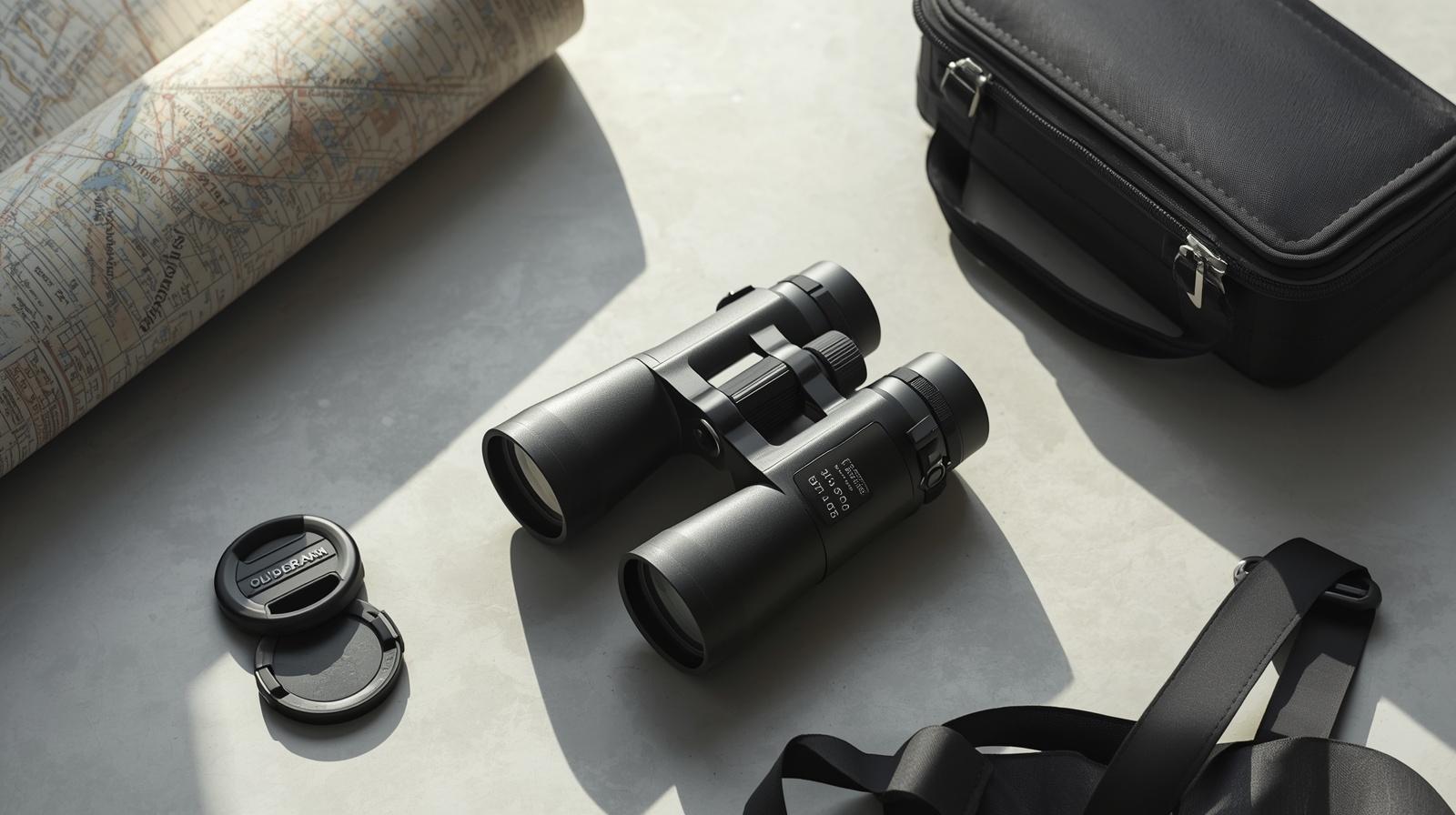
The numbers tell you the magnification and the diameter of the front lenses: 10x magnification and 42mm objectives.
At 10x, distant subjects appear larger, making small details easier to examine when you can hold the image steady. The 42mm objectives provide a practical balance between light gathering and physical size.
The roof prism layout contributes to the relatively slim body found on many models. That shape is convenient when packing a day bag or carrying binoculars against your chest.
But there is a compromise.
Magnification enlarges hand movement along with the subject. A distant sign may look bigger through 10x binoculars, yet be harder to read if the image keeps moving.
That is why this format works especially well when you have time to pause, settle your grip, and study the view. It can be less comfortable when you are constantly following nearby movement.
Should You Choose 10×42 or 8×42?
Picture your usual viewing spot.
If you are standing beside an open lake, looking across farmland, or scanning a distant slope, the extra magnification of a 10×42 can be useful. Subjects are often far enough away that you want a closer look.
In dense woodland, the priorities change. Finding a small subject among branches can matter more than enlarging it. An 8×42 often provides a wider field and makes hand movement less distracting.
Neither size is reserved for beginners or experienced users. Plenty of experienced observers prefer 8x because it suits their surroundings.
If you mostly watch at close to medium distances, compare the best 8×42 roof prism binoculars before deciding that more magnification will improve your experience.
10×42 vs 8×42 at a Glance
| Feature | 10×42 Roof Prism Binoculars | 8×42 Roof Prism Binoculars |
|---|---|---|
| Main advantage | Greater image magnification | Steadier handheld view |
| Particularly useful for | Distant subjects in open areas | Woodland and general scanning |
| Hand movement | More noticeable | Less noticeable |
| Field of view | Often narrower | Often wider |
| Exit pupil | 4.2mm | 5.25mm |
| Following nearby movement | Can take more precise handling | Often easier |
| Best reason to choose it | You regularly need distant detail | Viewing ease matters more than extra reach |
Field of view varies between individual models, so compare the figures rather than relying entirely on magnification.
If you have a firm spending limit, our best budget roof prism binoculars article can help you build a shortlist around the features you need.
What Matters Most When Comparing 10×42 Binoculars?
A specification sheet can narrow your options. It cannot tell you whether a binocular feels right after several minutes of viewing.
Pay attention to the following details.
A clear image without constant adjustment
Once you have set the binoculars correctly, finding sharp focus should feel straightforward.
Compare models using the same target. A distant sign, textured roof, or tree trunk gives you detail to examine without the subject moving away.
Look beyond whether you can make out the object. Notice whether its edges appear well defined and whether you keep turning the focus wheel in search of a sharper image.
If a binocular causes persistent discomfort or eyestrain, check the setup and fit. Do not assume you need to tolerate it.
Enough field of view to find your subject
Extra magnification is less useful if you cannot locate what you want to see.
A generous field of view helps you search a hillside or follow movement along a shoreline. A narrow view can leave you repeatedly lowering the binoculars to find your bearings.
Compare field-of-view measurements in the same units. Then check whether you can comfortably see the whole image, particularly if you wear glasses.
Eye relief that suits your glasses
Glasses hold your eyes farther from the eyepieces. That makes usable eye relief an important part of the fit.
Published measurements are helpful, but eyecup shape and your frames also affect the result. Trying the binoculars with your own glasses is more useful than relying on a “glasses-friendly” label.
You should not need to press your frames firmly against the eyecups to see the edges of the view.
A focus wheel that responds predictably
A stiff wheel makes small adjustments awkward. A very loose one can make it easy to overshoot focus.
Try moving between nearby and distant objects. Does the wheel respond smoothly? Can you operate it without changing your grip?
If you use binoculars in winter, check whether the wheel is manageable with gloves.
Balance in your hands
Two binoculars with similar weights can feel different because of their shape and balance.
Check where your fingers naturally rest and whether you can reach the focus wheel comfortably. A body that feels slightly awkward in a shop is unlikely to become more comfortable halfway through a long walk.
One Model to Consider: Vortex Diamondback HD 10×42
The Vortex Diamondback HD 10×42 is one option to compare when putting together a general-purpose shortlist.
The format suits open-area viewing, scouting, and travel where you regularly want more distant detail. Whether this particular model is the right purchase depends on its fit, the current price, and how it compares with alternatives available to you.
Start with a simple handling check. Find a subject, focus, lower the binoculars, and raise them again.
Can you return to a comfortable view immediately? Or do you keep shifting the eyepieces and adjusting your grip?
That small exercise can tell you a lot about how easily a binocular will fit into regular use.
Potential Advantages
| Feature | Practical benefit |
|---|---|
| 10x magnification | Useful for examining distant subjects |
| 42mm objective size | A manageable format for general outdoor viewing |
| Roof prism layout | Convenient for carrying and packing |
| Full-size viewing format | Worth comparing for regular outdoor use |
What to Check Before Buying
| Possible limitation | Buying check |
|---|---|
| Hand movement at 10x | Hold the binoculars on a distant target for more than a few seconds |
| Fit with glasses | Confirm that you can see the full field comfortably |
| Carrying weight | Consider the binoculars together with their strap or harness |
| Viewing preferences | Compare the image directly with another suitable model |
There is no need to rush this decision because a model appears on a recommendation list. Buy the binoculars you find comfortable, at a price that makes sense for how often you will use them.
Where 10×42 Roof Prism Binoculars Work Well
Open-area birdwatching 🧭
Wetlands, reservoirs, coastlines, and large fields are good settings for 10×42 binoculars. Subjects are often distant enough for the extra magnification to help.
Find the subject with your eyes first. Keep looking toward it as you raise the binoculars, then adjust focus.
That usually works better than lifting the binoculars and sweeping around until you happen to find the right spot.
For nearby movement in thick vegetation, a lower-powered model may still be easier.
Hunting and scouting 🌄
In open terrain, 10×42 can offer useful reach without the bulk of larger binoculars.
The right choice depends on how you observe. Walking long distances puts more emphasis on weight and carrying comfort. Watching from a fixed position makes support options and prolonged viewing comfort more important.
Our best roof prism binoculars for hunting article can help you compare those priorities against the terrain you usually cover.
A harness can distribute carrying weight more comfortably. For a steadier image while viewing, brace your elbows or use a compatible support. Carrying comfort and image stability are separate considerations.
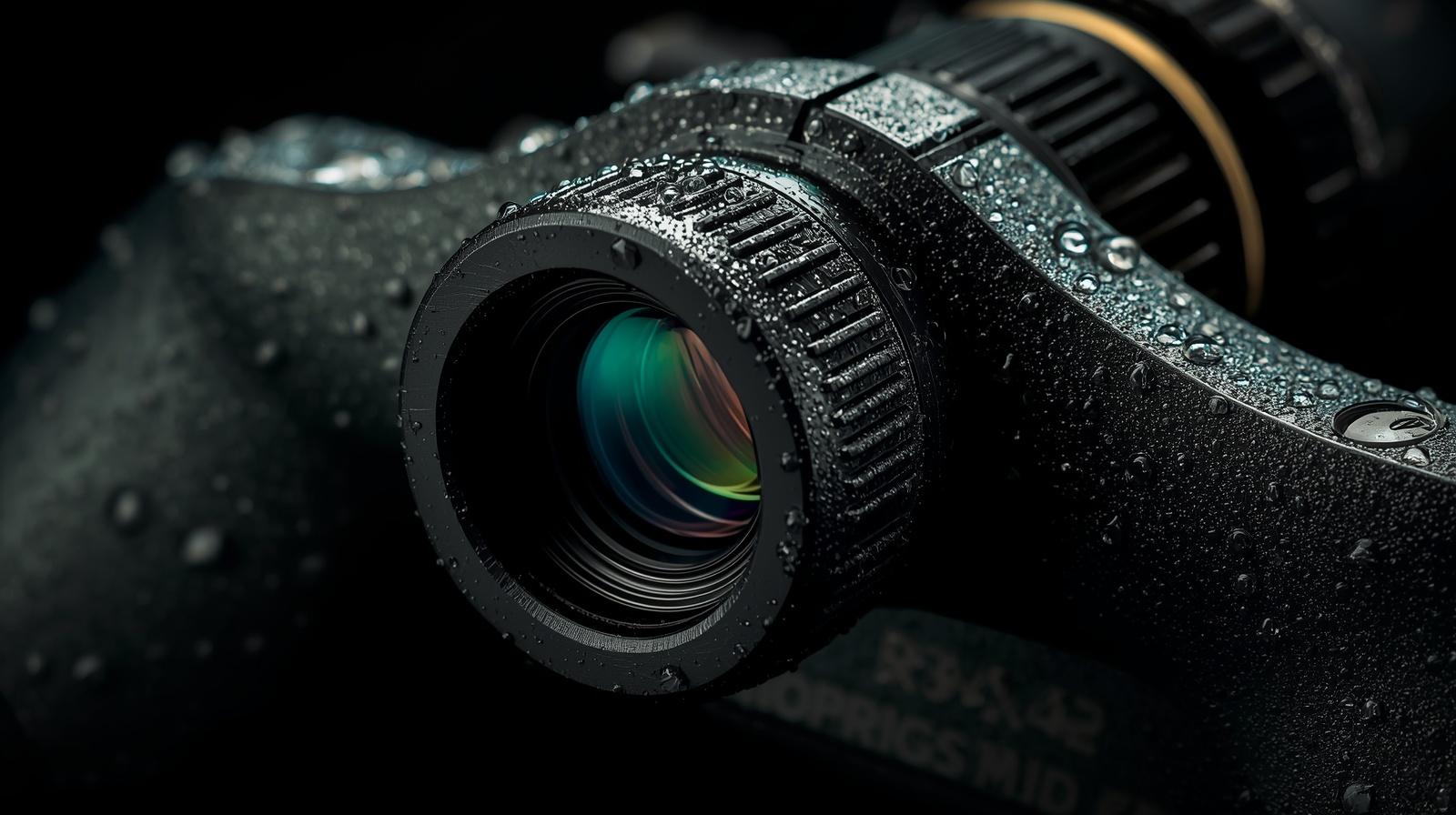
If rain, wet terrain, or boat spray are regular parts of your outings, compare the best waterproof roof prism binoculars. Check each model’s stated protection rather than assuming the body shape guarantees it.
Travel and sightseeing 🎒
A 10×42 can make mountain viewpoints, distant buildings, and coastal scenery more rewarding.
The question is whether you will carry it.
Full-size binoculars take up more space than a compact pair. If they spend the day at the bottom of your bag because they are inconvenient to reach, their optical advantages become less useful.
Think about where they will sit in your travel setup. Easy access often matters more than expected.
Sports and outdoor events
From distant seats, 10x can help you study individual activity. Following action across a large playing area may be harder because you see a smaller portion of it at once.
For closer seating, lower magnification can feel more comfortable.
Choose around your viewing distance and whether you prefer watching individual details or following the overall action.
Features Worth Paying For
Fully multi-coated lenses
Anti-reflection coatings help reduce light loss through the optical system.
Look for clear manufacturer information, but remember that a coating label does not tell the entire story. Contrast, glare control, and overall optical quality still vary between models.
Phase correction
Phase-correction coatings help roof prism binoculars preserve contrast and resolution.
If the specification is unclear, check the manufacturer’s documentation. The colour reflected by a lens does not reliably tell you how well the binocular will perform.
Appropriate weather protection
For regular outdoor use, documented waterproofing and internal fog resistance are valuable.
Keep the terminology straight. Internal fog resistance does not prevent condensation on exposed lenses. Even sealed binoculars can develop exterior fog when cold glass meets warm, humid air.
Weather protection also does not remove the need for sensible care and dry storage.
Reliable eyecups and grip
Eyecups should hold their position during ordinary use. If they collapse or shift unexpectedly, your viewing position becomes inconsistent.
Grip matters too. Check whether the body feels secure without requiring you to squeeze it tightly.
These small details can make a bigger difference to everyday comfort than a minor specification advantage.
Common Buying Mistakes
Choosing magnification before considering steadiness
More magnification enlarges detail, but it also enlarges movement.
If the image will not settle, you may see less useful detail than you would through a steadier, lower-powered binocular. Choose a magnification you can handle comfortably under your usual conditions.
Ignoring the complete carrying setup
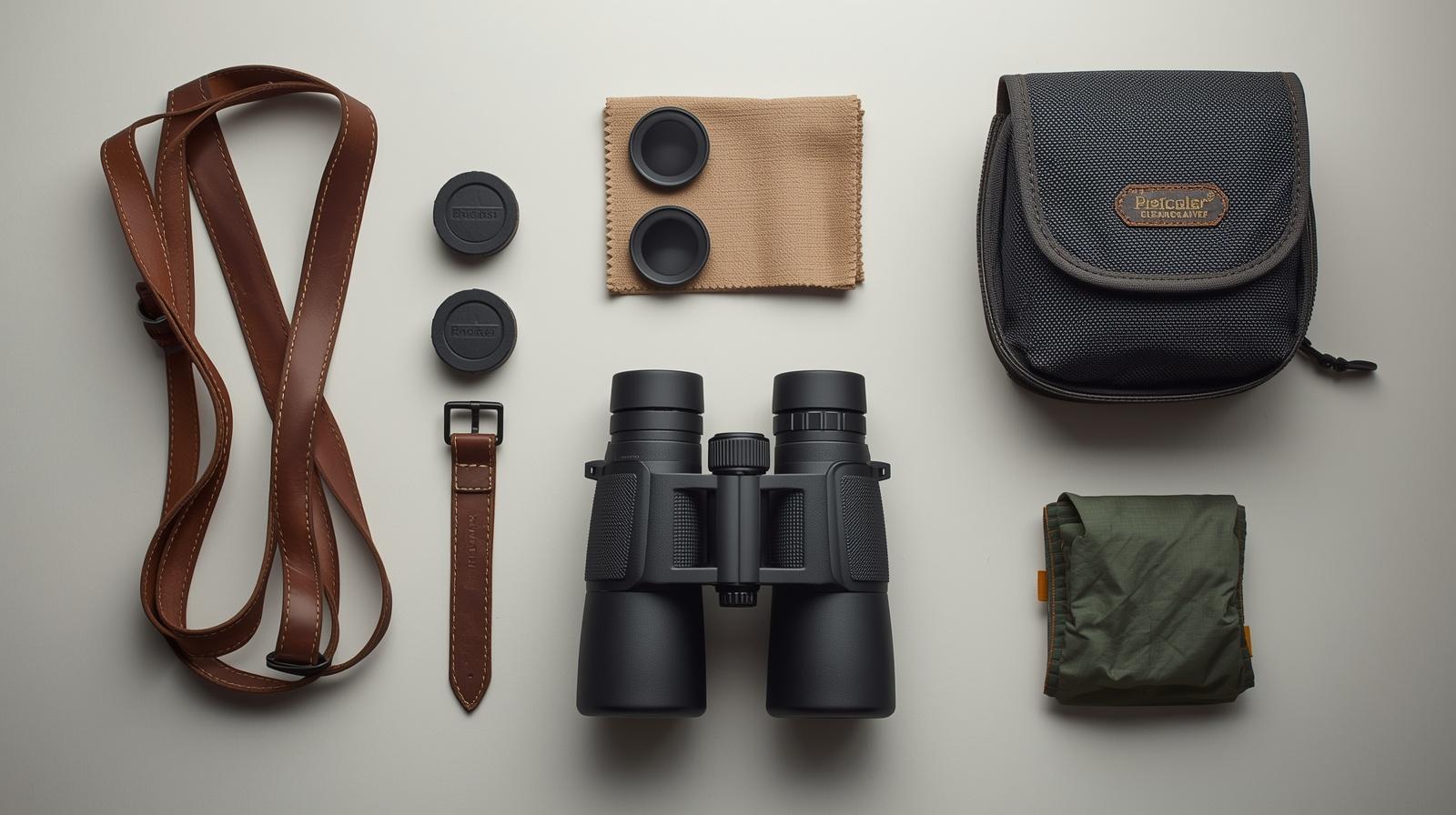
The binoculars are only part of what you carry. Straps, cases, and harnesses add weight and affect accessibility.
Think about how the setup will feel after a long walk, not just during a brief demonstration.
Assuming every 10×42 performs similarly at dusk
The numbers describe magnification and objective diameter. They do not guarantee a particular level of contrast or light transmission.
Coatings, optical design, and your own eyes influence low-light viewing. If dusk performance matters, compare suitable models under similar conditions whenever possible.
Buying by brand alone
A familiar name is a starting point, not a fit check.
Look at the individual model’s eye relief, handling, field of view, warranty terms, and service arrangements. A respected brand cannot tell you whether a particular binocular suits your glasses or hands.
Overlooking lens covers and straps
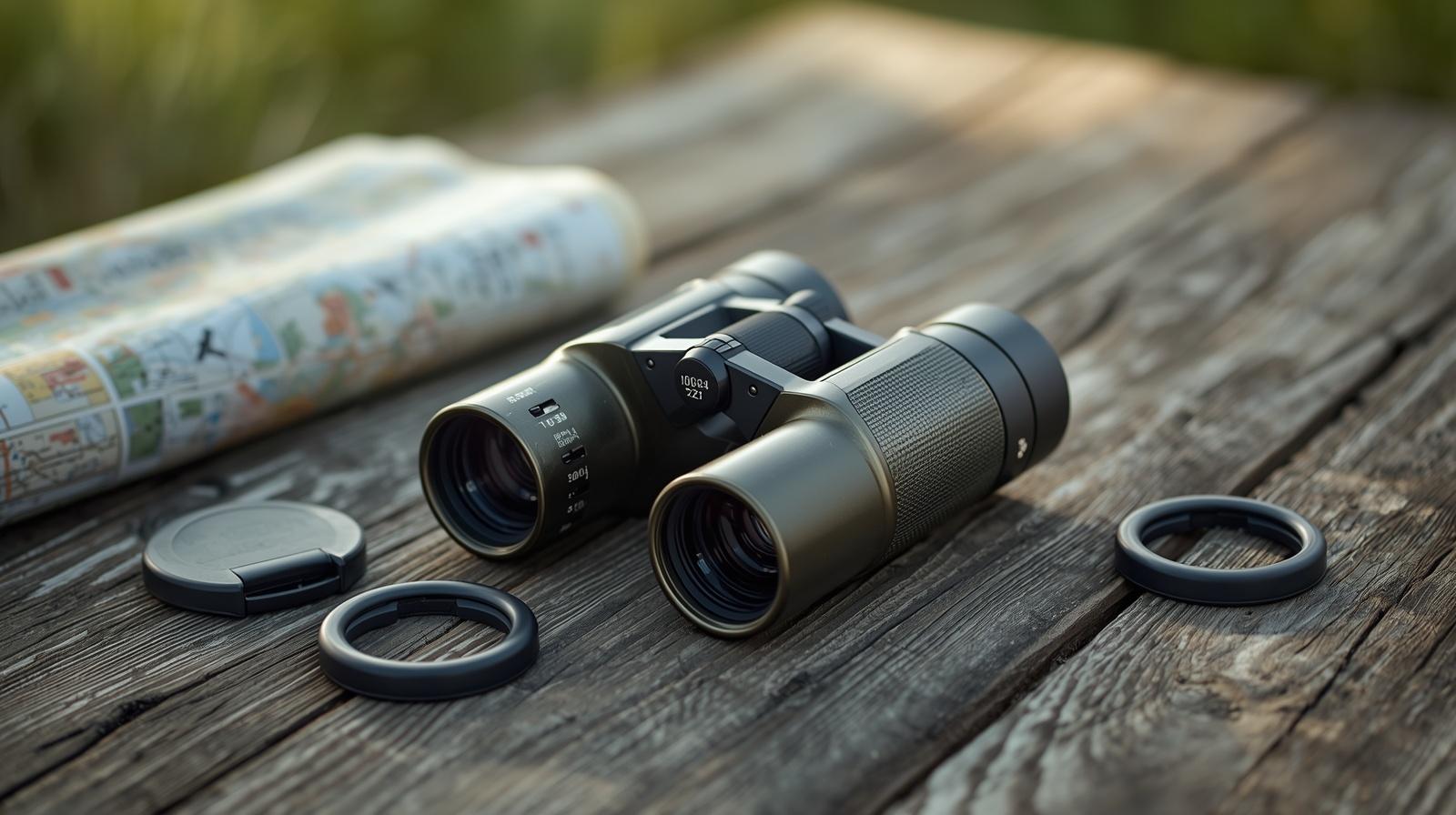
Loose covers are easy to lose. An uncomfortable strap can discourage you from carrying the binoculars.
Check those details before buying additional accessories. You may find the included setup works well, or discover that carrying comfort needs part of your budget.
How to Choose the Right Pair for Your Outings
Start with the activity you do most often.
It is easy to shop for a hypothetical trip and overlook the conditions you face every weekend. A binocular that suits your regular use is more likely to earn its place in your bag.
| Your main use | Prioritize |
|---|---|
| Open-area wildlife viewing | Contrast, field of view, and steady handling |
| Hunting and scouting | Weather protection, carrying comfort, and distant detail |
| Travel | Manageable size, weight, and easy access |
| Viewing with glasses | Usable eye relief and comfortable eyecups |
| Long observations from one position | Comfortable fit and support compatibility |
| Mixed woodland and open-country viewing | A direct comparison between 8×42 and 10×42 |
Where possible, spend several minutes with a shortlisted model.
Notice whether you find the view immediately, focus without shifting your hands, and remain comfortable after repeated use. Those answers are often more useful than a small difference on a specification sheet.
For more practical buying and maintenance advice, visit our binocular Blog Tips page. You can also explore BestBinocular.net for comparisons covering other sizes and outdoor uses.
Are 10×42 Roof Prism Binoculars Right for You?
Choose a 10×42 if you regularly view distant subjects and can hold the image comfortably.
The format is particularly useful in open environments, where extra magnification helps you study details across ground or water. It may be less suitable if most subjects are nearby, hand movement is distracting, or packing space is your main concern.
The best 10×42 roof prism binoculars should make viewing feel straightforward. You should spend your time studying the subject, rather than adjusting the equipment.
FAQs About the Best 10×42 Roof Prism Binoculars
Are 10×42 roof prism binoculars good for birdwatching?
Yes. They are particularly useful in open areas such as wetlands, fields, coastlines, and lakes. The extra magnification helps with distant subjects. For dense woodland or nearby movement, an 8×42 may be easier to use.
Are 10×42 binoculars too shaky?
That depends on your steadiness and viewing conditions. They show more hand movement than comparable 8x binoculars. Bracing your elbows or using a compatible support can help during longer observations.
Which is better: 10×42 or 10×50?
A 10×50 has larger objectives and a larger exit pupil, which can benefit low-light viewing when other factors are comparable. It is generally larger and heavier. A 10×42 is often more convenient to carry, while a 10×50 may suit someone who accepts extra bulk for potential low-light benefits.
Are roof prism binoculars better than Porro prism binoculars?
Neither design is automatically better. Roof prism models often have a slim, convenient shape. Porro prism binoculars can offer strong optical value but may be bulkier. Compare the individual model’s performance, construction, and fit.
Are 10×42 binoculars suitable for glasses wearers?
They can be, provided the usable eye relief and eyecup design suit your glasses. Try them with your own frames and check that you can see the full field without pressing uncomfortably against the eyepieces.
Do waterproof binoculars prevent all fogging?
No. Waterproofing concerns water entering the instrument, while fogproof construction generally addresses internal condensation. Exposed lens surfaces can still fog when conditions change.
What should I prioritize when buying 10×42 roof prism binoculars?
Prioritize comfortable viewing, suitable eye relief, controllable focusing, useful field of view, and weather protection for your outings. Choose a pair that fits your hands and viewing habits as well as your budget.




