
Porro vs Roof Prism Binoculars: Why They Feel So Different in Real Use
Choosing between porro prism vs roof prism binoculars sounds technical at first, but in the field it becomes very practical very quickly.
You notice it when you are standing at the edge of a lake trying to follow a moving bird. You notice it when you are glassing a hillside at dusk and your hands are getting tired. You notice it when you pack for a hike and suddenly your “great-value” binoculars feel too bulky for the side pocket. And you definitely notice it when two binoculars with the same 8×42 or 10×42 label give you a completely different feeling through the eyepieces.
That is where the porro prism vs roof prism binoculars decision really matters.
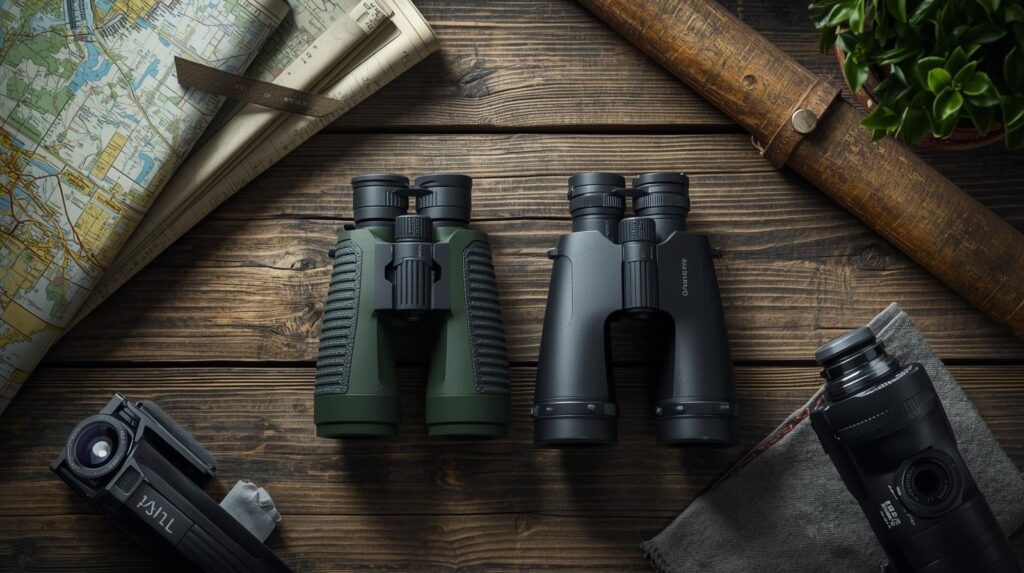
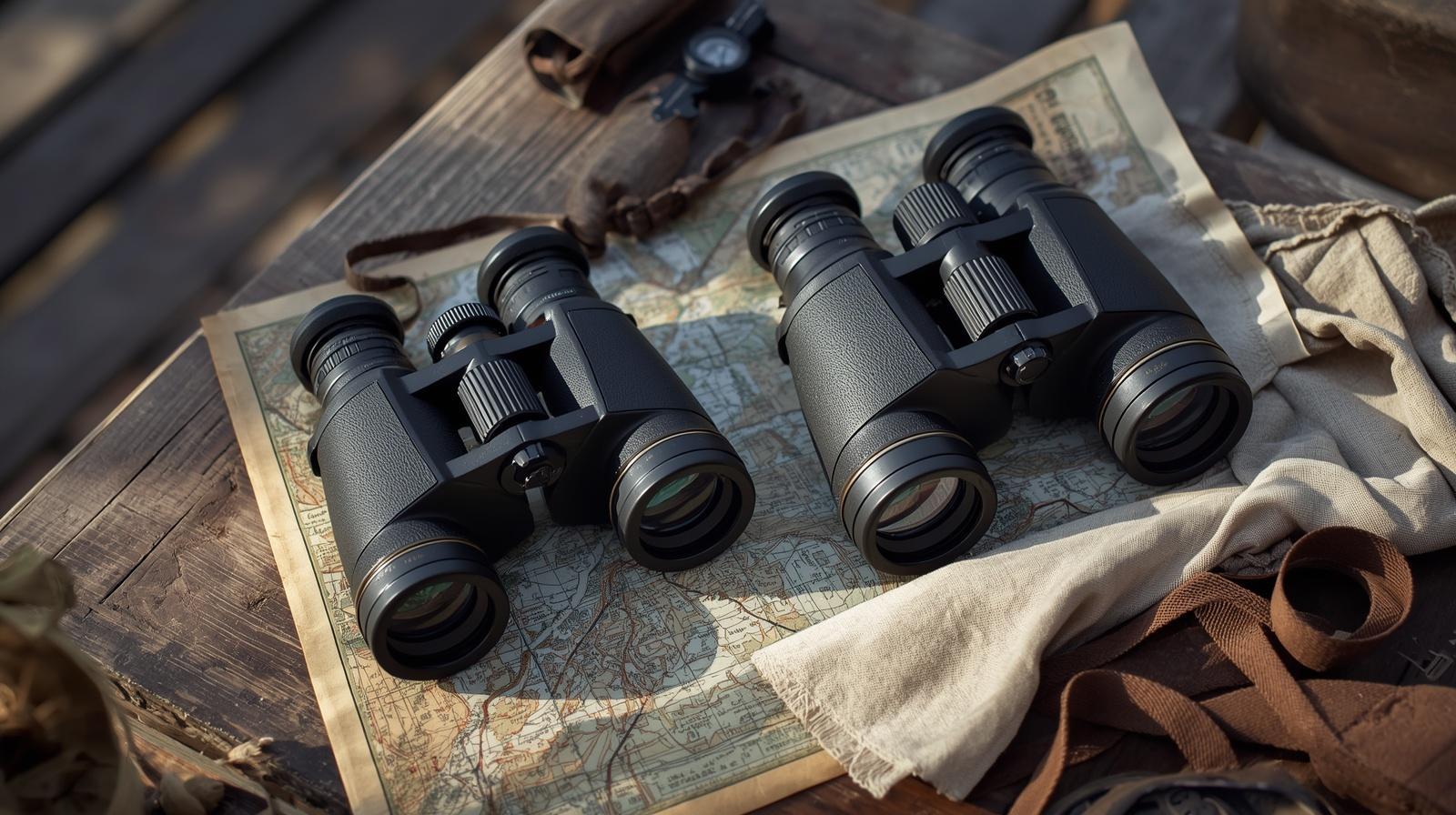
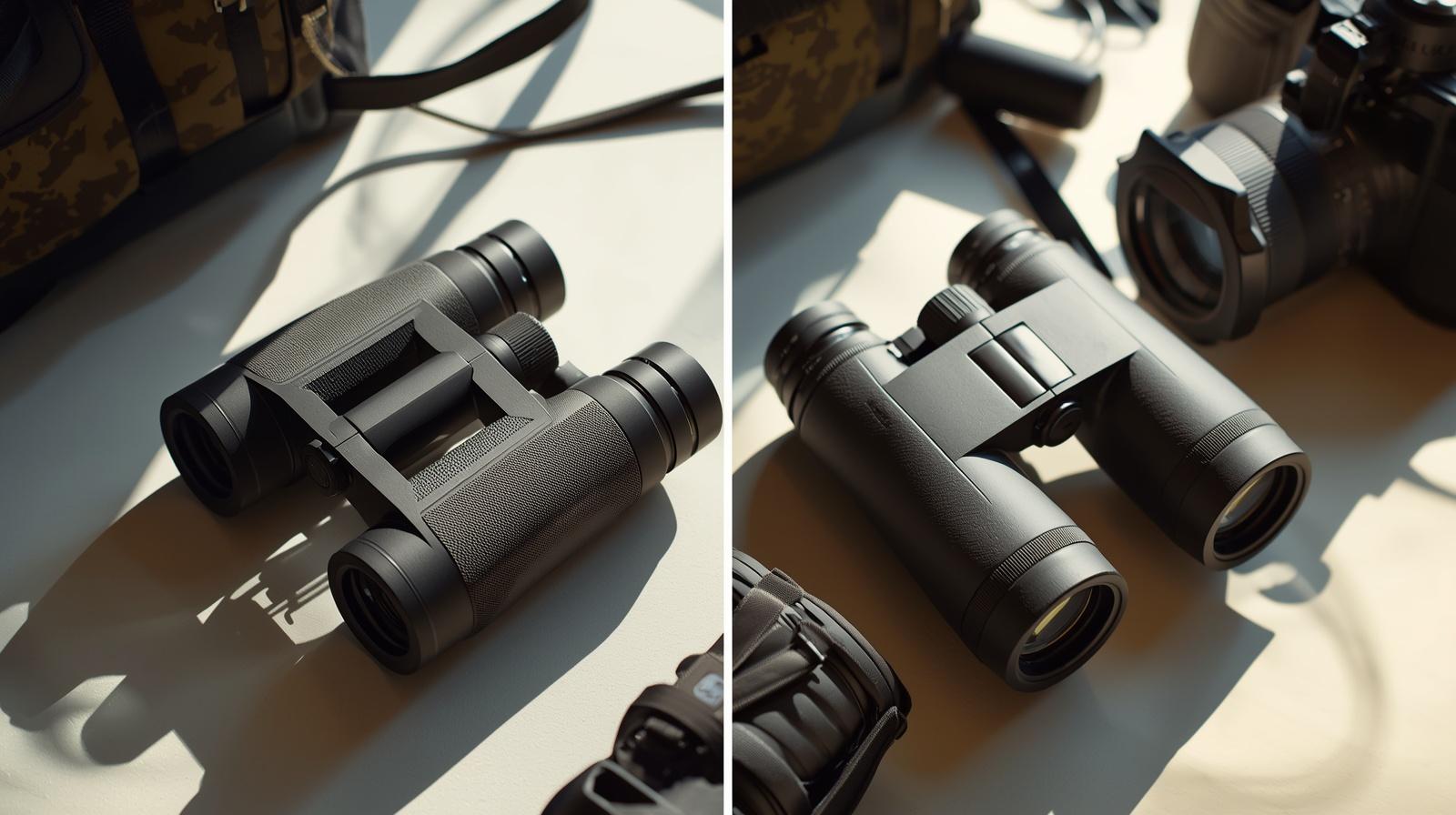
Porro prism binoculars usually look wider, more traditional, and slightly old-school. Roof prism binoculars look slimmer, straighter, and more modern. But the difference is not just appearance. The prism design affects size, durability, waterproofing, depth perception, price, optical alignment, handling, and the kind of viewing experience you get in real outdoor conditions.
This guide breaks it down without the usual boring “both are good” answer. You will see where Porro binoculars still make excellent sense, where roof prism binoculars are genuinely worth paying extra for, and which style suits birding, hunting, hiking, stargazing, travel, sports, and beginner use.
What Are Prism Binoculars?
Before comparing porro prism vs roof prism binoculars, it helps to understand why binoculars use prisms at all.
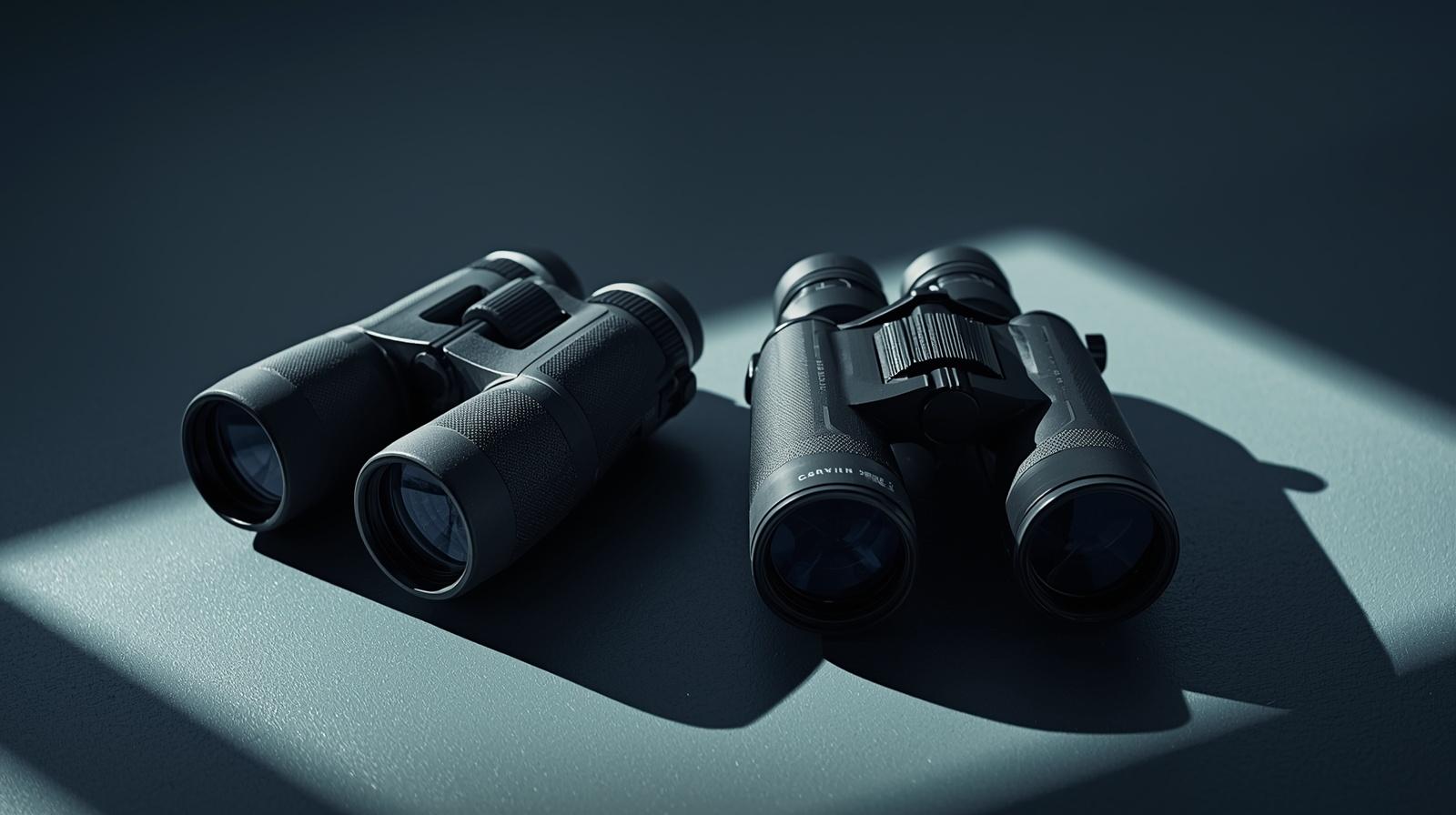
Inside binoculars, lenses gather and focus light. Without prisms, the image would appear upside down and reversed. Prisms correct that image so the view looks natural. They also help fold the optical path, making binoculars shorter than a simple straight telescope design.
The two most common prism systems are:
- Porro prism binoculars
- Roof prism binoculars
Both can produce sharp, bright, enjoyable views. The difference is how light travels inside the binocular body.
In Porro prism binoculars, the light path moves in a more offset route. That is why the objective lenses sit wider apart than the eyepieces. In roof prism binoculars, the light travels in a straighter, more compact path, which allows the barrels to line up neatly.
That shape difference creates most of the practical differences buyers feel later.
If you want the shorter beginner-friendly version of this same topic, read [roof prism vs porro prism for beginners] before buying your first pair.
Quick Answer: Which Is Better?
For most modern outdoor users, roof prism binoculars are better for portability, waterproofing, durability, and all-day carrying.
For buyers who care most about optical value, depth perception, wide-body stability, and lower price, Porro prism binoculars can still be the smarter buy.
So the honest answer is not “Porro is better” or “roof is better.” The smarter answer is:
| User Type | Better Choice | Why |
|---|---|---|
| Beginner on a tight budget | Porro prism | More optical performance for less money |
| Hiker or traveler | Roof prism | Slimmer, lighter, easier to pack |
| Bird watcher | Usually roof prism | Better close focus and waterproofing |
| Backyard birding | Porro or roof | Depends on budget and comfort |
| Hunter | Usually roof prism | More rugged and easier to carry quietly |
| Stargazing | Porro prism | Better value in large objective models |
| Marine viewing | Individual Porro or sealed roof | Stability and light gathering matter |
| Sports/concerts | Compact roof prism | Easier to carry and hold |
| Kids/family use | Porro prism | Affordable and easier to replace |
The best porro prism vs roof prism binoculars choice depends less on the prism alone and more on where the binoculars will actually live: in a backpack, on a tripod, in a truck, around your neck, or inside a home drawer waiting for weekend use.
Porro Prism Binoculars Explained
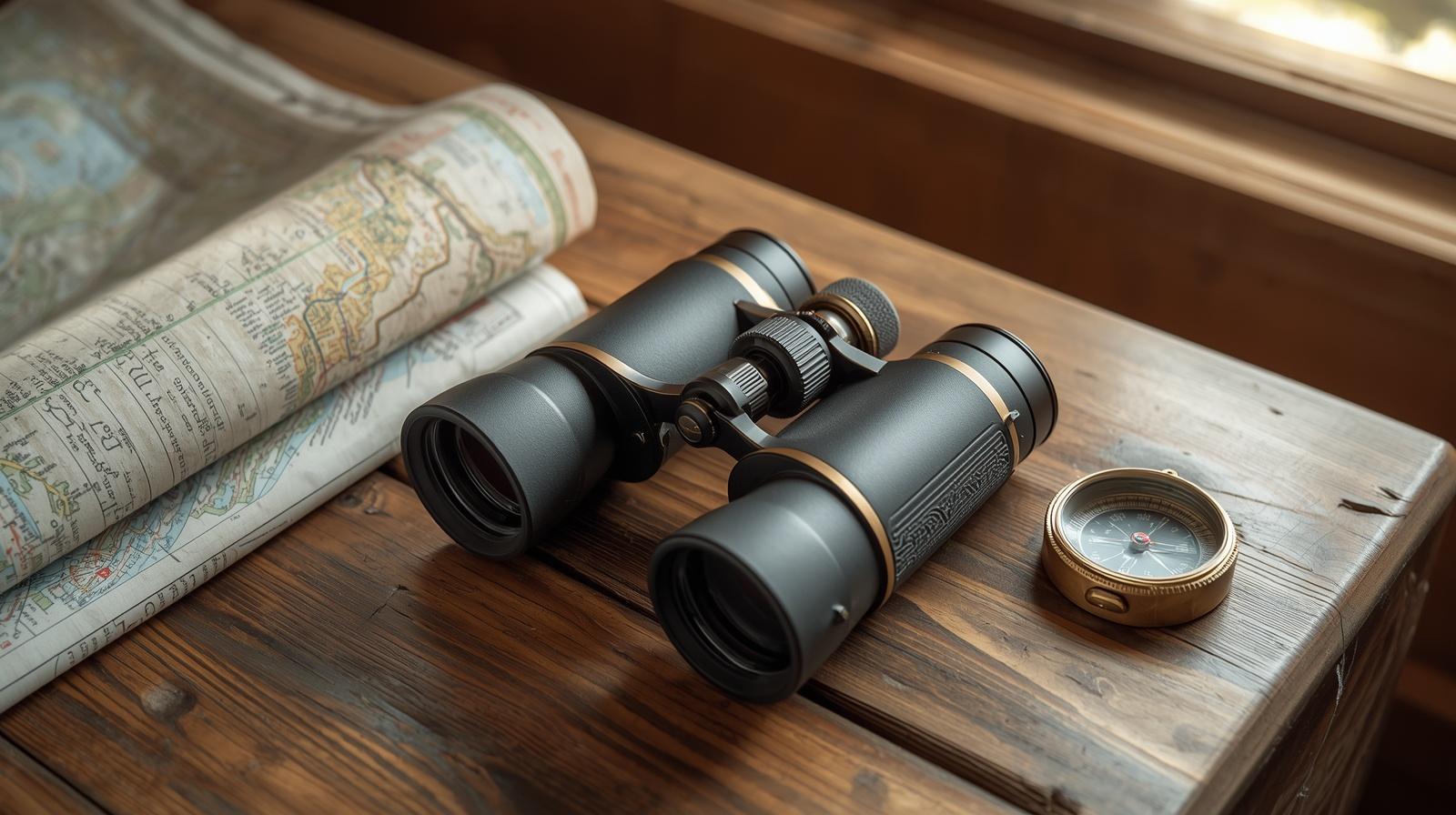
Porro prism binoculars are the classic binocular shape most people remember from older field glasses. The objective lenses are spaced wider apart than the eyepieces, creating a stepped, zig-zag body design.
This wider objective spacing gives Porro binoculars a more pronounced 3D effect. When viewing objects at moderate distances, such as trees, rocks, birds on fence posts, or boats on water, the scene can feel more dimensional.
That depth effect is one reason many people still love good Porro prism binoculars.
How Porro Prism Binoculars Feel in Use
A decent Porro prism binocular often feels relaxed through the eyes. The image can look naturally wide and spacious. The body gives your hands more surface to grip. On a porch, at a campsite, or beside a vehicle, that wider frame can actually feel comfortable.
Where Porro binoculars become less convenient is movement.
On a long walk, the wider body bumps more. In a backpack, it takes more space. In wet weather, cheaper Porro models are often not sealed as confidently as modern roof prism models. And because the barrels are offset, the body is more vulnerable to knocks that can affect optical alignment if the binoculars are handled roughly.
That does not mean Porro binoculars are fragile toys. Many are tough enough for normal use. But compared with a well-sealed roof prism binocular, a budget Porro usually feels more like a careful-use optical tool than a throw-it-in-the-pack field companion.
Pros of Porro Prism Binoculars
Porro prism binoculars are still popular for good reasons:
| Porro Prism Advantage | Real-World Benefit |
|---|---|
| Better optical value | You often get a bright, pleasing view at a lower price |
| Strong depth perception | Landscapes and mid-distance objects can feel more 3D |
| Wider body grip | Easier for some users to hold steady |
| Great for large objectives | Common in 50mm, 60mm, and 70mm astronomy binoculars |
| Simpler optical correction | Good performance without expensive phase coatings |
| Budget-friendly | Excellent for casual users and beginners |
The biggest strength is value. If your budget is limited, Porro prism binoculars often deliver a more satisfying view than cheap roof prism binoculars at the same price.
That is also why many entry-level astronomy binoculars, porch binoculars, and casual wildlife models still use Porro designs.
For a deeper value-focused breakdown, read [why are porro prism binoculars cheaper].
Cons of Porro Prism Binoculars
Porro binoculars also come with trade-offs:
| Porro Prism Limitation | What It Means in the Field |
|---|---|
| Bulkier shape | Harder to pack in small bags |
| Usually less sleek | Not ideal for ultralight hiking or travel |
| Sealing can vary | Budget models may not be fully waterproof |
| More exposed alignment | Hard knocks can affect collimation |
| Less modern styling | Some buyers simply prefer slimmer binoculars |
| Shorter close focus in many models | Less ideal for butterflies, insects, and close birding |
The biggest issue is not image quality. It is convenience.
A Porro can sit beautifully on a windowsill and give you a lovely view of distant trees. But after three hours on a trail, many users start wishing they had something slimmer.
Roof Prism Binoculars Explained
Roof prism binoculars have straight barrels. The objective lenses and eyepieces line up in a cleaner, more compact body. This makes them look modern and practical.
In today’s market, most mid-range and premium birding, hunting, hiking, and travel binoculars use roof prisms.
The design is harder to manufacture well. Roof prism binoculars often need phase correction coatings and high-reflectivity prism coatings to deliver top performance. That is why cheap roof prism binoculars can be disappointing, while well-made roof prism models can be excellent.
How Roof Prism Binoculars Feel in Use
A good roof prism binocular feels like outdoor equipment, not just an optical device. It slides into a pack more easily. It hangs flatter against the chest. It is usually easier to waterproof and nitrogen-purge. The central hinge makes one-hand handling more natural.
When comparing porro prism vs roof prism binoculars, this is where roof binoculars win many buyers: they disappear into the day better.
You do not think about carrying them as much. You bring them more often. And with binoculars, the pair you actually carry is often more useful than the pair that technically gives slightly better value but stays at home.
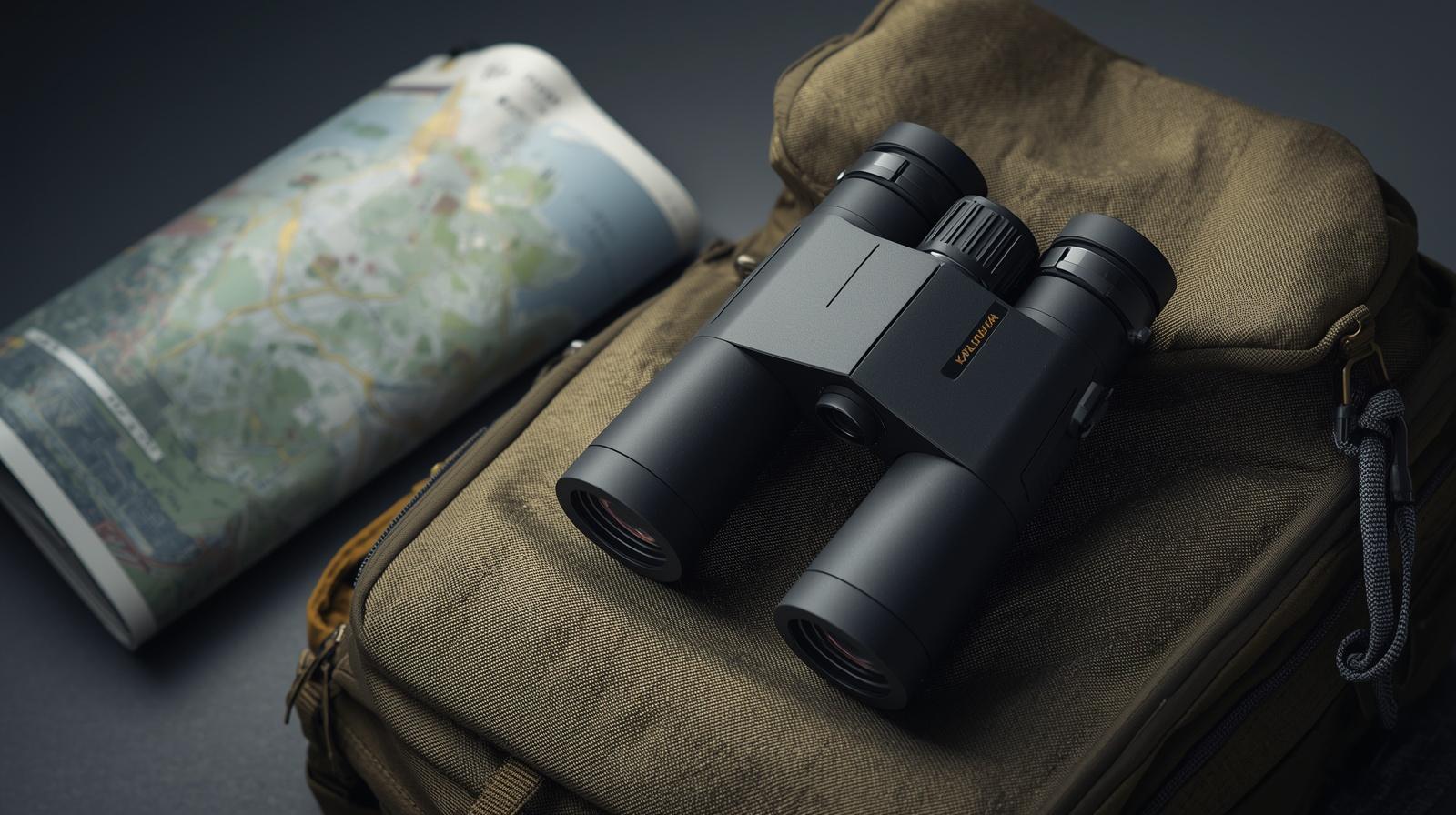
Pros of Roof Prism Binoculars
| Roof Prism Advantage | Real-World Benefit |
|---|---|
| Slim body | Easier to carry, pack, and handle |
| Better waterproofing potential | Great for rain, fog, boats, and wet trails |
| More rugged construction | Better suited to hunting and field abuse |
| Modern close focus | Useful for birding, insects, flowers, and nearby details |
| Premium market support | More high-end choices available |
| Cleaner ergonomics | Comfortable for long sessions around the neck |
Roof prism binoculars are especially strong when the binoculars are part of a moving activity. Birding walks, mountain hunting, hiking, travel, and safari-style viewing all favor the slimmer build.
That is why serious field users often end up with roof prism binoculars even when they respect Porro optics.
Cons of Roof Prism Binoculars
| Roof Prism Limitation | What It Means |
|---|---|
| More expensive to make well | Cheap models can look dim or soft |
| Needs better coatings | Phase correction matters |
| Less natural 3D effect | Depth can feel flatter than Porro |
| Premium prices climb fast | High-end models can be very expensive |
| Small cheap roof models can disappoint | Compact does not always mean good |
This is where buyer psychology gets interesting.
Many people assume slim binoculars are automatically better because they look modern. But a poor-quality roof prism binocular can be worse than a similarly priced Porro prism model. At low budgets, the porro prism vs roof prism binoculars comparison often tilts toward Porro. At mid-range and above, roof prism designs become much more attractive.
Porro Prism vs Roof Prism Binoculars: Main Differences
Here is the practical comparison most buyers actually need.
| Feature | Porro Prism Binoculars | Roof Prism Binoculars |
|---|---|---|
| Body shape | Wider, offset barrels | Slim, straight barrels |
| Portability | Bulkier | More compact |
| Price-to-performance | Usually stronger | More expensive for equal quality |
| Waterproofing | Varies widely | Usually better in modern models |
| Durability | Good, but alignment can be more vulnerable | Usually more rugged |
| Depth perception | Stronger 3D effect | Flatter but cleaner field feel |
| Birding use | Good for stationary viewing | Better for active birding |
| Hunting use | Good from fixed positions | Better for mobile hunters |
| Stargazing | Excellent value in large sizes | Premium but costly |
| Beginner value | Very good | Good if budget allows |
| Premium options | Fewer modern choices | Much wider premium market |
The short version: Porro gives more optical value per dollar. Roof gives more field convenience per ounce.
That sentence matters because most buyers do not regret the view alone. They regret the mismatch between binocular and lifestyle.
Optical Quality: Which Gives the Better View?
This is where the porro prism vs roof prism binoculars debate gets heated.
A well-made Porro prism binocular can look bright, relaxed, and three-dimensional. Because the optical design is simpler in some ways, manufacturers can deliver good image quality without needing the same level of advanced coatings required in roof prism designs.
A well-made roof prism binocular, however, can be stunning. Modern coatings, ED glass, dielectric prism coatings, and tight waterproof construction have pushed roof prism binoculars into the premium space. Many of the best birding and hunting binoculars today are roof prism models.
So which gives the better view?
At the same low price, Porro often wins.
At the same high quality level, roof prism can absolutely match or beat Porro in sharpness, contrast, weather resistance, and practical usability.
Budget Example
Imagine you are choosing between two affordable 10×42 binoculars:
- A low-cost Porro prism 10×42
- A low-cost roof prism 10×42
The Porro may look brighter and more relaxed because the design does not require the same expensive correction to perform decently.
The cheap roof prism model may look narrow, slightly dull, or less crisp at the edges.
Mid-Range Example
Now compare two better models:
- A well-coated Porro prism 8×42
- A phase-corrected, fully multi-coated roof prism 8×42
At this point, the roof prism model may feel more complete. It is easier to carry, probably waterproof, more compact, and often better suited to close focus.
That is why the answer changes by budget.
For a detailed supporting comparison, read [porro prism vs roof prism].
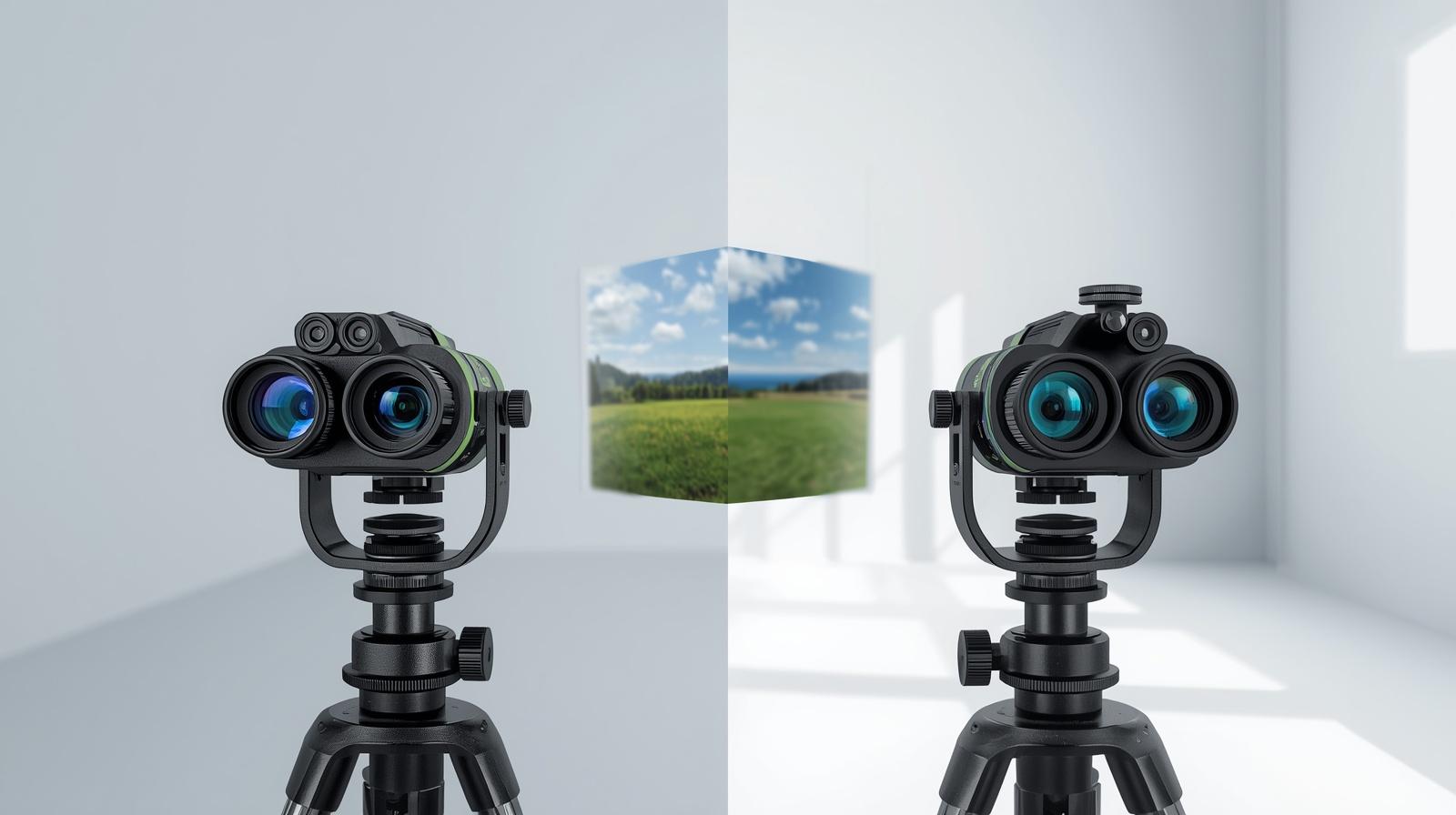
Brightness and Low-Light Performance
Many buyers assume Porro prism binoculars are always brighter. That is partly true in budget categories but not always true overall.
Brightness depends on several things:
- Objective lens size
- Exit pupil
- Glass quality
- Lens coatings
- Prism glass
- Prism coatings
- Internal baffling
- Eye relief
- Actual transmission
A 10×50 Porro may look brighter at dusk than a cheap 10×42 roof simply because it has larger objective lenses and a simpler optical path. But a premium 8×42 roof prism binocular can outperform a poorly coated 10×50 Porro in contrast and usable detail.
Real-World Dusk Scenario
Let’s say you are watching the edge of a tree line just before sunset.
A budget 10×50 Porro might give a bright, roomy image. It feels comfortable from a fixed spot. If you are sitting on a bench, porch, or truck tailgate, it works beautifully.
A quality 8×42 roof prism binocular may not look as obviously large in the image, but it can show better contrast, less color fringing, and easier handholding. Because 8x is steadier than 10x, the detail may actually be easier to read.
That is a subtle point many beginners miss: brighter is not always more useful if the image shakes.
For low-light hunting, birding, and woodland scanning, I would rather use a stable, high-quality 8×42 roof prism binocular than a shaky, heavy 12×50 Porro. But for astronomy from a tripod, a large Porro still makes a lot of sense.
Field of View and Depth Perception
Porro prism binoculars often feel more spacious because of the wider objective spacing. This gives stronger stereoscopic depth at closer and medium distances.
When you look at layered scenery—fence line, shrubs, tree trunks, rocks, and distant hills—a Porro can make the scene feel more dimensional. This is enjoyable for casual nature watching and scanning open areas.
Roof prism binoculars often feel more compact and direct. The view can still be wide, especially in premium models, but the depth effect is usually less pronounced.
When Depth Perception Matters
Porro prism binoculars can feel especially satisfying for:
- Watching boats on a lake
- Scanning a garden or backyard
- Looking across farmland
- Stargazing with large objective models
- Casual wildlife observation from one position
- Teaching kids how binoculars work
Roof prism binoculars feel better when:
- You are moving through woodland
- You need fast close focus
- You carry binoculars for hours
- You want weather sealing
- You need a compact chest-harness setup
- You are switching quickly between near and far targets
If depth perception is your main curiosity, the supporting guide [porro prism binocular advantages] explains why some users still prefer that classic Porro view.
Size, Weight, and Carry Comfort
This is where roof prism binoculars usually win without much argument.
Porro prism binoculars are wider. Even when the weight is similar on paper, the body shape can feel bulkier. The binoculars may swing more around the neck, take more room in a bag, and feel awkward in a jacket pocket.
Roof prism binoculars are slimmer and easier to carry close to the body. A roof prism 8×42 usually fits better in a harness, glove box, daypack, or travel bag.
The “Will I Actually Bring It?” Test
A binocular can be optically impressive and still be the wrong choice if you do not carry it.
I have seen this happen with casual buyers many times. They buy a large Porro because it looks powerful and gives a nice view from the window. Then it stays at home because it is not fun to bring on a walk.
That is not a failure of Porro prism binoculars. It is a mismatch.
For hiking, bird walks, travel, safari viewing, and general carry, roof prism binoculars usually make more sense.
For porch viewing, car-based wildlife observation, astronomy, and budget family use, Porro prism binoculars still deserve serious attention.
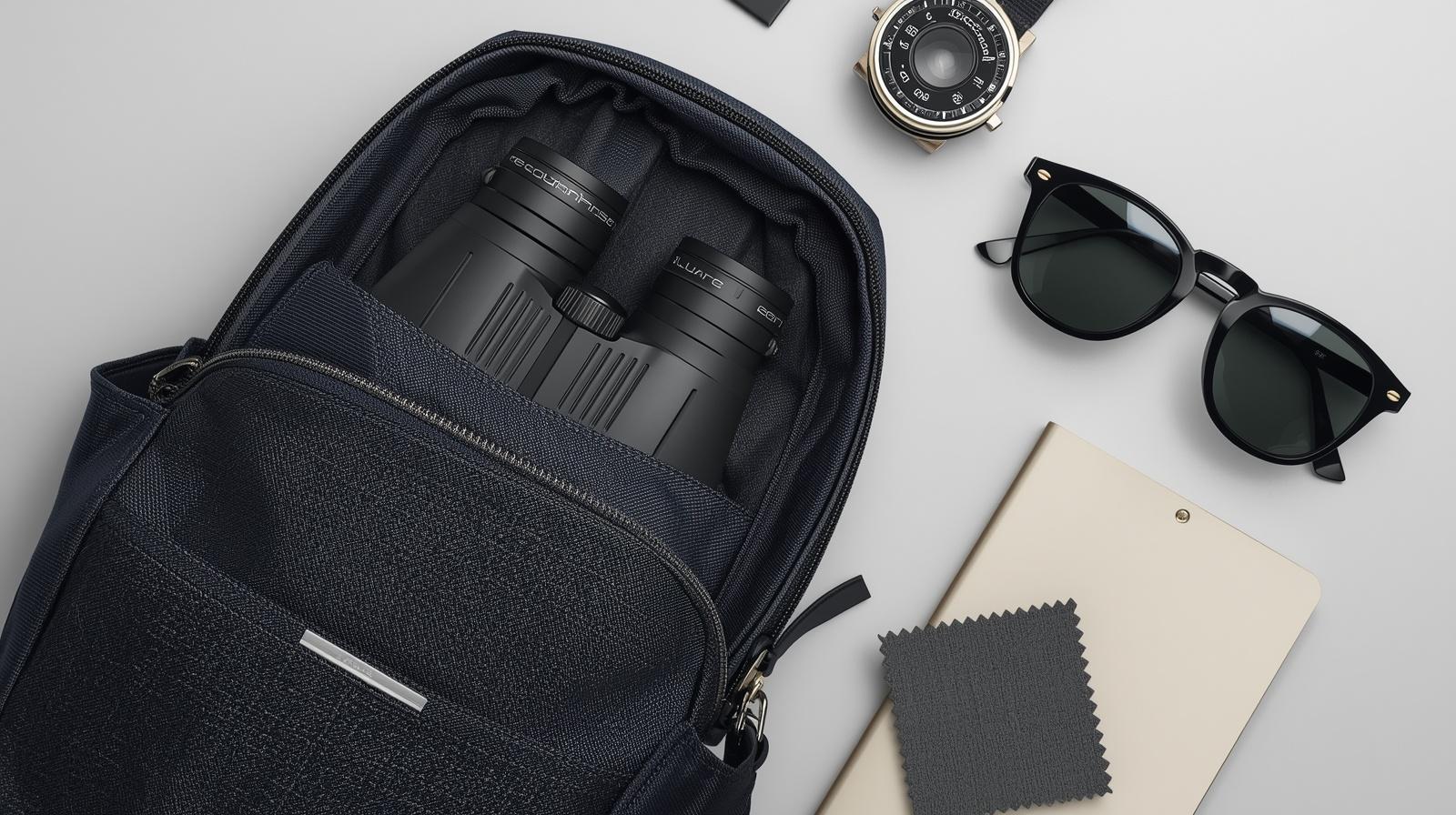
Durability and Waterproofing
Modern roof prism binoculars usually have the advantage here.
Because of their straight-barrel design, roof prism binoculars are easier to seal against moisture and dust. Many are nitrogen-purged or argon-purged to reduce internal fogging. They also tend to have a more rugged single-body feel.
Porro prism binoculars can be durable too, especially high-quality models. But many budget Porro designs are not built for heavy rain, rough backpack use, or repeated knocks.
Hunting and Wet Weather
If you hunt, hike in unpredictable weather, or keep binoculars in a truck where temperatures change, waterproofing matters.
A fogged internal lens can ruin a morning. A misaligned binocular can cause eye strain. A slippery focus wheel in cold rain is annoying fast.
That is why hunters and serious hikers usually lean roof prism. Not because Porro cannot show a good image, but because roof prism models fit the rough-use lifestyle better.
For hunting-specific advice, see [porro vs roof prism binoculars for hunting].
Close Focus: The Hidden Birding Feature
Close focus does not sound exciting until you miss it.
Birders often think about magnification, field of view, and brightness. But close focus can be surprisingly important. A good close focus lets you observe birds in bushes, feeders, butterflies, dragonflies, flowers, insects, and nearby textures without stepping backward.
Roof prism binoculars often have better close focus in modern birding models. That is one reason birders commonly choose roof prism 8×42 or 8×32 binoculars.
Porro prism binoculars can be excellent for birds at medium distance, especially from a fixed location. But if you are walking wooded trails, switching between a nearby warbler and a distant hawk, roof prism binoculars usually feel faster and more flexible.
For a birding-specific silo article, connect readers to [porro vs roof prism binoculars for birding].
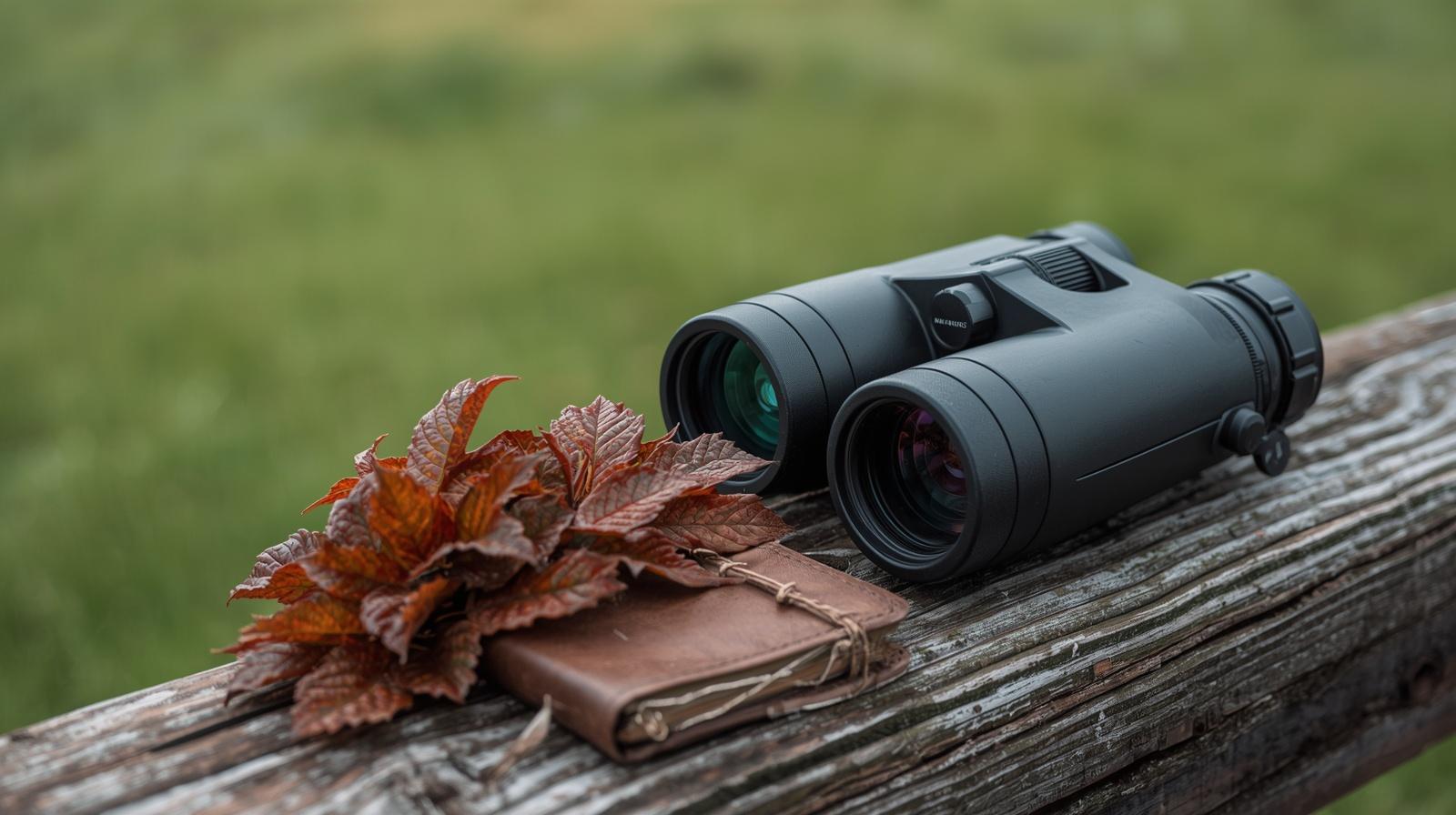
Porro Prism vs Roof Prism Binoculars for Birding
For birding, I usually recommend roof prism binoculars for most people.
Not always. But usually.
Birding is active. You move. Birds move. Weather changes. You may need to focus close, then far, then close again. You may carry binoculars for hours. A slim, waterproof, fast-handling 8×42 roof prism model is hard to beat.
Best Birding Choice for Most Users
For most bird watchers:
- Choose 8×42 roof prism binoculars for all-round birding.
- Choose 8×32 roof prism binoculars if you want lighter carry.
- Choose 10×42 roof prism binoculars for open fields, shorebirds, raptors, and distance.
- Choose Porro prism 8×40 or 10×50 if budget matters more than portability.
When Porro Still Works for Birding
Porro prism binoculars are still good for:
- Backyard feeders
- Garden birding
- Window viewing
- Slow-paced nature walks
- Beginners testing the hobby
- Budget-conscious buyers
If your birding style is mostly “coffee, window, feeder, notebook,” a Porro can be lovely. If your birding style is “trail, rain jacket, mud, quick focus,” roof prism is the safer recommendation.
Porro Prism vs Roof Prism Binoculars for Hunting
For hunting, roof prism binoculars usually win.
Hunters need binoculars that are compact, sealed, quiet to handle, rugged, and easy to use with a harness. Roof prism models fit that style better. They ride close to the chest, work well in rain or cold, and are less awkward when crawling, climbing, or moving through brush.
Best Hunting Choice for Most Users
For most hunters:
- Choose 10×42 roof prism binoculars for open country and general hunting.
- Choose 8×42 roof prism binoculars for woodland and steadier low-light viewing.
- Choose 10×50 roof prism binoculars if you need more low-light performance and can accept extra weight.
- Choose Porro prism binoculars only if you mostly glass from a fixed position and want value.
Where Porro Can Still Make Sense
A Porro prism binocular can work well from:
- A blind
- A truck
- A fixed overlook
- A field edge
- A tripod setup
- A budget hunting kit
But for mobile hunting, roof prism binoculars are usually the practical choice.
Porro Prism vs Roof Prism Binoculars for Stargazing
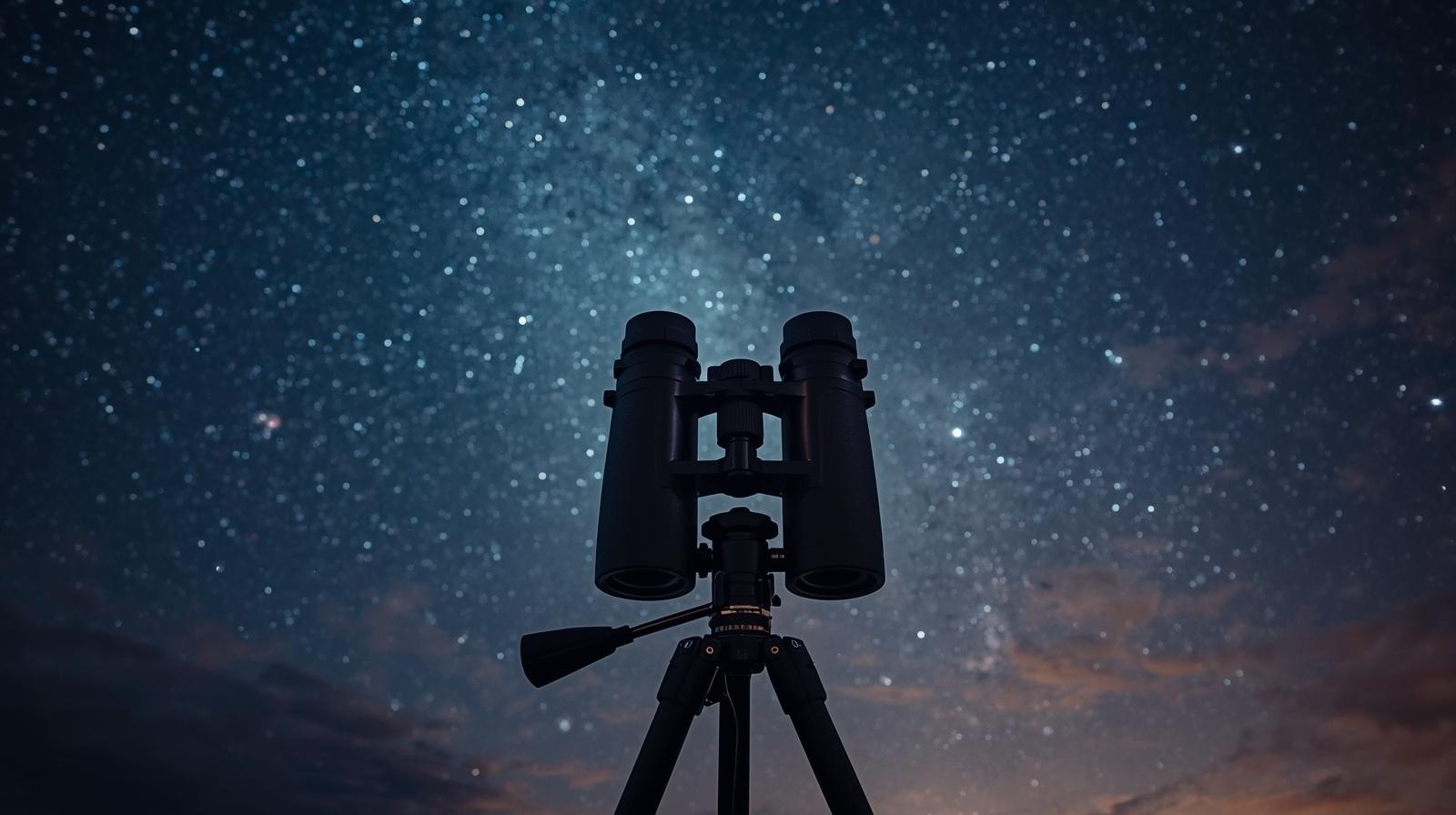
For stargazing, Porro prism binoculars still shine.
Large Porro binoculars like 10×50, 12×50, 15×70, and similar sizes are popular because they offer big objective lenses at reasonable prices. When mounted on a tripod or used from a reclining chair, they can show star fields, the moon, bright clusters, and wide sections of the night sky beautifully.
Roof prism binoculars can also work for astronomy, especially premium 8×42 or 10×42 models. But if your main goal is sky viewing and you want maximum aperture for the money, Porro prism binoculars often make more sense.
Stargazing Recommendation
For handheld astronomy, start with 10×50 Porro prism binoculars.
For deeper sky views, consider 15×70 Porro prism binoculars with a tripod.
For mixed daytime and night use, a quality 8×42 or 10×42 roof prism may be more versatile.
Porro Prism vs Roof Prism Binoculars for Beginners
Beginners should not buy based on prism type alone. They should buy based on use case.
If you are just starting and want the best image for the money, Porro prism binoculars are often a good first step. They are affordable, easy to understand, and visually satisfying.
If you already know you will hike, travel, watch birds, or carry binoculars regularly, start with roof prism binoculars. Spending a little more upfront can prevent the common mistake of buying a bulky pair that stays unused.
Beginner Buying Advice
Choose Porro if:
- Your budget is tight
- You mostly view from home
- You want a bright image for casual use
- You do not need waterproofing
- You are buying for kids or family use
Choose roof prism if:
- You will carry binoculars often
- You want waterproof/fogproof construction
- You care about compact size
- You plan to bird, hike, hunt, or travel
- You want one pair for many situations
This is the simple buying psychology: beginners often chase magnification, but experienced users chase comfort, steadiness, and reliability.
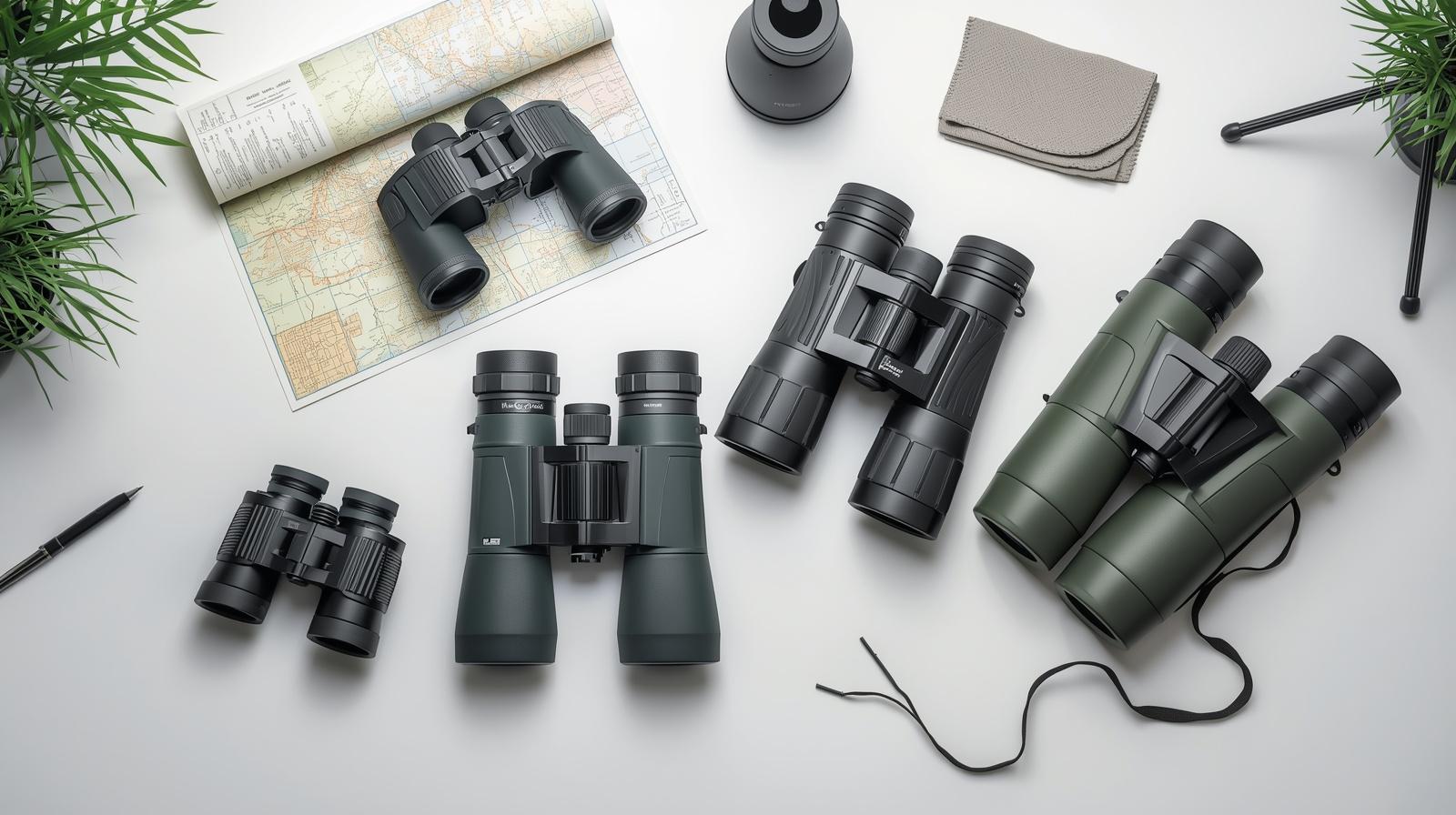
Product Recommendations by Use Case
These are natural recommendation categories, not hype picks.
Best Value Porro Prism Pick: Nikon Aculon-Style 10×50 Porro
A 10×50 Porro prism binocular is a smart budget choice for backyard viewing, casual wildlife watching, and night-sky scanning. The 50mm objective lenses gather useful light, and the Porro design gives that classic wide, dimensional feel.
This kind of binocular is not my first choice for long hikes, but for home, cabin, car, or beginner astronomy use, it gives strong value.
Best for: Backyard viewing, casual nature watching, beginner stargazing
Avoid if: You need waterproof ruggedness or compact travel size
Best All-Round Roof Prism Pick: 8×42 Waterproof Roof Prism Binocular
An 8×42 roof prism binocular is the safest all-round recommendation for most buyers. It is steady, bright enough for most daylight and dusk use, and easier to carry than larger Porro models.
For birding, hiking, travel, and general outdoor use, this is the format I would recommend first.
Best for: Birding, hiking, nature walks, travel, beginner-to-intermediate users
Avoid if: You mainly want astronomy or long-distance tripod glassing
Best Hunting Pick: 10×42 Roof Prism Binocular
A 10×42 roof prism model gives extra reach without getting too large. For open country, field edges, ridgelines, and general hunting, it is a practical balance.
The key is not just magnification. Look for waterproofing, good grip, comfortable eye relief, and a smooth focus wheel.
Best for: Hunting, open landscapes, scouting, distance viewing
Avoid if: You struggle with hand shake or mostly view in dense woodland
Best Stargazing Pick: 15×70 Porro Prism Binocular
A 15×70 Porro prism binocular is not a casual pocket optic. It is big. It needs support. But on a tripod, it can be very rewarding for moon viewing and wide-field astronomy.
If someone asks me for a low-cost astronomy binocular experience, this is often where the conversation goes.
Best for: Astronomy, tripod viewing, long-range fixed observation
Avoid if: You want handheld convenience
Buyer Psychology: Why People Choose the Wrong Binoculars
Most buyers do not choose badly because they are careless. They choose badly because binocular specs are easy to misunderstand.
Mistake 1: Buying Too Much Magnification
A 12x or 16x binocular sounds powerful. In real use, it may shake too much. A stable 8x often shows more usable detail than an unstable 12x.
This matters in the porro prism vs roof prism binoculars decision because many affordable Porro models come in big magnifications that look tempting online. Be careful. Bigger is not always better.
Mistake 2: Assuming Roof Always Means Premium
Roof prism binoculars look modern, so people assume they are better. But cheap roof prism binoculars can disappoint. If the budget is low, a Porro may deliver a more enjoyable view.
Mistake 3: Ignoring Carry Comfort
A binocular that feels fine for five minutes in a store may feel annoying after two hours around your neck. Roof prism models usually win here.
Mistake 4: Forgetting Weather
If your binoculars will see rain, humidity, cold mornings, or boat spray, waterproofing is not a luxury. It is protection.
Mistake 5: Buying for the Dream Trip, Not Real Life
Some people buy huge binoculars for one imaginary adventure and then use them mostly from home. Others buy compact travel binoculars when they really needed a bright backyard pair.
Buy for the way you will use binoculars 80% of the time.
Best Magnification Choices for Porro and Roof Binoculars
8×42
The best all-round size for most people. It is steady, bright, and versatile. In roof prism form, 8×42 is excellent for birding and hiking. In Porro form, it can be very pleasant for general use.
10×42
Good for distance, open country, hunting, shorebirds, and wildlife. In roof prism binoculars, 10×42 is a popular field choice. It needs steadier hands than 8x.
10×50
A classic Porro prism size. Good for casual astronomy, low-light observation, and fixed-position viewing. Larger and heavier than 10×42.
8×32
Great for travel and lightweight birding. Usually best in roof prism form. It is less bright than 8×42 in low light but easier to carry.
15×70
Best for tripod-supported stargazing and long-range viewing. Usually Porro prism. Not a walking-around binocular.
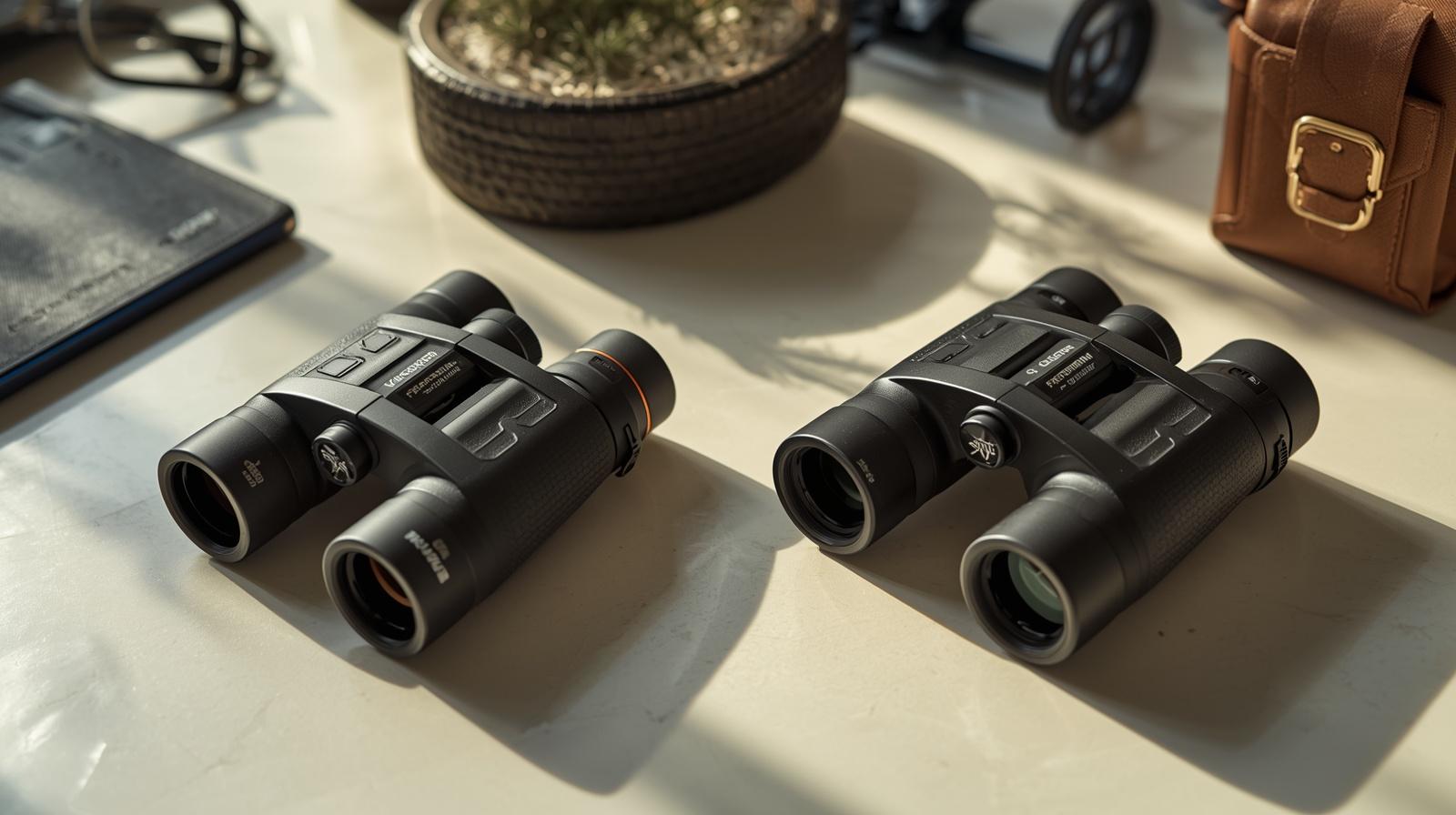
Are Porro Prism Binoculars Better?
Sometimes, yes.
Porro prism binoculars can be better if your main priorities are value, depth perception, relaxed viewing, and larger objective sizes for less money. They are especially attractive for beginners, casual users, backyard observers, and stargazers.
But they are not automatically better for serious field use.
Roof prism binoculars are usually better if you need portability, weather resistance, ruggedness, and modern ergonomics.
So when someone asks, “Are Porro prism binoculars better?” the real answer is:
Porro prism binoculars are often better optically for the price, but roof prism binoculars are usually better as everyday outdoor tools.
For the full supporting article on this question, link readers to [are porro prism binoculars better].
When I Would Personally Choose Porro Prism Binoculars
I would choose Porro prism binoculars when the binoculars are mostly used from a fixed location.
That includes:
- Backyard birding
- Porch viewing
- Stargazing
- Lake watching
- Casual family use
- Cabin or farm observation
- Budget beginner kits
In those situations, the bulk matters less. The value matters more. A good Porro can feel charming, bright, and easy on the eyes.
I would also choose Porro if I wanted a large astronomy binocular without paying premium roof prism prices.
Real Scenario
Imagine a user who keeps binoculars near a kitchen window to watch birds, squirrels, distant trees, and weather rolling over hills. That person does not need a premium waterproof roof prism binocular. A comfortable 8×40 or 10×50 Porro may make more sense.
The binocular stays ready. The view is enjoyable. The price is reasonable. That is a good match.
When I Would Personally Choose Roof Prism Binoculars
I would choose roof prism binoculars when the binoculars need to travel with me.
That includes:
- Birding walks
- Hiking
- Hunting
- Safari-style trips
- Rainy climates
- Travel bags
- Sports events
- General outdoor use
A roof prism binocular is easier to live with. It is slimmer, cleaner to pack, and usually tougher against weather.
Real Scenario
Imagine a birder walking a damp woodland trail in spring. Birds are close, then far, then hidden in branches. The user needs quick focus, good close focus, waterproofing, and a comfortable carry position.
That is roof prism territory.
Even if a Porro gives slightly better value from a bench, the roof prism model wins because it fits the behavior.
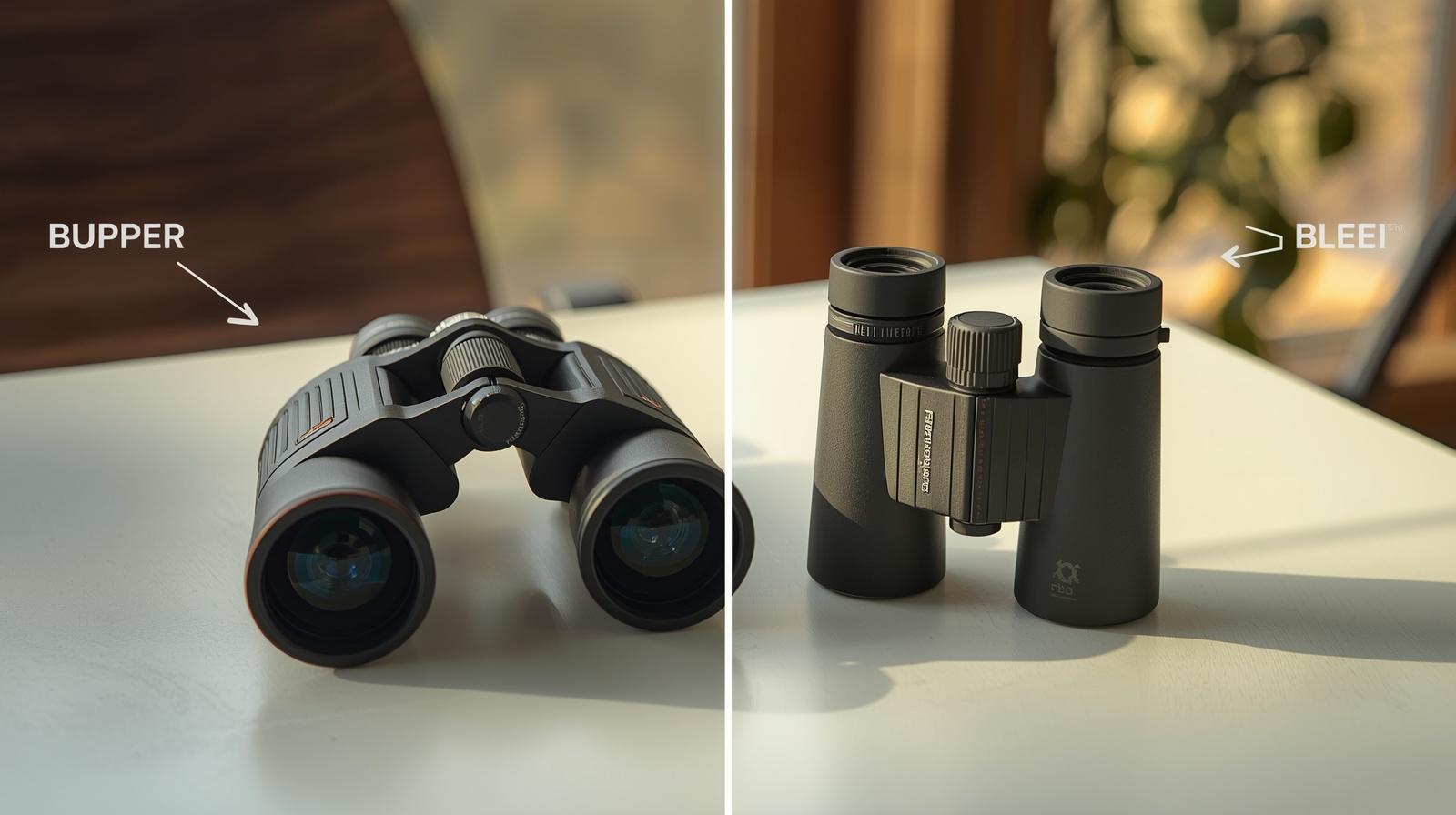
Price Ranges: What to Expect
Under $100
Porro prism binoculars usually offer better value. Be cautious with very cheap roof prism models. They may look modern but often compromise on brightness, coatings, or alignment.
Best choice: Porro for casual use.
$100–$250
This is where both designs compete. Porro prism binoculars can deliver strong optical value, while entry-level roof prism binoculars become more usable.
Best choice: Porro for image value, roof for portability.
$250–$600
Roof prism binoculars become very attractive here. You start seeing better coatings, ED glass, waterproofing, improved close focus, and better ergonomics.
Best choice: Roof prism for most field users.
$600+
Premium roof prism binoculars dominate this range. High-end Porro models exist, but the market strongly favors roof prism designs for serious birding, hunting, and outdoor performance.
Best choice: Roof prism unless you have a specific Porro preference.
Final Buying Decision: Porro or Roof?
Use this simple decision guide.
Choose Porro prism binoculars if you want:
- Better value for money
- A bright image on a smaller budget
- Classic binocular feel
- Strong depth perception
- Larger astronomy-style binoculars
- Casual viewing from fixed locations
Choose roof prism binoculars if you want:
- Compact size
- Better carry comfort
- Waterproof and fogproof design
- More rugged field use
- Better birding and hunting ergonomics
- A modern all-purpose binocular
The porro prism vs roof prism binoculars choice is not about one design destroying the other. It is about matching the design to the user.
A Porro prism binocular can be the better optical bargain. A roof prism binocular can be the better outdoor companion.
If I had to recommend one binocular style to a general buyer who hikes, travels, watches birds, and wants one dependable pair, I would recommend an 8×42 roof prism binocular.
If I had to recommend one binocular style to a budget buyer who mostly views from home or wants beginner stargazing, I would recommend a 10×50 Porro prism binocular.
That is the cleanest real-world answer.
For more binocular comparisons, buying guides, and field-tested recommendations, start from [BestBinocular.net] and build your setup around how you actually use your optics.
FAQs About Porro Prism vs Roof Prism Binoculars
What is the main difference between Porro prism and roof prism binoculars?
The main difference is the internal prism design and body shape. Porro prism binoculars have offset objective lenses and a wider body, while roof prism binoculars have straight barrels and a slimmer body. In real use, Porro binoculars often offer better value and stronger depth perception, while roof prism binoculars are usually more compact, rugged, and weather-resistant.
Are Porro prism binoculars better than roof prism binoculars?
Porro prism binoculars can be better for the money, especially at lower budgets. They often provide a bright, relaxed view without requiring expensive coatings. However, roof prism binoculars are usually better for hiking, birding, hunting, travel, and wet weather because they are slimmer and easier to seal.
Why are roof prism binoculars more expensive?
Roof prism binoculars are more complex to manufacture well. They usually need phase correction coatings, high-quality prism coatings, and tighter alignment to perform at a high level. That extra engineering raises the price.
Why are Porro prism binoculars cheaper?
Porro prism binoculars are often cheaper because the optical design is simpler to produce at a good performance level. Manufacturers can deliver a bright, enjoyable view without the same coating complexity required by roof prism designs. That is why Porro binoculars often provide strong budget value.
Which is better for bird watching, Porro or roof prism?
Roof prism binoculars are usually better for active bird watching because they are lighter, slimmer, waterproof, and often have better close focus. Porro prism binoculars can still be excellent for backyard birding, feeder watching, and casual use from a fixed position.
Which is better for hunting, Porro or roof prism?
Roof prism binoculars are usually better for hunting. They are more compact, easier to carry in a chest harness, and generally more rugged in rough weather. Porro prism binoculars can work for hunting from a blind or fixed viewpoint, but they are less convenient for mobile hunters.
Are Porro prism binoculars good for stargazing?
Yes, Porro prism binoculars are very good for stargazing, especially larger models like 10×50 or 15×70. They offer strong light-gathering value for the price. Larger models work best with a tripod.
Are roof prism binoculars good for beginners?
Yes, roof prism binoculars are good for beginners who want a compact, waterproof, all-purpose pair. However, beginners on a tight budget may get better optical value from Porro prism binoculars.
Do Porro prism binoculars have better depth perception?
Usually, yes. Because the objective lenses are spaced wider apart, Porro prism binoculars often create a stronger 3D effect at medium distances. This can make landscapes and layered scenes feel more natural.
Are roof prism binoculars more durable?
In most modern outdoor models, yes. Roof prism binoculars are generally easier to waterproof and fogproof, and their straight-barrel design is better suited to rugged field use. Quality still matters, though. A cheap roof prism binocular is not automatically durable.
Which binocular type is better for travel?
Roof prism binoculars are better for travel because they are slimmer, more compact, and easier to pack. An 8×32 or 8×42 roof prism binocular is usually a good travel choice.
What is the best all-round choice?
For most users, an 8×42 roof prism binocular is the best all-round choice. It balances brightness, steadiness, portability, and field performance. For budget home use, a 10×50 Porro prism binocular is still a smart alternative.




