
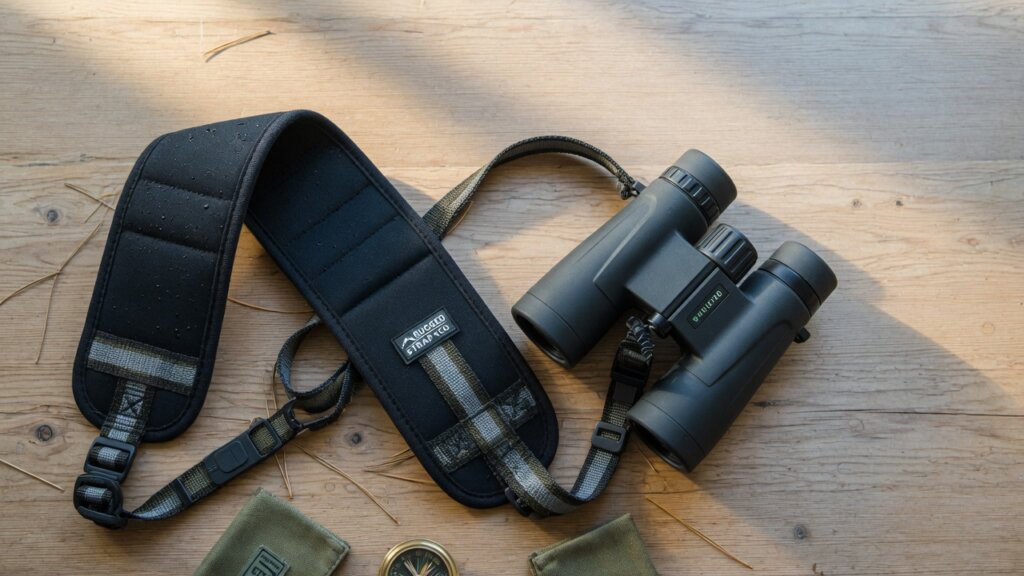
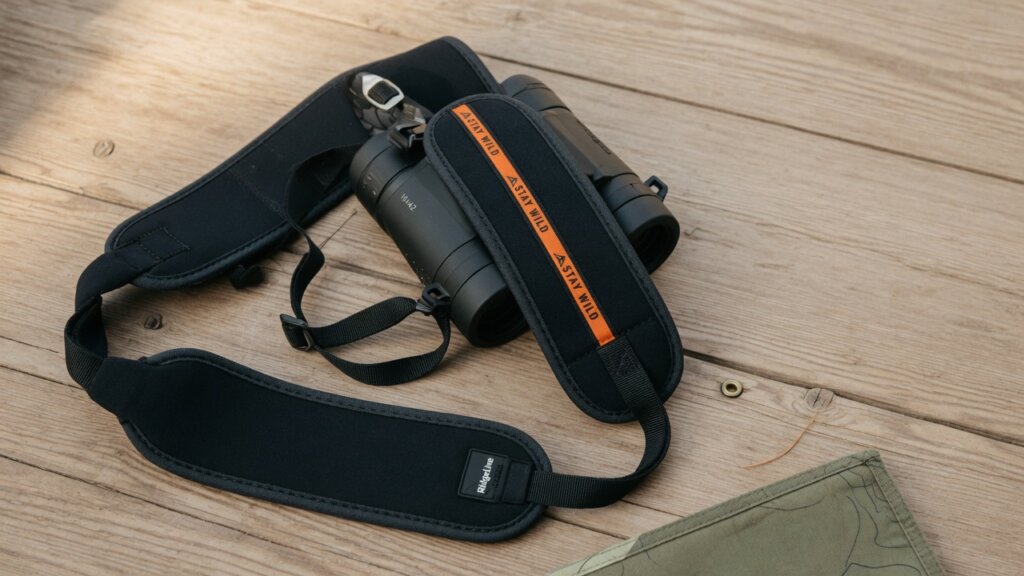
Why a Neoprene Binocular Strap Enhances Comfort
A neoprene binocular strap is one of those small upgrades that feels unnecessary until you spend two hours carrying binoculars around your neck. Then it suddenly makes perfect sense.
Most binoculars come with a basic nylon strap in the box. It works, technically. It holds the binoculars. But after a long walk, a full birding session, a stadium event, or a day in the woods, that thin strap can start digging into your neck. It rubs, twists, and makes even a mid-weight binocular feel heavier than it really is.
That is where a neoprene binocular strap earns its place.
Neoprene has a soft, slightly stretchy feel. It cushions the pressure point around your neck or shoulder and helps absorb small movements as you walk. For users carrying 8×42, 10×42, 10×50, or heavier outdoor binoculars, the difference is not just about comfort. It can change how long you actually enjoy using your binoculars before wanting to put them away.
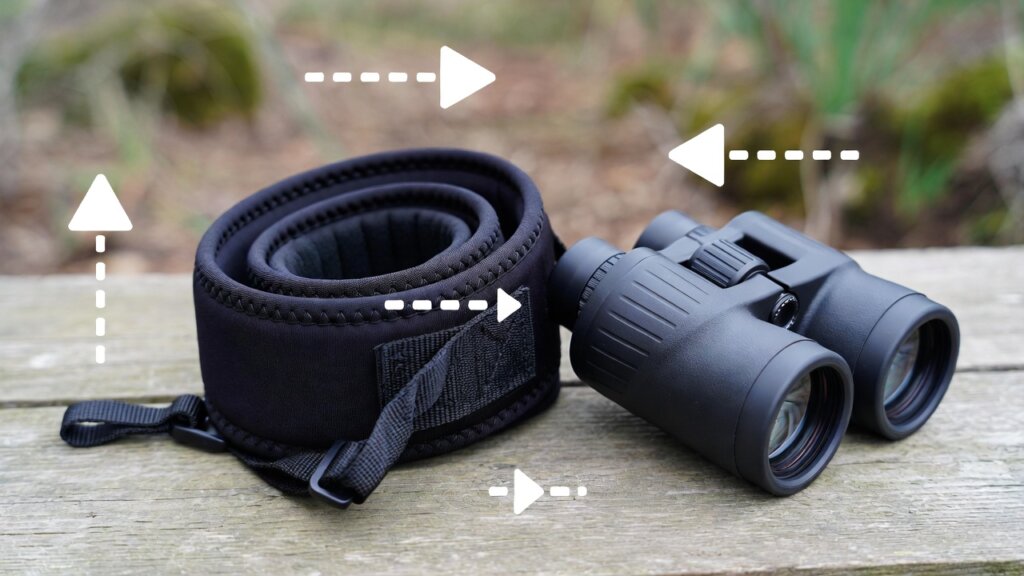
Why a Neoprene Binocular Strap Makes Sense
A neoprene binocular strap is designed for one main job: making binoculars easier to carry for longer periods.
The material is commonly used in wetsuits, camera straps, and outdoor accessories because it has a soft, flexible, slightly elastic feel. When used on a binocular neck strap, it spreads the weight across a wider surface instead of creating one sharp pressure line.
This matters most when you are not simply carrying binoculars from the car to the porch. It matters when you are walking trails, scanning hillsides, watching sports, cruising, hiking, or keeping binoculars ready for repeated use.
A standard strap often feels fine for the first 10 minutes. The problem starts later. Sweat builds up. The strap edge rubs. The binoculars bounce against your chest. Your neck gets tired before your eyes do.
A good neoprene binocular strap reduces that annoyance. It does not magically make heavy binoculars weightless, but it makes the weight feel better managed.
For a broader breakdown of strap types, comfort levels, and carrying styles, you can read the main binocular strap guide before choosing your final setup.
Best Use Cases for a Neoprene Binocular Strap
Bird Watching and Nature Walks
For bird watching, a neoprene binocular strap is especially practical because binoculars stay on your body for long periods. You may lift them dozens of times during one walk.
The slight stretch in neoprene helps when you raise the binoculars quickly. It feels less harsh than a stiff nylon strap, especially when you are moving between trees, riverbanks, or open fields.
If you use 8×42 binoculars, a medium-width neoprene strap is usually enough. For 10×50 binoculars, choose a wider padded strap because the extra glass weight becomes noticeable fast.
Hunting and Scouting
Hunters often carry more than binoculars. Backpack, rangefinder, jacket, calls, water, and sometimes a rifle or bow. A basic neck strap can become irritating under all that gear.
A neoprene binocular strap works well for short scouting trips, tree stand use, and casual hunting setups where you want simple access without wearing a full harness.
However, for steep terrain or fast movement, a binocular harness may still be better because it controls bounce more effectively.
Travel, Cruises, and Sightseeing
For travel, comfort and packability matter. A neoprene strap folds down easily and adds very little bulk.
On cruises, city tours, safari drives, and sightseeing trips, binoculars often hang around your neck for hours. A soft strap makes that much easier. It also looks less tactical than some bulky harness systems, which many travelers prefer.
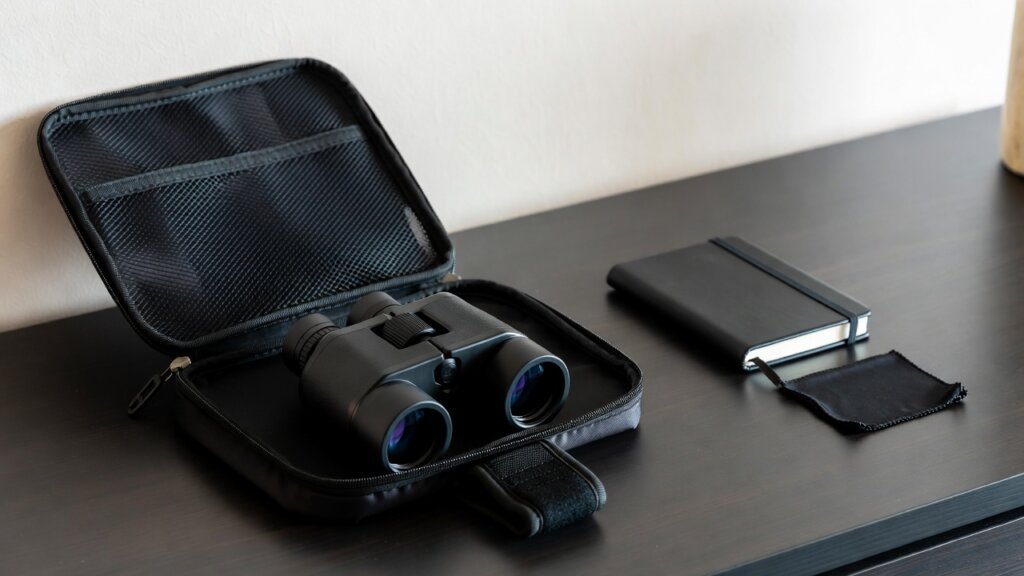
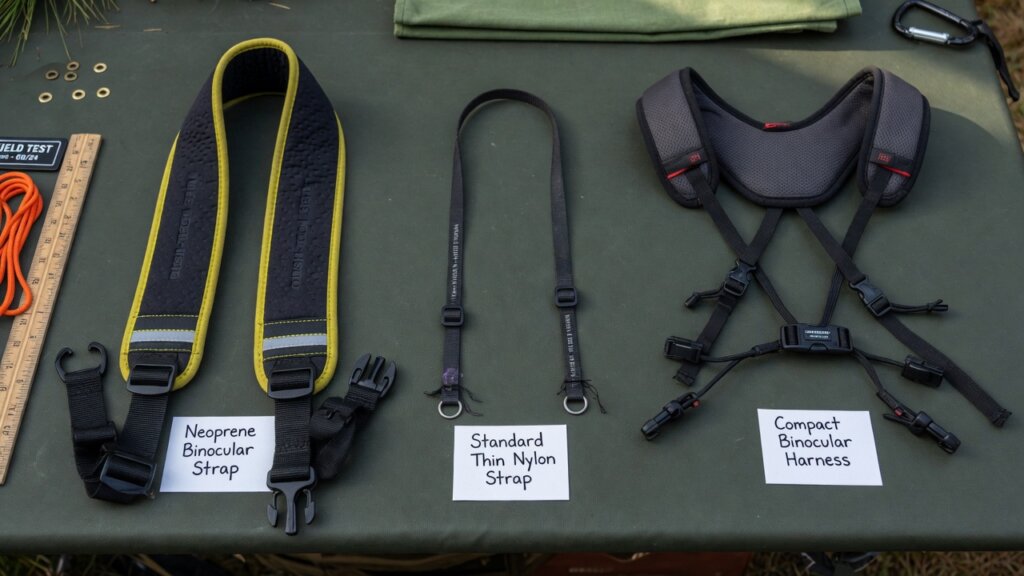
Neoprene Binocular Strap vs Standard Nylon Strap
| Feature | Neoprene Binocular Strap | Standard Nylon Strap |
|---|---|---|
| Comfort | Softer and more forgiving | Can feel sharp over time |
| Weight distribution | Better across neck or shoulder | Narrow pressure point |
| Stretch | Slight shock absorption | Usually no stretch |
| Best for | Long walks, birding, travel, hunting | Short casual use |
| Sweat handling | Comfortable but may absorb moisture | Dries faster but feels rougher |
| Bulk | Slightly thicker | Very compact |
The biggest reason to choose a neoprene binocular strap is comfort. The biggest reason to keep a nylon strap is simplicity. If you only use compact binoculars for 10 minutes at a time, nylon may be fine. But for full-day use, neoprene is usually worth the small upgrade.
Neoprene Strap vs Padded Binocular Strap
A neoprene strap and a padded strap are not always the same thing.
Some padded straps use foam, mesh, or fabric cushioning. A neoprene binocular strap uses neoprene as the comfort material. It feels softer and more flexible, while some foam-padded straps feel thicker and more structured.
If your main problem is neck pressure, neoprene works very well. If your binoculars are heavy and you want maximum cushioning, a wider padded strap may be better.
For heavier models, compare this article with our padded binocular strap guide. It will help you decide whether soft stretch or thicker padding is more useful for your setup.
What to Look for Before Buying a Neoprene Binocular Strap
Strap Width
Width matters more than many buyers realize.
A very narrow neoprene strap may feel soft, but it will not spread weight as well. For compact binoculars, a slim strap is fine. For full-size binoculars, look for something wider and more supportive.
A good middle ground is a strap wide enough to sit flat on your neck without feeling bulky.
Attachment Style
Most binocular straps use thin webbing that loops through the strap lugs on the binocular body. Before buying, check the attachment points on your binoculars.
Some binoculars have narrow slots. Others have rounded lugs. A strap that looks great online may be frustrating if the connector webbing is too thick.
If you remove your strap often, a quick-release system may be smarter. You can compare options in our quick release binocular strap article if you switch between a neck strap, harness, tripod adapter, or case often.
Adjustability
A neoprene binocular strap should let you set the binoculars at a comfortable height.
Too high, and the eyecups hit your chest awkwardly. Too low, and the binoculars swing around when you walk. Most users prefer the binoculars to rest around the upper chest so they can lift them quickly without pulling the strap tight.
Grip and Surface Texture
Some neoprene straps have a smooth surface. Others have a grippy backing.
A grippy strap helps prevent sliding off your shoulder, but it may feel warmer around the neck. Smooth neoprene feels softer but can move around more.
There is no perfect answer here. For hot weather, I prefer a smoother, lighter strap. For shoulder carry, I prefer a strap with slightly more grip.
Pros
- More comfortable than basic straps, reduces neck pressure.
- Absorbs small shocks while walking.
- Suitable for birding, travel, and light outdoor use.
- Affordable and easy to pack/attach.
Cons
- Can feel warm and hold sweat in hot weather.
- Less effective at controlling binocular bounce than a harness.
- Cheap straps may stretch or lose shape.
- Too wide for some compact binoculars.
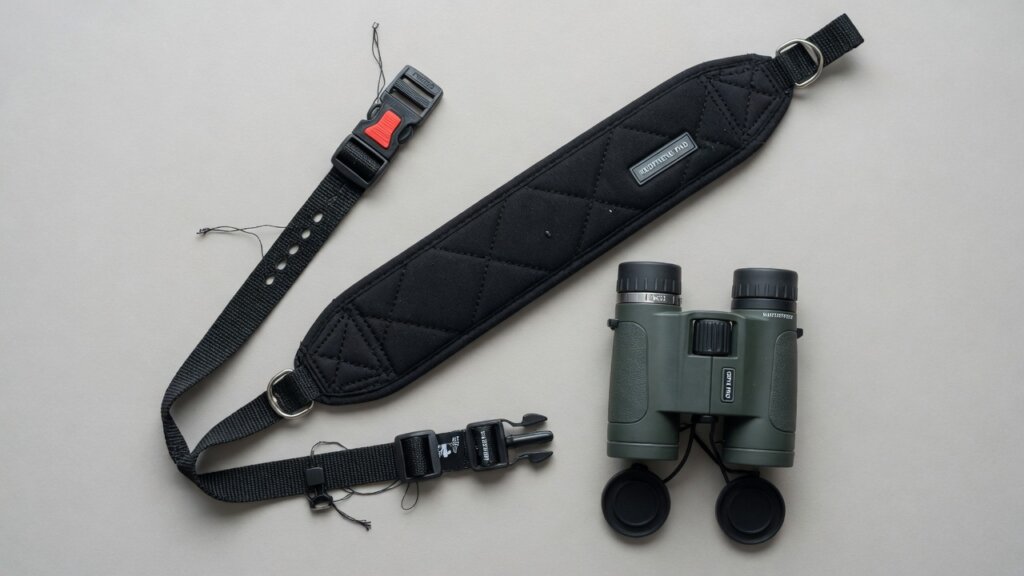
Recommended Product: OP/TECH USA E-Z Comfort Strap
For one simple, reliable option, the OP/TECH USA E-Z Comfort Strap is a strong pick for many binocular users.
Its neoprene-style design can feel softer and more comfortable than a basic factory strap, making it a practical upgrade for users who want better comfort with everyday binoculars, travel binoculars, or mid-size models like 8×42 and 10×42.
B&H lists the strap as having a 1.3-inch wide neoprene pad, 22–44 inch adjustability, and a carrying capacity up to 7 lb, which makes it suitable for many common binocular setups.
I would choose this kind of neoprene binocular strap for 8×42 and 10×42 binoculars, travel binoculars, casual wildlife watching, and anyone replacing a thin factory strap. For very heavy binoculars or mountain hunting, I would still consider a harness instead.
Common Mistakes to Avoid
Buying Only by Price
A cheap neoprene binocular strap can look almost identical to a better one in photos. The difference usually appears after use. Weak stitching, thin connector webbing, and overly stretchy neoprene can make the binoculars feel unstable.
Buy for comfort, but also check build quality.
Ignoring Strap Length
Some straps are too short for taller users or bulky jackets. Others hang too low for compact binoculars.
If you wear winter layers, choose a strap with enough adjustment range. This matters more than color or branding.
Using Neoprene When You Really Need a Harness
A neoprene strap improves neck comfort, but it does not lock binoculars against your chest. If your binoculars swing while climbing, hiking fast, or bending over, the problem is not only padding. It is carrying style.
For calm walking and observation, a neoprene binocular strap is excellent. For aggressive movement, consider a harness.
Why Comfort Changes How Often You Use Binoculars
Most people think they stop using binoculars because the view is not good enough.
Sometimes that is true. But often, the real reason is comfort.
If your binoculars are annoying to carry, you leave them in the bag. If they bounce too much, you take them off. If the strap irritates your neck, you shorten the session without thinking about it.
A neoprene binocular strap removes one of those small barriers. It keeps binoculars ready without constantly reminding you they are hanging there.
That is why this upgrade is especially useful for beginners. You do not always need new binoculars. Sometimes you just need your current binoculars to feel easier to carry.
Real-World Scenarios
For 8×42 Binoculars
This is probably the sweet spot. An 8×42 binocular is not extremely heavy, but it is heavy enough that a thin strap gets annoying. A medium neoprene binocular strap works beautifully here.
For 10×50 Binoculars
A neoprene binocular strap helps, but choose a wider version. A slim strap may not be enough for long walks with 10×50 binoculars.
For Compact Binoculars
For 8×25 or 10×25 binoculars, avoid oversized straps. A big neoprene pad can feel silly on a tiny binocular. Choose a slim neoprene strap that stays light and flexible.
For Kids or Casual Family Use
Neoprene can be a good comfort upgrade, but make sure the strap adjusts short enough. Many adult straps hang too low for younger users.
FAQs About Neoprene Binocular Straps
What is a neoprene binocular strap?
A neoprene binocular strap is a binocular carrying strap made with soft neoprene material. It is designed to reduce neck pressure and make binoculars more comfortable to carry for longer periods.
Is a neoprene binocular strap better than a regular strap?
For comfort, yes. A neoprene strap usually feels softer and spreads weight better than a basic nylon strap. However, a regular strap may dry faster and take up less space.
Can I use a camera neoprene strap for binoculars?
Sometimes, yes. Many camera straps can work with binoculars if the connector webbing fits the binocular strap lugs. Always check attachment size before buying.
Is neoprene good for heavy binoculars?
Neoprene helps with heavy binoculars, but it has limits. For very heavy binoculars, a padded strap or chest harness may provide better support.
Does a neoprene binocular strap stop bouncing?
Not completely. It may reduce harsh movement slightly, but it will not control bounce like a binocular harness. For hiking or climbing, a harness is usually more stable.
How do I choose the best neoprene binocular strap?
Choose based on binocular weight, strap width, adjustability, connector type, and comfort. For full-size binoculars, avoid straps that are too narrow or too stretchy.
Final Verdict: Is a Neoprene Binocular Strap Worth It?
A neoprene binocular strap is worth it if your binoculars spend more time around your neck than inside a case.
It is not complicated gear. It does not need advanced features or big marketing claims. It just needs to be soft, strong, adjustable, and matched to the weight of your binoculars.
For bird watchers, travelers, casual hunters, hikers, and sports viewers, neoprene is one of the easiest comfort upgrades you can make. It costs far less than replacing your binoculars, but it can make your current pair feel more usable.
Start with the strap if your optics are good but carrying them feels irritating.
For more buying tips, strap comparisons, and binocular accessory guides, visit the Best Binocular homepage and explore the latest guides built around real outdoor use.




