
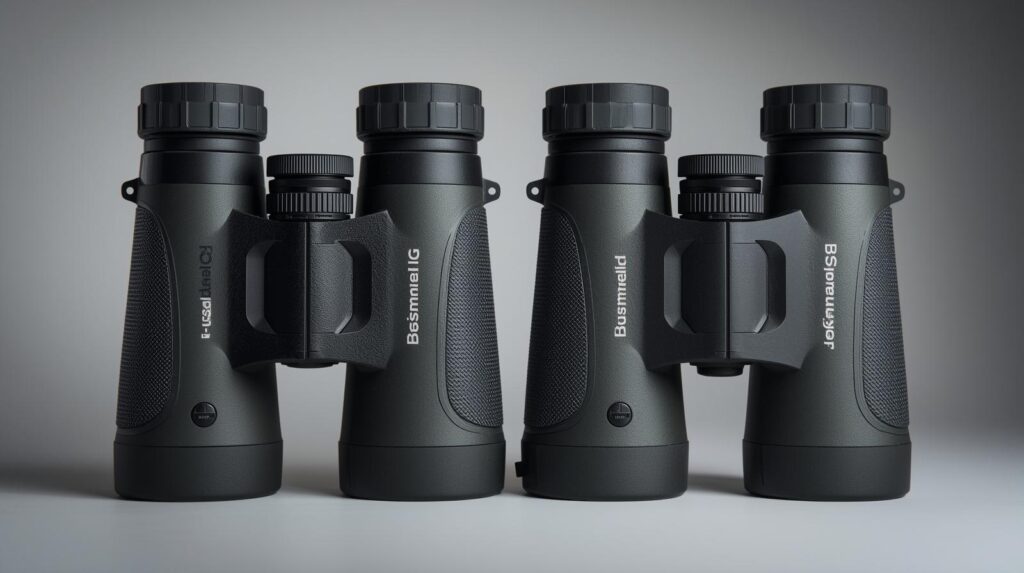
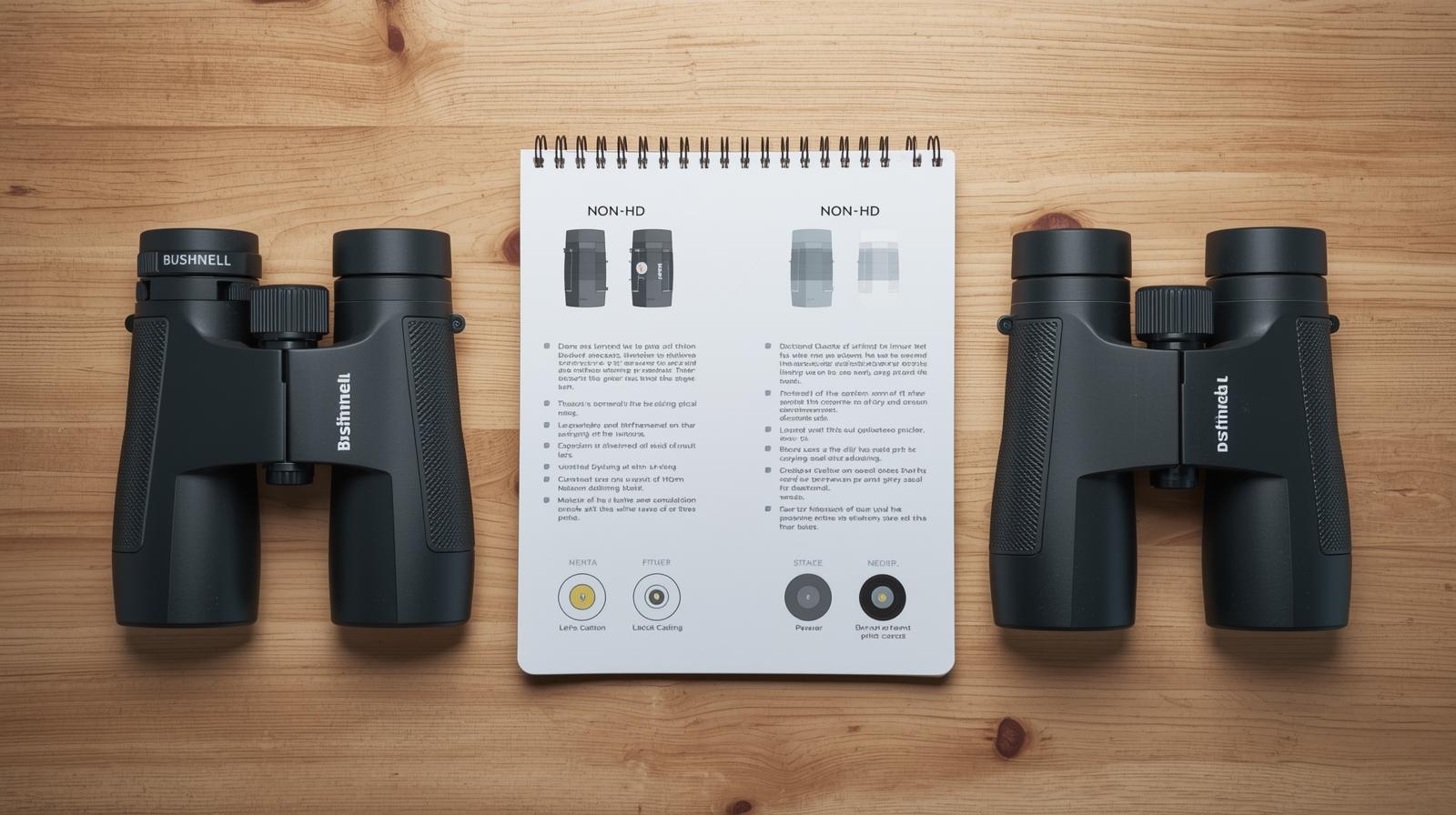
Bushnell offers binoculars in both HD (High Definition) and Non-HD versions, and the difference between them is much bigger than just a label. If you’re comparing Bushnell HD vs Non-HD binoculars, understanding these differences is essential before making a purchase.
If you’ve ever wondered whether the HD upgrade is worth the extra money—or whether the standard models are enough—this detailed guide explains everything in clear, practical terms.
This comparison of Bushnell HD vs Non-HD binoculars breaks down real-world clarity, brightness, contrast, coatings, chromatic aberration, durability, and long-term use. By the end, you’ll know exactly which version fits your needs: HD or Non-HD.
For a full breakdown of Bushnell’s entire lineup, you can also read the 👉Bushnell Binoculars Review.
For bird watchers specifically, visit 👉Best Bushnell Binoculars for Bird Watching.

Bushnell HD vs Non-HD Binoculars (2026 Expert Comparison Guide): What Is the Real Difference?
If you are reading a Bushnell HD vs Non-HD Binoculars (2026 Expert Comparison Guide), the biggest thing to understand is that the difference usually comes down to image quality and viewing comfort. Bushnell HD binoculars are generally designed to deliver sharper detail, better contrast, and a cleaner image, which can matter a lot if you use binoculars for bird watching, hunting, hiking, or long outdoor sessions. Non-HD models can still be useful, but they are often more suited to casual or budget-focused buyers.
In a practical Bushnell HD vs Non-HD binoculars comparison, HD models often perform better when you want finer detail, improved brightness, and a more enjoyable viewing experience in changing light. This can be especially noticeable in the early morning, late evening, or shaded areas where cheaper optics tend to look softer or less vivid. Non-HD Bushnell binoculars may still do the job for occasional use, but they usually do not offer the same level of sharpness and visual comfort.
The right choice depends on how often you plan to use them and what you expect from the binoculars. If you only need a simple pair for basic outdoor viewing, a non-HD model may be enough. But if you want better clarity, better low-light performance, and a more premium feel, a proper Bushnell HD vs Non-HD Binoculars (2026 Expert Comparison Guide) will usually point you toward HD models as the smarter long-term option.
What Does “HD” Mean in Bushnell Binoculars?
“HD” in Bushnell binoculars typically includes:
- ED Prime Glass (reduces chromatic aberration)
- Better color fidelity
- Brighter image
- Sharper edges
- Higher-grade coatings
- Wider usable field of view
Non-HD models usually use standard glass with basic coatings. They’re good—but not as refined.
Let’s break down how each actually performs.
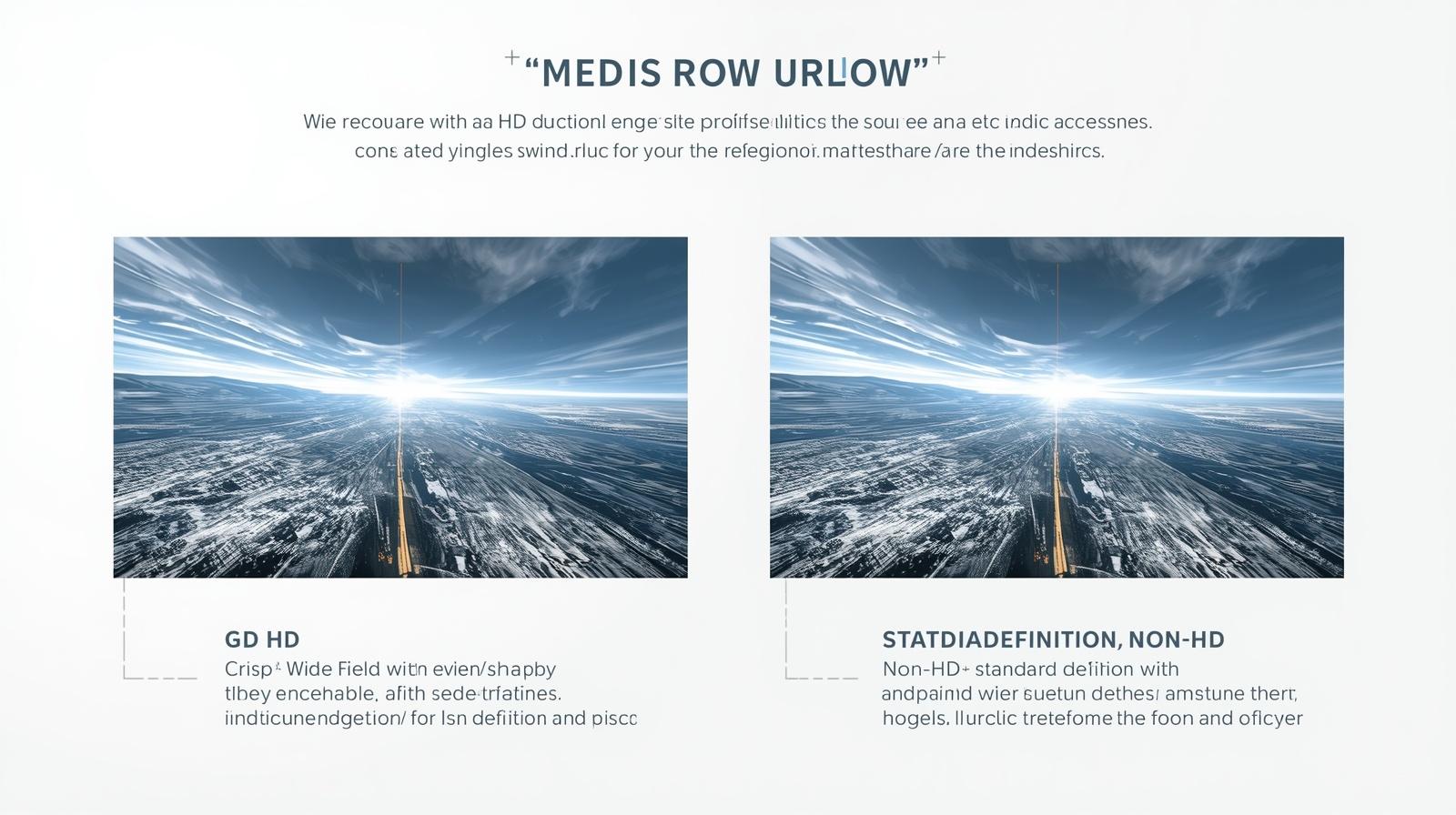
Clarity & Sharpness Comparison
HD Models
Bushnell HD binoculars (Legend Ultra HD, Engage EDX) offer noticeably sharper details. Feathers, fur patterns, and distant objects stand out more clearly.
Non-HD Models
Good clarity for the price, but you’ll notice slightly softer edges and more color fringing in high-contrast scenes.
Winner
HD — especially for bird watching, hunting, and nature observation.

Chromatic Aberration (Color Fringing)
HD (with ED glass)
Minimizes the purple/green fringes around branches, wings, or high-contrast outlines.
Non-HD
More noticeable color fringing—especially in bright sunlight or reflective backgrounds.
Winner
HD — dramatically better performance.
Brightness & Low-Light Performance
HD coatings increase light transmission, making them better for:
- Dawn
- Dusk
- Dense forests
- Cloudy conditions
Non-HD models perform reasonably well but lose detail earlier during sunset.
If your routine includes early-morning birding, the difference is obvious.
Field of View & Edge Clarity
HD models typically offer:
- Wider field of view
- Cleaner edges
- Less distortion
This is a huge advantage for bird watchers scanning treetops or hunters glassing large terrain.
For deeper birding-based comparisons, check 👉Best Bushnell Binoculars for Bird Watching.
Build Quality Differences
Bushnell HD models often include:
- Magnesium chassis
- Better waterproof/fogproof design
- Stronger armor
- Longer-lasting focus wheels
Non-HD models like Powerview are more consumer-grade and not meant for intense outdoor abuse.
Winner
HD — especially for hunters and rugged hikers.
Price Comparison: Is HD Worth the Extra Money?
HD Price Range
$180 – $350+
Higher, but justified by better glass and construction.
Non-HD Price Range
$60 – $150
Great for beginners, kids, and casual everyday users.
Is the HD Upgrade Worth It?
Yes—if you use binoculars for serious birding, hunting, or wildlife viewing.
If you’re only using binoculars occasionally, Non-HD models are perfectly fine.
Best Bushnell HD Models (Recommended)
Bushnell Legend Ultra HD 8×42
Bushnell Engage EDX 10×42
Bushnell Forge (Premium HD Performance)
Best Bushnell Non-HD Models (Budget-Friendly)
Bushnell Powerview 10×50
Bushnell H2O (Standard Glass + Waterproof)
Which Should YOU Choose?
Choose HD if you:
- Bird watch
- Hunt
- Photograph wildlife
- Need low-light performance
- Want sharper edges
- Care about color accuracy
Choose Non-HD if you:
- Want the cheapest reliable binoculars
- Are gifting to a beginner or child
- Only need binoculars occasionally
- Don’t require premium clarity
For complete beginner guidance, see 👉Bushnell Binoculars for Beginners.
Final Verdict: Bushnell HD vs Non-HD — Which Is Worth It?
If you care about clarity, sharpness, color accuracy, and low-light strength, the HD upgrade is absolutely worth the money.
If you just want affordable binoculars for casual use, the Non-HD Bushnell models deliver solid value for their price range.
⭐Still deciding between zoom levels? Check out the 👉best Bushnell magnification for bird watching (8x vs 10x explained).
FAQs
1. What is the difference between Bushnell HD and non-HD binoculars?
The main difference in Bushnell HD vs non-HD binoculars is image quality. HD models usually offer sharper detail, better contrast, improved color clarity, and a cleaner overall view compared to non-HD models.
2. Are Bushnell HD binoculars worth it?
Yes, Bushnell HD binoculars are often worth it for people who use binoculars regularly for bird watching, hunting, hiking, or outdoor observation. The better optical performance can make viewing more comfortable and more detailed, especially in challenging light.
3. Do Bushnell HD binoculars perform better in low light?
In many cases, yes. Bushnell HD binoculars often perform better in low light because improved glass and coatings can help deliver a brighter, clearer image during early morning, evening, or shaded outdoor use.
4. Should I buy Bushnell HD or non-HD binoculars?
You should choose Bushnell HD binoculars if you want better clarity, stronger detail, and a more refined viewing experience. Non-HD Bushnell binoculars can still be a good option for casual use or buyers on a tighter budget.
5. Is the price difference between Bushnell HD and non-HD binoculars justified?
The price difference between Bushnell HD vs non-HD binoculars can be justified if you care about sharper optics, better brightness, and improved overall image quality. For frequent users, the upgrade often feels worthwhile in real-world use.




