
Introduction: Winter Bird Watching Needs the Right Optics
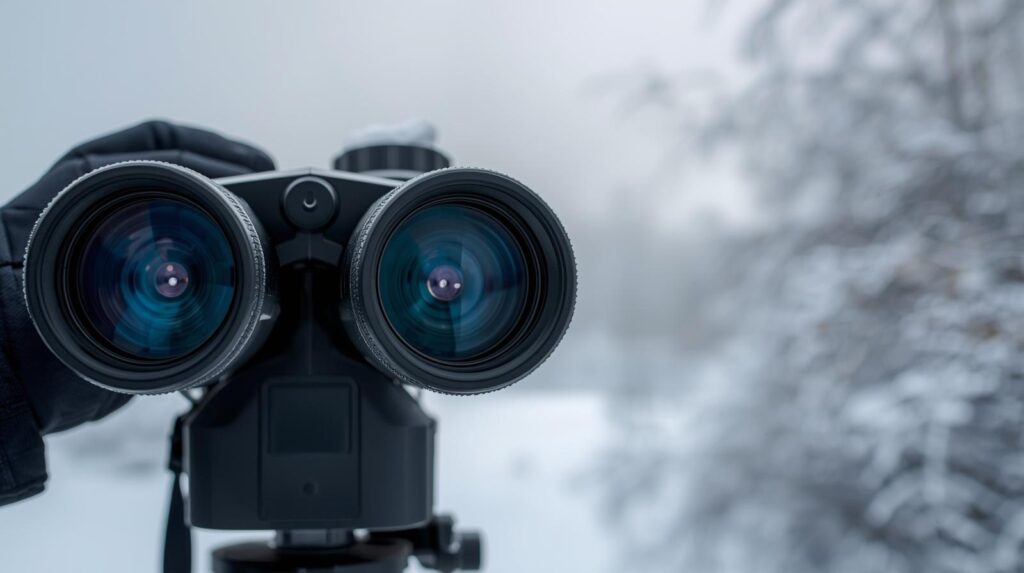
Winter may seem quiet, but for bird watchers, it’s one of the most rewarding seasons of the year. Bare trees make birds easier to spot, migratory species appear in new regions, and calm winter landscapes offer peaceful observation moments. However, cold weather also brings challenges that demand the best binoculars for watching birds in winter.
Snow, freezing temperatures, fog, and reduced daylight can affect image clarity and comfort. Standard binoculars may fog up, become stiff to focus, or lose brightness in low winter light. That’s why winter bird watching binoculars are designed with weather resistance, strong optics, and comfortable handling for cold conditions.
In this guide, we’ll explore what makes binoculars suitable for winter birding, which features matter most, and review three excellent models built to perform reliably in snow and cold weather.
Why Winter Bird Watching Requires Special Binoculars
Winter birding is different from watching birds in warmer seasons. Here’s why ordinary optics may struggle—and why the right binoculars matter:
1. Cold Temperatures Affect Performance
Extreme cold can stiffen focus wheels, reduce comfort, and cause internal fogging. Binoculars for cold weather are built to remain smooth and functional even in freezing conditions.
2. Snow and Moisture Are Constant Threats
Snowfall, melting ice, and frost can damage unsealed binoculars. Waterproof bird watching binoculars prevent moisture from entering and ruining the optics.
3. Low Winter Light Demands Better Optics
Shorter days and cloudy skies mean less light. High-quality lenses and coatings are essential for bright, sharp winter views.
4. Gloves Change How You Handle Gear
In winter, you often wear gloves. Binoculars need easy-to-use focus wheels and solid grip surfaces.
Key Features to Look for in Winter Bird Watching Binoculars
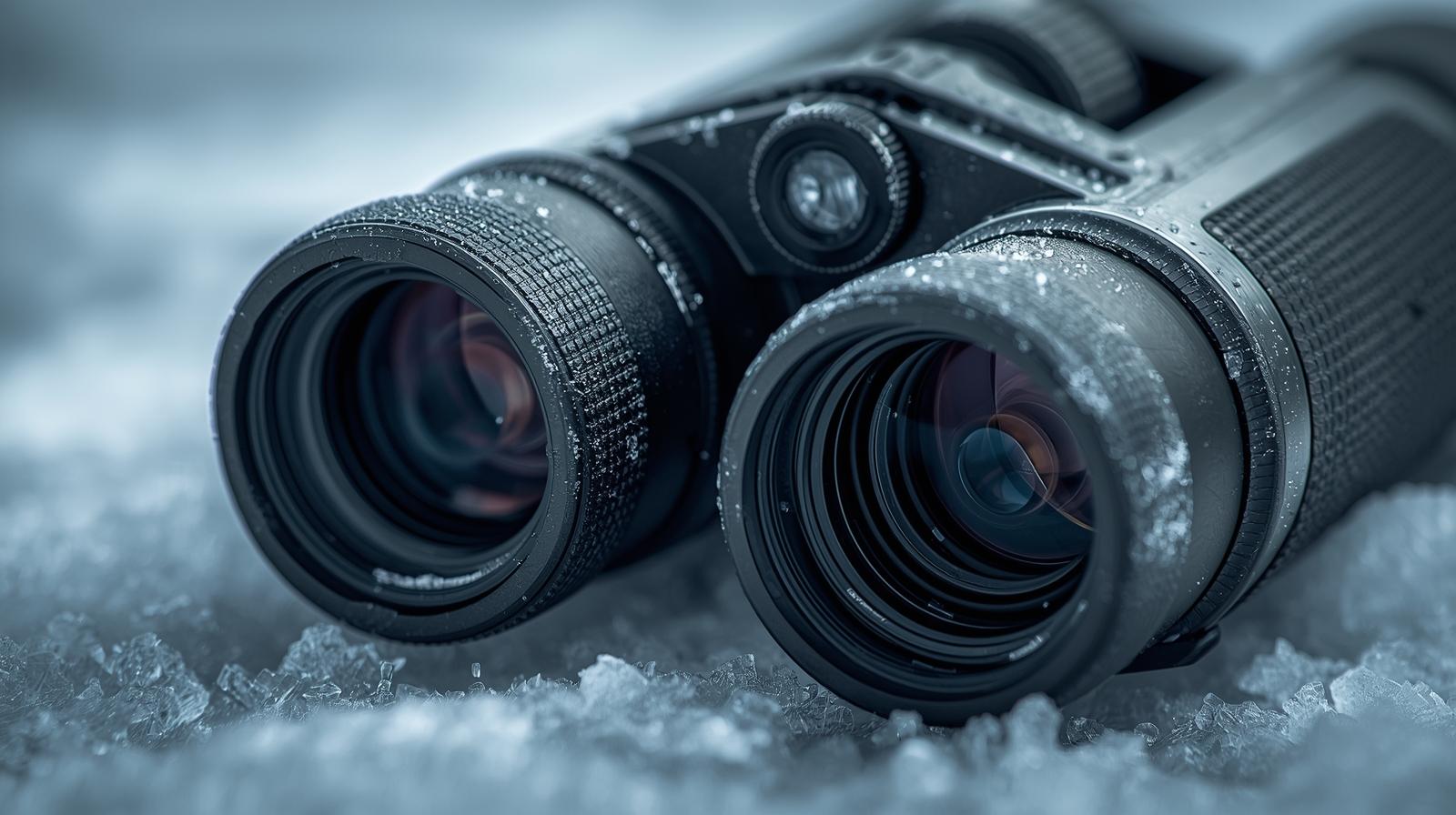
Choosing the best binoculars for watching birds in winter means focusing on reliability, clarity, and comfort.
Fully Waterproof and Fog-Proof Construction
Winter birding almost always involves moisture. Snow melts, temperatures change, and condensation forms.
Look for:
- O-ring sealed construction
- Nitrogen or argon purging
- Proven waterproof ratings
These features keep lenses clear and protect internal components.
Cold-Resistant Focus Mechanism
Cheap binoculars often become stiff in cold weather. Winter-ready binoculars maintain smooth focusing even below freezing.
A large, textured focus wheel is ideal for gloved hands.
Bright Optics for Low-Light Conditions
Winter light is softer and shorter. Optics must compensate.
Important features:
- Fully multi-coated lenses
- High light transmission
- Good contrast for spotting birds against snow
Practical Magnification for Winter Stability
Shaky hands are more common in the cold. Moderate magnification offers better stability.
- 8x magnification is excellent for stability and wide views
- 10x magnification provides more detail for distant birds
- 42mm objective lenses balance brightness and weight
Comfortable, Insulated Grip
Cold metal bodies can be uncomfortable. Rubber-armored binoculars provide insulation and better grip in icy conditions.
Comparison Table – Best Binoculars for Watching Birds in Winter
| Model | Magnification | Weather Protection | Best For | Pros | Cons | Rating |
|---|---|---|---|---|---|---|
| Nikon Monarch 5 8×42 | 8x | Waterproof | Stable viewing | Lightweight | Less zoom | ★★★★☆ (4.6/5) |
| Vortex Viper HD 10×42 | 10x | Waterproof & fog-proof | All-around winter birding | Excellent clarity | Higher cost | ★★★★★ (4.8/5) |
| Leica Ultravid 10×42 HD-Plus | 10x | Premium sealing | Low-light performance | Exceptional optics | Expensive | ★★★★★ (4.9/5) |
Top Picks: Best Binoculars for Watching Birds in Winter
1. Nikon Monarch 5 8×42 – Best for Comfortable Winter Birding
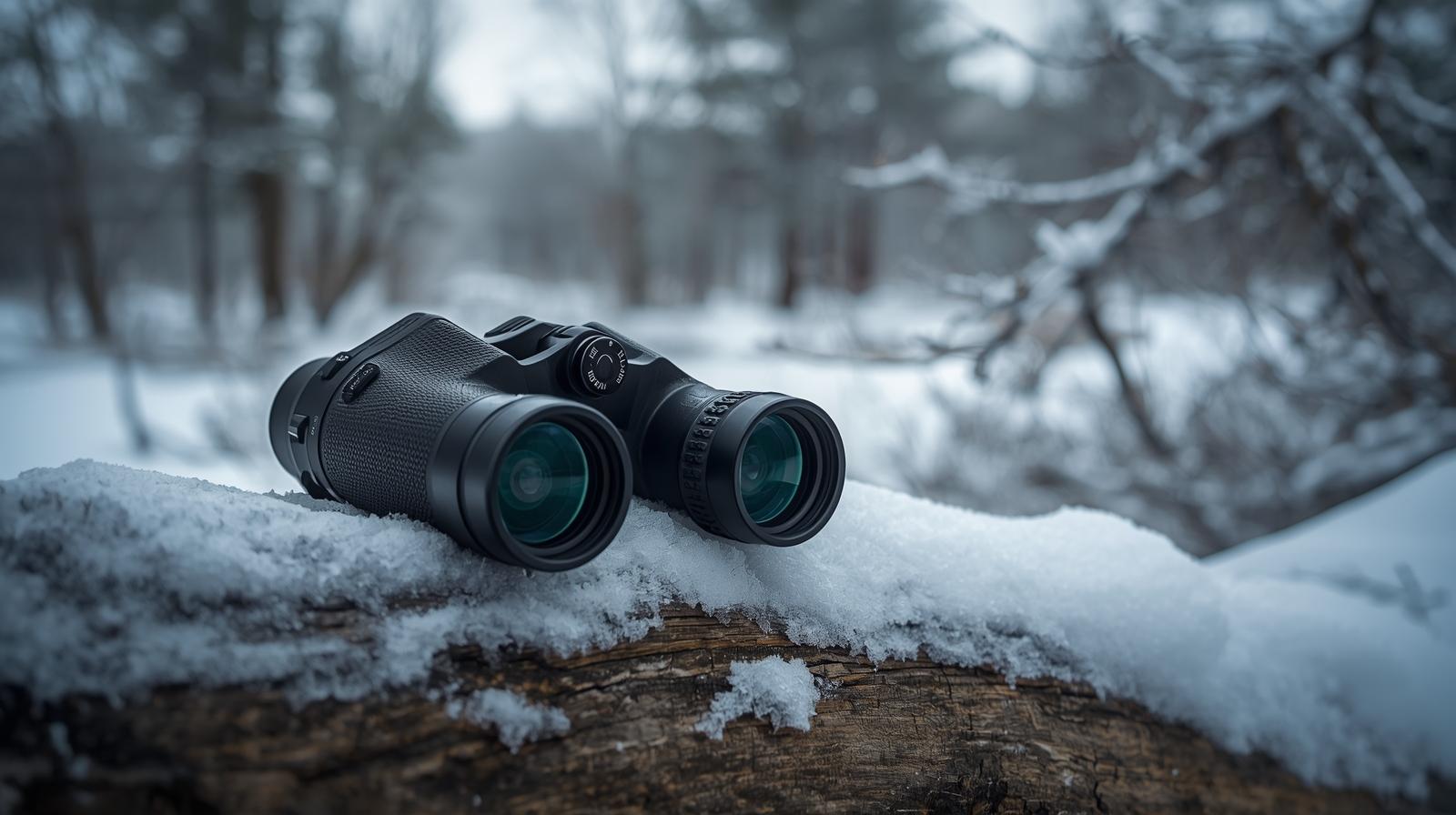
The Nikon Monarch 5 8×42 is an excellent choice for winter bird watchers who value comfort, stability, and reliability.
Key Features
- 8x magnification
- Waterproof and fog-proof
- Lightweight design
Pros
- Very stable viewing in cold weather
- Comfortable to carry for long winter walks
- Bright, clear images
Cons
- Less magnification for very distant birds
Why We Recommend It
Ideal for long winter sessions where comfort and stability matter more than extreme zoom.
2. Vortex Optics Viper HD 10×42 – Best All-Weather Winter Birding Binoculars
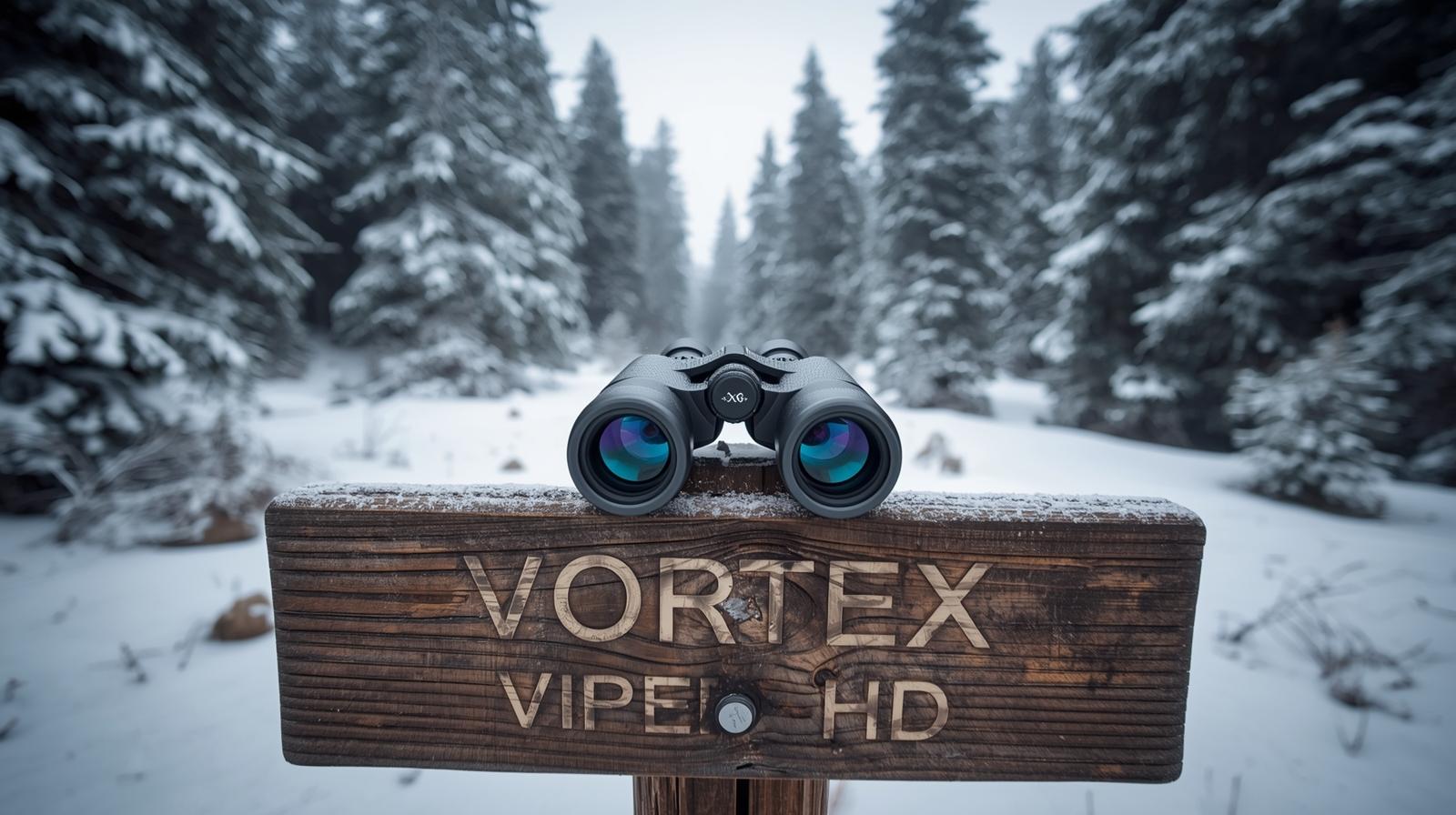
The Vortex Optics Viper HD 10×42 is built for serious bird watchers who go out regardless of weather. It performs exceptionally well in cold, wet, and low-light conditions.
Key Features
- HD glass for superior clarity
- Waterproof and fog-proof
- Rugged rubber armor
Pros
- Sharp images even in dim winter light
- Reliable focus in cold weather
- Excellent durability
Cons
- Heavier than entry-level models
Why We Recommend It
A perfect balance of performance and durability for winter birding in tough conditions.
3. Leica Ultravid 10×42 HD-Plus – Best Premium Binoculars for Winter Bird Watching
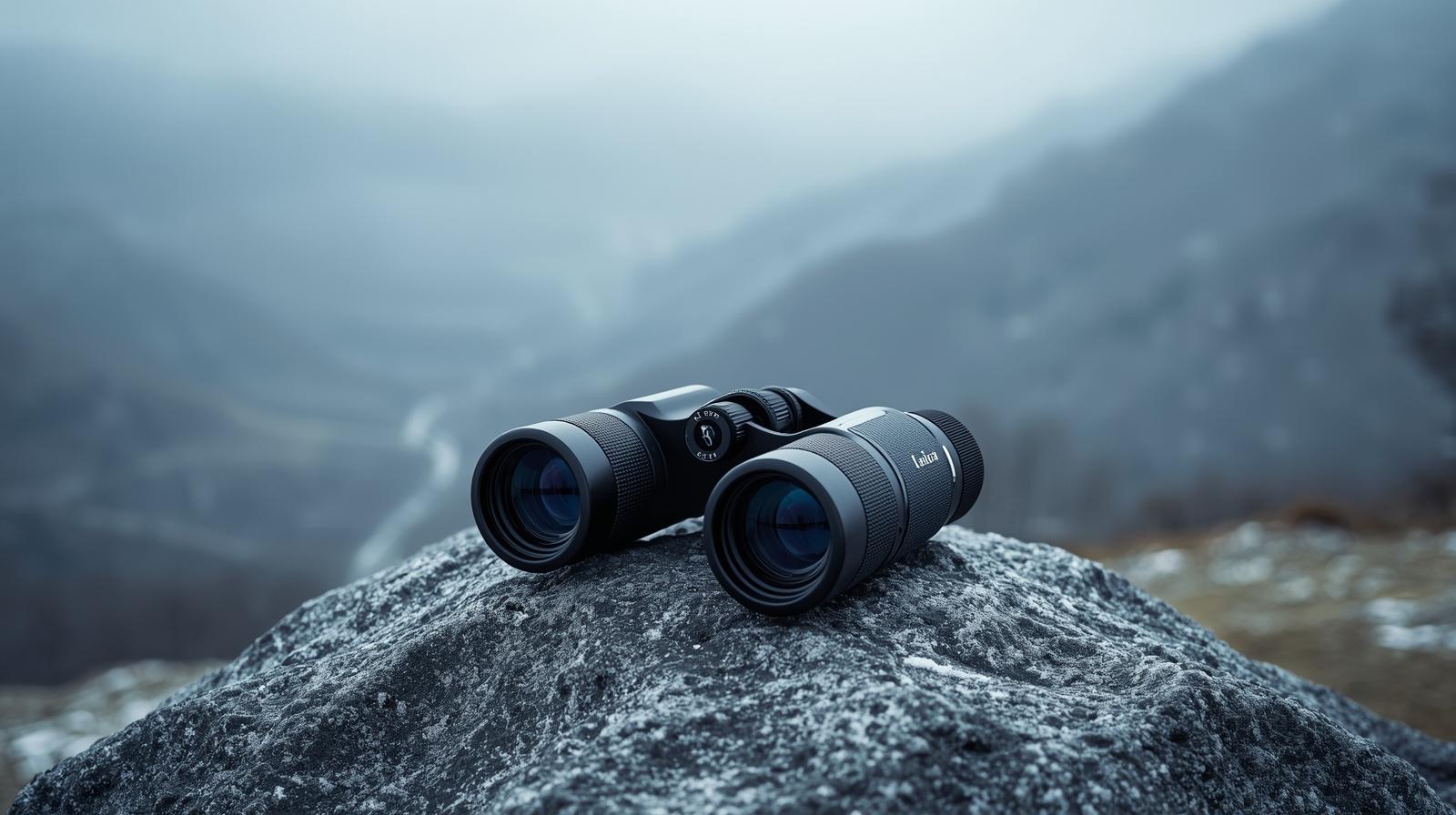
The Leica Ultravid 10×42 HD-Plus represents the highest level of optical performance for winter bird watching.
Key Features
- Premium HD-Plus glass
- Exceptional low-light performance
- Compact, weather-sealed design
Pros
- Outstanding brightness and contrast
- Superb detail against snowy backgrounds
- Extremely reliable in cold weather
Cons
- High price
Why We Recommend It
Best for experienced birders who want the clearest possible winter views without compromise.
Best Winter Environments for Bird Watching
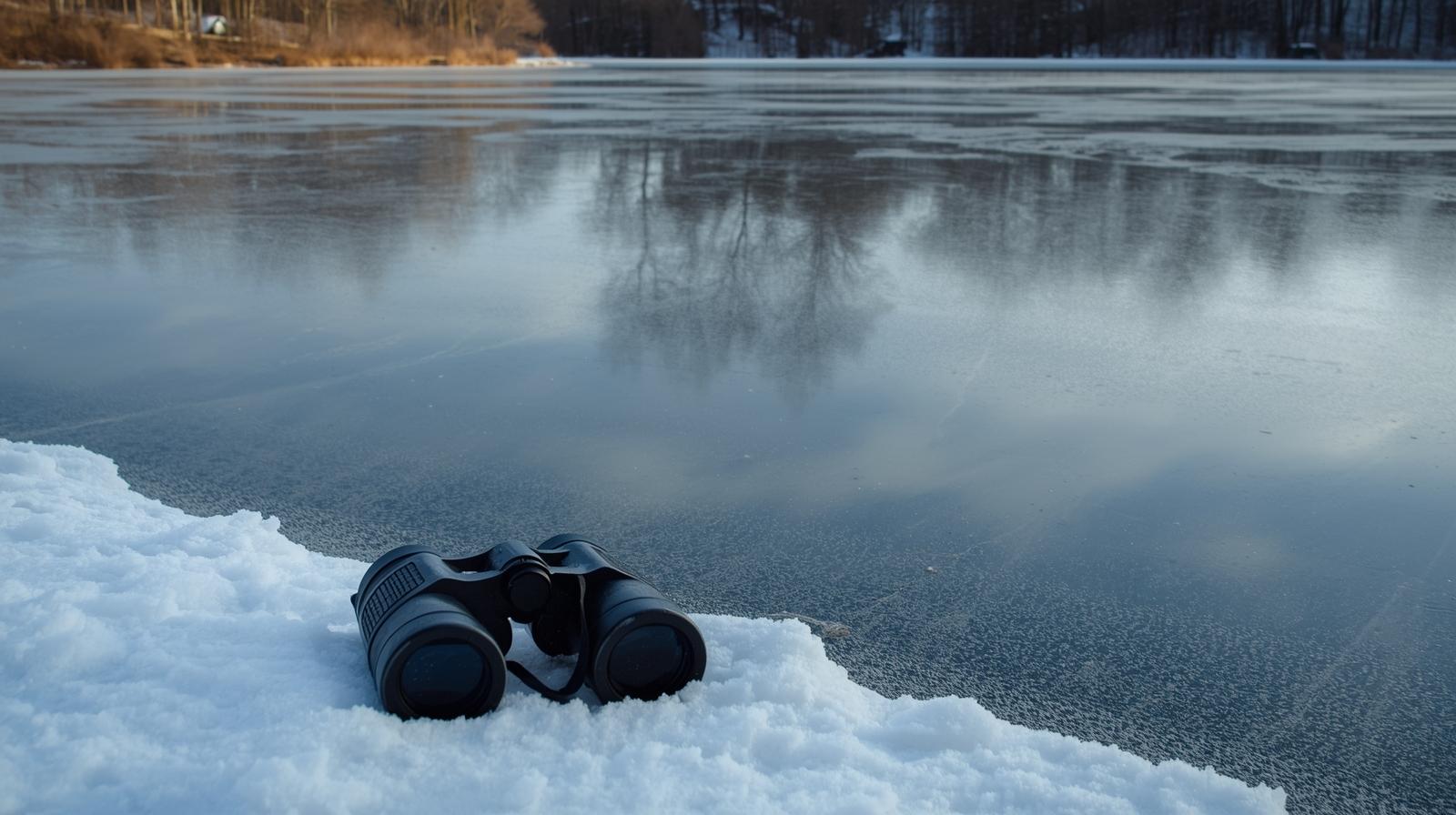
- Snowy forests
- Frozen lakes and wetlands
- Open fields and meadows
- Coastal winter habitats
Winter often reveals birds more clearly due to reduced foliage.
Tips for Using Binoculars in Winter
- Keep binoculars inside jacket when not in use
- Avoid breathing directly on lenses
- Use lens covers to prevent snow buildup
- Let binoculars adjust gradually to temperature changes
These small habits protect your optics and improve performance.
Final Verdict: Best Binoculars for Watching Birds in Winter
- Best for Stability: Nikon Monarch 5 8×42
- Best All-Weather Option: Vortex Viper HD 10×42
- Best Premium Choice: Leica Ultravid 10×42 HD-Plus
The best binoculars for watching birds in winter combine waterproof protection, bright optics, and cold-weather reliability—so snow and frost never block your view.
Related Posts
- Best Binoculars for Bird Watching
- Best Binoculars for Cold Weather Use
- Best Waterproof Binoculars for Outdoors
Enjoy Winter Birding Without Limits
👉Winter birds are waiting. Don’t let cold weather stop you. Choose the best binoculars for watching birds in winter and enjoy crystal-clear views all season long.
FAQs – Best Binoculars for Watching Birds in Winter
Are binoculars affected by cold weather?
Yes, low temperatures can affect focus and fogging if binoculars aren’t properly sealed.
What magnification is best for winter bird watching?
8x–10x magnification offers the best balance of stability and detail in cold conditions.
Do winter binoculars need to be waterproof?
Absolutely. Snow and condensation make waterproofing essential.
Can premium binoculars improve winter visibility?
Yes, higher-quality glass performs much better in low-light winter environments.
How should binoculars be stored after winter use?
Dry them fully and store in a warm, dry place.
Do binoculars fog up when moving between cold and warm environments?
Yes. Rapid temperature changes can cause condensation on the lenses. Allow your binoculars to gradually adjust to the new temperature to reduce fogging.




