
Introduction: The Magic of a Nighttime Safari
A nighttime safari offers a unique and thrilling experience. The African plains, savannas, and jungles come alive after dark, with nocturnal animals emerging from their hiding spots, ready to reveal a side of the wilderness that is impossible to witness during the day. But this fascinating experience requires the right tools—the best binoculars for nighttime safari—to help you observe these creatures with clarity and detail, even in low light.
Whether you’re observing leopards, hyenas, or the stars above, having the right pair of binoculars can enhance your safari experience. Safari binoculars designed for night viewing are built to handle low-light conditions, allowing you to see clearly even after the sun sets. With the help of infrared safari binoculars or night vision binoculars, you can experience the nocturnal magic of the wild with ease.
In this complete guide, we’ll explore the best binoculars for a nighttime safari, focusing on the essential features, types of optics, and our top three picks for your next safari adventure.
Why You Need Special Binoculars for a Nighttime Safari
A standard pair of binoculars won’t cut it when you’re out on a safari at night. Here’s why you need specialized binoculars for such an adventure.
Low Light Performance
At night, the amount of available light is limited. The best binoculars for night viewing offer high light transmission to ensure you get clear and sharp images, even when the moon is your only light source.
Clear Vision in Complete Darkness
Some models, like night vision binoculars, are equipped with infrared technology to enhance your ability to see in total darkness. This allows you to spot animals, birds, or even distant landmarks that would be invisible to the naked eye.
Nighttime Wildlife Observation
Safari animals behave differently at night. Predators such as lions and leopards often hunt after dark, and nocturnal creatures like owls and civet cats are more active. Safari binoculars designed for nighttime use help you observe these fascinating creatures without disturbing their natural behavior.
Durability for Harsh Conditions
On a safari, you’ll face dust, humidity, rain, and rough handling. Rugged binoculars built for the outdoors are designed to withstand these elements, ensuring they continue to perform well throughout your adventure.
What Makes Binoculars Great for Nighttime Safari Adventures?
Here are the key features to consider when choosing binoculars for a nighttime safari:
1. Magnification and Objective Lens Size
For a nighttime safari, you need binoculars with the right combination of magnification and objective lens size.
- 10x magnification is often the sweet spot for safari binoculars as it allows you to view distant animals with clarity, without making the image too shaky.
- Objective lenses of 42mm to 50mm gather more light, which is crucial for clear views in low-light conditions.
The larger the objective lens, the better the performance in darker environments.
2. Light Transmission and Coating
Optical coatings play a critical role in improving light transmission and contrast in low-light settings. The best binoculars for night viewing feature multi-coated or fully multi-coated lenses, which maximize the amount of light transmitted through the lenses, making it easier to spot animals in dim light.
3. Waterproof and Fog-Proof Capabilities
On a safari, you might encounter unexpected weather, whether it’s humidity, light rain, or dew. Waterproof and fog-proof binoculars ensure you get clear, reliable performance, even in these challenging conditions.
4. Night Vision and Infrared Technology
For those looking to experience a nighttime safari in complete darkness, infrared safari binoculars or night vision binoculars are a game-changer. These binoculars use infrared illuminators to provide enhanced visibility in the dark. They are essential for spotting elusive wildlife after sunset.
Comparison Table – Best Binoculars for Nighttime Safari
| Model | Magnification | Key Strength | Pros | Cons | Rating |
|---|---|---|---|---|---|
| Steiner Safari UltraSharp 10×26 | 10x | Lightweight & compact | Bright, clear images | Smaller objective lenses | ★★★★★ (4.8/5) |
| Vortex Optics Viper HD 10×42 | 10x | Excellent clarity | Superior light transmission | Slightly heavier | ★★★★★ (4.9/5) |
| Leica Ultravid 8×32 HD-Plus | 8x | Premium performance | Superior low-light performance | Higher price | ★★★★★ (4.9/5) |
Top Picks: Best Binoculars for Nighttime Safari
1. Steiner Safari UltraSharp 10×26 – Best Lightweight Binoculars for Night Safari
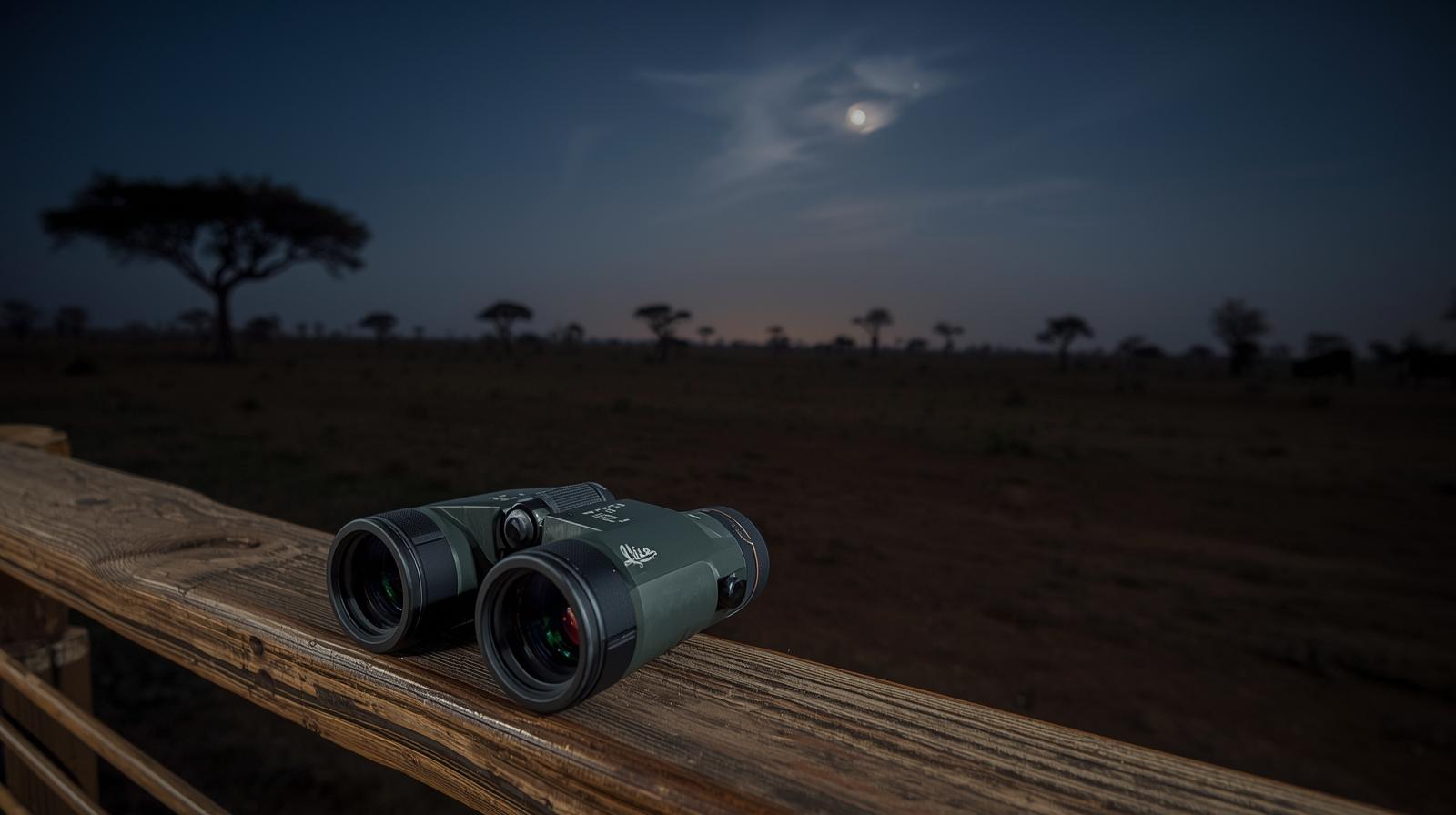
The Steiner Safari UltraSharp 10×26 Binoculars are the perfect lightweight option for those who want clear views and easy portability without sacrificing performance.
Key Features
- 10x magnification
- 26mm objective lens
- Waterproof and fog-resistant design
Pros
- Compact and easy to carry
- Crisp, clear image even in low light
- Great for quick observations and longer viewing
Cons
- Smaller objective lens (26mm) limits light in very dark conditions
- Not the best for extreme low-light environments
Why We Recommend It
Perfect for travelers who want compact, reliable binoculars that perform well in night safari conditions.
2. Vortex Optics Viper HD 10×42 – Best Overall Binoculars for Nighttime Safari
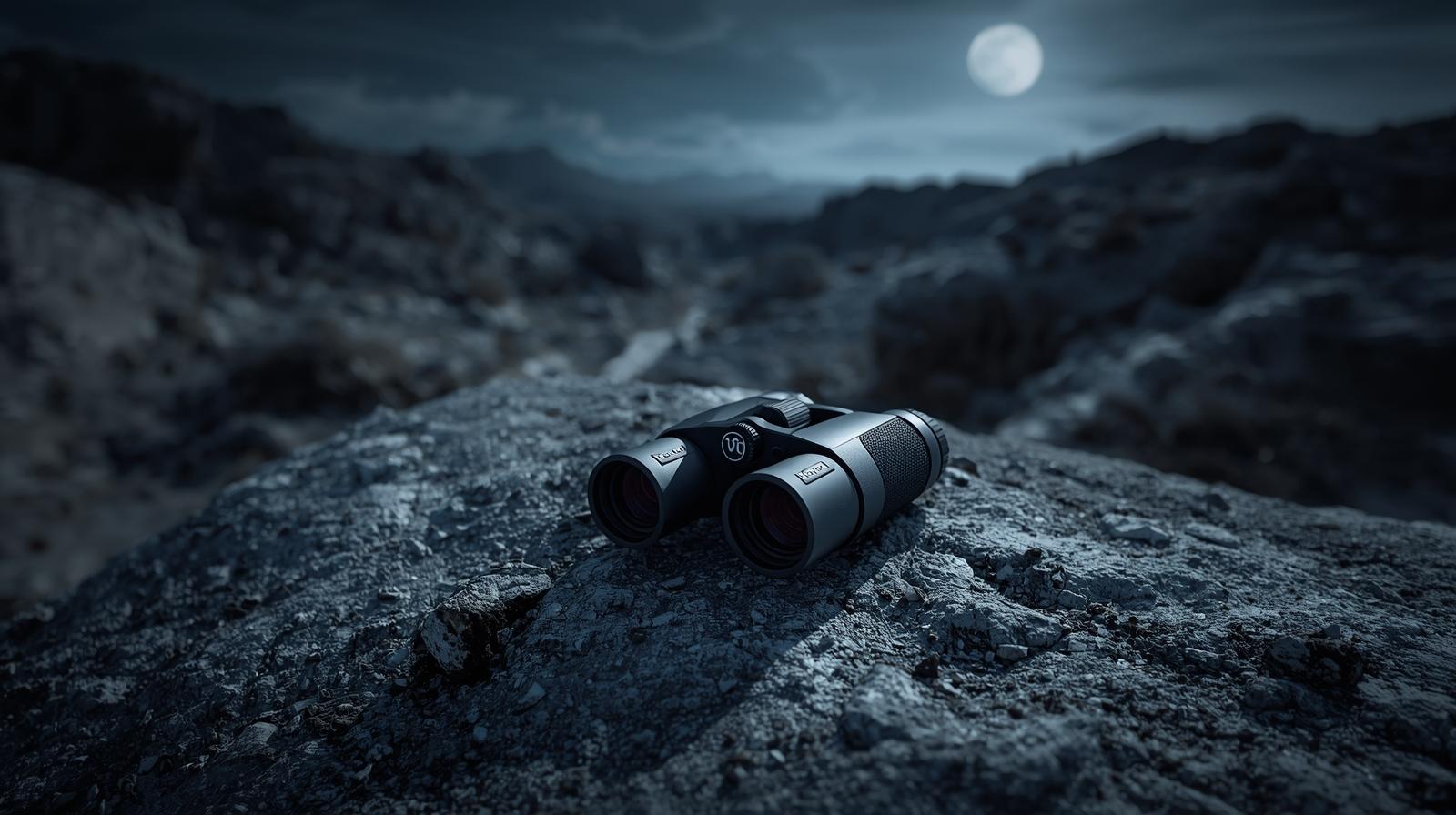
The Vortex Optics Viper HD 10×42 Binoculars combine high-definition optics with durability to provide an exceptional viewing experience in all lighting conditions.
Key Features
- 10x magnification
- HD glass with superior clarity
- Waterproof, fog-proof, and shockproof
Pros
- Excellent light transmission and clarity
- Ideal for both daytime and nighttime safaris
- Durable, all-weather design
Cons
- Slightly heavier than compact models
- Not equipped with night vision
Why We Recommend It
For a premium, all-around option, the Vortex Viper HD offers the best performance across the board, including nighttime safaris.
3. Leica Ultravid 8×32 HD-Plus – Best for Premium Low-Light Performance
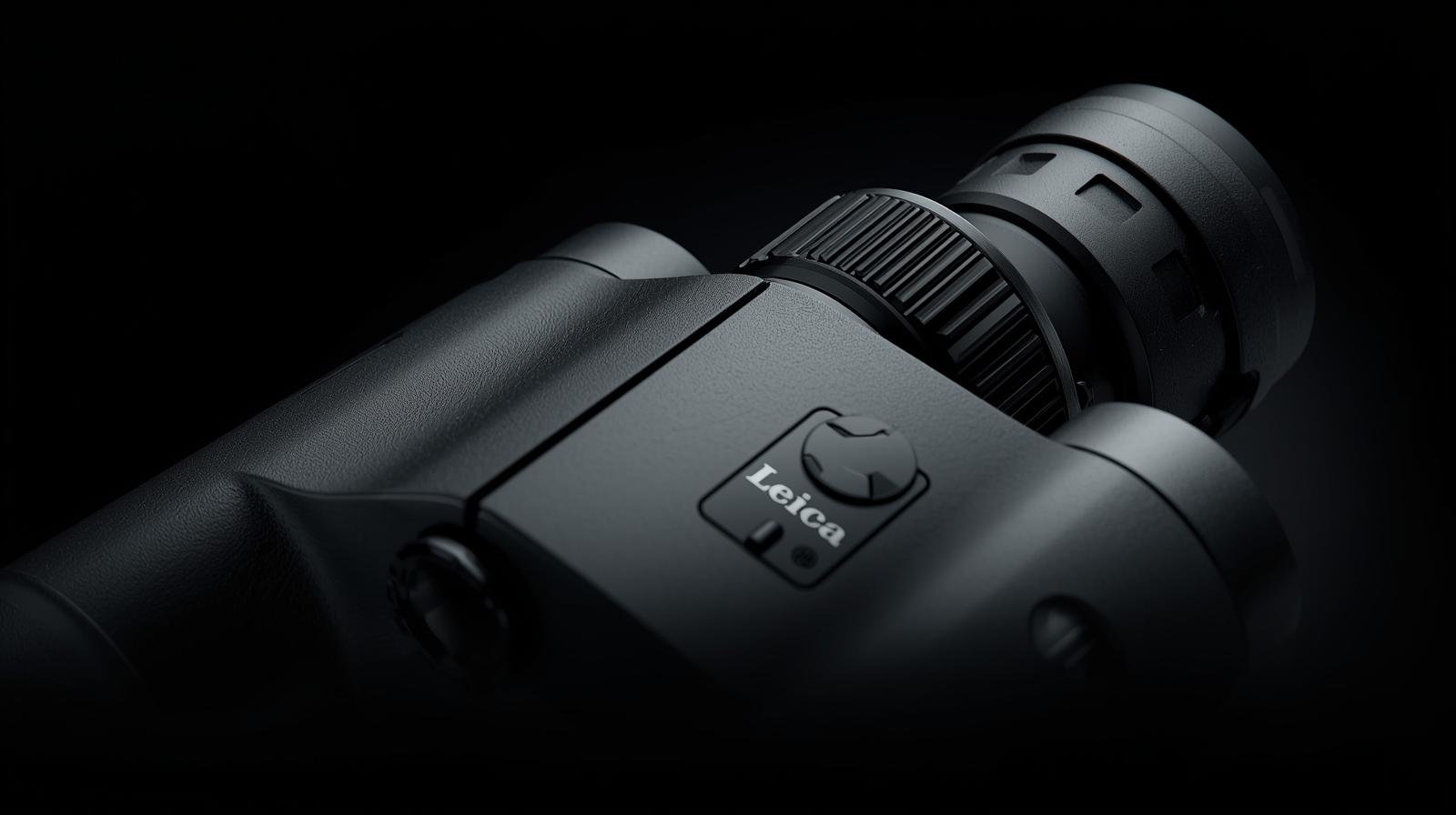
The Leica Ultravid 8×32 HD-Plus Binoculars are built for premium clarity and outstanding low-light performance. Perfect for serious wildlife enthusiasts who want exceptional quality.
Key Features
- 8x magnification
- 32mm objective lens
- Fully multi-coated optics for superior light transmission
Pros
- Incredible color accuracy and image sharpness
- Best-in-class low-light performance
- Extremely durable and ergonomic
Cons
- Expensive
- Slightly lower magnification (8x) compared to others
Why We Recommend It
If you’re looking for top-tier optics with excellent low-light performance for your safari adventure, the Leica Ultravid 8×32 is a premium choice.
How to Choose Binoculars for Nighttime Safari
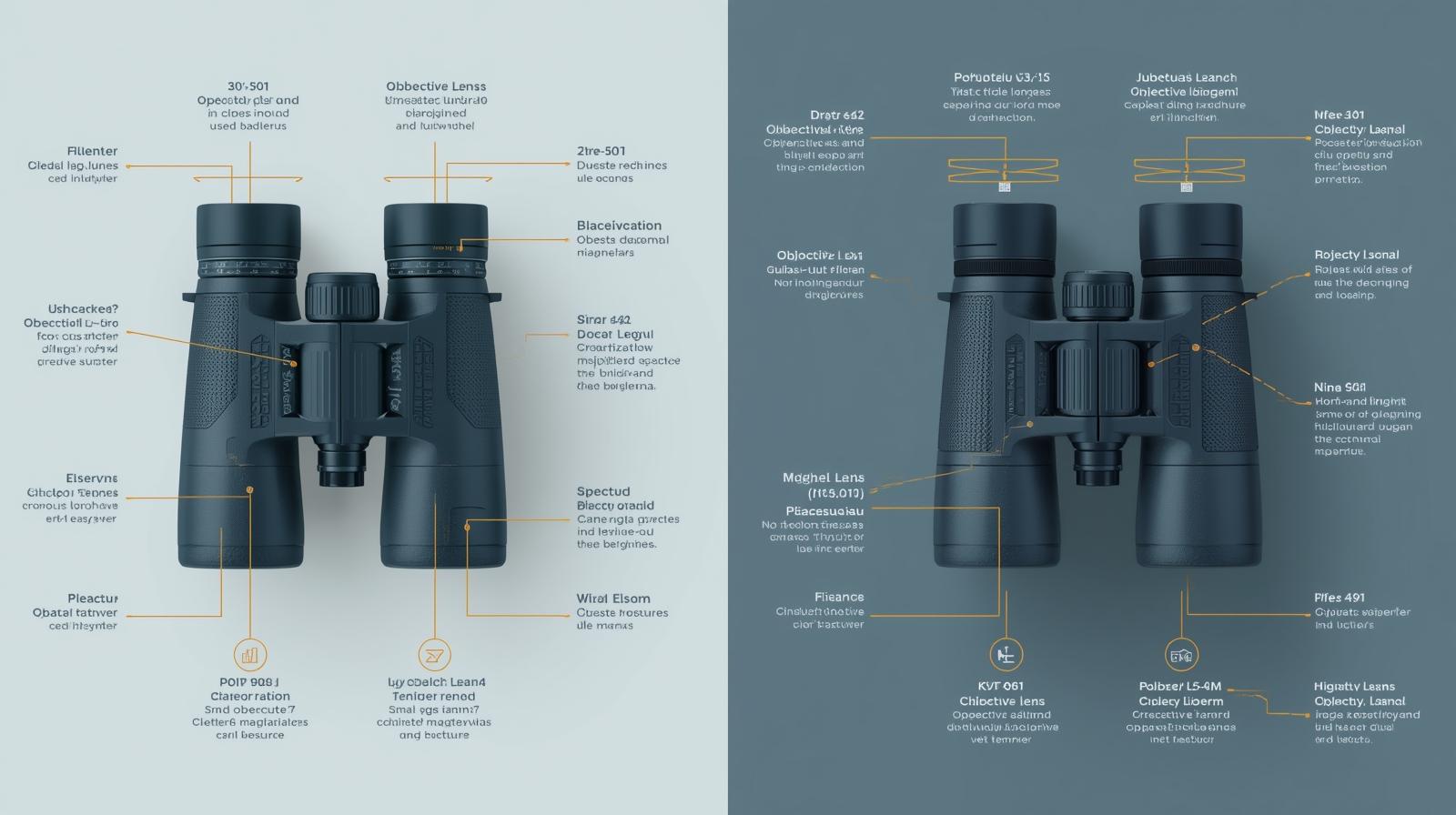
Choose 8x Magnification If:
- You prefer stability in your hands
- You want a wide field of view for general safari viewing
- You’re looking for something compact and easy to carry
Choose 10x Magnification If:
- You want more detail at longer distances
- You’re focused on spotting animals at a distance
- You prefer a higher-powered zoom for focused observations
Tips for Using Binoculars on a Nighttime Safari
- Use a tripod: For longer viewing, a tripod helps stabilize binoculars, especially with higher magnification.
- Avoid quick movements: Slowly pan across the landscape to avoid missing any subtle movement.
- Take breaks: Long periods of use can cause eye strain, so take breaks to keep your focus sharp.
Final Verdict: Best Binoculars for Nighttime Safari
- Best for Portability: Steiner Safari UltraSharp 10×26
- Best Overall: Vortex Optics Viper HD 10×42
- Best for Low-Light Performance: Leica Ultravid 8×32 HD-Plus
Each of these binoculars brings unique features to the table, depending on your specific safari needs. Whether you’re traveling light, looking for the highest clarity, or seeking advanced performance for night vision, there’s a perfect option for you.
Related Posts
- Best Binoculars for Daytime Safaris
- Best Binoculars for Wildlife Watching
- Night Vision Optics for Hunting and Safari
Call to Action – See the Wild After Dark with the Best Binoculars
Ready to explore the safari after sunset? Choose the best binoculars for nighttime safari and discover a whole new world of wildlife.
See the Wild After Dark with the Best Binoculars
👉Ready to explore the safari after sunset? Choose the best binoculars for nighttime safari and discover a whole new world of wildlife.
👉 Shop Steiner Safari UltraSharp – https://amzn.to/3MR46fb
👉 View Vortex Optics Viper HD – https://amzn.to/4jgByaQ
👉 Check Leica Ultravid HD-Plus – https://amzn.to/4jjr9eB
FAQs – Best Binoculars for Nighttime Safari
Are night vision binoculars necessary for a nighttime safari?
For serious nocturnal wildlife observation, night vision binoculars or infrared binoculars are ideal, but for most safaris, high-quality 10×42 binoculars suffice.
What magnification is best for nighttime safaris?
10x magnification is the most recommended for nighttime safaris as it balances detail with ease of use.
Are infrared safari binoculars worth it?
Yes, if you plan to observe in complete darkness or in areas with minimal light.
Can binoculars help spot animals at night?
Yes, high-quality binoculars for night viewing allow you to spot distant animals in low-light conditions.
Are premium binoculars worth the investment for safaris?
Absolutely. They provide better clarity, light transmission, and durability under challenging conditions.




