
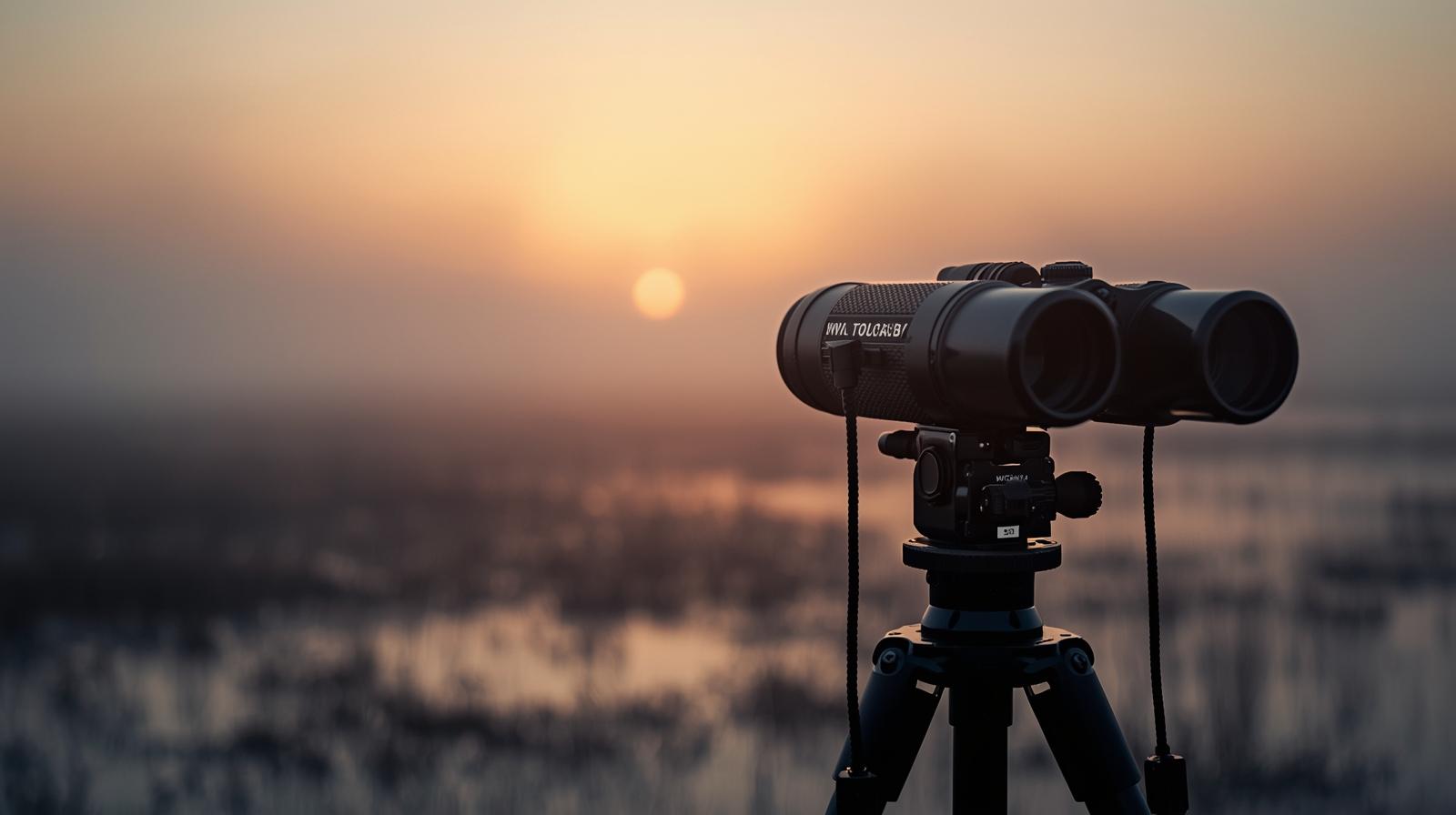
Birdwatching in 2026 has become more advanced, more precise, and more exciting. With modern binoculars offering higher magnification and wider fields of view, birders now expect sharper, steadier images — especially when observing distant raptors, shorebirds, and fast-moving species. And the truth is simple:
Even the best binoculars cannot reach their full potential without a stable tripod.
Whether you’re scanning open marshlands, identifying hawks on faraway cliffs, or observing waterfowl across lakes, binocular tripods for birdwatching dramatically improve clarity and reduce eye fatigue.
This guide covers the best binocular tripods for birdwatching in 2026, including top-rated models from Vanguard, Celestron, and Vortex. You’ll also learn how to choose the ideal tripod for your birding style, plus get pro tips for stability, portability, and long-session comfort.
Why a Good Tripod Matters for Birdwatching
Handheld binoculars are great for quick observations, but when:
- you’re using 10x, 12x, 16x, or 20x magnification,
- observing birds that are hundreds of meters away,
- watching wildlife for long periods,
- or taking digiscoped photos,
even the steadiest birder experiences handshake and eye strain.
A tripod solves everything:
- Eliminates vibration
- Guarantees steady viewing
- Enhances detail recognition
- Helps spot distant plumage patterns
- Improves long-term comfort
- Essential for photography + bird ID
Birders who switch from handheld to tripod-supported viewing always notice sharper, more detailed sightings — especially at dawn or dusk.
Quick Comparison – Best Tripods for Birdwatching in 2026
| Model | Height | Weight | Best For | Pros | Cons | Rating |
|---|---|---|---|---|---|---|
| Vanguard Alta Pro 263AB | Up to 69.1 in | 5.4 lbs | All-around stability | Extremely stable, multi-angle center column, professional build | Slightly heavier | ⭐⭐⭐⭐⭐ |
| Celestron Hummingbird Tripod | Up to 63 in | 3.6 lbs | Lightweight travel | Compact, portable, ideal for field use | Not suitable for extra-heavy binoculars | ⭐⭐⭐⭐☆ |
| Vortex Mountain Pass Tripod Kit | Up to 56 in | 3.1 lbs | Mountain & trekking birding | Super lightweight, smooth pan head, rugged | Shorter max height | ⭐⭐⭐⭐⭐ |
Vanguard Alta Pro 263AB Tripod – Best Overall Birdwatching Tripod for 2026
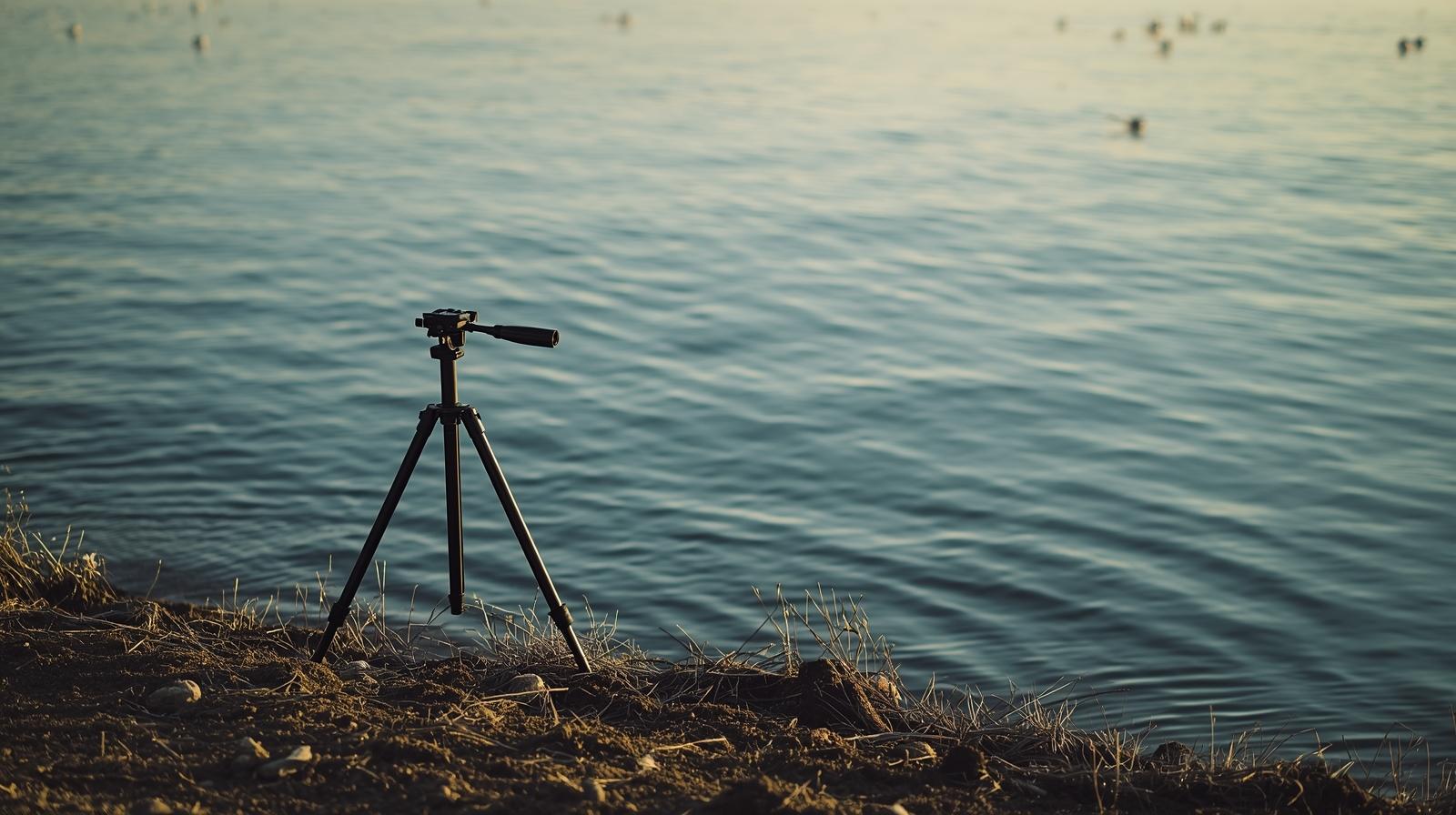
The Vanguard Alta Pro 263AB continues to dominate the tripod category in 2026 due to its unmatched combination of stability, durability, and versatility. Whether you’re birding in wetlands, forests, or open grasslands, its strong aluminum legs keep binoculars steady even in windy conditions.
Key Features
- Multi-angle center column (MACC) for low-angle bird photography
- Thick, stable aluminum legs
- Smooth, fluid ball head for easy panning
- Rubberized feet for grip
- Quick-flip leg locks
Performance
The Alta Pro offers professional-level steadiness, ideal for long-distance birdwatching. The fluid head allows seamless tracking of fast-moving species like falcons, swallows, and warblers — without the jitter you get from cheaper tripods.
Why Birdwatchers Love It
- Zero vibration
- Excellent height for tall birders
- Ultra-stable for 10x–20x binoculars
- Great choice for both amateur and pro birders
Pros
- Extremely stable
- Multi-angle shooting options
- High build quality
- Smooth panning and tilting
Cons
- Heavier than travel tripods
Best For
- Stationary bird observation
- Wetlands, cliffs, open fields
- Digiscoping with binoculars
Celestron Hummingbird Tripod – Best Lightweight Tripod for Traveling Birders
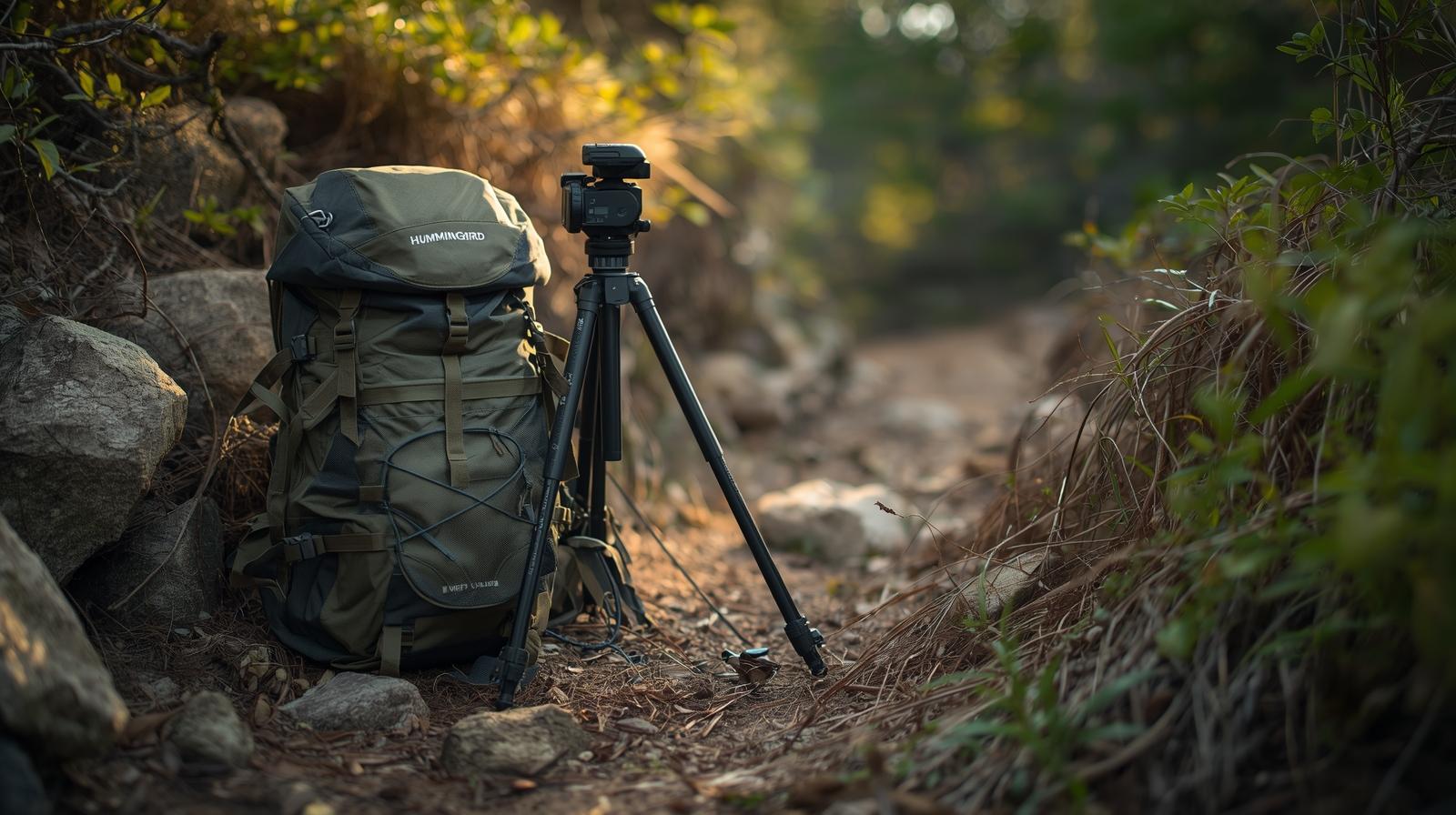
The Celestron Hummingbird Tripod is designed for birders who value portability. At just over 3.6 lbs, it’s easy to carry on long hikes, making it a favorite for traveling birders and field observers.
Key Features
- Lightweight aluminum design
- Quick-release plate for fast mounting
- Pan-tilt head for controlled movement
- Compact foldable size
Performance
This tripod provides adequate stability for most birding binoculars, especially 8x to 12x models. It’s a great pick for bird photographers using lighter digiscoping setups.
Why Birdwatchers Love It
- Super lightweight
- Ideal for long walks and travel
- Easily fits in a backpack
- Adjustable height for field flexibility
Pros
- Very portable
- Smooth pan-tilt head
- Great for beginners and travelers
Cons
- Not ideal for heavy binoculars (15x+ models)
Best For
- Travel birders
- Mountain and forest hikes
- Casual weekend birdwatching
Vortex Optics Mountain Pass Tripod Kit – Best for Rugged, Outdoor Birding
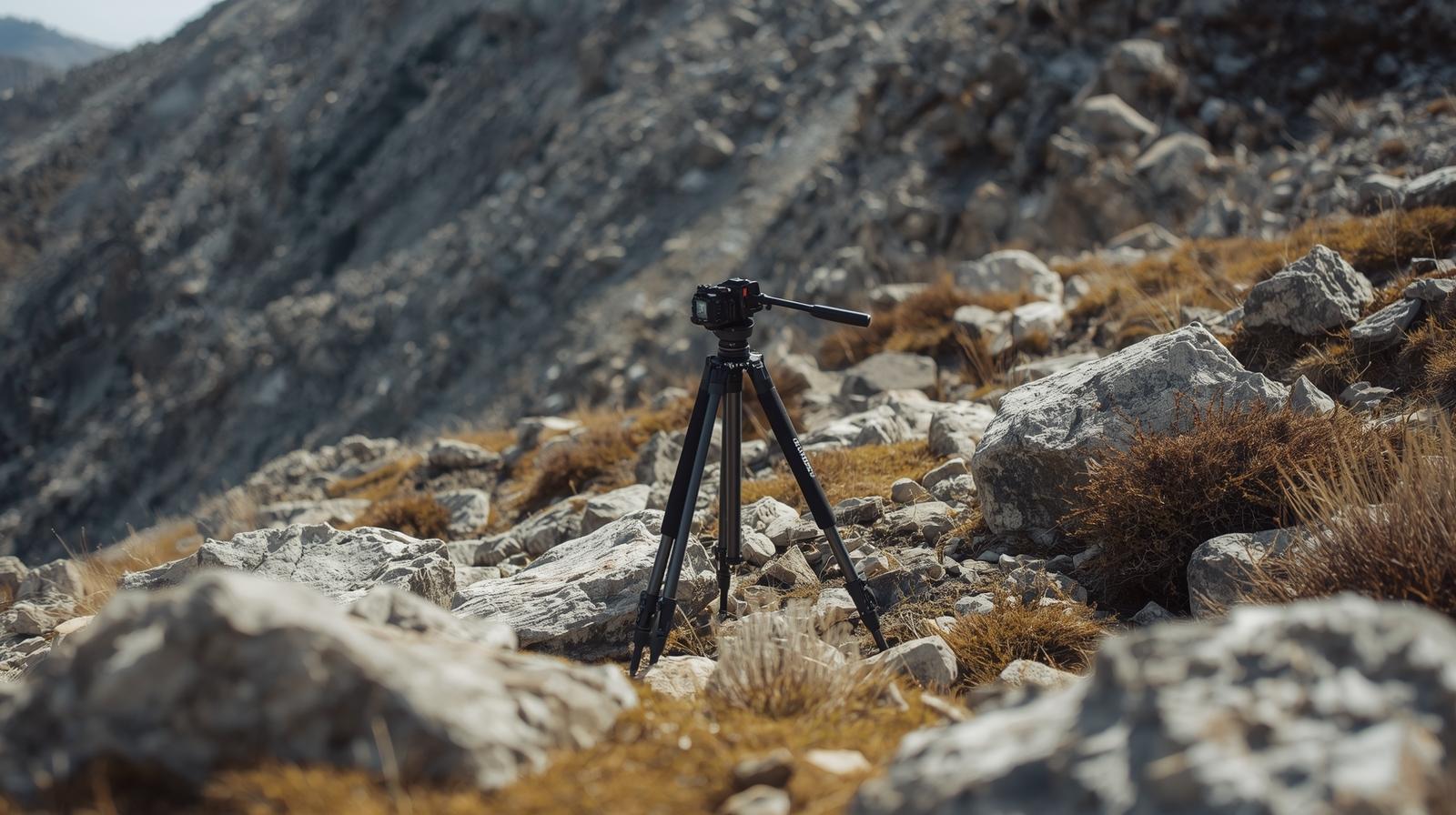
The Vortex Mountain Pass Tripod Kit is built for rugged outdoor conditions. It’s extremely lightweight at 3.1 lbs but still strong enough to support high-magnification binoculars with surprising stability.
Key Features
- Sturdy aluminum legs
- 2-way pan head for smooth bird tracking
- Quick-release mounting plate
- Rubber feet for solid ground grip
- Compact folded size
Performance
Even in windy conditions, the Mountain Pass stays firm. The smooth panning head helps track moving birds — especially useful for hawk watches, raptor migration sites, and coastal viewing.
Why Birdwatchers Love It
- One of the lightest tripods in its class
- Excellent for difficult terrains
- Packs small for travel or trekking
- Smooth head movement for wildlife tracking
Pros
- Highly durable
- Easy to set up
- Great for long hikes
- Lightweight and compact
Cons
- Maximum height is lower than some tripods
Best For
- Mountain birding
- Long-distance travel
- Birders who prioritize weight savings
How to Choose the Best Tripod for Birdwatching
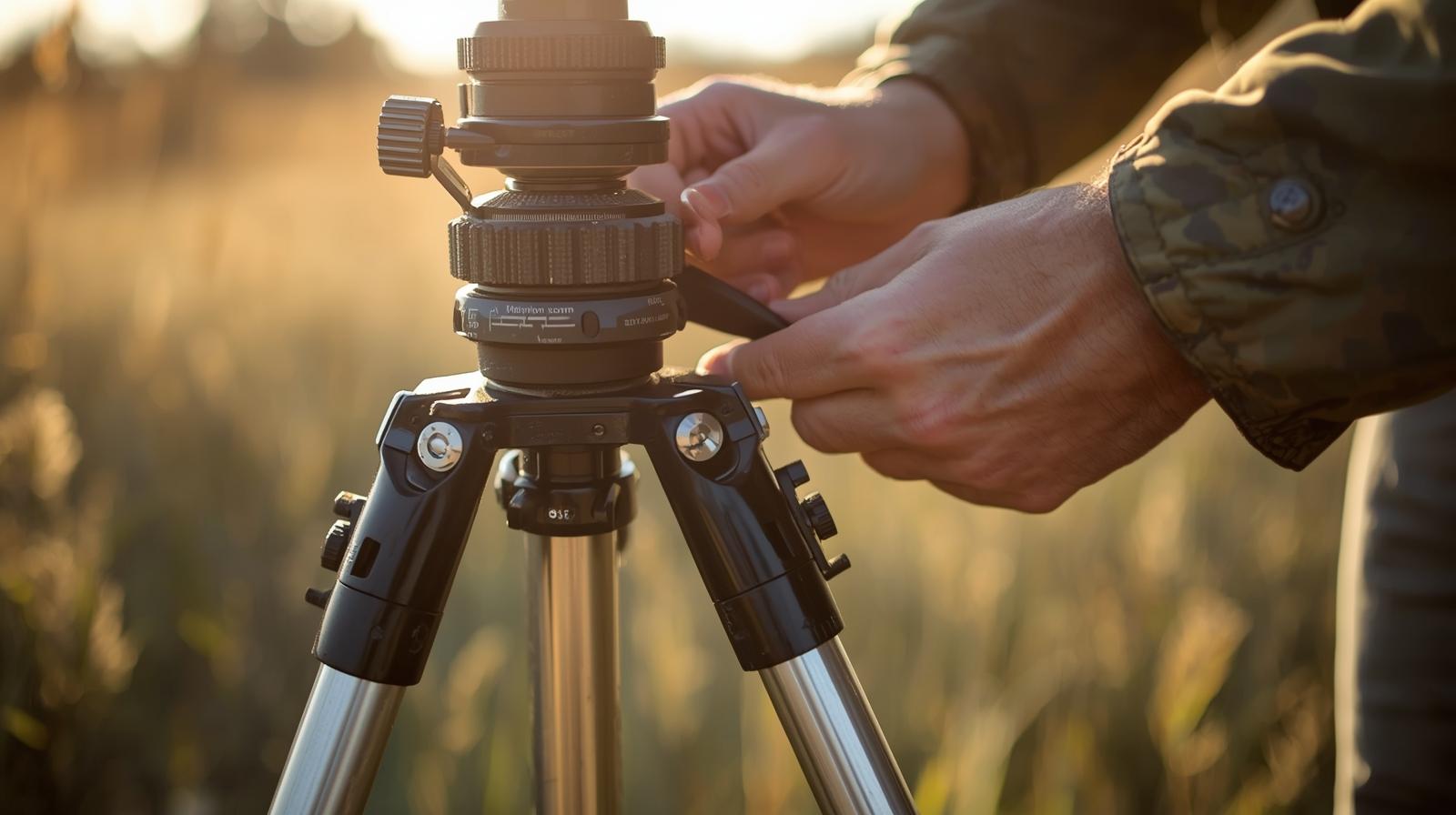
Choosing the right tripod depends on your birdwatching style. Here’s what to consider:
1. Stability
Heavier tripods provide better stability, especially in wind.
If you use +12x binoculars, choose metal or carbon legs.
2. Tripod Head Type
The best heads for birdwatching are:
- Pan-tilt heads (smooth tracking)
- Fluid heads (professional video-like movement)
- Ball heads (quick adjustments)
Avoid cheap plastic heads — they create shaky or jerky movement.
3. Weight
Travel birders should choose lightweight models (3–4 lbs).
Stationary birders can use 4–6 lb heavy-duty tripods.
4. Height
A tripod should reach eye level without center column wobble.
For most people, this means at least 55–65 inches.
5. Durability
Aluminum and carbon fiber are best.
Plastic tripods should be avoided — they break too easily.
Best Situations to Use a Birdwatching Tripod

1. Long-Distance Observation
To identify shorebirds, gulls, or hawks far away.
2. Raptor Migration Watching
Falcons and eagles at long distances require stable optics.
3. Waterbird & Wetland Birding
Use tripods on boardwalks, marsh edges, and lake shores.
4. Digiscoping
Photography through binoculars demands total stability.
5. Bird Counts & Surveys
Tripods reduce strain during extended monitoring sessions.
Tripod Maintenance Tips for Birdwatchers
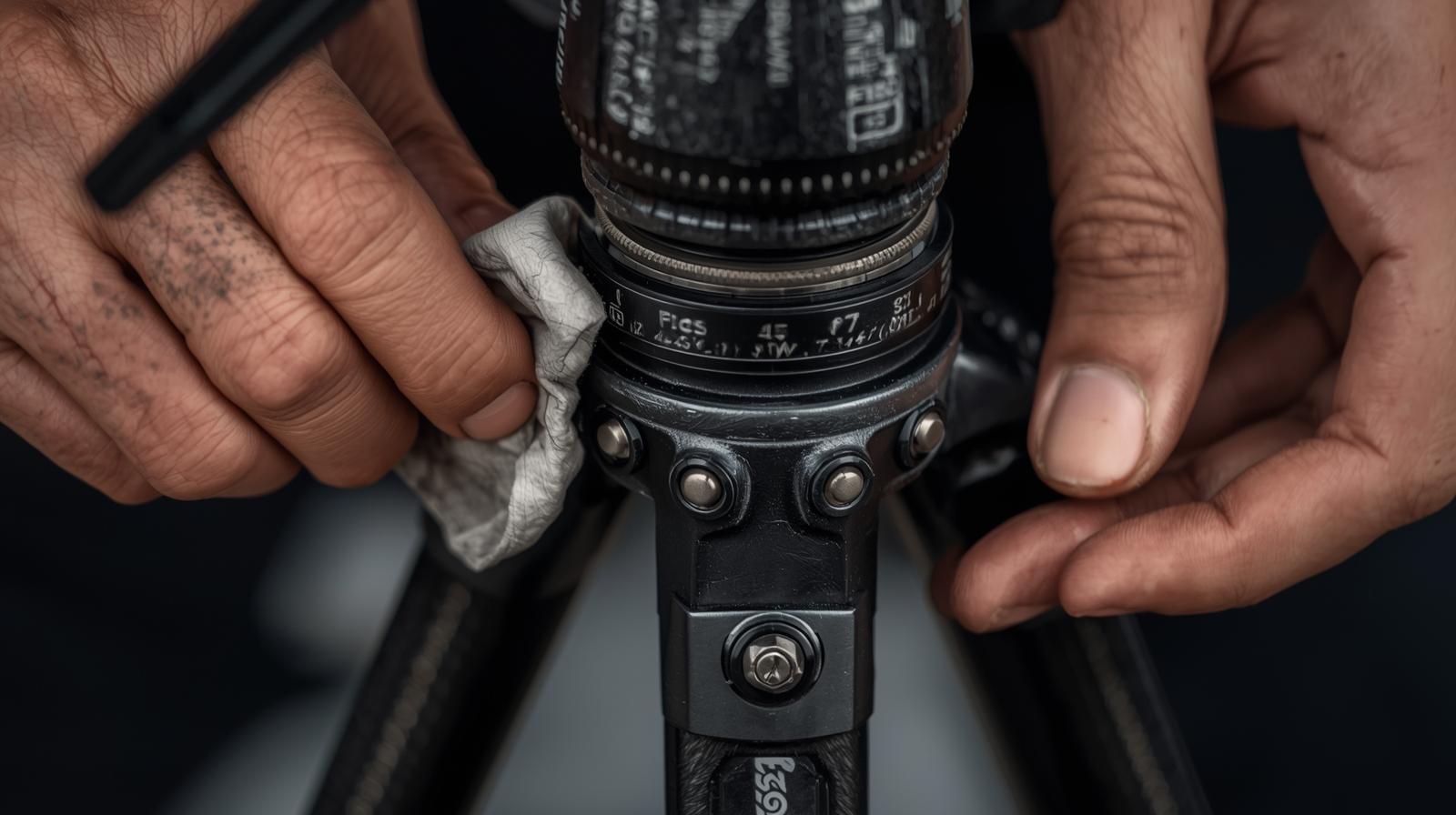
- Keep tripod legs clean and dry
- Tighten screws every few weeks
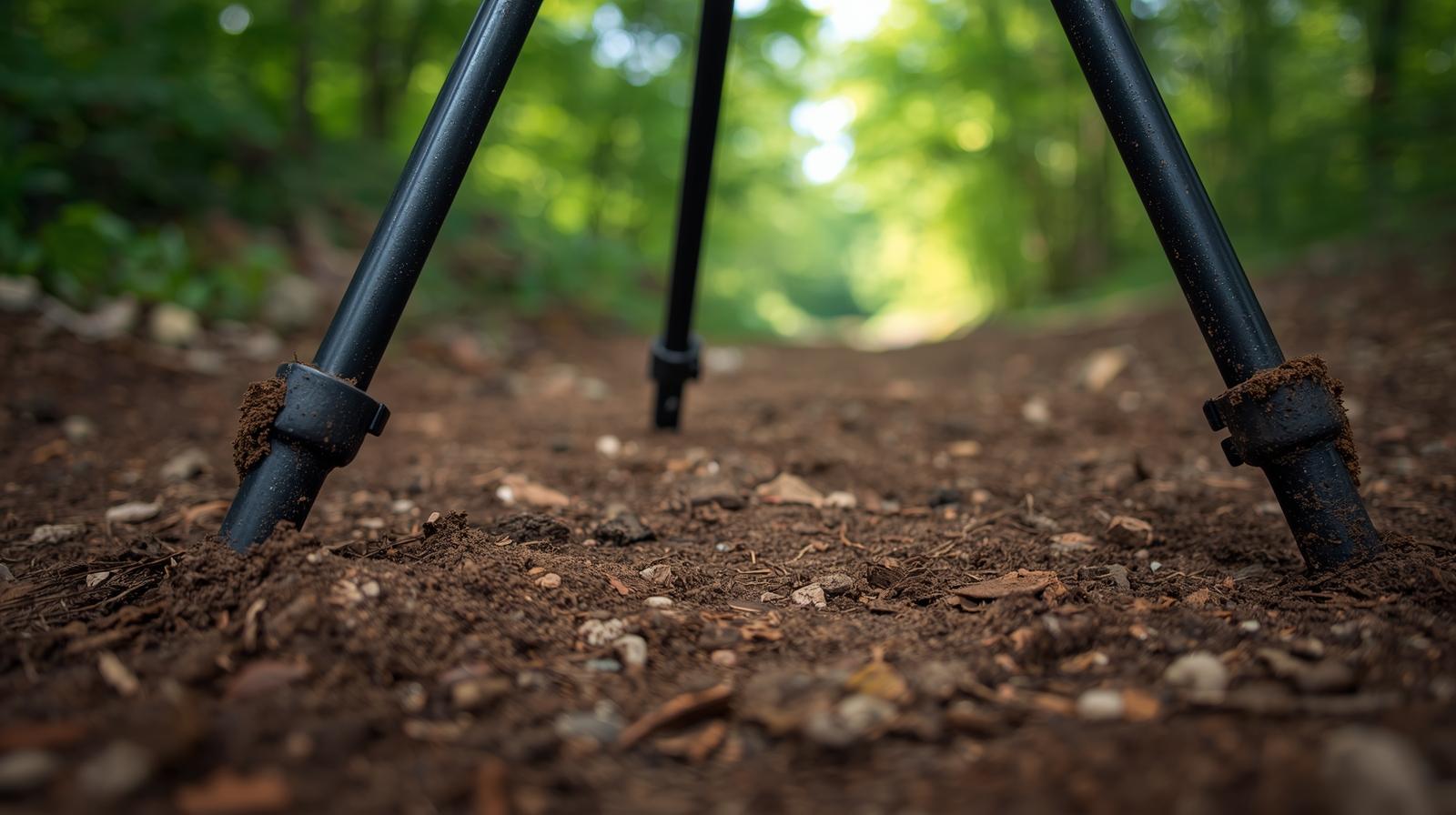
- Avoid sand entering twist locks
- Rinse legs after using near saltwater
- Do not overload the tripod
- Store in a protective carrying bag
Following these tips can extend your tripod’s life by years.
Where to Buy Birdwatching Tripods in 2026
Amazon remains the best source for:
- Fast shipping
- Updated product listings
- Latest models
- Verified customer reviews
- Competitive pricing
Ready to Upgrade Your Birdwatching Setup?
👉 Shop the Best Tripods for Birdwatching Today
Get sharper views, longer comfort, and better bird ID accuracy.
Final Verdict
After comparing performance, stability, portability, and price, here’s the conclusion for 2026:
- Best Overall: Vanguard Alta Pro 263AB Tripod
- Best Lightweight Travel Tripod: Celestron Hummingbird Tripod
- Best Rugged Outdoor Tripod: Vortex Optics Mountain Pass Tripod Kit
Each of these models enhances your birdwatching experience, delivering the stability needed for clearer, sharper, and more enjoyable wildlife viewing.
FAQs
1. Do all binoculars fit on a tripod?
Most binoculars with a front adapter cap or threaded housing can use a tripod adapter.
2. What is the ideal tripod height for birdwatching?
55–65 inches is ideal for most adult birders.
3. Is a lightweight tripod stable enough for birding?
Yes, as long as it has solid leg locks and a strong head.
4. Do I need a tripod for 8x binoculars?
Not always — but for long sessions, tripods reduce fatigue.
5. Are carbon fiber tripods worth it?
Yes — they’re lighter, more stable, and last longer, but cost more.




