
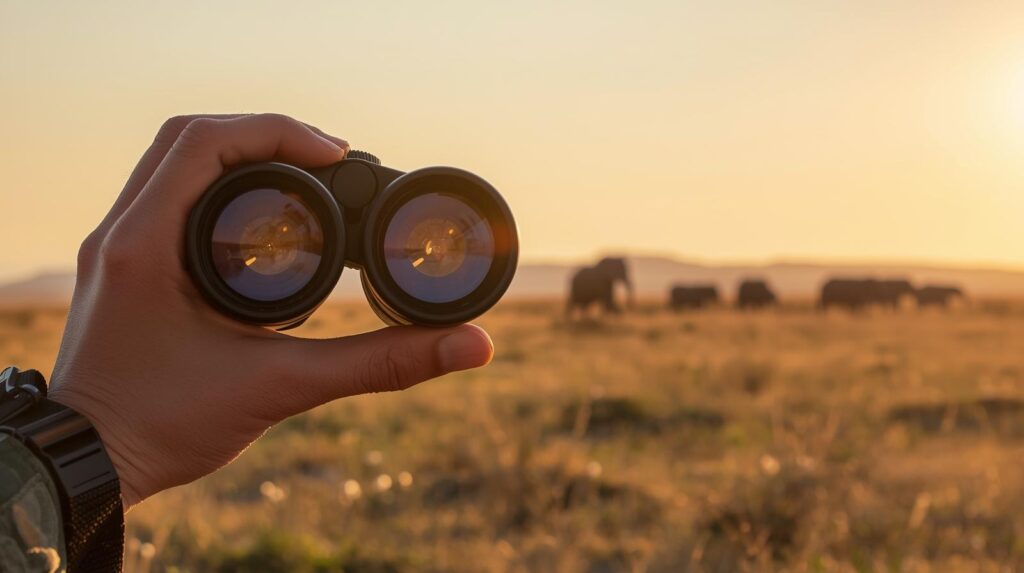
Introduction: The Ultimate Safari Experience with the Best Binoculars for Wildlife Safaris
A wildlife safari is a once-in-a-lifetime adventure for many, offering a unique chance to witness the majesty of Africa’s wildlife in their natural habitat. From lions stalking the tall grasses to elephants bathing in watering holes, a safari is an experience filled with breathtaking moments. To truly capture these unforgettable scenes, you need the best binoculars for wildlife safaris.
The right binoculars will help you spot wildlife from a distance, see incredible details that the naked eye can’t catch, and enhance your overall safari experience. Whether you’re on an African safari or observing wildlife from a distance, having the right safari binoculars is essential for a clear and exciting adventure.
In this guide, we’ll dive into the features that make binoculars perfect for safaris, highlight some of the best models available, and explain why they’re ideal for spotting wildlife in Africa and beyond.
Why Do You Need Specialized Binoculars for Wildlife Safaris?
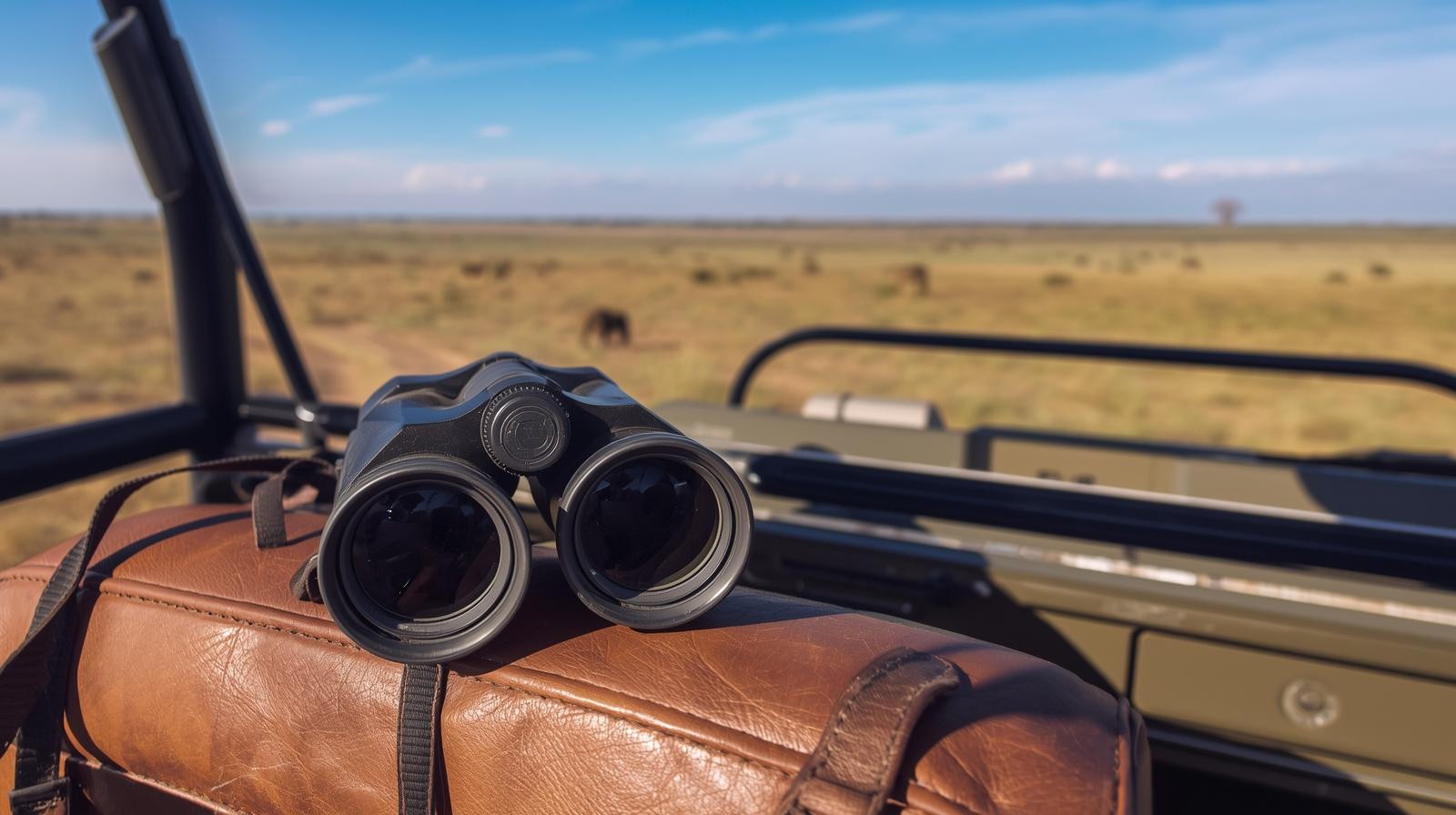
While binoculars are useful in many outdoor settings, wildlife safaris present unique challenges that require specialized features. These binoculars need to excel in several key areas, including:
1. Long-Range Clarity for Distant Wildlife
Wildlife, especially in the wilds of Africa, can be far from the safari vehicle, and spotting them with the naked eye is often impossible. Long-range safari binoculars allow you to see animals in detail even from hundreds of yards away, bringing distant creatures into sharp focus.
2. Enhanced Optical Quality in Changing Light Conditions
Whether it’s the early morning golden hour or the fading light of dusk, safari conditions often involve changing light levels. The best binoculars for wildlife safaris feature multi-coated lenses and high-definition optics that help reduce glare, improve color contrast, and provide crisp images even in low-light conditions.
3. Durability and Weather Resistance
A safari adventure takes place in challenging environments, from the heat of the day to the dust of the savannah. Safari binoculars need to be durable, shockproof, and weather-resistant to survive rough conditions and endure hours of use.
4. Comfort for Extended Viewing
On a safari, you’ll spend hours in the field, scanning the landscape for wildlife. Binoculars should be lightweight, ergonomically designed, and easy to handle for long periods without causing discomfort.
Key Features to Look for in Binoculars for Wildlife Safaris
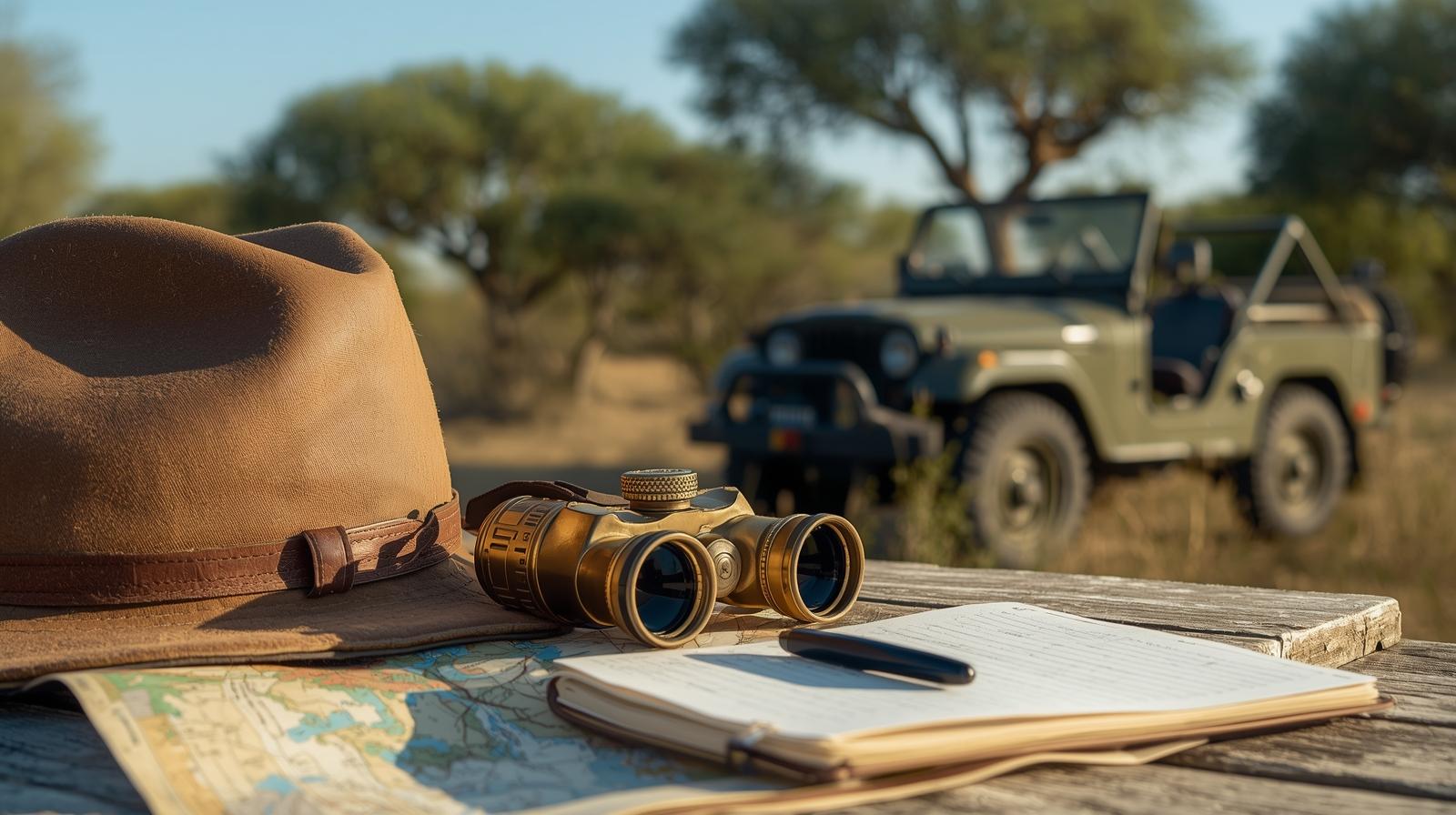
When choosing binoculars for a wildlife safari, several important features will enhance your experience. Here are the key aspects to consider:
1. Magnification and Objective Lens Size
The magnification and objective lens size determine the level of detail and the field of view you’ll have on your safari.
- Magnification: For safaris, 10x magnification is usually ideal. It allows you to zoom in on distant animals, such as lions or elephants, while keeping the image stable. You don’t want magnification too high because it can make the binoculars more difficult to stabilize, and you risk losing sight of fast-moving animals.
- Objective Lens: A lens size of 42mm is the most popular for safari binoculars, as it allows for bright, clear images while still being relatively lightweight. A larger lens (e.g., 50mm) will gather more light, which is useful in low-light conditions but can add more weight and size to the binoculars.
2. Field of View (FOV)
The field of view (FOV) is the width of the scene you can see through the binoculars at a given distance. A wide FOV is particularly important for tracking animals across the savannah or spotting birds in flight. When you’re on a safari, you’ll often want to see a larger area at once, especially if you’re following a herd of elephants or a cheetah moving swiftly through the grasslands.
3. Optical Quality: Lenses, Coatings, and Clarity
Safari environments require high-quality optics to handle low-light conditions and contrast-heavy landscapes. Look for binoculars with fully multi-coated lenses for the best light transmission and clarity. High-definition (HD) glass helps eliminate chromatic aberration, providing sharper images with more accurate colors.
- Coatings: Multi-coated or fully multi-coated lenses reduce glare, improve light gathering, and enhance image sharpness.
4. Durability and Waterproof Design
Safari adventures can be tough on your gear. Your binoculars will be exposed to dust, rain, and high temperatures. Waterproof, fog-resistant, and shockproof designs are essential for ensuring your binoculars last throughout the safari, regardless of the weather conditions.
Look for binoculars with rubber armor to protect against drops and O-ring seals to prevent moisture from entering the optics.
5. Comfort and Weight
Since you’ll be carrying your binoculars for extended periods, lightweight binoculars are essential for comfort. Ergonomic designs and adjustable eyecups can help ensure comfort, especially if you wear glasses. A central focus wheel should be easy to operate even with gloves or when moving quickly to track wildlife.
Comparison Table – Best Binoculars for Wildlife Safaris
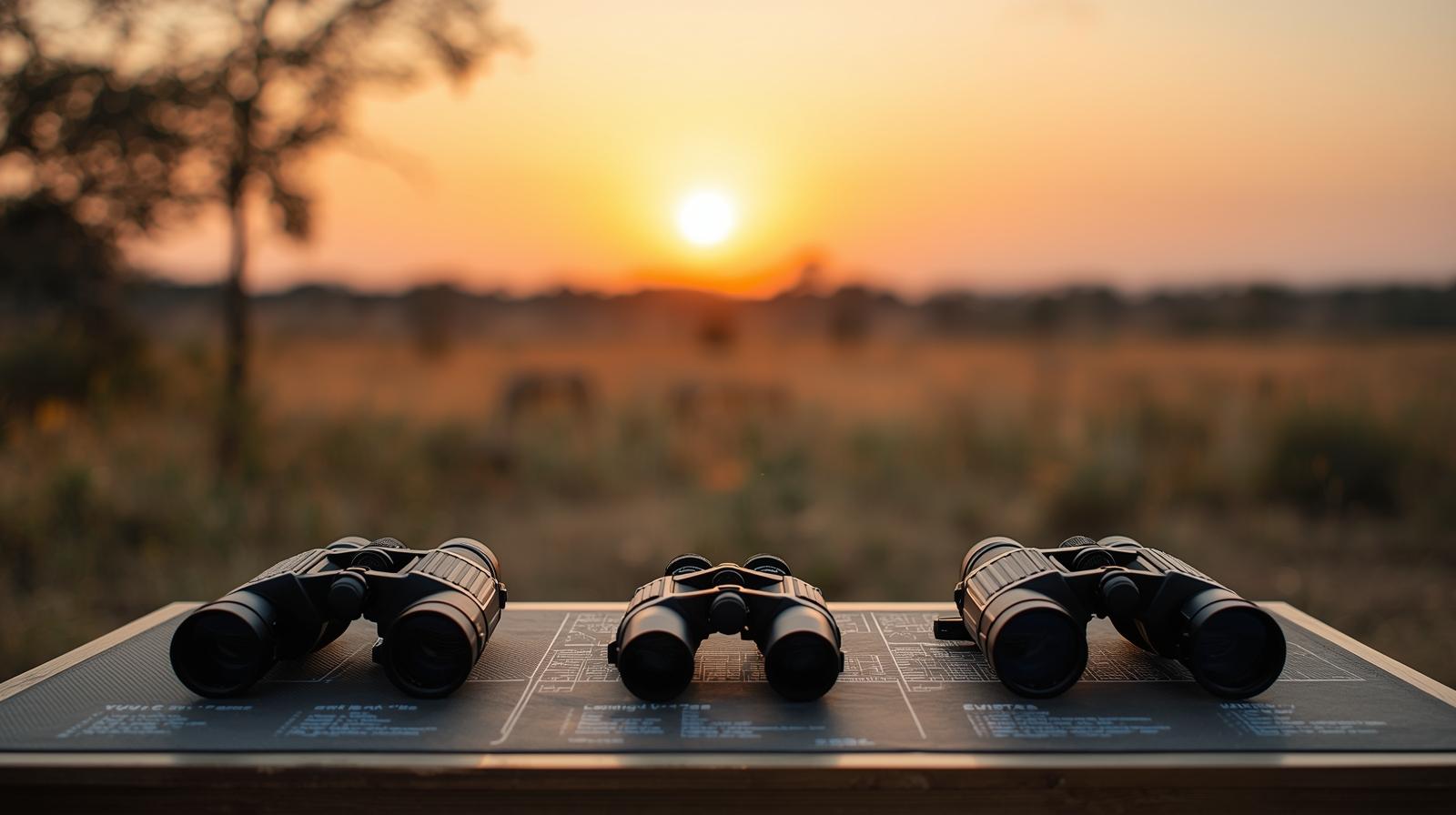
| Model | Magnification | Objective Lens | Key Features | Pros | Cons | Rating |
|---|---|---|---|---|---|---|
| Vortex Optics Viper HD 10×42 | 10x | 42mm | HD glass, weatherproof | Excellent clarity, durable | Slightly heavy | ★★★★★ (4.8/5) |
| Leica Ultravid 10×42 HD-Plus | 10x | 42mm | Premium optics | Outstanding low-light performance | High price | ★★★★★ (4.9/5) |
| Nikon Monarch 7 10×42 | 10x | 42mm | ED glass, wide field of view | Sharp and bright images | Heavier than others | ★★★★★ (4.7/5) |
Top Picks: Best Binoculars for Wildlife Safaris
1. Vortex Optics Viper HD 10×42 – Best Overall for Safari Performance
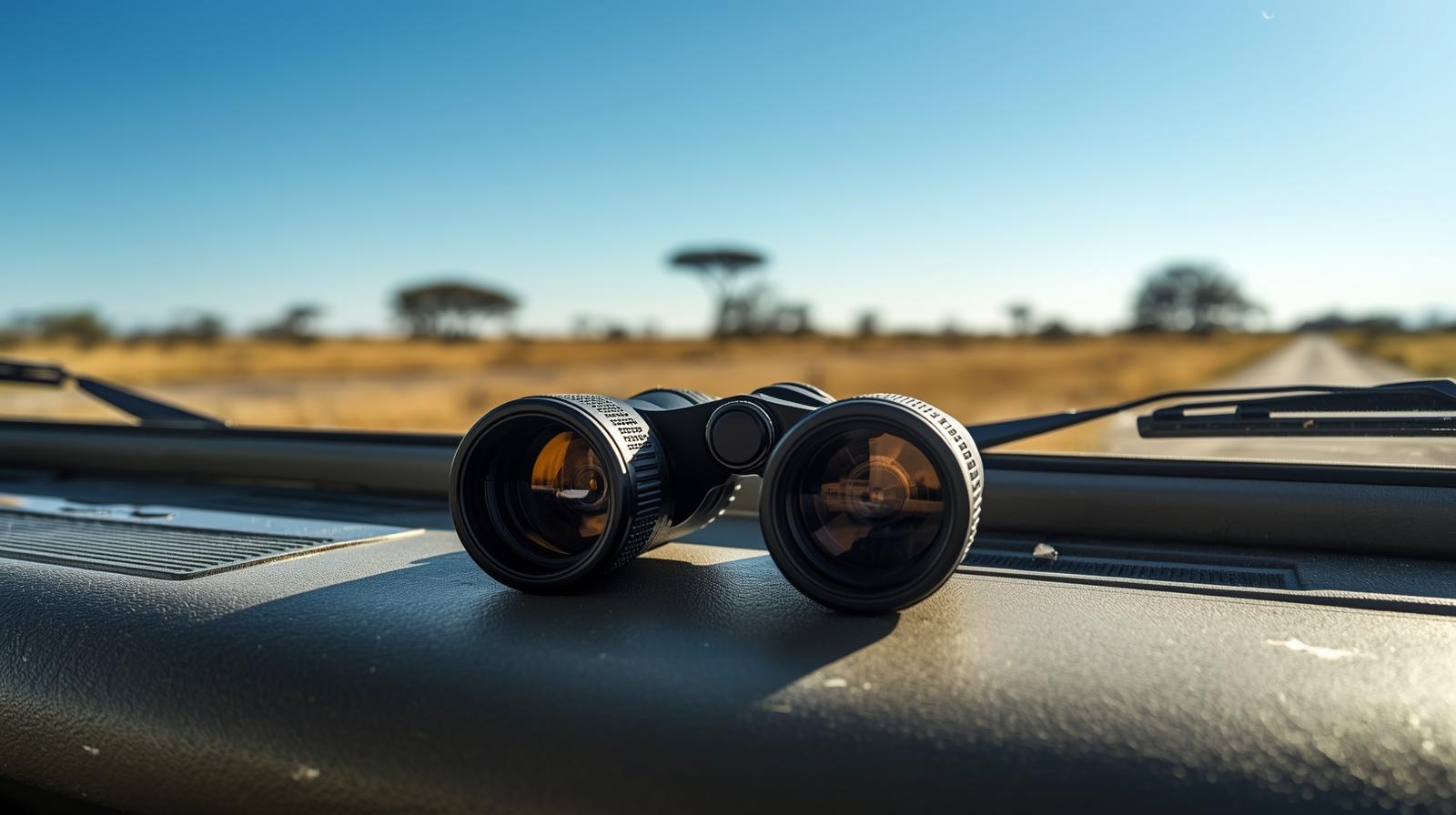
The Vortex Optics Viper HD 10×42 binoculars offer excellent clarity, rugged durability, and affordability, making them ideal for safari use. With HD glass and a weatherproof design, these binoculars are perfect for wildlife observation in Africa.
Key Features
- 10x magnification
- HD glass for clearer, sharper images
- Fully multi-coated lenses
- Waterproof and fog-resistant design
Pros
- Bright and clear images
- Excellent build quality
- Lightweight and ergonomic
Cons
- Slightly bulkier compared to compact models
Why We Recommend It
The Vortex Viper HD 10×42 provides excellent optical performance and durability, making it the best all-around choice for most safari adventures.
2. Leica Ultravid 10×42 HD-Plus – Best for Premium Optics and Low-Light Performance
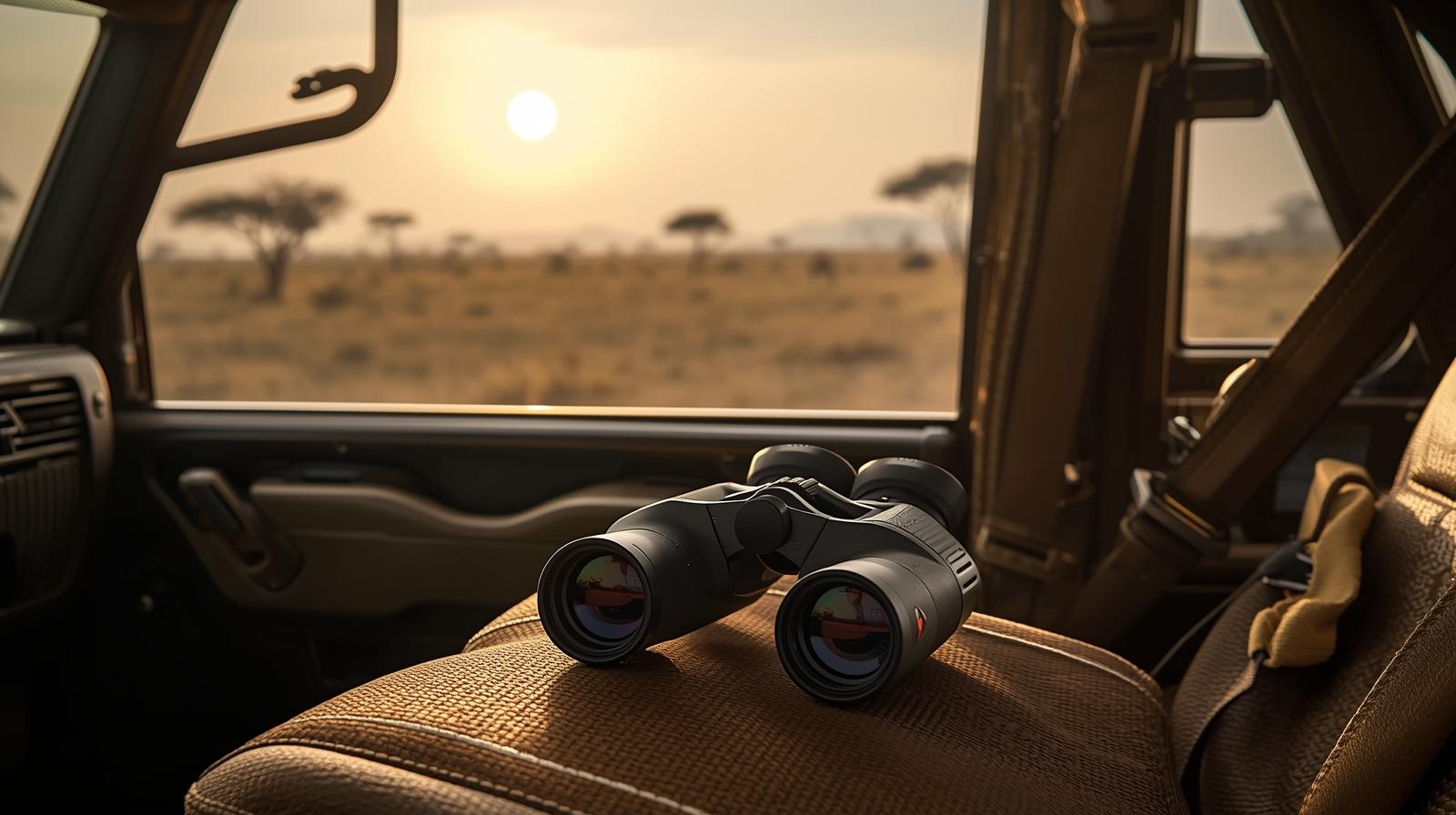
The Leica Ultravid 10×42 HD-Plus binoculars are known for their premium optics and superior low-light performance. These binoculars are ideal for safari-goers who want the best image clarity and edge-to-edge sharpness.
Key Features
- 10x magnification
- High-definition optics with phase-corrected prisms
- Waterproof, fog-resistant, and shockproof
Pros
- Outstanding clarity and brightness
- Excellent color accuracy
- Compact, lightweight design
Cons
- High price
Why We Recommend It
If you want top-tier performance and unmatched optical quality, the Leica Ultravid binoculars are the best choice for serious wildlife watchers on safari.
3. Nikon Monarch 7 10×42 – Best for Wide Field of View and Versatility
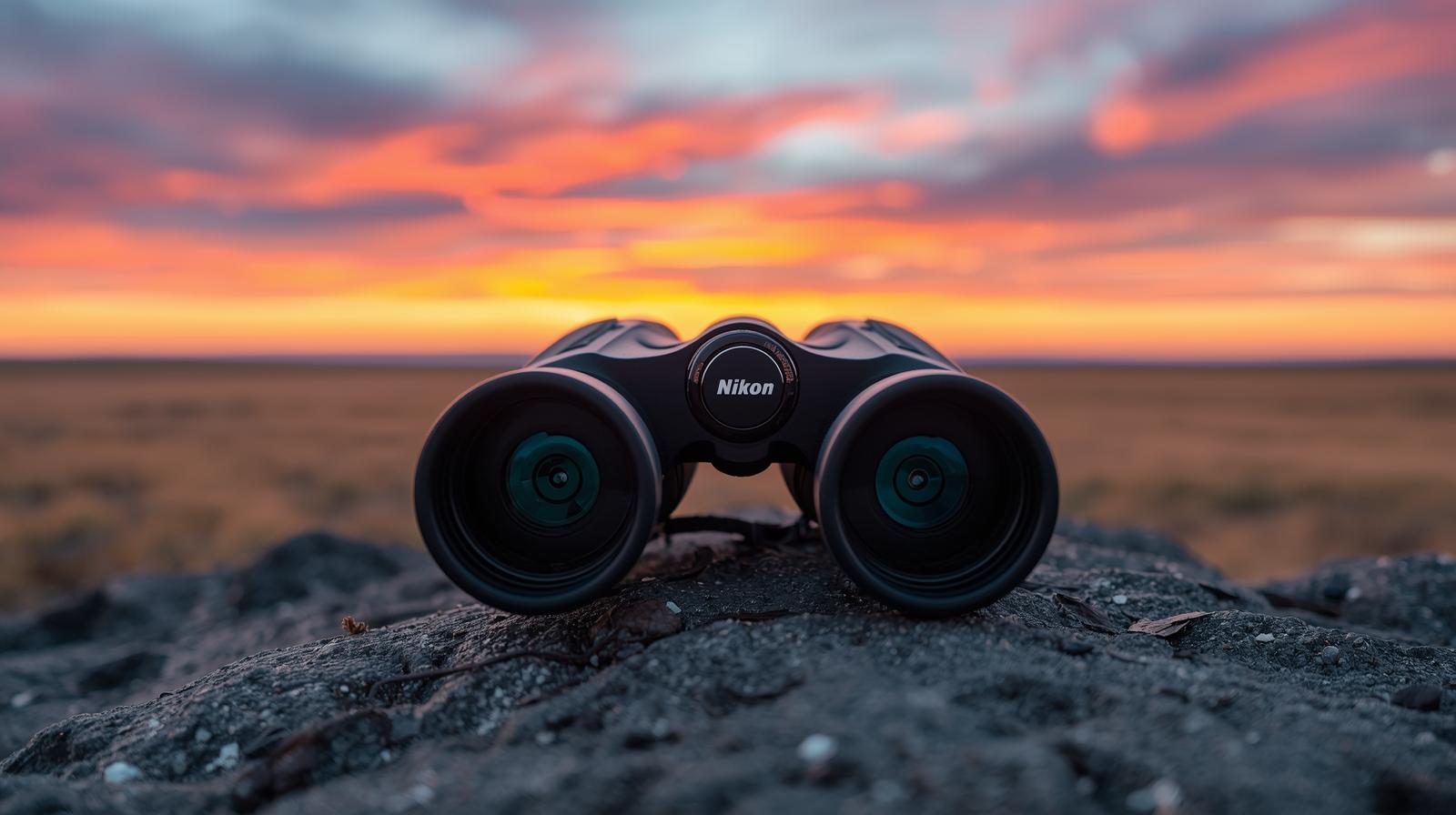
The Nikon Monarch 7 10×42 binoculars are perfect for those who want a wide field of view and versatility. These binoculars are equipped with ED glass for clearer, sharper images and are ideal for birding and wildlife safaris.
Key Features
- 10x magnification
- Extra-low dispersion (ED) glass
- Wide field of view
- Waterproof and fog-resistant
Pros
- Excellent clarity and brightness
- Comfortable and easy to use for extended periods
- Great all-around binocular for safaris and birding
Cons
- Heavier than compact models
Why We Recommend It
For those who need wide coverage and a versatile binocular, the Nikon Monarch 7 is a fantastic option.
Final Verdict: Best Binoculars for Wildlife Safaris
- Best Overall: Vortex Optics Viper HD 10×42
- Best for Premium Optics: Leica Ultravid 10×42 HD-Plus
- Best for Versatility and Field of View: Nikon Monarch 7 10×42
Each of these binoculars brings something unique to the table, making them excellent choices for anyone heading out on a wildlife safari. Whether you’re a casual bird watcher or a serious wildlife enthusiast, these models will help you experience Africa’s wildlife up close and in stunning detail.
Related Posts
- Best Zoom Binoculars for Bird watching in 2026
- Best Binoculars for Bird Watching on Safari
- Top Safari Activities You Can Do with Binoculars
Enhance Your Safari Experience with the Best Binoculars
👉Ready to discover the wildlife of Africa like never before? Choose the best binoculars for wildlife safaris and elevate your safari experience with crystal-clear views of lions, elephants, and birds.
FAQs – Best Binoculars for Wildlife Safaris
What magnification is best for wildlife safaris?
10x magnification is the most popular choice for safaris as it offers a good balance of clarity and field of view.
Are these binoculars waterproof?
Yes, all the recommended models are waterproof and fog-resistant, making them ideal for safari conditions.
How do I choose binoculars for African safaris?
Look for binoculars with high-quality optics, rugged construction, and wide magnification ranges for the best performance in the wild.
Are lightweight binoculars better for safaris?
While lightweight binoculars are easier to carry, make sure they still offer high magnification and durability for optimal wildlife viewing.
Can binoculars help spot wildlife from far distances?
Yes, the best binoculars for wildlife safaris are designed for long-range viewing, helping you spot animals that are far from your safari vehicle.
What objective lens size is best for wildlife safaris?
An objective lens between 32mm and 42mm is ideal for safaris because it provides a bright, detailed image while keeping the binoculars portable enough for extended wildlife viewing.




